
The Connection Between Brainwaves and Mood Disorders: Understanding Your Brain’s Electrical Patterns
Table of Contents
1. Introduction to Brainwaves and Mental Health
2. What Are Brainwaves? The Science Behind Neural Oscillations
3. Types of Brainwaves and Their Functions
4. How Brainwave Patterns Change in Mood Disorders
5. Depression and Brainwave Abnormalities
6. Anxiety Disorders and Neural Frequency Disruptions
7. Bipolar Disorder: When Brainwaves Swing Between Extremes
8. Modern Treatment Approaches Using Brainwave Technology
9. The Future of Brainwave-Based Mental Health Care
10. Conclusion
11. Frequently Asked Questions
Introduction to Brainwaves and Mental Health
Have you ever wondered what’s happening inside your brain when you’re feeling anxious, depressed, or emotionally overwhelmed? The answer lies partially in the intricate electrical patterns known as brainwaves. These neural oscillations, which scientists have been studying for decades, offer fascinating insights into how our minds work and why some people experience mood disorders while others don’t.
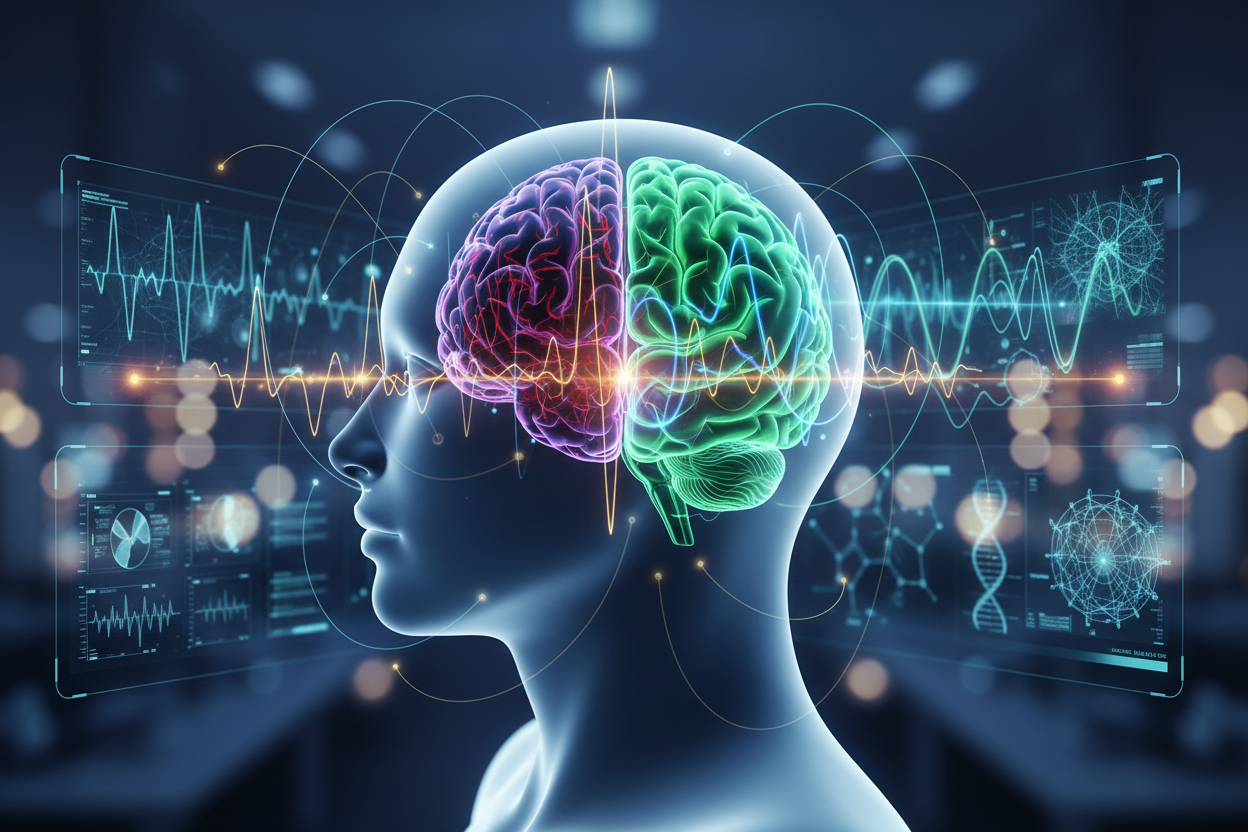
The relationship between brainwaves and mood disorders represents one of the most promising frontiers in mental health research. As someone who has witnessed friends and family members struggle with depression and anxiety, I find it remarkable that we can now literally measure the electrical activity associated with these conditions. This isn’t science fiction – it’s happening right now in research labs and clinical settings around the world.
Understanding this connection isn’t just academically interesting; it’s opening doors to new treatment possibilities that could revolutionize how we approach mental health care. From neurofeedback therapy to targeted brain stimulation, researchers are developing innovative ways to help restore healthy brainwave patterns in people with mood disorders.
What Are Brainwaves? The Science Behind Neural Oscillations
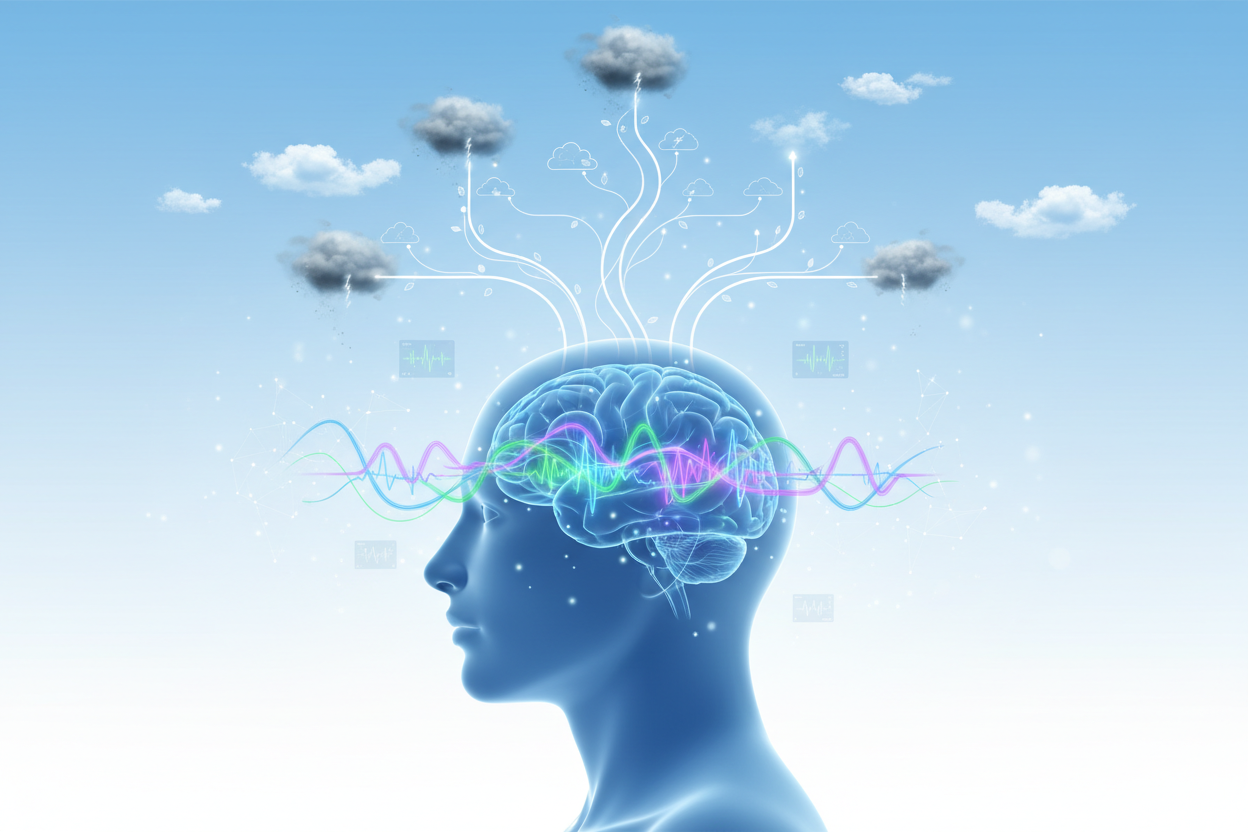
Before diving into their connection with mood disorders, let’s establish what brainwaves actually are. Think of your brain as an incredibly complex electrical network with billions of neurons constantly communicating through electrical impulses. When large groups of neurons fire together in synchronized patterns, they create rhythmic electrical activity that we can measure and observe.
These synchronized neural firing patterns produce what scientists call brainwaves or neural oscillations. Using specialized equipment like electroencephalography (EEG), researchers can detect these electrical patterns through electrodes placed on the scalp. The resulting data appears as wave-like patterns on a computer screen, each with its own frequency measured in hertz (Hz).
What makes this particularly fascinating is that different brainwave frequencies correspond to different states of consciousness and cognitive functions. When you’re deeply focused on reading this article, your brain is producing different electrical patterns than when you’re daydreaming or feeling anxious about tomorrow’s presentation.
Types of Brainwaves and Their Functions
Scientists have identified five primary types of brainwaves, each associated with specific mental states and functions. Understanding these categories helps us appreciate how disruptions in these patterns might contribute to mood disorders.
Delta waves (0.5-4 Hz) represent the slowest brainwave frequency and are primarily associated with deep, dreamless sleep and healing processes. These waves are crucial for physical restoration and memory consolidation. When delta wave production is disrupted, it can affect sleep quality and overall mental health.
Theta waves (4-8 Hz) occur during light sleep, deep meditation, and creative states. They’re also present during REM sleep when we dream most vividly. Theta waves play important roles in memory formation, emotional processing, and accessing subconscious information.
Alpha waves (8-12 Hz) emerge when we’re relaxed but alert, often described as a state of “calm focus.” You might experience alpha waves while taking a peaceful walk or during moments of quiet reflection. These waves serve as a bridge between conscious and subconscious mental activity.
Beta waves (12-30 Hz) dominate during normal waking consciousness, active thinking, and problem-solving. However, excessive beta activity, particularly in higher frequencies, can be associated with anxiety, stress, and overthinking.
Gamma waves (30-100 Hz) represent the fastest brainwave frequency and are linked to heightened awareness, cognitive processing, and moments of insight. Some researchers believe gamma waves play a role in consciousness itself and the binding of different sensory experiences into unified perceptions.
How Brainwave Patterns Change in Mood Disorders
Research has consistently shown that people with mood disorders often exhibit distinct brainwave patterns that differ from those of mentally healthy individuals. These differences aren’t just correlational – they appear to play active roles in the development and maintenance of various mental health conditions.
The most significant finding is that mood disorders typically involve either excessive activity in certain frequency bands or insufficient activity in others. For instance, someone with depression might show reduced alpha wave activity in brain regions associated with positive emotions, while simultaneously displaying increased beta wave activity in areas linked to rumination and negative thinking.
What’s particularly intriguing is that these brainwave abnormalities often precede the onset of obvious symptoms. This suggests that monitoring brainwave patterns could potentially help identify individuals at risk for developing mood disorders before they become clinically apparent.
Additionally, the specific patterns of brainwave disruption can vary significantly between different types of mood disorders and even between individuals with the same diagnosis. This variability helps explain why mental health treatment isn’t one-size-fits-all and why personalized approaches based on individual brainwave profiles show such promise.
Depression and Brainwave Abnormalities
Depression, affecting over 280 million people worldwide according to the World Health Organization, shows some of the most well-documented brainwave abnormalities. Researchers have identified several consistent patterns that distinguish depressed individuals from healthy controls.
One of the most significant findings involves alpha wave asymmetry in the frontal cortex. Typically, people with depression show reduced alpha activity in the left frontal region compared to the right. Since the left frontal cortex is associated with approach behaviors and positive emotions, this asymmetry may contribute to the withdrawal and negative mood characteristic of depression.
Sleep-related brainwave patterns also show dramatic changes in depression. People with this condition often experience disrupted delta wave production during deep sleep stages, leading to poor sleep quality and reduced restorative processes. Additionally, they may enter REM sleep too quickly and experience excessive theta wave activity during periods when the brain should be in deeper, more restorative sleep stages.
Beta wave activity presents another area of concern in depression. Many individuals with this condition show increased beta activity in brain regions associated with rumination and negative self-talk. This excessive high-frequency activity may contribute to the persistent negative thinking patterns that characterize depressive episodes.
Interestingly, successful treatment of depression often coincides with normalization of these brainwave patterns. Antidepressant medications, psychotherapy, and other interventions that improve depressive symptoms frequently also restore more typical brainwave activity, suggesting a direct relationship between neural oscillations and mood regulation.
Anxiety Disorders and Neural Frequency Disruptions
Anxiety disorders, which affect approximately 40 million adults in the United States alone, display their own unique brainwave signatures. Understanding these patterns has provided valuable insights into the neurobiological basis of excessive worry, panic, and fear responses.
The most consistent finding in anxiety disorders involves excessive beta wave activity, particularly in the higher frequency ranges (15-30 Hz). This hyperactive beta production often occurs in brain regions responsible for threat detection and worry, creating a state of constant mental arousal that makes relaxation difficult or impossible.
People with generalized anxiety disorder frequently show reduced alpha wave production, which normally helps maintain a calm, relaxed state. Without sufficient alpha activity, the brain struggles to shift into peaceful, restorative modes, leaving individuals stuck in states of heightened alertness and concern.
Panic disorder presents its own distinct brainwave profile. During panic attacks, there’s often a dramatic surge in high-frequency beta and gamma wave activity, particularly in brain regions associated with fear processing. This electrical storm in the brain corresponds to the intense physical and emotional symptoms experienced during these episodes.
Social anxiety disorder shows interesting patterns related to theta wave activity. Some research suggests that individuals with social anxiety may have disrupted theta rhythms in brain areas involved in social cognition and emotional regulation, potentially contributing to difficulties in social situations.
Bipolar Disorder: When Brainwaves Swing Between Extremes
Bipolar disorder presents one of the most complex relationships between brainwaves and mood states. This condition, characterized by alternating periods of mania or hypomania and depression, shows dramatically different brainwave patterns depending on the current mood episode.
During manic episodes, individuals typically display increased gamma wave activity, particularly in brain regions associated with reward processing and goal-directed behavior. This heightened gamma activity may contribute to the elevated mood, increased energy, and reduced need for sleep characteristic of manic states.
The theta wave patterns in bipolar disorder are particularly interesting. During manic phases, there’s often excessive theta activity during waking hours, which might explain the creative insights and rapid thinking that many people experience during these episodes. However, this same theta activity can become problematic when it interferes with normal sleep patterns.
Sleep-related brainwaves show significant disruptions in bipolar disorder across all mood states. Both manic and depressive episodes are associated with reduced delta wave activity during deep sleep, contributing to the sleep disturbances that often trigger mood episodes in susceptible individuals.
What makes bipolar disorder particularly challenging from a brainwave perspective is the rapid switching between different neural states. The brain’s electrical activity can shift dramatically over relatively short periods, reflecting the mood instability that defines this condition.
Modern Treatment Approaches Using Brainwave Technology
The growing understanding of brainwave patterns in mood disorders has led to innovative treatment approaches that directly target these neural oscillations. These interventions represent a significant shift from traditional treatments that work indirectly through neurotransmitter systems.
Neurofeedback therapy has emerged as one of the most promising brainwave-based treatments. This approach uses real-time EEG monitoring to help individuals learn to modify their brainwave patterns consciously. Patients receive immediate feedback about their brain activity and gradually learn to produce healthier brainwave states through practice and conditioning.
For depression, neurofeedback protocols often focus on increasing alpha wave activity in the left frontal cortex while reducing excessive beta activity associated with rumination. Many patients report significant improvements in mood and cognitive function after completing neurofeedback training programs.
Transcranial stimulation techniques, including transcranial direct current stimulation (tDCS) and transcranial magnetic stimulation (TMS), offer another approach to modifying brainwave patterns. These methods use external electrical or magnetic fields to influence neural oscillations in targeted brain regions.
Emerging technologies like photobiomodulation and audio-visual entrainment are also showing promise for brainwave modification. These approaches use specific light frequencies or sound patterns to encourage the brain to produce desired brainwave states, offering non-invasive options for mood disorder treatment.
The Future of Brainwave-Based Mental Health Care
As our understanding of the relationship between brainwaves and mood disorders continues to evolve, we’re likely to see increasingly sophisticated and personalized treatment approaches. The future of mental health care may involve detailed brainwave profiling for each individual, leading to targeted interventions based on specific neural patterns.
Artificial intelligence and machine learning are already being applied to brainwave analysis, potentially enabling earlier detection of mood disorders and more precise treatment recommendations. Imagine a future where your smartphone could monitor your brainwave patterns and alert you to early signs of depression or anxiety before symptoms become severe.
Closed-loop neurostimulation systems represent another exciting frontier. These devices would continuously monitor brainwave activity and automatically deliver targeted stimulation when abnormal patterns are detected, providing real-time correction of neural dysregulation.
The integration of brainwave monitoring with other biomarkers, such as heart rate variability and stress hormones, could provide comprehensive pictures of mental health status and treatment response. This multi-modal approach might finally enable truly personalized psychiatry based on individual biological profiles.
Conclusion
The connection between brainwaves and mood disorders represents a fascinating intersection of neuroscience, technology, and mental health care. As we’ve explored throughout this article, these electrical patterns in our brains aren’t just byproducts of neural activity – they’re active participants in shaping our emotional experiences and mental well-being.
Understanding how depression, anxiety, and bipolar disorder alter brainwave patterns has opened new avenues for both understanding these conditions and treating them. From neurofeedback therapy to advanced brain stimulation techniques, we now have tools that can directly address the neural oscillation abnormalities underlying many mood disorders.
Perhaps most importantly, this research is moving us toward a more objective, biological understanding of mental health conditions. Rather than relying solely on subjective symptom reports, we’re developing ways to measure and monitor the actual brain activity associated with different mood states.
While we still have much to learn about the complex relationships between brainwaves and mental health, the progress made so far offers genuine hope for millions of people struggling with mood disorders. As technology continues to advance and our understanding deepens, we may be approaching an era where mental health treatment is as precise and effective as treatments for physical ailments.
The journey toward better mental health care through brainwave research is just beginning, but the destination – a world where mood disorders can be accurately diagnosed, effectively treated, and potentially prevented – seems more achievable than ever before.
Frequently Asked Questions
Can brainwave patterns predict who will develop mood disorders?
While research shows that certain brainwave abnormalities can precede the onset of mood disorder symptoms, we’re not yet at the point where we can definitively predict who will develop these conditions. However, ongoing studies suggest that brainwave monitoring may eventually become a valuable tool for early identification and prevention.
Are brainwave-based treatments safe?
Most brainwave-based treatments, particularly neurofeedback and non-invasive stimulation techniques, have excellent safety profiles with minimal side effects. However, like any medical treatment, they should be administered by qualified professionals and may not be appropriate for everyone.
How long does it take to see results from neurofeedback therapy?
The timeline for neurofeedback results varies significantly between individuals. Some people notice improvements within a few sessions, while others may require 20-40 sessions to see substantial changes. The specific condition being treated and individual brain patterns influence the response time.
Can I monitor my own brainwaves at home?
Consumer-grade EEG devices are becoming increasingly available, but they typically lack the precision and comprehensive analysis capabilities of clinical-grade equipment. While these devices can provide interesting insights, they shouldn’t replace professional evaluation and treatment.
Do medications affect brainwave patterns?
Yes, psychiatric medications often produce measurable changes in brainwave patterns. In many cases, the normalization of brainwave activity correlates with symptom improvement, suggesting that medications may work partly by restoring healthy neural oscillations.
Is there a “normal” brainwave pattern?
Brainwave patterns vary considerably between individuals and situations. Rather than a single “normal” pattern, researchers look for patterns that are associated with healthy mental states and effective cognitive functioning. The key is finding the right balance of different brainwave frequencies for each person’s unique neurological makeup.