
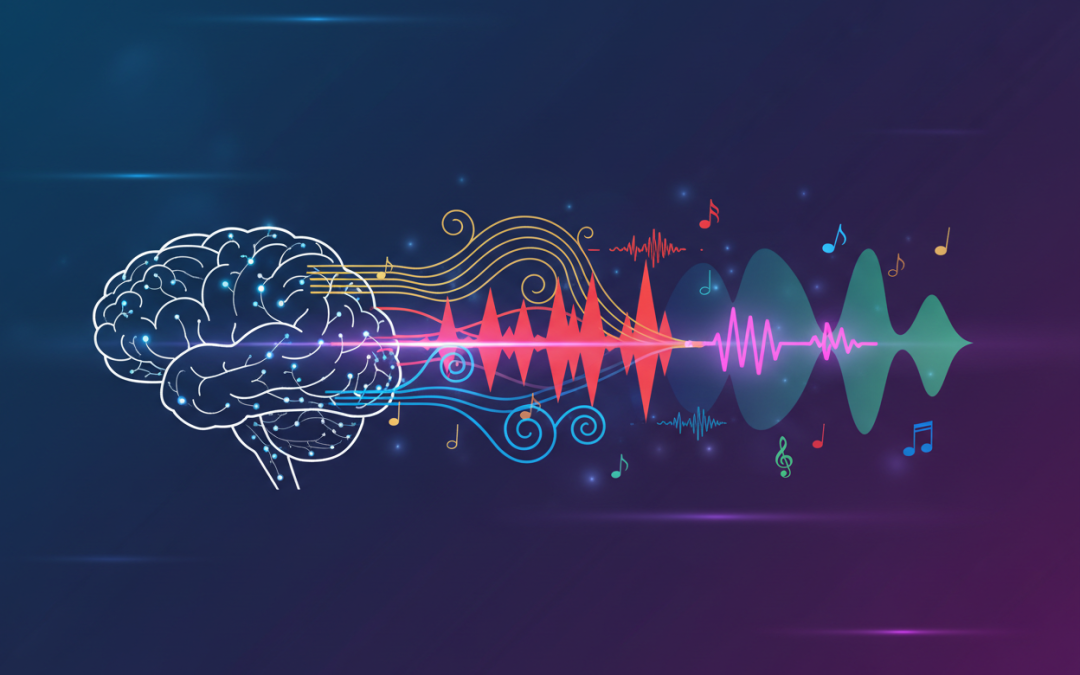
How Different Music Genres Affect Your Brainwave Patterns: The Science Behind Sound and Mind
Have you ever noticed how a thunderous rock anthem gets your heart pumping, while a gentle classical piece seems to slow down time itself? There’s actual science behind these experiences. Music doesn’t just touch our emotions—it literally rewires our brain activity, creating measurable changes in our brainwave patterns that researchers can observe and study.
Understanding how different music genres affect our brainwaves opens up fascinating possibilities for using sound as a tool for productivity, relaxation, creativity, and even healing. Whether you’re a music lover curious about the science behind your favorite tunes or someone looking to optimize your mental state through strategic listening, this exploration into music and brainwaves will change how you think about your playlist.
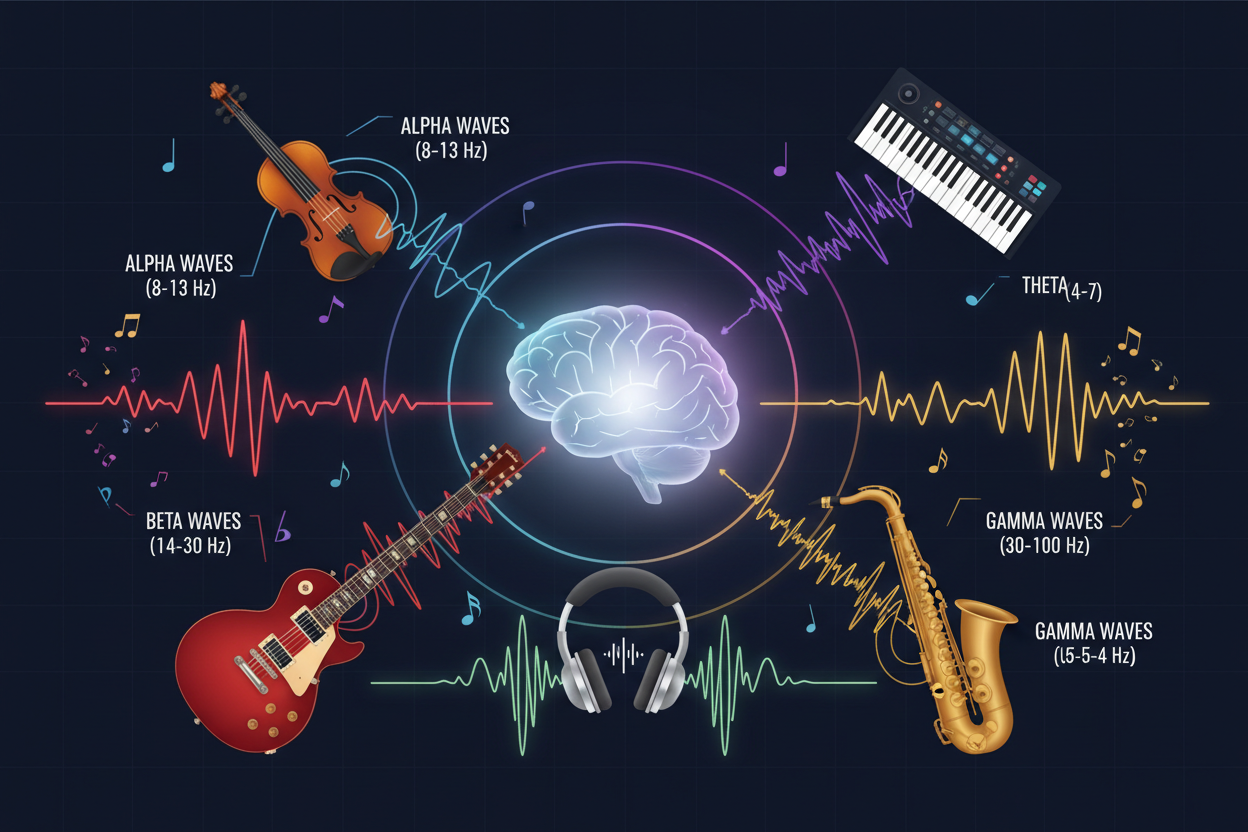
Table of Contents
1. Understanding Brainwave Patterns and Frequency Ranges
2. The Science Behind Music and Brain Activity
3. Classical Music: The Alpha Wave Generator
4. Electronic and Ambient Music: Gateway to Theta States
5. Rock and Heavy Metal: Beta Wave Stimulation
6. Jazz and Improvisational Music: Creativity and Gamma Waves
7. Binaural Beats and Engineered Frequencies
8. Practical Applications for Daily Life
9. Individual Variations and Personal Response
10. Frequently Asked Questions
Understanding Brainwave Patterns and Frequency Ranges
Before diving into how specific genres affect our minds, let’s establish what brainwaves actually are. Your brain constantly produces electrical activity as neurons communicate with each other. This activity creates rhythmic patterns that scientists measure in cycles per second, or Hertz (Hz).
There are five primary brainwave categories, each associated with different mental states. Delta waves (0.5-4 Hz) dominate during deep sleep and healing. Theta waves (4-8 Hz) appear during light sleep, meditation, and creative states. Alpha waves (8-13 Hz) emerge during relaxed awareness and calm focus. Beta waves (13-30 Hz) characterize active thinking and problem-solving. Finally, gamma waves (30-100 Hz) occur during intense concentration and moments of insight.
What makes this particularly fascinating is that external stimuli—especially rhythmic ones like music—can influence which brainwave patterns become dominant. This phenomenon, called “brainwave entrainment,” explains why certain songs can instantly shift your mental state.
The Science Behind Music and Brain Activity
Neuroscientists have discovered that music activates more areas of the brain simultaneously than almost any other activity. When you listen to music, your auditory cortex processes the sounds, but that’s just the beginning. Your motor cortex responds to rhythm, your limbic system processes emotions, and your prefrontal cortex analyzes patterns and predicts what comes next.
Research using EEG (electroencephalography) technology shows that different musical elements trigger distinct brainwave responses. Tempo tends to influence beta and gamma activity—faster beats generally increase higher-frequency brainwaves associated with alertness and energy. Harmony and melody primarily affect alpha and theta waves, with consonant harmonies promoting relaxation and dissonant ones creating tension and increased beta activity.
The volume and intensity of music also play crucial roles. Louder, more complex arrangements typically boost beta and gamma waves, while softer, simpler compositions encourage alpha and theta states. This explains why you might choose different music for studying versus working out versus winding down for sleep.
Classical Music: The Alpha Wave Generator
Classical music has earned a reputation as the ultimate brain booster, and research backs up this claim. Studies consistently show that baroque and classical compositions, particularly those with tempos between 60-70 beats per minute, promote alpha wave production. This creates an optimal state for learning, memory consolidation, and creative thinking.
The famous “Mozart Effect” isn’t just marketing hype—it’s based on real neurological changes. When participants listen to Mozart’s compositions, researchers observe increased alpha wave activity in regions associated with spatial-temporal reasoning. The structured, mathematical nature of classical music seems to create order in brain activity, leading to improved cognitive performance.
Composers like Bach, with his intricate fugues and precise mathematical relationships between notes, create particularly strong alpha wave responses. The predictable yet complex patterns in baroque music provide just enough stimulation to maintain attention while promoting a calm, focused state. This is why classical music remains a popular choice for study sessions and meditation practices.
Interestingly, different periods of classical music produce varying effects. Romantic-era pieces with their emotional intensity and dynamic changes can shift listeners toward theta states, promoting deeper emotional processing and introspection.
Electronic and Ambient Music: Gateway to Theta States
Electronic and ambient music genres excel at guiding listeners into theta brainwave states. These compositions often feature sustained tones, gradual transitions, and repetitive patterns that encourage the brain to slow down and synchronize with lower frequencies.
Artists like Brian Eno, who pioneered ambient music, specifically designed their compositions to alter consciousness. The long, sustained notes and minimal harmonic changes in ambient music reduce the brain’s analytical processing, allowing theta waves to emerge. This creates ideal conditions for meditation, creative visualization, and accessing subconscious insights.
Modern electronic music producers increasingly understand these principles, crafting tracks with specific brainwave entrainment goals. Downtempo electronic music, with its emphasis on slower beats and atmospheric textures, consistently produces theta and alpha wave activity. The synthetic nature of electronic sounds also allows for precise frequency control, enabling producers to target specific brainwave ranges more accurately than traditional instruments.
Drone music and dark ambient genres take this further, using extremely low frequencies and minimal variation to induce deep meditative states. These styles can guide listeners into theta and even delta wave patterns, making them powerful tools for stress relief and deep relaxation.
Rock and Heavy Metal: Beta Wave Stimulation
Rock and heavy metal music create dramatically different brainwave patterns compared to gentler genres. The driving rhythms, aggressive dynamics, and complex layering typical of rock music strongly stimulate beta wave activity. This increased beta activity correlates with heightened alertness, energy, and sometimes arousal or stress responses.
The fast tempos common in rock music—often 120-160 beats per minute or higher—naturally entrain the brain to higher frequency patterns. When combined with distorted guitars, powerful drums, and intense vocals, these elements create a neurological state similar to high-energy physical activity. This explains why rock music is so effective for workouts and why it can feel energizing even when you’re sitting still.
Heavy metal takes these effects even further. The extreme dynamics, complex rhythms, and aggressive timbres in metal music can push brainwave activity well into the gamma range. While this might sound overwhelming, research suggests that metal fans actually use this intense stimulation for emotional regulation and stress relief. The music provides a safe outlet for processing intense emotions while maintaining cognitive control.
Progressive rock and metal, with their complex time signatures and intricate compositions, create unique patterns of alternating brainwave states. These genres can shift listeners between different frequency ranges within a single song, creating dynamic mental experiences that many find intellectually stimulating.
Jazz and Improvisational Music: Creativity and Gamma Waves
Jazz music creates some of the most interesting and complex brainwave patterns of any genre. The improvisational nature of jazz, combined with its sophisticated harmonic structures and syncopated rhythms, stimulates multiple brainwave frequencies simultaneously. This creates what researchers call “neural complexity”—a state associated with enhanced creativity and cognitive flexibility.
Studies of jazz musicians show increased gamma wave activity during improvisation, particularly in areas of the brain associated with creative expression and spontaneous thought. The unpredictable nature of jazz improvisation keeps the brain actively engaged, preventing it from falling into routine patterns. This constant adaptation and response to musical surprises exercises cognitive flexibility in ways that more predictable genres cannot.
The complex chord progressions in jazz also stimulate areas of the brain involved in pattern recognition and prediction. When a jazz musician plays an unexpected chord change or takes a solo in an unusual direction, listeners’ brains must rapidly adjust their predictions, creating bursts of gamma wave activity associated with “aha” moments and insight.
Free jazz and avant-garde improvised music push these effects to extremes, creating highly chaotic and unpredictable soundscapes that can induce altered states of consciousness. While not everyone finds these styles pleasant, they represent some of the most neurologically stimulating music available.
Binaural Beats and Engineered Frequencies
The emergence of binaural beats represents a scientific approach to brainwave entrainment. By playing slightly different frequencies in each ear—for example, 440 Hz in the left ear and 444 Hz in the right—the brain perceives a “phantom” beat at the difference frequency (4 Hz in this case). This phantom beat can directly entrain brainwaves to specific target frequencies.
Binaural beats allow for precise control over brainwave states in ways that traditional music cannot achieve. Want to promote theta waves for meditation? Use a binaural beat in the 4-8 Hz range. Need beta wave stimulation for focus? Try frequencies between 13-30 Hz. This precision has made binaural beats popular for everything from sleep induction to cognitive enhancement.
However, binaural beats work best when combined with pleasant musical content rather than used in isolation. Many modern composers create hybrid compositions that embed binaural beats within traditional musical structures, providing both the neurological precision of engineered frequencies and the emotional satisfaction of musical expression.
Isochronic tones represent another approach to brainwave entrainment, using rhythmic pulses at specific frequencies rather than binaural differences. These can be more effective for some people and don’t require headphones, making them more practical for group settings or background use.
Practical Applications for Daily Life
Understanding how music affects brainwaves opens up numerous practical applications for optimizing your daily mental states. For morning activation and energy, consider starting your day with upbeat rock, pop, or electronic music that stimulates beta wave activity. The driving rhythms and energetic melodies will help shift your brain from the slower frequencies of sleep to the alert, focused patterns needed for productivity.
During work or study sessions, classical music or instrumental ambient tracks can promote the alpha wave states ideal for sustained attention and learning. Avoid music with lyrics during cognitive tasks, as language processing can compete with other mental activities. The 60-70 BPM range found in many baroque pieces seems particularly effective for maintaining focus without distraction.
For creative work, consider jazz, world music, or experimental electronic genres that stimulate gamma wave activity and cognitive flexibility. The unpredictable elements in these styles can help break rigid thinking patterns and inspire innovative solutions. However, balance is key—too much stimulation can become distracting rather than inspiring.
Evening wind-down routines benefit from music that promotes theta and alpha waves. Ambient music, slow classical pieces, or nature sounds can help transition your brain from the active beta states of daytime to the relaxed frequencies that prepare you for sleep. Avoid stimulating music within two hours of bedtime, as it can maintain beta wave activity and interfere with natural sleep cycles.
Individual Variations and Personal Response
While general patterns exist in how music affects brainwaves, individual responses can vary significantly based on personal history, musical training, and neurological differences. Musicians, for example, often show different brainwave patterns when listening to music compared to non-musicians. Their trained brains automatically analyze technical aspects of performance, creating additional neural activity that can modify the typical genre-based responses.
Cultural background also influences brainwave responses to music. Rhythmic patterns and scales that feel natural and relaxing to someone from one musical tradition might seem strange or stimulating to someone from another background. This suggests that familiarity and positive associations play important roles in determining whether music will promote relaxation or arousal.
Age-related changes in hearing and brain function can also affect how different genres influence brainwave patterns. Older adults might respond differently to high-frequency electronic music, while children might show stronger entrainment responses to rhythmic music due to their developing neural plasticity.
The key is to pay attention to your own responses and experiment with different genres and styles. Keep a music journal noting how different types of music affect your mood, energy, and cognitive performance. Over time, you’ll develop a personalized understanding of which musical choices support your specific goals and mental states.
Conclusion
The relationship between music genres and brainwave patterns reveals music to be far more than entertainment—it’s a powerful tool for influencing consciousness and optimizing mental states. From classical music’s alpha wave promotion to electronic music’s theta induction, from rock’s energizing beta stimulation to jazz’s creativity-enhancing gamma activity, each genre offers unique neurological benefits.
This scientific understanding doesn’t diminish music’s emotional and artistic value; rather, it adds another layer of appreciation for how deeply music affects our minds and bodies. By consciously choosing music that aligns with your desired mental state, you can harness these brainwave effects to enhance productivity, creativity, relaxation, and overall well-being.
As research in this field continues to evolve, we’re likely to see even more sophisticated applications of music for neurological enhancement. The future may bring personalized music prescriptions based on individual brainwave patterns, or compositions specifically designed to target particular cognitive goals. Until then, the simple act of choosing your music mindfully can provide immediate benefits for your mental state and daily performance.
Frequently Asked Questions
Can listening to specific music genres actually change my brainwave patterns permanently?
While music can temporarily influence brainwave patterns during and shortly after listening, permanent changes require consistent, long-term practice. Regular meditation with appropriate music, for example, can train your brain to more easily access relaxed alpha and theta states even without musical accompaniment.
How long does it take for music to affect brainwave patterns?
Brainwave entrainment can begin within seconds of hearing rhythmic music, but optimal effects typically develop over 5-15 minutes of listening. This is why many meditation and focus sessions recommend minimum durations in this range.
Is it safe to use binaural beats and brainwave entrainment music?
For most people, brainwave entrainment music is completely safe. However, individuals with epilepsy or certain neurological conditions should consult with healthcare providers before using these techniques, as rhythmic stimulation can potentially trigger seizures in susceptible individuals.
Do I need special equipment to benefit from brainwave entrainment music?
While binaural beats require stereo headphones to work properly, most other forms of brainwave entrainment music work fine through regular speakers. High-quality audio equipment can enhance the experience but isn’t necessary for basic benefits.
Can children safely use brainwave entrainment music?
Children can generally benefit from appropriate brainwave entrainment music, particularly for relaxation and sleep. However, their developing brains may be more sensitive to these effects, so it’s wise to start with shorter sessions and gentler frequencies. Always supervise children’s use of these techniques.