
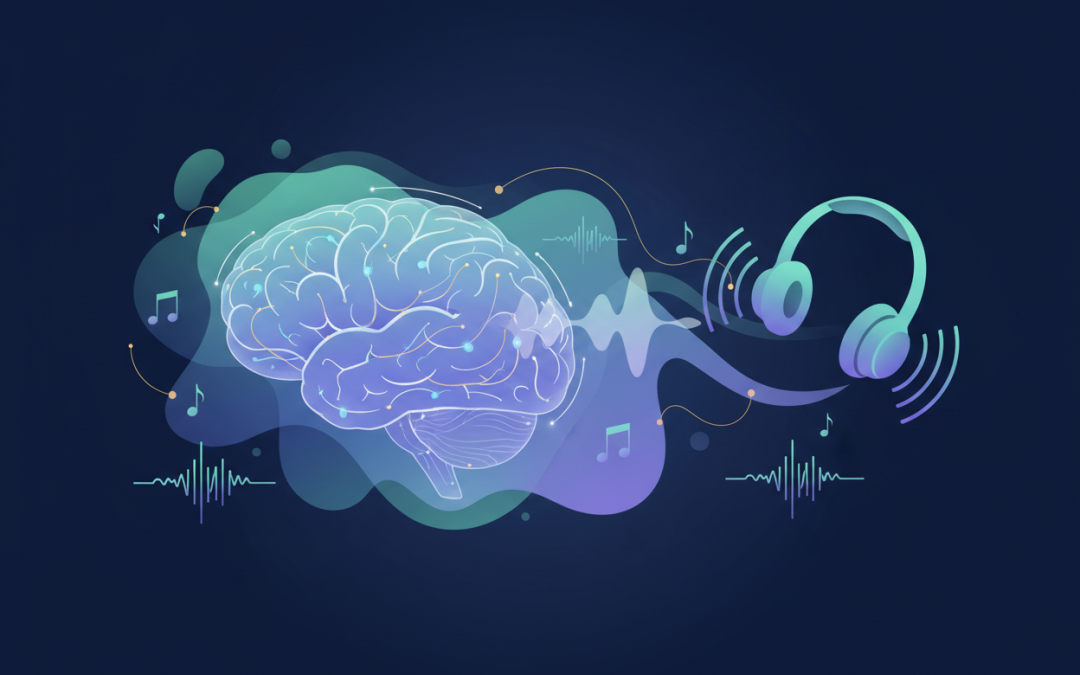
The Neuroscience of Relaxation: How Your Brain Responds to Sound
Table of Contents
1. Introduction to Sound and Brain Connection
2. The Brain’s Sound Processing Centers
3. How Relaxing Sounds Trigger Neurological Changes
4. The Science Behind Different Types of Calming Audio
5. Brainwave Patterns and Sound Therapy
6. Practical Applications for Daily Stress Relief
7. Research-Backed Benefits of Sound-Based Relaxation
8. Conclusion
9. Frequently Asked Questions
Introduction to Sound and Brain Connection
Have you ever noticed how the gentle patter of rain instantly calms your mind, or how your favorite song can shift your entire mood in seconds? There’s actual science behind these experiences. The relationship between sound and relaxation isn’t just poetic – it’s deeply rooted in neuroscience.
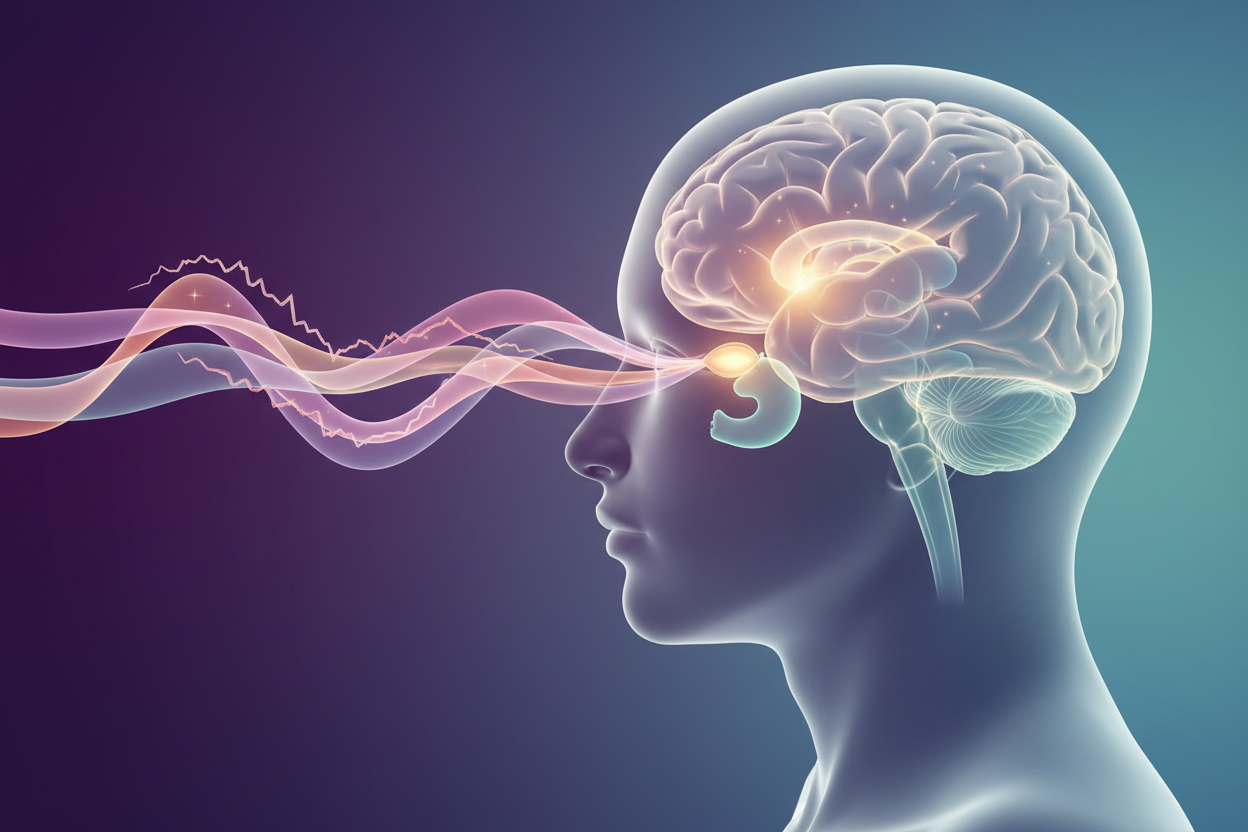
Your brain processes thousands of auditory signals every day, but certain sounds have a remarkable ability to activate your parasympathetic nervous system, essentially flipping your internal “relaxation switch.” Understanding this neurological process can help you harness the power of sound for better mental health and stress management.
In this comprehensive exploration, we’ll dive into the fascinating world of auditory neuroscience and discover how specific sounds can literally rewire your brain for calm. Whether you’re dealing with chronic stress, sleep issues, or simply want to optimize your relaxation routine, the science we’ll uncover offers practical insights you can apply immediately.
The Brain’s Sound Processing Centers
When sound waves reach your ears, they embark on a complex journey through your nervous system. The auditory cortex, located in your temporal lobe, serves as the primary processing center, but relaxation involves multiple brain regions working in harmony.
The limbic system, often called your “emotional brain,” plays a crucial role in how sounds affect your mood and stress levels. This ancient network includes the amygdala, which processes fear and anxiety, and the hippocampus, responsible for memory formation. When calming sounds reach these areas, they can override stress responses and promote feelings of safety and tranquility.
Your brainstem also contributes significantly to sound-induced relaxation. The reticular activating system filters incoming auditory information, determining what deserves your conscious attention. Predictable, gentle sounds often bypass this alert system, allowing your mind to drift into a more relaxed state without triggering vigilance responses.
Research has shown that the vagus nerve, connecting your brain to various organs, responds directly to certain sound frequencies. This connection explains why humming, chanting, or listening to low-frequency tones can create immediate physical sensations of calm throughout your body.
How Relaxing Sounds Trigger Neurological Changes
The moment relaxing sounds enter your auditory system, a cascade of neurochemical changes begins. Your brain starts reducing cortisol production while increasing the release of neurotransmitters like serotonin and dopamine, which promote feelings of well-being and contentment.
One of the most significant changes occurs in your autonomic nervous system. Calming sounds activate your parasympathetic branch, often called the “rest and digest” system. This activation slows your heart rate, lowers blood pressure, and promotes deeper breathing patterns. You might notice these changes within minutes of exposure to relaxing audio.
Neuroplasticity research reveals that regular exposure to calming sounds can actually reshape your brain’s structure over time. The neural pathways associated with stress response become less dominant, while relaxation pathways strengthen. This means that consistent sound therapy can create lasting changes in how your brain handles stress and anxiety.
The default mode network, active when your mind isn’t focused on specific tasks, also responds positively to certain sounds. Nature sounds and ambient music can help quiet the internal chatter that often fuels anxiety and rumination, allowing for genuine mental rest and restoration.
The Science Behind Different Types of Calming Audio
Not all sounds affect your brain equally. Different types of audio trigger distinct neurological responses, making some more effective for specific relaxation goals than others.
Nature sounds, particularly those with irregular but predictable patterns like ocean waves or rustling leaves, engage your brain’s pattern recognition systems without overwhelming them. These sounds often contain pink noise characteristics, which research shows can improve sleep quality and enhance cognitive function during rest periods.
Classical music, especially pieces with slow tempos and minimal dynamic changes, can synchronize with your brain’s natural rhythms. The mathematical relationships in classical compositions often mirror the golden ratio found throughout nature, creating an inherently pleasing neurological response that promotes relaxation.
Binaural beats represent a more targeted approach to sound therapy. When you hear slightly different frequencies in each ear, your brain creates a third “phantom” frequency equal to the difference between them. This phenomenon can guide your brainwaves toward specific states, such as the alpha waves associated with relaxed alertness or theta waves linked to deep meditation.
White noise and its colored variations work by masking disruptive environmental sounds while providing consistent auditory input. This consistency allows your nervous system to stop scanning for potential threats, facilitating deeper relaxation and improved focus.
Brainwave Patterns and Sound Therapy
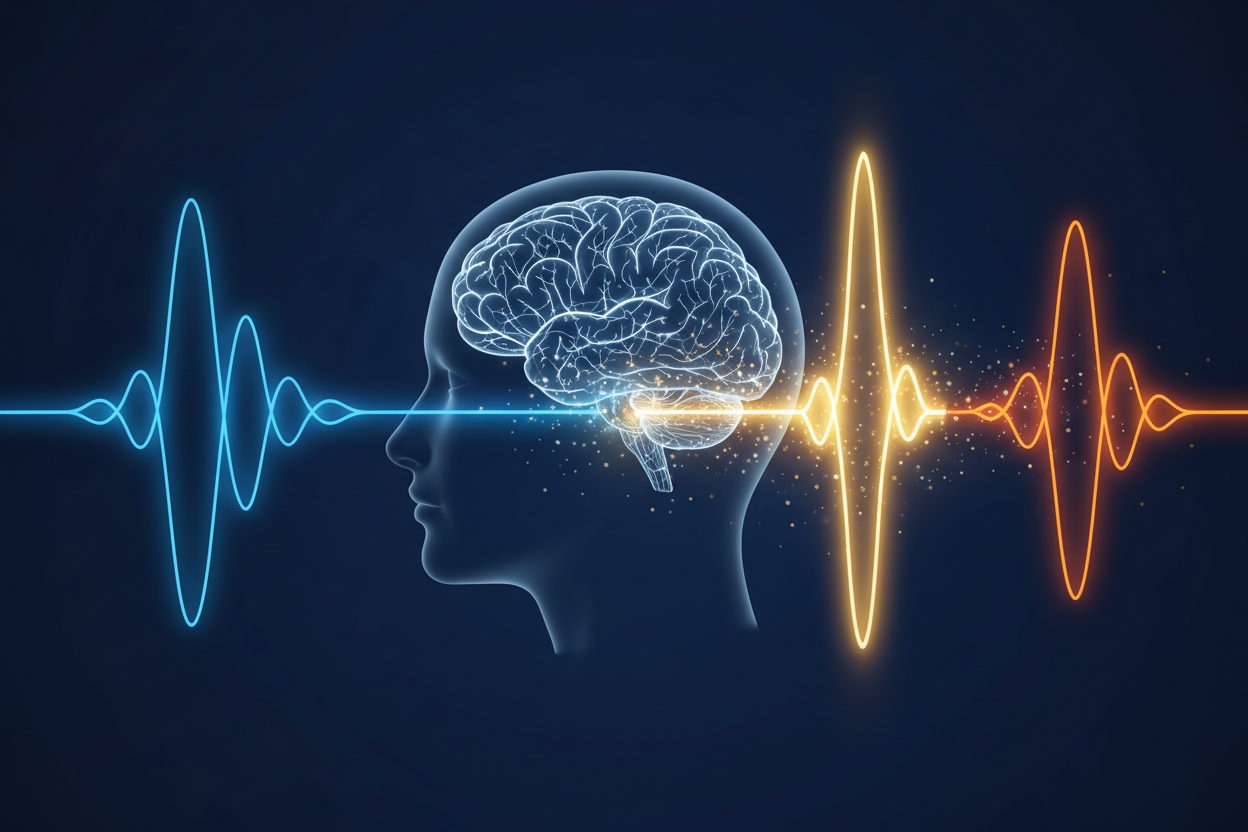
Your brain operates on electrical impulses that create measurable wave patterns, and sound can directly influence these brainwave states. Understanding this relationship opens up powerful possibilities for targeted relaxation interventions.
Beta waves, typically associated with active thinking and problem-solving, dominate when you’re stressed or anxious. Calming sounds can help shift your brain toward alpha waves, which occur during relaxed awareness. This transition often happens naturally when you listen to gentle music or nature sounds for 10-15 minutes.
Theta waves, present during deep meditation and light sleep, can be encouraged through specific sound frequencies around 4-8 Hz. Many people report profound relaxation experiences when listening to audio designed to promote theta states, often describing feelings of floating or deep inner peace.
Delta waves, the slowest brainwave pattern associated with deep sleep and healing, can also be influenced by sound therapy. Low-frequency tones and carefully crafted soundscapes can help guide your brain toward these restorative states, particularly when used as part of a bedtime routine.
Gamma waves, while associated with heightened awareness, also play a role in relaxation when properly balanced. Some advanced sound therapy techniques aim to create coherent gamma activity, which research suggests may enhance overall brain function and emotional regulation.
Practical Applications for Daily Stress Relief
Understanding the neuroscience of sound and relaxation becomes truly valuable when you apply it to your daily life. Here are evidence-based strategies for incorporating sound therapy into your routine.
Morning sound rituals can set a calm tone for your entire day. Starting with 5-10 minutes of nature sounds or gentle instrumental music helps activate your parasympathetic nervous system before stress accumulates. Many people find that this practice improves their resilience to daily challenges.
Workplace stress management becomes more effective when you understand which sounds work best in different environments. Noise-canceling headphones with pink noise or ambient soundscapes can create a personal oasis of calm, even in busy office settings. The key is choosing sounds that mask distractions without becoming distracting themselves.
Evening wind-down routines benefit enormously from strategic sound use. Gradually transitioning from higher-energy audio to progressively calmer sounds helps guide your brain through the natural shift toward sleep readiness. This might involve moving from soft jazz to nature sounds to pure silence over the course of an hour.
Micro-relaxation sessions throughout your day can leverage quick sound interventions. Even 2-3 minutes of focused listening to calming audio can reset your nervous system and improve your ability to handle subsequent stressors. The cumulative effect of these brief sessions often surprises people with its power.
Research-Backed Benefits of Sound-Based Relaxation
Scientific studies consistently demonstrate measurable benefits from sound-based relaxation techniques, validating what many have experienced intuitively for centuries.
Sleep quality improvements represent one of the most robust findings in sound therapy research. Studies show that people who listen to relaxing music or nature sounds before bed experience deeper sleep, fewer nighttime awakenings, and better morning alertness. The effects often persist even after the audio stops playing.
Anxiety reduction through sound therapy has been documented across various populations, from hospital patients to students facing exams. Neuroimaging studies reveal decreased activity in brain regions associated with worry and rumination, along with increased activation in areas linked to emotional regulation and self-soothing.
Cognitive performance benefits emerge when the brain achieves optimal relaxation states through sound therapy. Research indicates improved memory consolidation, enhanced creativity, and better problem-solving abilities following periods of sound-induced relaxation. This suggests that strategic rest periods with appropriate audio can actually boost productivity.
Physical health markers also improve with regular sound therapy practice. Studies document lower blood pressure, reduced inflammation markers, and improved immune function among individuals who consistently use sound-based relaxation techniques. These changes reflect the deep connection between mental relaxation and physical well-being.
Conclusion
The neuroscience of relaxation reveals that your brain’s response to sound is far more sophisticated and powerful than you might have imagined. From the moment calming audio reaches your ears, complex neurological processes begin reshaping your mental state, activating healing systems, and promoting genuine restoration.
This understanding empowers you to make informed choices about your relaxation practices. Whether you’re drawn to nature sounds, classical music, or cutting-edge binaural beats, you now know that these preferences aren’t just personal taste – they reflect your brain’s unique wiring and needs.
The practical applications are limitless. By incorporating evidence-based sound therapy techniques into your daily routine, you’re not just managing stress in the moment – you’re literally training your brain to become more resilient and better equipped to handle life’s challenges.
As research in this field continues to evolve, we’re discovering even more sophisticated ways that sound can support mental health and well-being. The future of relaxation therapy lies in this intersection of ancient wisdom and modern neuroscience, offering hope for more effective, accessible, and enjoyable approaches to stress management and personal growth.
Frequently Asked Questions
How long does it take for relaxing sounds to affect the brain?
Most people begin experiencing neurological changes within 2-5 minutes of listening to calming sounds. However, deeper brainwave shifts and more profound relaxation typically occur after 10-20 minutes of consistent exposure.
Can sound therapy replace other relaxation techniques?
While sound therapy is highly effective, it works best as part of a comprehensive relaxation approach. Combining it with techniques like deep breathing, meditation, or progressive muscle relaxation often produces superior results compared to any single method alone.
Are there any negative effects of sound-based relaxation?
Sound therapy is generally very safe, but some people may experience headaches from binaural beats or feel agitated by certain frequencies. It’s important to choose sounds that feel genuinely pleasant and to avoid excessive volume levels.
Do I need special equipment for sound therapy?
Basic sound therapy can be practiced with any audio device and regular headphones or speakers. However, higher-quality audio equipment can enhance the experience, and noise-canceling headphones are particularly helpful in noisy environments.
How often should I practice sound-based relaxation?
Daily practice yields the best results for long-term brain changes and stress resilience. Even 10-15 minutes per day can produce measurable benefits, though longer sessions may be helpful during particularly stressful periods.
Can children benefit from sound therapy for relaxation?
Yes, children’s brains are particularly responsive to sound-based relaxation techniques. Nature sounds and gentle music can be especially effective for helping children manage anxiety, improve sleep, and develop emotional regulation skills.