
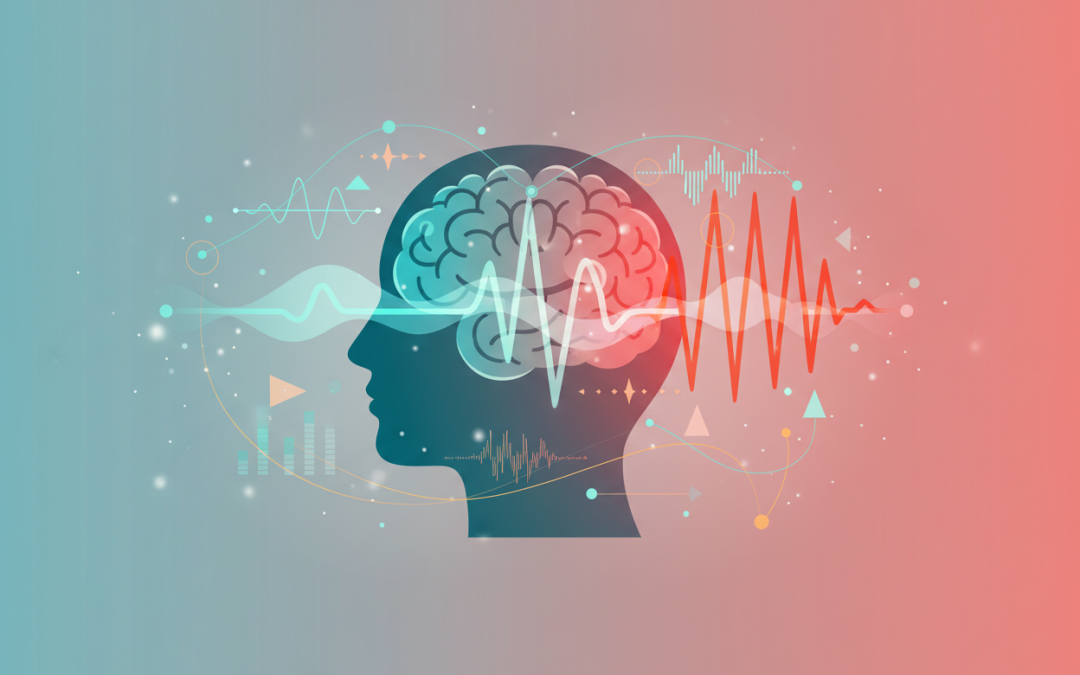
The Role of Beta Waves in Anxiety and How to Balance Them
Table of Contents
1. Understanding Beta Waves: The Brain’s High-Speed Network
2. The Connection Between Beta Waves and Anxiety
3. Signs of Excessive Beta Wave Activity
4. Natural Ways to Balance Beta Waves
5. Meditation and Mindfulness Techniques
6. Lifestyle Changes for Better Brain Wave Balance
7. Professional Treatment Options
8. Building Long-term Beta Wave Management Strategies
9. Frequently Asked Questions
Have you ever wondered why your mind sometimes feels like it’s racing at a million miles per hour? Or why certain situations trigger an overwhelming sense of worry that seems impossible to shake off? The answer might lie in the intricate electrical patterns dancing through your brain – specifically, something called beta waves.
As someone who’s spent years researching the fascinating world of neuroscience, I’ve discovered that understanding our brain waves can be the key to unlocking better mental health. Today, we’re diving deep into beta waves and their complex relationship with anxiety, exploring practical strategies that can help you regain control over your mental state.
Understanding Beta Waves: The Brain’s High-Speed Network
Beta waves are electrical impulses that occur when your brain is actively engaged in mental activities. Operating at frequencies between 12-30 Hz, these waves represent your brain’s “awake and alert” state. Think of them as your mental engine running at high RPMs – perfect for problem-solving, decision-making, and focused attention.
When functioning optimally, beta waves help you tackle complex tasks, engage in meaningful conversations, and navigate daily challenges with clarity and precision. They’re the reason you can concentrate during an important meeting or solve a challenging puzzle. However, like any powerful system, beta waves can sometimes work against us when they become overactive.
The brain produces different types of beta waves throughout the day. Low beta waves (12-15 Hz) support relaxed yet focused attention, while mid-range beta waves (15-20 Hz) enhance analytical thinking and problem-solving. High beta waves (20-30 Hz) can either fuel peak performance or, when excessive, contribute to stress and anxiety.
The Connection Between Beta Waves and Anxiety
Here’s where things get particularly interesting – and personally relevant for many of us. When beta wave activity becomes excessive or imbalanced, it can create a perfect storm for anxiety disorders. Imagine your brain’s electrical system stuck in overdrive, constantly scanning for threats and problems that may not even exist.
Research has consistently shown that individuals with anxiety disorders often exhibit elevated beta wave activity, particularly in the brain’s frontal regions. This hyperactivity creates a cascade of effects: racing thoughts, difficulty concentrating, physical tension, and that familiar feeling of being “wired but tired.”
I’ve observed this pattern countless times in both research settings and real-life scenarios. When beta waves dominate our brain’s electrical landscape, we become trapped in cycles of overthinking, worry, and hypervigilance. The brain essentially becomes hypersensitive to potential stressors, interpreting neutral situations as threatening.
This connection isn’t just theoretical – it’s measurable and observable through EEG technology. Studies have demonstrated that anxiety sufferers show significantly higher beta wave amplitudes compared to individuals without anxiety disorders, particularly during stressful situations or when anticipating potential problems.
Signs of Excessive Beta Wave Activity
Recognizing the symptoms of beta wave imbalance is crucial for taking corrective action. While we can’t directly feel our brain waves, we can certainly experience their effects on our mental and physical well-being.
Mental symptoms often include persistent racing thoughts that jump from one worry to another without resolution. You might find yourself catastrophizing situations, creating elaborate “what-if” scenarios that feel incredibly real and urgent. Concentration becomes challenging as your mind struggles to filter out irrelevant thoughts and focus on the task at hand.
Physical manifestations are equally telling. Excessive beta activity often translates into muscle tension, particularly in the neck, shoulders, and jaw. Sleep disturbances become common as the overactive mind struggles to wind down at bedtime. Some people experience headaches, digestive issues, or a general feeling of restlessness that makes relaxation nearly impossible.
Emotionally, you might notice increased irritability, impatience, or a sense of being constantly “on edge.” Simple decisions become overwhelming, and you may find yourself seeking excessive reassurance from others or avoiding situations that trigger your anxiety response.
Natural Ways to Balance Beta Waves
The good news is that beta wave activity isn’t fixed – it’s remarkably malleable and responsive to various interventions. Through consistent practice and lifestyle adjustments, you can train your brain to produce more balanced wave patterns.
Breathing techniques represent one of the most accessible and immediate tools for beta wave regulation. Deep, diaphragmatic breathing activates the parasympathetic nervous system, naturally encouraging the brain to shift from high beta into more balanced frequencies. I recommend the 4-7-8 technique: inhale for 4 counts, hold for 7, and exhale for 8. This pattern specifically targets the nervous system’s relaxation response.
Progressive muscle relaxation offers another powerful approach. By systematically tensing and releasing different muscle groups, you create a feedback loop that signals your brain to reduce beta wave production. Start with your toes and work upward, holding tension for 5 seconds before releasing completely.
Engaging in creative activities naturally shifts brain wave patterns toward more balanced states. Whether it’s drawing, playing music, writing, or crafting, creative pursuits encourage the brain to enter flow states characterized by balanced alpha and theta waves rather than excessive beta activity.
Meditation and Mindfulness Techniques
Meditation stands as perhaps the most scientifically validated method for balancing brain waves. Regular meditation practice literally rewires the brain, reducing baseline beta activity while enhancing your ability to shift between different wave states as needed.
Mindfulness meditation, in particular, teaches the brain to observe thoughts without becoming entangled in them. This observational stance naturally reduces the reactive beta wave patterns that fuel anxiety cycles. Even 10-15 minutes of daily practice can produce measurable changes in brain wave patterns within weeks.
Focused attention meditation, where you concentrate on a single object like your breath or a mantra, specifically trains the brain to maintain calm alertness without slipping into hyperactive beta states. The key is consistency rather than duration – regular short sessions prove more effective than occasional lengthy ones.
Body scan meditation offers another excellent approach for beta wave balance. By systematically focusing attention on different body parts, you encourage the brain to shift from analytical beta patterns into more receptive alpha and theta states. This practice also helps develop interoceptive awareness – the ability to sense internal body signals that often precede anxiety spikes.
Lifestyle Changes for Better Brain Wave Balance
Your daily habits profoundly influence brain wave patterns, often in ways you might not expect. Sleep quality represents perhaps the most critical factor – inadequate or poor-quality sleep disrupts the brain’s natural wave cycling, leading to compensatory increases in beta activity during waking hours.
Establishing consistent sleep hygiene practices creates the foundation for balanced brain waves. This includes maintaining regular sleep and wake times, creating a cool, dark sleeping environment, and avoiding screens for at least an hour before bedtime. The blue light from electronic devices specifically stimulates beta wave production, making it harder to transition into sleep-promoting wave patterns.
Dietary choices also play a significant role in brain wave regulation. Caffeine, while useful in moderation, can overstimulate beta wave production when consumed excessively. Similarly, blood sugar fluctuations from irregular eating patterns or high-sugar foods can trigger compensatory beta wave spikes as the brain attempts to maintain alertness during energy crashes.
Regular physical exercise serves as a natural beta wave regulator. Moderate aerobic activity encourages the production of neurotransmitters like GABA and serotonin, which naturally calm excessive beta activity. However, timing matters – intense exercise close to bedtime can actually increase beta waves when you need them to decrease.
Professional Treatment Options
While self-help strategies prove effective for many people, some situations require professional intervention. Neurofeedback therapy represents one of the most targeted approaches for beta wave imbalance. This treatment uses real-time EEG monitoring to help individuals learn conscious control over their brain wave patterns.
During neurofeedback sessions, you receive immediate feedback about your brain wave activity through visual or auditory cues. Over time, this training helps your brain learn to self-regulate more effectively, reducing excessive beta activity and promoting more balanced patterns. Research shows particularly promising results for anxiety disorders, with many individuals experiencing lasting improvements after completing treatment protocols.
Cognitive-behavioral therapy (CBT) approaches the problem from a different angle, helping individuals identify and modify thought patterns that perpetuate excessive beta wave activity. By learning to challenge catastrophic thinking and develop more balanced perspectives, you can reduce the mental fuel that drives overactive beta patterns.
In some cases, medication may be necessary to restore brain wave balance. Anti-anxiety medications can provide temporary relief while you develop long-term self-regulation skills. However, medication works best when combined with behavioral interventions rather than used as a standalone solution.
Building Long-term Beta Wave Management Strategies
Sustainable beta wave balance requires a comprehensive, personalized approach that fits your unique lifestyle and preferences. Start by identifying your specific triggers – situations, thoughts, or environmental factors that consistently lead to beta wave spikes and anxiety symptoms.
Develop a toolkit of quick interventions you can use when you notice early warning signs of beta wave imbalance. This might include specific breathing techniques, brief mindfulness exercises, or physical movements that help reset your nervous system. The key is having multiple options available so you can choose the most appropriate response for each situation.
Create structured relaxation periods throughout your day, even if they’re just 2-3 minutes long. These brief breaks allow your brain to cycle out of sustained beta activity, preventing the buildup that leads to anxiety episodes. Think of them as pressure release valves for your nervous system.
Track your progress using simple metrics like sleep quality, mood ratings, or anxiety levels. This data helps you identify which interventions work best for your unique brain chemistry and lifestyle. Many people find that certain techniques work better at specific times of day or in particular situations.
Remember that brain wave patterns change gradually – expect to see subtle improvements over weeks and months rather than dramatic overnight changes. Consistency in your chosen practices matters far more than perfection in execution.
Understanding and balancing beta waves offers a powerful pathway to managing anxiety and improving overall mental well-being. While these electrical patterns in our brains might seem abstract, their effects on our daily lives are very real and very manageable.
The journey toward balanced brain waves isn’t about eliminating beta activity entirely – these waves serve important functions in keeping us alert and engaged with the world around us. Instead, it’s about developing the flexibility to shift between different brain states as situations require, preventing the stuck patterns that fuel anxiety disorders.
Whether you choose meditation, lifestyle modifications, professional treatment, or a combination of approaches, the key lies in consistent practice and patience with the process. Your brain’s remarkable neuroplasticity means that positive changes are always possible, regardless of how long you’ve struggled with anxiety or excessive beta wave activity.
Start small, be consistent, and remember that every step toward better brain wave balance is a step toward a calmer, more resilient you. The electrical symphony playing in your brain doesn’t have to be a source of distress – with the right knowledge and tools, it can become a foundation for lasting mental wellness.
Frequently Asked Questions
How long does it take to see changes in beta wave patterns?
Most people begin noticing subtle changes within 2-4 weeks of consistent practice with relaxation techniques or meditation. However, significant and lasting changes in brain wave patterns typically develop over 8-12 weeks of regular intervention. Individual results vary based on factors like baseline anxiety levels, consistency of practice, and overall health status.
Can I measure my own beta waves at home?
While professional EEG equipment provides the most accurate measurements, several consumer-grade devices can give you general feedback about your brain wave activity. However, it’s more practical to focus on the symptoms and feelings associated with beta wave imbalance rather than trying to measure the waves directly.
Are there any risks to reducing beta wave activity?
When done properly, beta wave balancing techniques are very safe. The goal isn’t to eliminate beta waves but to achieve better regulation. However, if you’re taking medication for anxiety or other mental health conditions, consult with your healthcare provider before making significant changes to your routine.
Can children experience beta wave imbalances?
Yes, children can experience excessive beta wave activity, often manifesting as difficulty concentrating, hyperactivity, or anxiety symptoms. However, children’s brains are still developing, so interventions should be gentler and age-appropriate. Simple breathing exercises, regular physical activity, and consistent sleep routines often prove very effective for young people.
Do beta wave patterns change with age?
Brain wave patterns do evolve throughout life, with some natural changes occurring as we age. However, the fundamental principles of beta wave balance remain consistent across age groups. Older adults might need to adjust techniques based on physical capabilities, but the core strategies for managing excessive beta activity remain effective throughout life.