
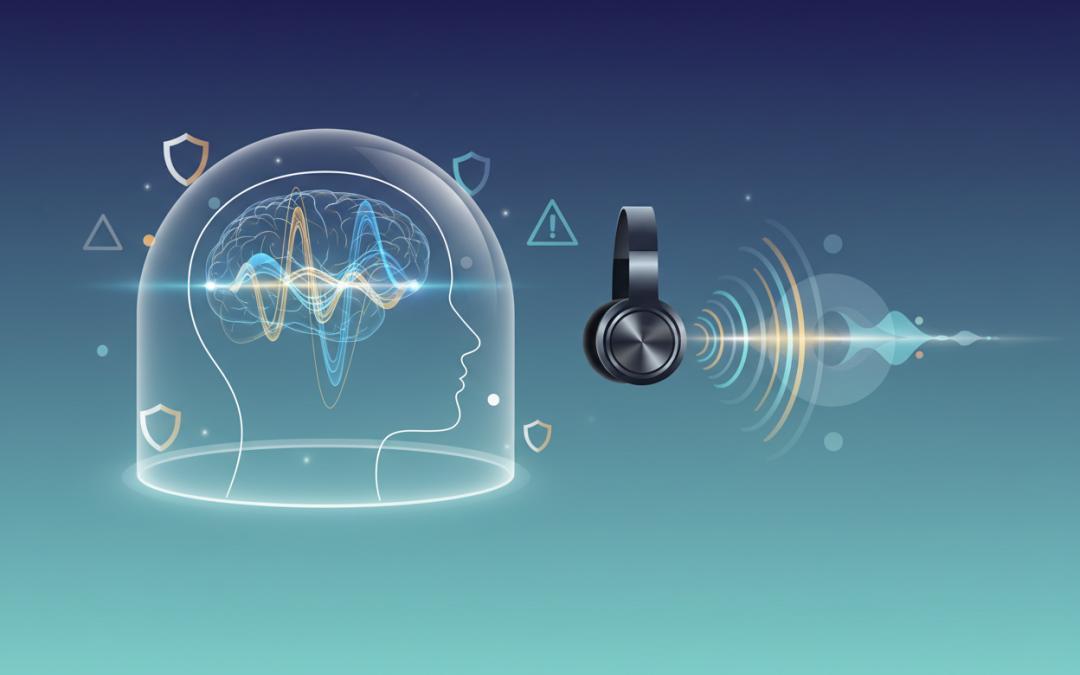
Brainwave Entrainment Safety: What You Need to Know
Table of Contents
1. Introduction to Brainwave Entrainment
2. Understanding How Brainwave Entrainment Works
3. Common Types of Brainwave Entrainment
4. Who Should Avoid Brainwave Entrainment
5. Potential Side Effects and Risks
6. Safe Usage Guidelines
7. Choosing Quality Brainwave Entrainment Products
8. When to Consult Healthcare Professionals
9. Conclusion
10. Frequently Asked Questions
Introduction to Brainwave Entrainment
If you’ve been exploring alternative wellness practices or meditation techniques, you’ve probably encountered brainwave entrainment. This fascinating technology promises to help synchronize your brainwaves with specific frequencies, potentially enhancing relaxation, focus, sleep, and even creativity. But like any tool that affects your brain function, it’s crucial to understand the safety considerations before diving in.
I’ve spent years researching and personally experimenting with various brainwave entrainment methods, and I can tell you that while the benefits can be remarkable, approaching this technology with proper knowledge and caution is essential. Today, we’ll explore everything you need to know about brainwave entrainment safety, helping you make informed decisions about whether and how to incorporate these techniques into your wellness routine.
Understanding How Brainwave Entrainment Works
Before we dive into safety considerations, let’s establish a clear understanding of what brainwave entrainment actually does. Your brain naturally produces electrical activity in the form of brainwaves, which operate at different frequencies depending on your mental state. These frequencies are typically categorized as delta (0.5-4 Hz), theta (4-8 Hz), alpha (8-13 Hz), beta (13-30 Hz), and gamma (30-100 Hz).
Brainwave entrainment works on the principle of frequency following response, where your brain naturally synchronizes with external rhythmic stimuli. When you expose your brain to specific audio, visual, or electromagnetic frequencies, it tends to match those patterns over time. Think of it like how your footsteps might naturally sync up with someone walking beside you.

This synchronization process isn’t instantaneous – it typically takes anywhere from a few minutes to half an hour for your brainwaves to fully entrain to the target frequency. The effectiveness can vary significantly between individuals, which is one of the first safety considerations we need to discuss.
Common Types of Brainwave Entrainment
Understanding the different methods of brainwave entrainment helps you assess potential risks and benefits for each approach. The most common types include binaural beats, isochronic tones, monaural beats, and light-based entrainment devices.
Binaural beats involve playing slightly different frequencies in each ear through headphones. Your brain perceives the mathematical difference between these frequencies as a rhythmic beat. For example, if you hear 440 Hz in your left ear and 444 Hz in your right ear, your brain processes a 4 Hz beat, potentially encouraging theta brainwave states.
Isochronic tones use evenly spaced pulses of sound that turn on and off rapidly. Unlike binaural beats, these don’t require headphones and can be more effective for some people. Monaural beats combine two frequencies before they reach your ears, creating an audible beating sound that your brain can follow.
Light-based entrainment, often called photic stimulation, uses flashing lights at specific frequencies to encourage brainwave synchronization. These are commonly found in specialized devices with LED arrays or light glasses.
Who Should Avoid Brainwave Entrainment
While brainwave entrainment is generally considered safe for healthy adults, certain groups should exercise extreme caution or avoid these techniques altogether. The most critical contraindication is epilepsy or any history of seizures. The rhythmic stimulation used in brainwave entrainment can potentially trigger seizures in susceptible individuals, particularly with light-based entrainment methods.
Pregnant women should also approach brainwave entrainment with caution. While there’s limited research on the effects during pregnancy, it’s generally recommended to avoid any techniques that significantly alter brainwave patterns during this sensitive time. The developing fetus could potentially be affected by changes in the mother’s neurological state.
Individuals with serious mental health conditions, including severe depression, bipolar disorder, or psychosis, should consult healthcare professionals before using brainwave entrainment. These techniques can potentially intensify existing symptoms or interfere with prescribed treatments. Children under 18 should only use brainwave entrainment under professional guidance, as their developing brains may respond differently to frequency stimulation.
People with pacemakers or other electronic medical devices should be particularly cautious with electromagnetic-based entrainment methods. While audio-based techniques are generally safe, any device that generates electromagnetic fields could potentially interfere with medical equipment.
Potential Side Effects and Risks
Even for those who can safely use brainwave entrainment, it’s important to be aware of potential side effects. The most commonly reported issues are relatively mild but can be uncomfortable if you’re not prepared for them.
Headaches are perhaps the most frequent complaint, especially when starting with brainwave entrainment or using sessions that are too long or intense. These typically result from your brain working to synchronize with unfamiliar frequencies. Starting with shorter sessions and gradually increasing duration can help minimize this issue.
Some people experience temporary disorientation or dizziness, particularly after sessions targeting very low frequencies like delta waves. This is usually brief but can be concerning if you need to drive or operate machinery immediately after a session. I always recommend scheduling entrainment sessions when you have time to fully return to normal awareness.
Emotional releases can occur, especially with deeper brainwave states. You might find yourself feeling unexpectedly emotional, anxious, or experiencing vivid memories. While this can be therapeutic for some, it can be overwhelming if you’re not prepared for it.
Sleep disruption is another potential side effect, particularly if you use stimulating frequencies like beta or gamma waves close to bedtime. Conversely, using deeply relaxing frequencies during the day might leave you feeling drowsy when you need to be alert.
Safe Usage Guidelines
Following proper safety guidelines can help you enjoy the benefits of brainwave entrainment while minimizing risks. Start slowly – this cannot be emphasized enough. Begin with sessions of 10-15 minutes and gradually increase as your brain adapts to the process.
Volume control is crucial, especially with audio-based entrainment. Keep volumes at comfortable levels to protect your hearing. If you need to raise your voice to speak over the audio, it’s too loud. Remember that the entrainment effect doesn’t require high volumes to be effective.
Timing matters significantly. Avoid using stimulating frequencies within a few hours of bedtime, and don’t use deeply relaxing frequencies when you need to remain alert. Plan your sessions around your daily schedule and responsibilities.
Stay hydrated before and after sessions. Brainwave entrainment can be mentally intensive, and proper hydration supports optimal brain function. Some practitioners also recommend avoiding alcohol or recreational drugs when using entrainment techniques, as these substances can unpredictably interact with the effects.
Create a safe environment for your practice. Ensure you’re in a comfortable position where you won’t fall or injure yourself if you become deeply relaxed. Remove any distractions and let others know you’ll be unavailable during your session.
Choosing Quality Brainwave Entrainment Products
The quality of brainwave entrainment products varies dramatically, and choosing reputable sources is essential for both safety and effectiveness. Look for products created by companies with transparent information about their methodology and research backing.
Avoid products making exaggerated claims or promising instant, dramatic results. Quality entrainment products typically include clear instructions, safety warnings, and realistic expectations about outcomes. They should also provide information about the specific frequencies used and the intended effects.
Free or very cheap products online may not have undergone proper quality control. While you don’t need to spend a fortune, investing in products from established companies with good reputations is generally worthwhile for safety and effectiveness.
Read user reviews carefully, but remember that individual responses to brainwave entrainment can vary significantly. What works wonderfully for one person might not be suitable for another. Look for patterns in reviews rather than isolated experiences.
When to Consult Healthcare Professionals
Certain situations warrant professional consultation before beginning brainwave entrainment. If you have any medical conditions affecting your brain or nervous system, including migraines, head injuries, or neurological disorders, speak with your healthcare provider first.
If you’re taking medications that affect brain function – including antidepressants, anti-anxiety medications, or sleep aids – discuss potential interactions with your doctor. While direct interactions are rare, the combined effects might be unpredictable.
Consider consulting a qualified practitioner if you’re interested in using brainwave entrainment for specific therapeutic purposes. Trained professionals can help you choose appropriate frequencies and protocols while monitoring your response to ensure safety.
Seek immediate medical attention if you experience any concerning symptoms during or after brainwave entrainment, including severe headaches, persistent dizziness, unusual visual disturbances, or any symptoms that might indicate a seizure.
Conclusion
Brainwave entrainment can be a valuable tool for enhancing relaxation, focus, and overall well-being when used safely and appropriately. The key is approaching it with proper knowledge, realistic expectations, and respect for your individual limitations and health status.
Remember that safety should always be your top priority. Start slowly, pay attention to your body’s responses, and don’t hesitate to seek professional guidance when needed. With proper precautions, many people find brainwave entrainment to be a beneficial addition to their wellness routines.
The field of brainwave entrainment continues to evolve, with ongoing research providing new insights into both benefits and safety considerations. Stay informed about developments in the field, and always prioritize evidence-based approaches over sensational claims.
Frequently Asked Questions
Q: Can brainwave entrainment be addictive?
A: Brainwave entrainment is not physically addictive, but some people may develop a psychological dependence on the relaxation or focus effects. This is generally not harmful, but it’s good to maintain balance in your wellness practices.
Q: How long does it take to see results from brainwave entrainment?
A: Some people notice immediate effects during their first session, while others may need several weeks of regular practice. Individual responses vary significantly based on factors like brain chemistry, stress levels, and overall health.
Q: Is it safe to use brainwave entrainment daily?
A: For most healthy adults, daily use is generally safe when following proper guidelines. However, it’s often beneficial to take occasional breaks to allow your brain to maintain its natural rhythm patterns.
Q: Can children use brainwave entrainment safely?
A: Children’s developing brains may respond differently to frequency stimulation. Any use in children should be under professional supervision and with age-appropriate protocols.
Q: What should I do if I experience negative side effects?
A: Stop the session immediately and allow yourself time to return to normal. If symptoms persist or are severe, consult a healthcare professional. Most mild side effects resolve quickly with rest and hydration.
Q: Can I use brainwave entrainment while taking medication?
A: While there are no known direct interactions, it’s best to consult with your healthcare provider, especially if you take medications affecting brain function or mood.