
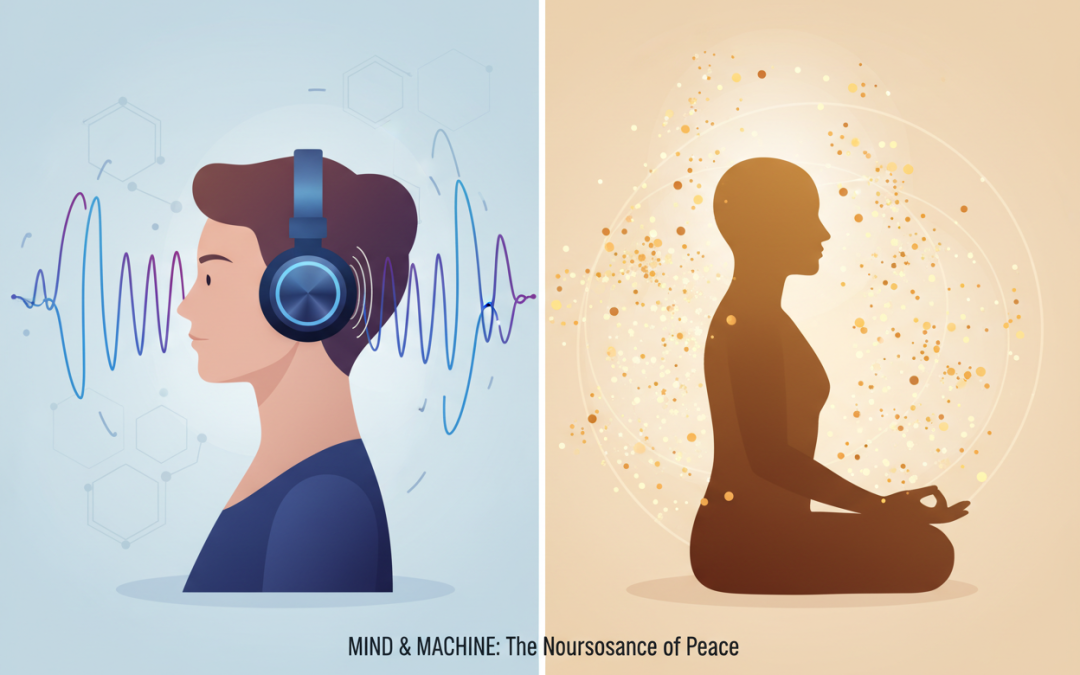
Brainwave Entrainment vs. Meditation: Which Is More Effective?
Table of Contents
1. Introduction
2. Understanding Brainwave Entrainment
3. The Science Behind Traditional Meditation
4. Comparing Effectiveness: Brainwave Entrainment vs. Meditation
5. Benefits of Brainwave Entrainment
6. Benefits of Traditional Meditation
7. Which Method Should You Choose?
8. Combining Both Approaches
9. Conclusion
10. Frequently Asked Questions
Introduction
In our fast-paced world, the quest for inner peace and mental clarity has led many to explore various techniques for achieving altered states of consciousness. Two methods that have gained significant attention are brainwave entrainment and traditional meditation. Both promise to reduce stress, enhance focus, and promote overall well-being, but they take distinctly different approaches to reach these goals.
If you’ve ever wondered whether listening to specially designed audio frequencies could be as effective as sitting in silent contemplation, you’re not alone. The debate between brainwave entrainment and meditation has captured the interest of researchers, wellness enthusiasts, and anyone seeking a practical path to mental tranquility.
This comprehensive guide will explore both methods, examining their scientific foundations, benefits, and effectiveness. By the end, you’ll have a clearer understanding of which approach might work best for your lifestyle and goals.
Understanding Brainwave Entrainment
Brainwave entrainment is a fascinating neurological phenomenon where your brain synchronizes its electrical activity to match external rhythmic stimuli. Think of it as your brain’s natural tendency to “tune in” to repetitive sounds, lights, or vibrations, much like how your footsteps might naturally align with a steady drumbeat.
This technique typically uses audio frequencies, known as binaural beats, to guide your brain into specific states. When you listen to two slightly different frequencies in each ear, your brain creates a third frequency that’s the mathematical difference between the two. For example, if you hear 440 Hz in your left ear and 444 Hz in your right ear, your brain generates a 4 Hz beat.
Different brainwave frequencies correspond to various mental states. Alpha waves (8-12 Hz) are associated with relaxation and creativity, while theta waves (4-8 Hz) are linked to deep meditation and REM sleep. Beta waves (13-30 Hz) dominate during active, focused thinking, and delta waves (0.5-4 Hz) occur during deep sleep.
Modern brainwave entrainment often incorporates sophisticated soundscapes, nature sounds, or ambient music to make the experience more pleasant and engaging. Some practitioners use light therapy or electromagnetic stimulation alongside audio frequencies for enhanced effects.
The Science Behind Traditional Meditation
Traditional meditation, practiced for thousands of years across various cultures, involves training your mind to achieve a state of focused awareness and inner calm. Unlike brainwave entrainment, which relies on external stimuli, meditation develops your innate ability to regulate your mental state through conscious effort and practice.
Scientific research has extensively documented meditation’s effects on the brain. Regular practice increases gray matter density in areas associated with learning, memory, and emotional regulation. It also strengthens the prefrontal cortex, which governs executive functions like decision-making and impulse control.
Meditation activates the parasympathetic nervous system, triggering the body’s relaxation response. This leads to decreased cortisol levels, lower blood pressure, and reduced inflammation markers. The practice also enhances neuroplasticity, your brain’s ability to form new neural connections and adapt to changes.
There are numerous meditation techniques, from mindfulness and loving-kindness meditation to transcendental meditation and zen practices. Each approach has its unique methodology, but they all share the common goal of cultivating present-moment awareness and mental clarity through sustained practice.
Comparing Effectiveness: Brainwave Entrainment vs. Meditation
When it comes to effectiveness, both brainwave entrainment and traditional meditation have their strengths, but they work through different mechanisms and may be better suited for different individuals and situations.
Research on brainwave entrainment shows promising results for quick stress relief and cognitive enhancement. Studies have found that binaural beats can improve working memory, reduce anxiety, and enhance mood within relatively short sessions. The immediate nature of these effects makes brainwave entrainment particularly appealing for people seeking rapid results.
Traditional meditation, however, has a much larger body of research supporting its long-term benefits. Decades of studies demonstrate that consistent meditation practice leads to structural brain changes, improved emotional regulation, and enhanced overall well-being. The effects tend to be more profound and lasting, but they require patience and regular practice to develop.
One key difference lies in the learning curve. Brainwave entrainment requires minimal skill or training – you simply put on headphones and listen. Traditional meditation, on the other hand, involves developing concentration, awareness, and the ability to observe your thoughts without judgment. This skill-building aspect means meditation becomes more effective over time as your practice deepens.
Benefits of Brainwave Entrainment
Brainwave entrainment offers several compelling advantages, particularly for beginners or those with busy lifestyles. The accessibility factor cannot be overstated – you can experience the benefits without years of training or the ability to quiet a restless mind.
Many users report immediate stress reduction and relaxation after just one session. This makes brainwave entrainment an excellent tool for acute stress management or when you need to unwind quickly after a challenging day. The technology can also target specific mental states, allowing you to choose frequencies designed for focus, creativity, or sleep enhancement.
For people who struggle with traditional meditation due to racing thoughts or difficulty concentrating, brainwave entrainment provides a guided approach that doesn’t require mental discipline. The external stimulus helps direct your brain toward the desired state, potentially making it easier to experience deep relaxation or heightened awareness.
Research suggests that brainwave entrainment may be particularly effective for improving cognitive performance, including working memory, attention span, and problem-solving abilities. Some studies have also shown benefits for sleep quality and pain management.
Benefits of Traditional Meditation
Traditional meditation’s benefits extend far beyond temporary relaxation, offering profound and lasting changes to both brain structure and function. Regular practitioners often report improved emotional stability, increased self-awareness, and a greater sense of inner peace that persists throughout their daily lives.
The practice develops what researchers call “meta-cognitive awareness” – the ability to observe your thoughts and emotions without being overwhelmed by them. This skill proves invaluable for managing stress, anxiety, and difficult life situations. You learn to respond rather than react, creating space between stimulus and response.
Long-term meditation practice has been linked to numerous health benefits, including reduced inflammation, improved immune function, and slower cellular aging. The practice also enhances emotional intelligence, empathy, and social connections, contributing to better relationships and overall life satisfaction.
Perhaps most importantly, meditation cultivates a sense of self-reliance and inner strength. Unlike external tools or technologies, your meditative abilities travel with you everywhere, providing a constant resource for maintaining mental balance and clarity.
Which Method Should You Choose?
The choice between brainwave entrainment and traditional meditation depends on your personal preferences, lifestyle, and goals. Consider your current stress levels, available time, and learning style when making this decision.
Brainwave entrainment might be ideal if you’re new to consciousness-altering practices, have limited time, or struggle with traditional meditation techniques. It’s also excellent for targeting specific states like improved focus for work or relaxation for sleep. The immediate results can provide motivation and demonstrate that altered states of consciousness are achievable.
Traditional meditation is better suited for those seeking profound, lasting change and who are willing to invest time in developing a practice. If you value self-reliance, enjoy the process of skill development, or are drawn to the philosophical aspects of contemplative practices, meditation offers a rich and rewarding path.
Your personality type also matters. If you’re naturally disciplined and enjoy quiet contemplation, meditation might feel more natural. If you prefer structured activities with clear guidance, brainwave entrainment could be more appealing.
Consider starting with brainwave entrainment to experience altered states quickly, then gradually incorporating traditional meditation as you become more comfortable with the territory of consciousness exploration.
Combining Both Approaches
Rather than viewing these methods as mutually exclusive, many practitioners find that combining brainwave entrainment and traditional meditation creates a synergistic effect that enhances both practices.
You might use brainwave entrainment as a stepping stone to deeper meditation states, allowing the audio frequencies to guide your brain into alpha or theta patterns before transitioning to silent meditation. This approach can help overcome initial difficulties with concentration while gradually building traditional meditation skills.
Another effective combination involves using brainwave entrainment for specific purposes like pre-sleep relaxation or work focus, while maintaining a regular traditional meditation practice for overall mental development and emotional balance.
Some practitioners use brainwave entrainment during walking meditation or other movement-based practices, creating a unique hybrid approach that combines the benefits of both methods with physical activity.
The key is experimentation and finding what works best for your unique situation and goals. Both methods have their place in a comprehensive approach to mental wellness and consciousness exploration.
Conclusion
The question of whether brainwave entrainment or traditional meditation is more effective doesn’t have a simple answer. Both methods offer valuable benefits and can significantly improve your mental well-being, but they serve different purposes and appeal to different preferences.
Brainwave entrainment excels at providing immediate results and accessibility, making it an excellent entry point for consciousness exploration or a practical tool for specific situations. Traditional meditation offers deeper, more lasting transformation but requires patience, practice, and commitment to develop fully.
Rather than choosing one over the other, consider how both methods might fit into your life. Your journey toward greater mental clarity, emotional balance, and inner peace doesn’t have to follow a single path. The most effective approach is often the one you’ll actually use consistently, whether that’s high-tech audio frequencies, ancient contemplative practices, or a thoughtful combination of both.
Ultimately, the goal isn’t to find the “perfect” technique but to discover what helps you cultivate the mental states and qualities you desire. Both brainwave entrainment and meditation offer powerful tools for this journey – the choice is yours to make based on your unique needs, preferences, and circumstances.
Frequently Asked Questions
How long should I practice brainwave entrainment or meditation to see results?
Brainwave entrainment can produce immediate effects within a single 15-30 minute session, though regular use enhances benefits. Traditional meditation typically shows initial stress-reduction effects within a few weeks of daily practice, with more profound changes developing over months or years.
Are there any side effects to brainwave entrainment?
Brainwave entrainment is generally safe for most people, but some may experience headaches, dizziness, or discomfort if the frequencies don’t suit them. People with epilepsy or certain neurological conditions should consult a healthcare provider before use.
Can I meditate while listening to binaural beats?
Yes, many people successfully combine meditation with brainwave entrainment. The audio frequencies can help guide your brain into meditative states, potentially making traditional meditation techniques easier to practice.
Which method is better for anxiety relief?
Both methods can effectively reduce anxiety. Brainwave entrainment may provide faster acute relief, while traditional meditation builds long-term resilience and emotional regulation skills that help prevent anxiety from arising.
Do I need special equipment for brainwave entrainment?
Basic brainwave entrainment only requires stereo headphones and access to binaural beat audio files. Some practitioners use specialized devices with light therapy or electromagnetic stimulation, but these aren’t necessary for experiencing benefits.