
How to Choose the Right Headphones for Binaural Beats: Your Complete Guide to Enhanced Audio Experience
Table of Contents
1. Understanding Binaural Beats and Their Requirements
2. Essential Features to Look for in Binaural Beat Headphones
3. Different Types of Headphones for Binaural Beats
4. Top Headphone Specifications That Matter
5. Budget Considerations and Value for Money
6. Common Mistakes to Avoid When Buying
7. Maintenance and Care Tips
8. Frequently Asked Questions
Introduction
If you’ve ever tried listening to binaural beats through cheap earbuds or low-quality speakers, you know the frustration of missing out on their full potential. I learned this the hard way when I first discovered binaural beats for meditation and focus enhancement. The difference between using proper headphones and subpar audio equipment is like night and day.
Binaural beats require specific audio conditions to work effectively, and choosing the right headphones can make or break your experience. Whether you’re using binaural beats for relaxation, sleep improvement, focus enhancement, or meditation, the quality of your headphones directly impacts the effectiveness of these audio frequencies.
In this comprehensive guide, we’ll explore everything you need to know about selecting the perfect headphones for binaural beats, from technical specifications to practical considerations that will help you make an informed decision.
Understanding Binaural Beats and Their Requirements
Before diving into headphone selection, it’s crucial to understand what makes binaural beats special and why they have specific audio requirements. Binaural beats occur when your brain perceives a third frequency that’s the mathematical difference between two slightly different frequencies played in each ear.
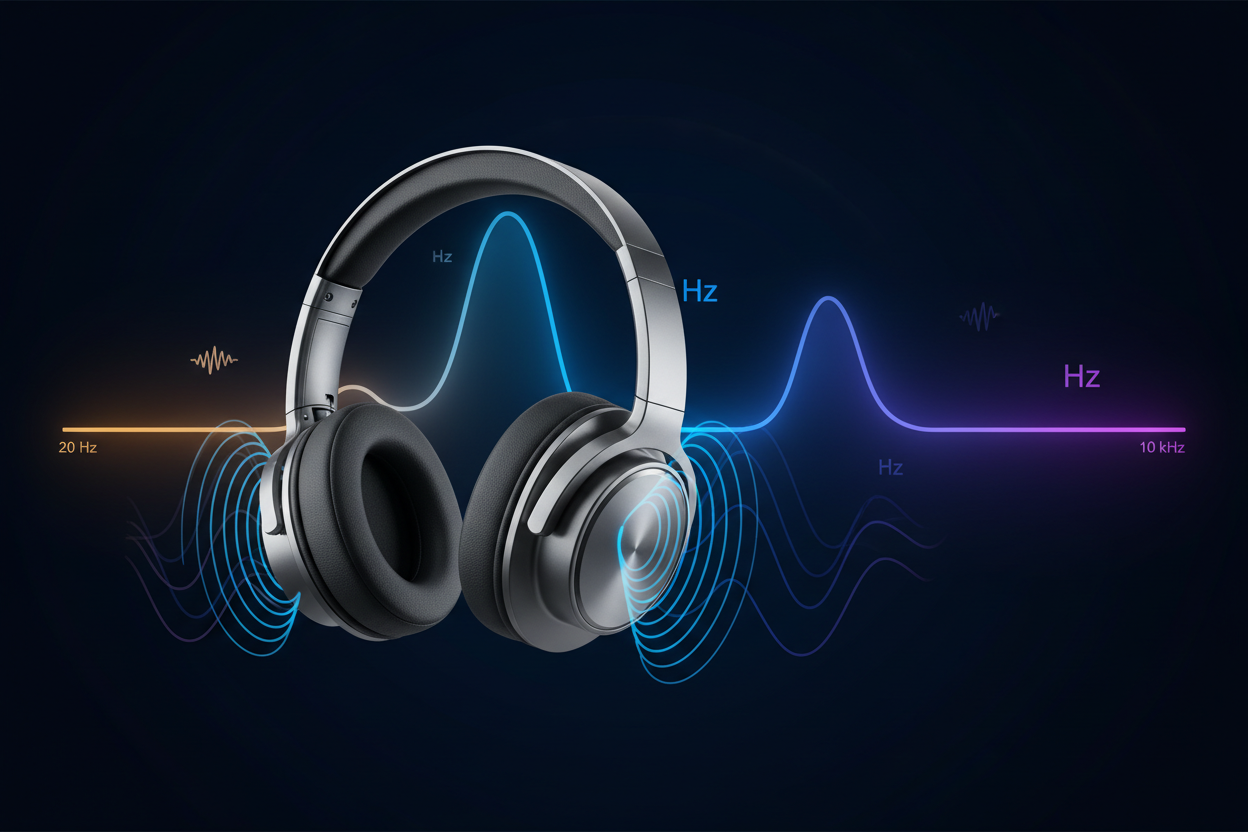
For example, if you hear a 440 Hz tone in your left ear and a 444 Hz tone in your right ear, your brain creates a binaural beat at 4 Hz. This phenomenon only works when each ear receives a distinct frequency, which is why headphones are essential rather than speakers.
The effectiveness of binaural beats depends on several factors: accurate frequency reproduction, proper stereo separation, and minimal audio distortion. Your headphones must be capable of delivering clean, precise audio across a wide frequency range while maintaining clear channel separation between left and right sides.
Essential Features to Look for in Binaural Beat Headphones
Frequency Response Range
The frequency response range is perhaps the most critical specification when choosing headphones for binaural beats. Look for headphones that can reproduce frequencies from at least 20 Hz to 20,000 Hz, which covers the full range of human hearing. Many binaural beats operate in lower frequency ranges, so strong bass response is particularly important.
I’ve found that headphones with extended low-frequency response down to 15 Hz or even 10 Hz provide a more immersive experience, especially for deep relaxation and sleep-inducing binaural beats that often utilize very low frequencies.
Stereo Separation and Channel Balance
Excellent stereo separation ensures that the left and right audio channels remain distinct, which is fundamental for binaural beat effectiveness. Poor channel separation can cause frequency bleeding between ears, disrupting the brain’s ability to create the desired binaural beat frequency.
Channel balance is equally important. If one side of your headphones is louder than the other, it can throw off the entire binaural beat experience. Quality headphones maintain consistent volume levels between left and right channels.
Comfort for Extended Use
Since binaural beat sessions often last 30 minutes to several hours, comfort becomes a non-negotiable feature. Look for headphones with well-padded ear cups, adjustable headbands, and breathable materials. The weight distribution should feel balanced, preventing neck strain during longer sessions.
Memory foam padding and soft fabric coverings can make a significant difference in comfort levels, especially if you plan to use your headphones for sleep or extended meditation sessions.
Different Types of Headphones for Binaural Beats
Over-Ear Headphones
Over-ear headphones are often considered the gold standard for binaural beats. They provide excellent sound isolation, superior comfort for long sessions, and typically offer the best frequency response and stereo separation. The larger drivers in over-ear models usually deliver more accurate bass reproduction, which is crucial for many binaural beat frequencies.
The main drawbacks include their size and potential heat buildup during extended use. However, for serious binaural beat enthusiasts, over-ear headphones often provide the most satisfying experience.
On-Ear Headphones
On-ear headphones offer a middle ground between portability and performance. They’re more compact than over-ear models while still providing decent sound quality and stereo separation. However, they may become uncomfortable during very long sessions and typically don’t isolate external noise as effectively.
These work well for shorter binaural beat sessions or when you need to remain somewhat aware of your surroundings.
In-Ear Monitors and Earbuds
While not ideal for all situations, high-quality in-ear monitors can work well for binaural beats, especially for mobile use or sleep applications. They’re lightweight, portable, and some models offer excellent frequency response and channel separation.
The key is choosing in-ear headphones with proper fit and seal. Poor-fitting earbuds can compromise bass response and stereo separation, reducing binaural beat effectiveness.
Top Headphone Specifications That Matter
Impedance and Sensitivity
Impedance affects how much power your headphones need to reach optimal volume levels. For binaural beats, you’ll want headphones that work well with your intended audio source. If you’re using a smartphone or tablet, look for headphones with lower impedance (32-80 ohms) for adequate volume without requiring additional amplification.
Sensitivity ratings tell you how loud your headphones will get with a given amount of power. Higher sensitivity means you can achieve comfortable listening levels with less power, which is beneficial for battery-powered devices.
Driver Size and Type
Larger drivers generally provide better bass response and overall sound quality, though this isn’t always the case. Dynamic drivers are most common and work well for binaural beats, offering good frequency response across the audible spectrum.
Planar magnetic and electrostatic drivers can provide exceptional accuracy but often come with higher price tags and may require dedicated amplification.
Build Quality and Durability
Since you’ll likely use your binaural beat headphones regularly, build quality matters. Look for reinforced headbands, quality cable connections, and durable materials. Removable cables can be a lifesaver if the cable fails, as this is often the first component to wear out.
Budget Considerations and Value for Money
You don’t need to spend a fortune to get headphones suitable for binaural beats, but there are some budget considerations to keep in mind. Entry-level options in the $50-100 range can work well if they meet the basic requirements of good frequency response and stereo separation.
Mid-range headphones ($100-300) often provide the best value for binaural beat enthusiasts, offering significant improvements in comfort, build quality, and audio accuracy without the premium pricing of high-end models.
Premium headphones ($300+) can provide exceptional experiences but may offer diminishing returns for binaural beat use specifically. The improvements in sound quality may be more noticeable for music listening than for the specific requirements of binaural beats.
Consider your usage patterns when budgeting. If you plan to use binaural beats daily for extended periods, investing in higher-quality, more comfortable headphones makes sense. For occasional use, mid-range options often provide excellent value.
Common Mistakes to Avoid When Buying
One of the biggest mistakes I see people make is prioritizing brand recognition over actual specifications. Some well-known consumer brands focus more on bass-heavy signatures for music rather than the balanced, accurate reproduction needed for binaural beats.
Another common error is choosing headphones based solely on price, either going too cheap and compromising effectiveness or overspending on features that don’t benefit binaural beat listening specifically.
Don’t overlook comfort factors. Headphones that sound great but become uncomfortable after 20 minutes won’t serve you well for longer binaural beat sessions. Always consider your intended use duration when evaluating comfort features.
Avoid headphones with excessive sound coloration or built-in audio processing. While these features might enhance music listening, they can interfere with the precise frequency reproduction needed for effective binaural beats.
Maintenance and Care Tips
Proper maintenance extends the life of your headphones and ensures consistent performance for binaural beat sessions. Clean your headphones regularly, especially the ear pads and drivers, using appropriate cleaning materials that won’t damage sensitive components.
Store your headphones properly when not in use. Avoid wrapping cables too tightly, which can cause internal wire damage over time. If your headphones came with a case or stand, use it to prevent physical damage and maintain their shape.
Pay attention to cable care, as this is often the first component to fail. Avoid pulling on cables and be gentle when connecting and disconnecting them from audio sources.
Monitor your headphones’ performance over time. If you notice channel imbalance, reduced frequency response, or physical damage, address these issues promptly to maintain optimal binaural beat effectiveness.
Conclusion
Choosing the right headphones for binaural beats doesn’t have to be overwhelming when you understand the key requirements and features that matter most. Focus on accurate frequency reproduction, excellent stereo separation, and comfort for your intended use duration.
Remember that the best headphones for binaural beats are the ones that meet your specific needs, budget, and usage patterns. Whether you choose over-ear, on-ear, or in-ear models, prioritize the technical specifications that ensure effective binaural beat reproduction over flashy features or brand names.
Take time to research and, if possible, test headphones before purchasing. Read reviews from other binaural beat users and consider your long-term needs. With the right headphones, you’ll unlock the full potential of binaural beats for relaxation, focus, sleep, and overall well-being.
The investment in quality headphones pays dividends in the effectiveness of your binaural beat sessions, making it easier to achieve your desired mental states and enjoy the full benefits of this fascinating audio technology.
Frequently Asked Questions
Q: Can I use wireless headphones for binaural beats?
A: Yes, but ensure they support high-quality audio codecs like aptX or LDAC to minimize compression artifacts that could affect binaural beat effectiveness. Some purists prefer wired connections for the most accurate audio reproduction.
Q: Do I need expensive headphones for binaural beats to work?
A: Not necessarily. While higher-quality headphones can enhance the experience, binaural beats can be effective with mid-range headphones that meet basic requirements for frequency response and stereo separation.
Q: What’s the minimum frequency response range I should look for?
A: Aim for at least 20 Hz to 20,000 Hz, but headphones extending down to 15 Hz or lower can provide better performance for deep relaxation and sleep-focused binaural beats.
Q: Are gaming headphones good for binaural beats?
A: Some gaming headphones can work well, especially those designed for competitive gaming that prioritize accurate audio reproduction. However, avoid models with heavy bass emphasis or virtual surround sound processing.
Q: How important is noise cancellation for binaural beats?
A: While not essential, noise cancellation can help create a more immersive experience by reducing external distractions. However, prioritize sound quality and comfort over noise cancellation if you must choose.
Q: Can I use earbuds instead of headphones?
A: High-quality earbuds or in-ear monitors can work for binaural beats, especially for portable use. Ensure they provide good seal and frequency response, though over-ear headphones typically offer superior comfort for longer sessions.