
Brainwave Patterns During Different Stages of Sleep: Understanding Your Mind’s Nighttime Journey
Table of Contents
1. Introduction to Sleep Brainwaves
2. The Science Behind Sleep Brainwave Patterns
3. Stage 1: Light Sleep and Theta Waves
4. Stage 2: Deep Sleep Spindles and K-Complexes
5. Stage 3: Slow-Wave Sleep and Delta Waves
6. REM Sleep: The Dream Stage and Beta Waves
7. How Sleep Brainwave Patterns Change Throughout the Night
8. Factors That Influence Sleep Brainwave Activity
9. Sleep Disorders and Abnormal Brainwave Patterns
10. Improving Your Sleep Quality Through Brainwave Understanding
11. Conclusion
12. Frequently Asked Questions
Introduction to Sleep Brainwave Patterns
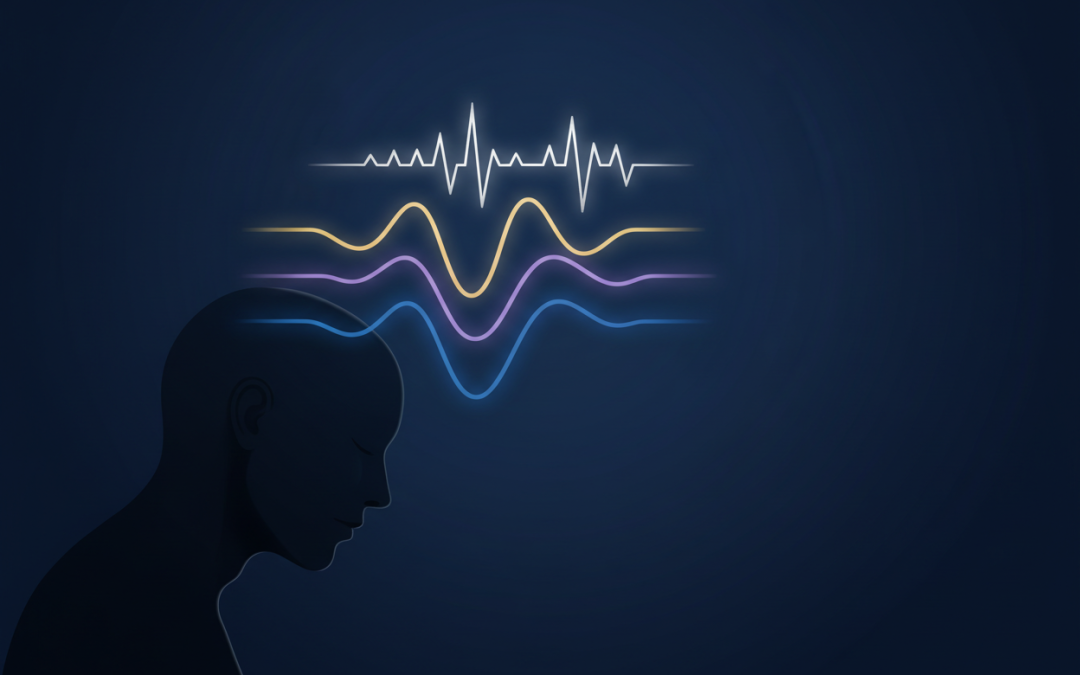
Have you ever wondered what happens inside your brain while you’re fast asleep? While your body rests, your mind embarks on a fascinating journey through different stages of consciousness, each characterized by unique brainwave patterns. These electrical signals, measured in cycles per second (Hz), tell an incredible story about how our brains process information, consolidate memories, and restore themselves during sleep.
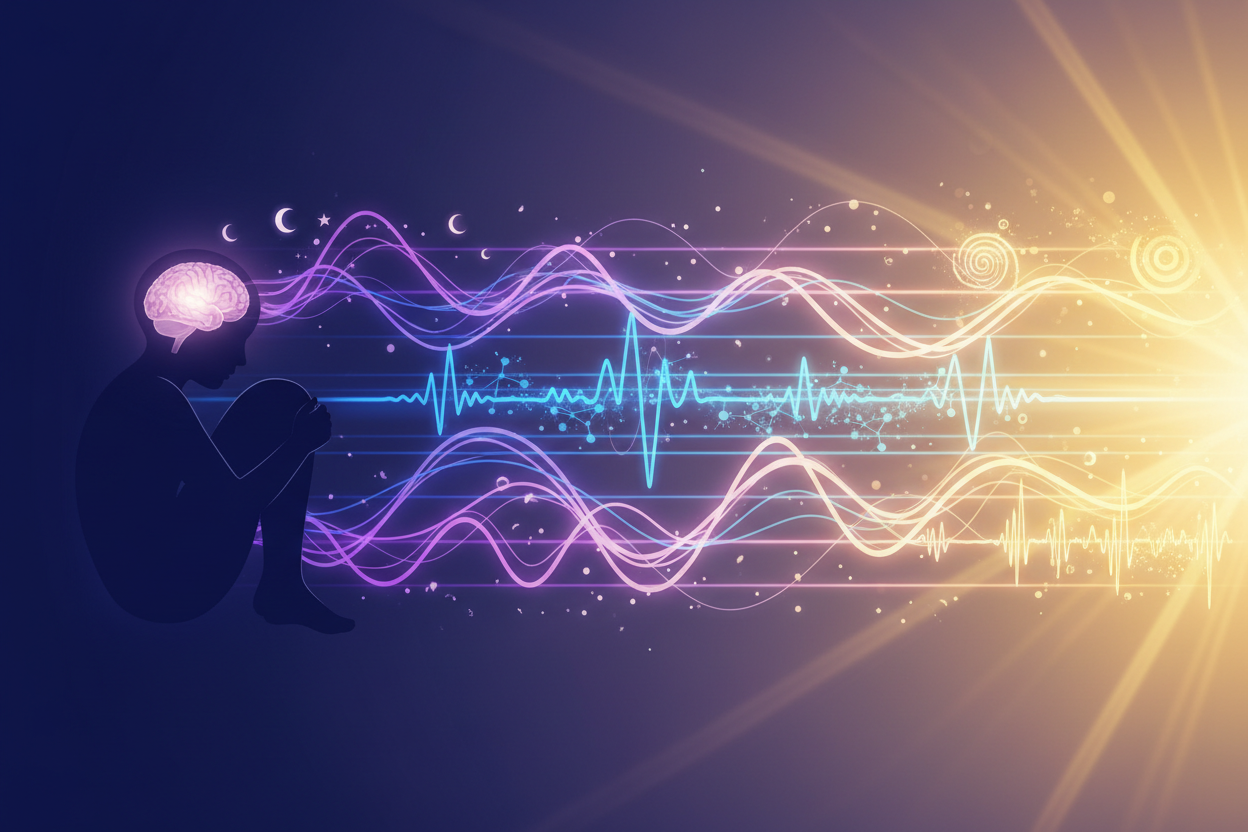
Understanding brainwave patterns during sleep isn’t just academic curiosity—it’s the key to unlocking better sleep quality and overall health. From the moment you close your eyes to when you wake up refreshed, your brain cycles through distinct stages, each serving crucial biological and psychological functions. Let’s dive deep into this nocturnal neural symphony and discover how these patterns shape our sleep experience.
The Science Behind Sleep Brainwave Patterns
Sleep brainwave patterns are electrical impulses generated by billions of neurons communicating simultaneously in your brain. Scientists measure these patterns using electroencephalography (EEG), which records the brain’s electrical activity through electrodes placed on the scalp. These measurements reveal distinct frequency ranges that correspond to different states of consciousness and sleep stages.

The human sleep cycle typically lasts 90 to 120 minutes and repeats throughout the night. During each cycle, your brain progresses through non-REM (NREM) sleep stages and REM sleep, with each stage producing characteristic brainwave frequencies. This intricate dance between different brainwave patterns ensures proper rest, memory consolidation, and physical restoration.
What makes this process truly remarkable is how precisely orchestrated it is. Your brain doesn’t randomly switch between different wave patterns—instead, it follows a carefully regulated sequence that optimizes recovery and prepares you for the next day’s challenges.
Stage 1: Light Sleep and Theta Waves
The journey into sleep begins with Stage 1, characterized by the transition from wakefulness to light sleep. During this initial phase, your brainwaves shift from the alert beta waves (13-30 Hz) of wakefulness to the more relaxed theta waves (4-8 Hz). This transition typically occurs within the first few minutes of falling asleep.
Theta waves during Stage 1 sleep create a drowsy, twilight state where you’re still somewhat aware of your surroundings but beginning to lose conscious control. You might experience hypnagogic hallucinations—those strange, dream-like images or sounds that seem to appear from nowhere. Your muscle activity decreases, and your eye movements slow down significantly.
This stage usually lasts only 5-10 minutes in healthy adults, but it’s crucial for initiating the sleep process. People often don’t realize they’ve been asleep if awakened during Stage 1, as the boundary between wakefulness and sleep feels surprisingly thin. The theta waves during this stage help your brain begin the process of disconnecting from external stimuli and preparing for deeper sleep phases.
Stage 2: Deep Sleep Spindles and K-Complexes
Stage 2 sleep represents a deeper level of unconsciousness, where your brain produces distinctive patterns called sleep spindles and K-complexes alongside continued theta wave activity. Sleep spindles are brief bursts of rhythmic brain activity (12-14 Hz) that last 0.5 to 2 seconds, while K-complexes are large, slow waves that appear as sharp peaks on EEG recordings.
These unique brainwave patterns serve as your brain’s natural gatekeepers, helping to maintain sleep by blocking external sensory information from reaching your consciousness. Sleep spindles, generated by the thalamus, act like a protective shield that prevents outside noises and disturbances from waking you up. The more sleep spindles you produce, the better you tend to sleep through the night.
During Stage 2 sleep, your heart rate and breathing slow down further, and your body temperature drops. This stage typically accounts for 45-55% of your total sleep time in healthy adults, making it the longest single stage of sleep. The combination of theta waves, sleep spindles, and K-complexes creates an optimal environment for your brain to begin more intensive restoration processes.
Stage 3: Slow-Wave Sleep and Delta Waves
Stage 3 sleep, also known as slow-wave sleep or deep sleep, is dominated by powerful delta waves (0.5-4 Hz). These are the slowest and largest brainwaves, creating a pattern that looks dramatically different from the faster waves of lighter sleep stages. Delta waves indicate that your brain has entered its most restorative phase of sleep.
During deep sleep, your brainwave patterns reflect intense restoration and recovery processes. This is when your body releases growth hormone, repairs tissues, and strengthens your immune system. Your brain also clears metabolic waste products, including proteins associated with neurodegenerative diseases. The slow, synchronized delta waves facilitate this crucial “housekeeping” function.
Deep sleep typically occurs more frequently during the first half of the night and becomes less prominent as morning approaches. Adults usually spend 15-20% of their total sleep time in Stage 3, though this percentage decreases with age. The quality and quantity of delta wave activity during this stage directly correlate with how refreshed and restored you feel upon waking.
REM Sleep: The Dream Stage and Beta Waves
REM (Rapid Eye Movement) sleep presents a fascinating paradox in brainwave patterns. Despite being asleep, your brain produces beta waves (13-30 Hz) similar to those during active wakefulness. This high-frequency activity explains why REM sleep is often called “paradoxical sleep”—your brain is highly active while your body remains paralyzed.
The brainwave patterns during REM sleep support intense dreaming and memory consolidation. Beta waves facilitate the vivid, often bizarre dreams that characterize this stage, while your brain processes emotions, consolidates procedural memories, and integrates new information with existing knowledge. The rapid eye movements that give this stage its name reflect the brain’s attempt to “see” the dream content.
REM sleep accounts for about 20-25% of total sleep time in healthy adults, occurring in longer periods toward morning. The combination of high-frequency brainwaves and temporary muscle paralysis creates a unique state where your mind can safely experience intense scenarios without physical consequences. This stage is crucial for emotional regulation, creativity, and learning consolidation.
How Sleep Brainwave Patterns Change Throughout the Night
Your sleep brainwave patterns don’t remain static throughout the night—they follow a predictable cycle that repeats approximately every 90-120 minutes. Early in the night, you spend more time in deep sleep stages with prominent delta waves, while REM periods are relatively short. As the night progresses, this pattern reverses: REM periods become longer and more frequent, while deep sleep becomes less prominent.
This changing pattern serves important biological functions. The early emphasis on slow-wave sleep allows for maximum physical restoration and memory consolidation, while the later increase in REM sleep supports emotional processing and creative problem-solving. Understanding this natural rhythm can help you optimize your sleep schedule and wake up during lighter sleep phases for easier awakening.
Individual variations in these patterns exist based on factors like age, lifestyle, and health status. Younger people typically show more pronounced slow-wave sleep, while older adults often experience fragmented sleep with reduced delta wave activity. Recognizing these natural changes can help set realistic expectations for sleep quality across different life stages.
Factors That Influence Sleep Brainwave Activity
Several factors can significantly impact your sleep brainwave patterns, affecting both the quality and structure of your sleep cycles. Age is perhaps the most significant factor—as we get older, we naturally produce fewer delta waves and experience more fragmented sleep patterns. This explains why older adults often report feeling less rested despite spending adequate time in bed.
Lifestyle choices also play crucial roles in shaping brainwave patterns during sleep. Caffeine consumption, especially later in the day, can suppress delta wave production and reduce deep sleep quality. Alcohol, while initially sedating, disrupts normal sleep architecture and reduces REM sleep. Exercise, particularly when performed regularly, enhances slow-wave sleep and improves overall sleep quality.
Environmental factors like room temperature, noise levels, and light exposure can alter normal brainwave patterns. Blue light from electronic devices suppresses melatonin production and can shift your circadian rhythm, affecting when and how your brain transitions between different sleep stages. Creating an optimal sleep environment supports natural brainwave progression throughout the night.
Sleep Disorders and Abnormal Brainwave Patterns
Various sleep disorders manifest as disruptions in normal brainwave patterns, providing valuable diagnostic information for healthcare providers. Sleep apnea, for instance, causes frequent micro-awakenings that fragment sleep cycles and reduce the amount of restorative slow-wave sleep. These disruptions appear as abnormal EEG patterns that interrupt the natural progression through sleep stages.
Insomnia often involves hyperarousal, where the brain produces more high-frequency waves than normal during sleep attempts. This makes it difficult to achieve and maintain the slower brainwave patterns necessary for restorative sleep. People with insomnia may show increased beta wave activity even during sleep stages where theta or delta waves should predominate.
Narcolepsy presents unique brainwave abnormalities, including rapid transitions into REM sleep and the intrusion of REM-like patterns into wakefulness. Understanding these disrupted patterns helps sleep specialists develop targeted treatment approaches that can restore more normal sleep architecture and improve patients’ quality of life.
Improving Your Sleep Quality Through Brainwave Understanding
Knowledge of sleep brainwave patterns can guide practical strategies for improving your sleep quality. Since delta waves are crucial for restoration, prioritizing conditions that promote deep sleep becomes essential. This includes maintaining a consistent sleep schedule, creating a cool, dark sleeping environment, and avoiding stimulants that might interfere with slow-wave sleep generation.
Relaxation techniques like meditation, deep breathing, and progressive muscle relaxation can help facilitate the transition from beta waves to the slower frequencies associated with sleep onset. These practices essentially train your brain to shift more efficiently into sleep-promoting brainwave patterns, making it easier to fall asleep and achieve deeper rest.
Some people benefit from biofeedback devices that monitor brainwave activity and provide real-time feedback about their sleep states. While not necessary for everyone, these tools can help individuals better understand their personal sleep patterns and identify factors that enhance or disrupt their natural sleep cycles.
Conclusion
Understanding brainwave patterns during different stages of sleep reveals the remarkable complexity and precision of our nightly restoration process. From the initial theta waves of light sleep through the powerful delta waves of deep sleep to the paradoxical beta waves of REM sleep, each pattern serves essential functions for our physical and mental well-being.
This knowledge empowers us to make informed decisions about our sleep habits and environment. By recognizing the importance of each sleep stage and its associated brainwave patterns, we can take steps to optimize our sleep quality and, consequently, our overall health and performance.
Remember that good sleep isn’t just about quantity—it’s about allowing your brain to progress naturally through these different stages and their characteristic brainwave patterns. When we respect and support these natural rhythms, we give our minds and bodies the best opportunity to restore, repair, and prepare for the challenges of each new day.
Frequently Asked Questions
Q: Can I measure my own brainwave patterns during sleep?
A: While professional sleep studies use sophisticated EEG equipment, consumer devices like sleep tracking wearables can provide basic information about sleep stages. However, these devices use movement and heart rate data rather than direct brainwave measurement, so they’re less precise than clinical EEG recordings.
Q: Do brainwave patterns during sleep change with age?
A: Yes, sleep brainwave patterns change significantly with age. Older adults typically produce fewer delta waves, experience more fragmented sleep, and have reduced REM sleep. These changes are normal but can affect sleep quality and restoration.
Q: How long should each sleep stage last?
A: In healthy adults, Stage 2 sleep comprises about 45-55% of total sleep time, deep sleep (Stage 3) accounts for 15-20%, and REM sleep makes up 20-25%. Stage 1 is typically brief, lasting only 5-10 minutes per cycle.
Q: Can meditation affect sleep brainwave patterns?
A: Yes, regular meditation practice can positively influence sleep brainwave patterns by promoting relaxation and making it easier to transition from waking beta waves to sleep-promoting slower frequencies. Many meditators report improved sleep quality and easier sleep onset.
Q: What happens if I don’t get enough deep sleep?
A: Insufficient deep sleep (delta wave sleep) can lead to feeling unrefreshed, reduced immune function, impaired memory consolidation, and decreased physical recovery. This stage is crucial for growth hormone release and cellular repair processes.
Q: Do sleep medications affect brainwave patterns?
A: Most sleep medications do alter natural brainwave patterns during sleep. While they may help with sleep onset, they often suppress certain stages like REM sleep or alter the natural progression through sleep cycles. It’s important to discuss these effects with a healthcare provider.