
How to Measure Your Brainwaves at Home: A Complete Guide to DIY Brain Monitoring
Table of Contents
1. Introduction: The Fascinating World of Brainwaves
2. Understanding Brainwaves: What Are They and Why Do They Matter?
3. Types of Brainwaves and Their Functions
4. Consumer-Grade EEG Devices for Home Use
5. Step-by-Step Guide to Measuring Brainwaves at Home
6. Popular Home Brainwave Monitoring Devices
7. Interpreting Your Brainwave Data
8. Practical Applications of Home Brainwave Monitoring
9. Limitations and Considerations
10. Tips for Accurate Home Brainwave Measurement
11. Conclusion
12. Frequently Asked Questions
Introduction: The Fascinating World of Brainwaves
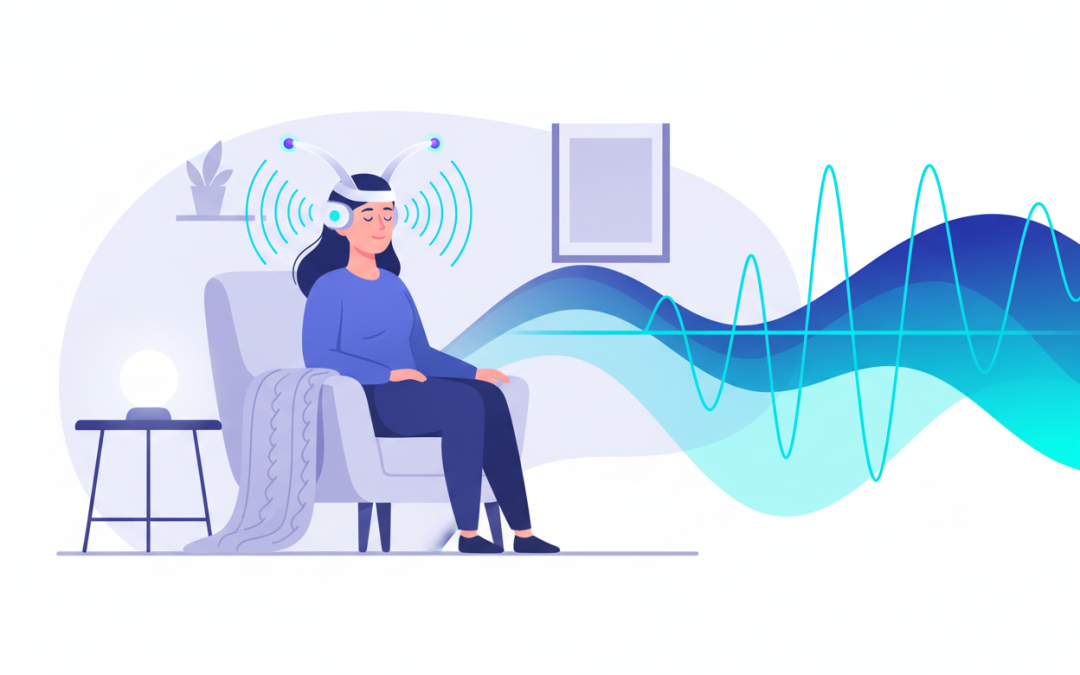
Have you ever wondered what’s really happening inside your brain when you’re deep in concentration, relaxing after a long day, or drifting off to sleep? The electrical activity in your brain creates patterns called brainwaves, and believe it or not, you can now measure these fascinating neural signatures from the comfort of your own home.
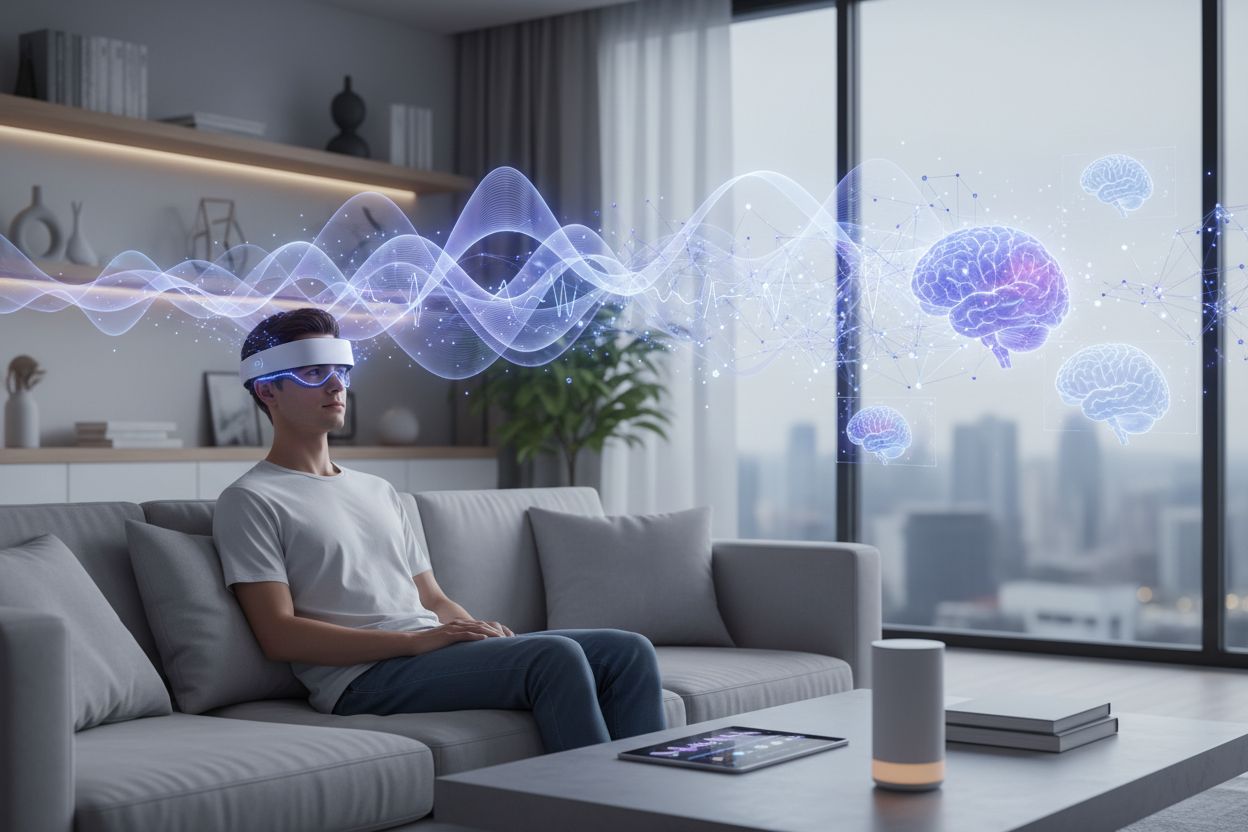
Gone are the days when brainwave monitoring was exclusively reserved for medical facilities and research laboratories. Thanks to advances in technology and the emergence of consumer-grade electroencephalography (EEG) devices, anyone can now peek into their brain’s electrical activity. Whether you’re curious about optimizing your meditation practice, improving your focus, or simply exploring the mysteries of your mind, home brainwave measurement has become more accessible than ever.
This comprehensive guide will walk you through everything you need to know about measuring your brainwaves at home, from understanding the science behind these neural patterns to choosing the right device and interpreting your results.
Understanding Brainwaves: What Are They and Why Do They Matter?
Brainwaves are essentially the electrical impulses produced by your brain’s billions of neurons communicating with each other. Think of your brain as a bustling city where millions of conversations are happening simultaneously – brainwaves are like the overall rhythm and pattern of this neural chatter.
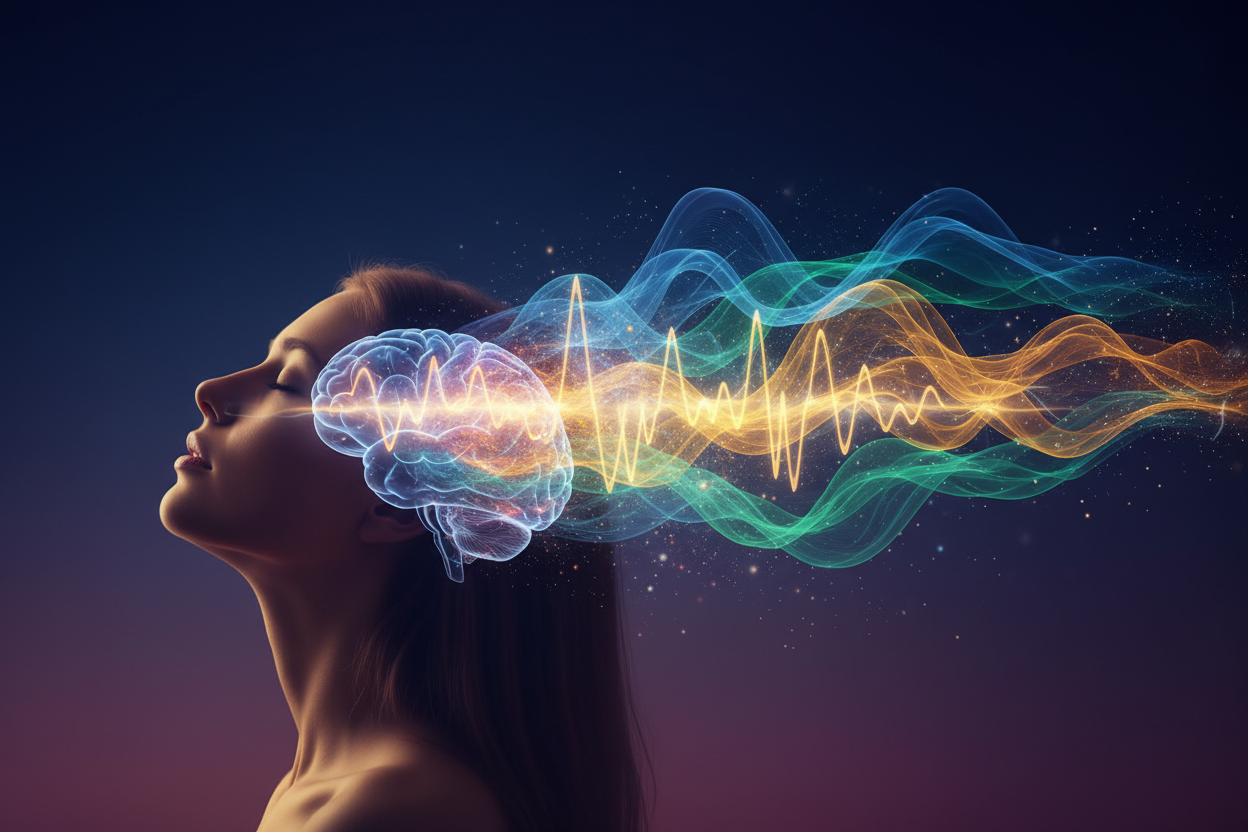
These electrical patterns can be measured using electroencephalography, a technique that places sensors on your scalp to detect the tiny electrical signals your brain produces. The frequency and amplitude of these signals tell us a lot about your mental state, level of consciousness, and cognitive processes.
What makes brainwave monitoring so intriguing is that different mental states produce distinctly different patterns. When you’re alert and focused, your brain generates different frequencies than when you’re relaxed or sleeping. By understanding and tracking these patterns, you can gain valuable insights into your mental performance and well-being.
Types of Brainwaves and Their Functions
Your brain produces five main types of brainwaves, each associated with different mental states and frequencies measured in Hertz (Hz):
Delta Waves (0.5-4 Hz): These are the slowest brainwaves, primarily associated with deep, dreamless sleep and unconscious processes. Delta waves are crucial for physical restoration and healing. When you wake up feeling refreshed after a good night’s sleep, you can thank your delta waves.
Theta Waves (4-8 Hz): Often called the “gateway to learning and memory,” theta waves occur during light sleep, deep meditation, and creative states. Many people experience theta waves during those moments of inspiration when great ideas seem to come out of nowhere.
Alpha Waves (8-13 Hz): These represent a calm, relaxed, yet alert state of mind. Alpha waves are prominent when you’re awake but not actively processing information – like when you’re daydreaming or practicing mindfulness. They’re often considered the bridge between conscious and subconscious mind.
Beta Waves (13-30 Hz): Associated with normal waking consciousness, active thinking, and problem-solving. When you’re engaged in conversation, working on a task, or making decisions, beta waves dominate your brain activity.
Gamma Waves (30-100 Hz): The fastest brainwaves, linked to high-level cognitive processing, heightened awareness, and moments of insight. Some researchers believe gamma waves play a role in consciousness itself and the binding of different brain regions into a unified experience.
Consumer-Grade EEG Devices for Home Use
The market for home brainwave monitoring devices has exploded in recent years, offering various options to suit different needs and budgets. These consumer-grade EEG devices typically use fewer sensors than medical-grade equipment, making them more affordable and user-friendly while still providing meaningful data.
Most home EEG devices fall into two categories: single-channel and multi-channel systems. Single-channel devices use one or two sensors and are generally more affordable and easier to use, while multi-channel systems provide more comprehensive data but require more setup time and technical knowledge.
These devices often connect to smartphone apps or computer software that visualize your brainwave data in real-time, making it easy to see how different activities and mental states affect your neural patterns. Many also include guided meditation sessions, neurofeedback training, and other features designed to help you optimize your mental performance.
Step-by-Step Guide to Measuring Brainwaves at Home
Step 1: Choose Your Device
Research and select a home EEG device that fits your budget and goals. Consider factors like ease of use, data accuracy, software features, and customer reviews.
Step 2: Set Up Your Environment
Find a quiet, comfortable space where you won’t be interrupted. Minimize electromagnetic interference by turning off unnecessary electronic devices and ensuring your phone is in airplane mode if not needed for the measurement.
Step 3: Prepare Your Scalp
Clean your forehead and the areas where sensors will be placed with a damp cloth to remove oils and improve signal quality. Some devices may require conductive gel, while others use dry sensors.
Step 4: Position the Device
Follow the manufacturer’s instructions to properly position the EEG headset or sensors. Ensure good contact between the sensors and your scalp, as poor connections will result in noisy or inaccurate readings.
Step 5: Calibrate and Begin Recording
Most devices require a brief calibration period where you’ll need to remain still with your eyes closed. Once calibrated, you can begin your measurement session.
Step 6: Maintain Proper Conditions
During measurement, minimize movement, blinking, and jaw clenching, as these can create artifacts in your data. Focus on breathing naturally and maintaining the mental state you want to measure.
Popular Home Brainwave Monitoring Devices
Several companies have developed reliable consumer EEG devices that make home brainwave monitoring accessible to everyone. While specific product recommendations can change as technology evolves, here are some categories to consider:
Meditation-Focused Devices: These are designed primarily for mindfulness and meditation training, offering real-time feedback to help improve your practice. They typically focus on detecting relaxed, meditative states and providing audio or visual cues to guide your sessions.
Sleep Monitoring Systems: Some devices specialize in tracking sleep-related brainwaves, helping you understand your sleep cycles and optimize your rest. These often work in conjunction with other sleep tracking technologies.
Neurofeedback Training Devices: These systems provide real-time brainwave feedback and training protocols designed to help you learn to control specific aspects of your brain activity. They’re often used for attention training and cognitive enhancement.
Research-Grade Consumer Devices: Higher-end consumer EEG systems offer more channels and better data quality, making them suitable for more serious research applications while still being accessible to non-professionals.
Interpreting Your Brainwave Data
Understanding your brainwave data requires some knowledge of what different patterns mean and how they relate to your mental states. Most consumer EEG devices come with software that provides basic interpretation, but learning to read the raw data can give you deeper insights.
When examining your brainwave patterns, look for the dominant frequency ranges during different activities. For example, you might notice increased alpha waves during relaxation, beta waves during focused work, or theta waves during creative activities.
Pay attention to the amplitude (strength) of different frequency bands, as this can indicate how strongly your brain is generating particular types of activity. Consistent patterns across multiple sessions are generally more meaningful than isolated readings.
Remember that brainwave patterns are highly individual, and what’s normal for one person may be different for another. The most valuable insights often come from tracking your own patterns over time and noting how they correlate with your subjective experiences and performance.
Practical Applications of Home Brainwave Monitoring
Home brainwave monitoring opens up numerous possibilities for self-improvement and optimization. Many people use it to enhance their meditation practice by receiving real-time feedback on their mental state, helping them achieve deeper levels of relaxation and focus.
Athletes and performers often use brainwave training to improve concentration and manage performance anxiety. By learning to generate specific brainwave patterns associated with optimal performance states, they can enhance their competitive edge.
Students and professionals may use brainwave monitoring to optimize their learning and work sessions, identifying when their brain is in the best state for different types of tasks. Some people track their patterns throughout the day to identify peak performance times.
Sleep optimization is another popular application, with users tracking their brainwaves to understand their sleep cycles and identify factors that affect sleep quality. This information can be invaluable for improving rest and recovery.
Limitations and Considerations
While home brainwave monitoring offers exciting possibilities, it’s important to understand its limitations. Consumer-grade EEG devices typically have lower resolution and fewer channels than medical equipment, which means they can’t capture the full complexity of brain activity.
Environmental factors can significantly affect readings. Muscle tension, eye movements, electrical interference, and even hair products can create artifacts in your data. Learning to recognize and minimize these sources of noise is crucial for obtaining reliable measurements.
It’s also important to remember that brainwave patterns are just one aspect of brain function. While they can provide valuable insights, they don’t tell the complete story of what’s happening in your mind. Correlation doesn’t always imply causation, and individual variations mean that general guidelines may not apply to everyone.
Home EEG devices are not medical devices and should not be used for diagnosing or treating medical conditions. If you have concerns about your brain health or neurological symptoms, consult with a healthcare professional who can provide appropriate medical evaluation and testing.
Tips for Accurate Home Brainwave Measurement
To get the most reliable and useful data from your home brainwave monitoring, consistency is key. Try to measure under similar conditions each time – same time of day, same environment, and same mental preparation routine.
Keep a log of your activities, mood, and any factors that might influence your brainwaves, such as caffeine consumption, stress levels, or sleep quality. This contextual information will help you interpret patterns in your data more effectively.
Take time to learn about your device’s capabilities and limitations. Understanding what your specific EEG system can and cannot measure will help you set realistic expectations and make better use of the data it provides.
Be patient with the learning process. Interpreting brainwave data is a skill that develops over time, and it may take several weeks or months of regular monitoring to identify meaningful patterns and correlations.
Consider combining brainwave monitoring with other forms of self-tracking, such as mood journals, performance metrics, or physiological measurements. This multi-dimensional approach can provide richer insights into the relationships between your brain activity and overall well-being.
Conclusion
Measuring your brainwaves at home represents an exciting frontier in personal health and performance optimization. With the right device and approach, you can gain unprecedented insights into your mental states and learn to optimize your brain function for better focus, relaxation, creativity, and overall well-being.
While consumer EEG technology has its limitations, it offers a valuable window into the electrical symphony playing in your brain every moment of every day. Whether you’re interested in improving your meditation practice, optimizing your work performance, or simply satisfying your curiosity about how your mind works, home brainwave monitoring can be a powerful tool for self-discovery and improvement.
As this technology continues to evolve, we can expect even more sophisticated and accessible options to become available. The key is to approach brainwave monitoring with realistic expectations, scientific curiosity, and a commitment to consistent practice. Your brain is incredibly complex and fascinating – now you have the tools to explore it from the comfort of your own home.
Frequently Asked Questions
Q: Are home EEG devices safe to use?
A: Yes, consumer EEG devices are generally very safe. They only measure electrical activity and don’t emit any signals or stimulation. However, people with certain medical conditions or implanted devices should consult their doctor before use.
Q: How accurate are consumer-grade EEG devices compared to medical equipment?
A: While not as precise as medical-grade equipment, quality consumer EEG devices can provide meaningful and reliable brainwave data for personal use. They typically have fewer channels and lower resolution but are sufficient for most home monitoring applications.
Q: Can I use home brainwave monitoring to diagnose medical conditions?
A: No, consumer EEG devices are not intended for medical diagnosis. They’re designed for wellness, training, and research purposes only. Any concerns about neurological health should be addressed by qualified medical professionals.
Q: How long does it take to see meaningful results from brainwave training?
A: This varies greatly among individuals. Some people notice changes in their ability to relax or focus within a few weeks, while others may need several months of consistent practice to see significant improvements.
Q: Do I need special software to analyze my brainwave data?
A: Most consumer EEG devices come with their own apps or software that provide basic analysis and visualization. For more advanced analysis, there are third-party programs available, though these typically require more technical knowledge to use effectively.
Q: Can medications affect my brainwave readings?
A: Yes, many medications can influence brainwave patterns. If you’re taking any medications, especially those that affect the central nervous system, it’s worth noting this when interpreting your data and discussing with your healthcare provider if relevant.