
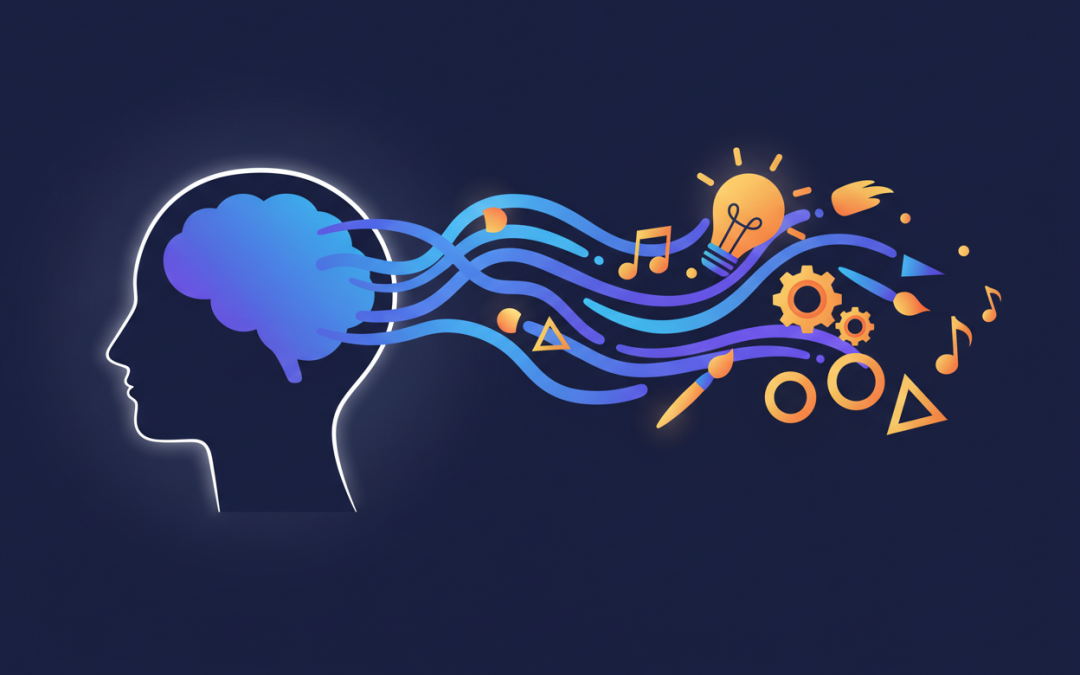
The Role of Brainwaves in Creativity and Innovation: Unlocking Your Mind’s Hidden Potential
Table of Contents
1. Introduction
2. Understanding Brainwaves: The Electrical Symphony of Your Mind
3. The Five Types of Brainwaves and Their Functions
4. Alpha Waves: The Gateway to Creative Flow
5. Theta Waves: Deep Creativity and Innovation
6. How Brainwaves Influence Creative Thinking
7. Techniques to Optimize Your Brainwaves for Enhanced Creativity
8. The Science Behind Brainwave-Creativity Connection
9. Real-World Applications and Success Stories
10. Conclusion
11. Frequently Asked Questions
Introduction
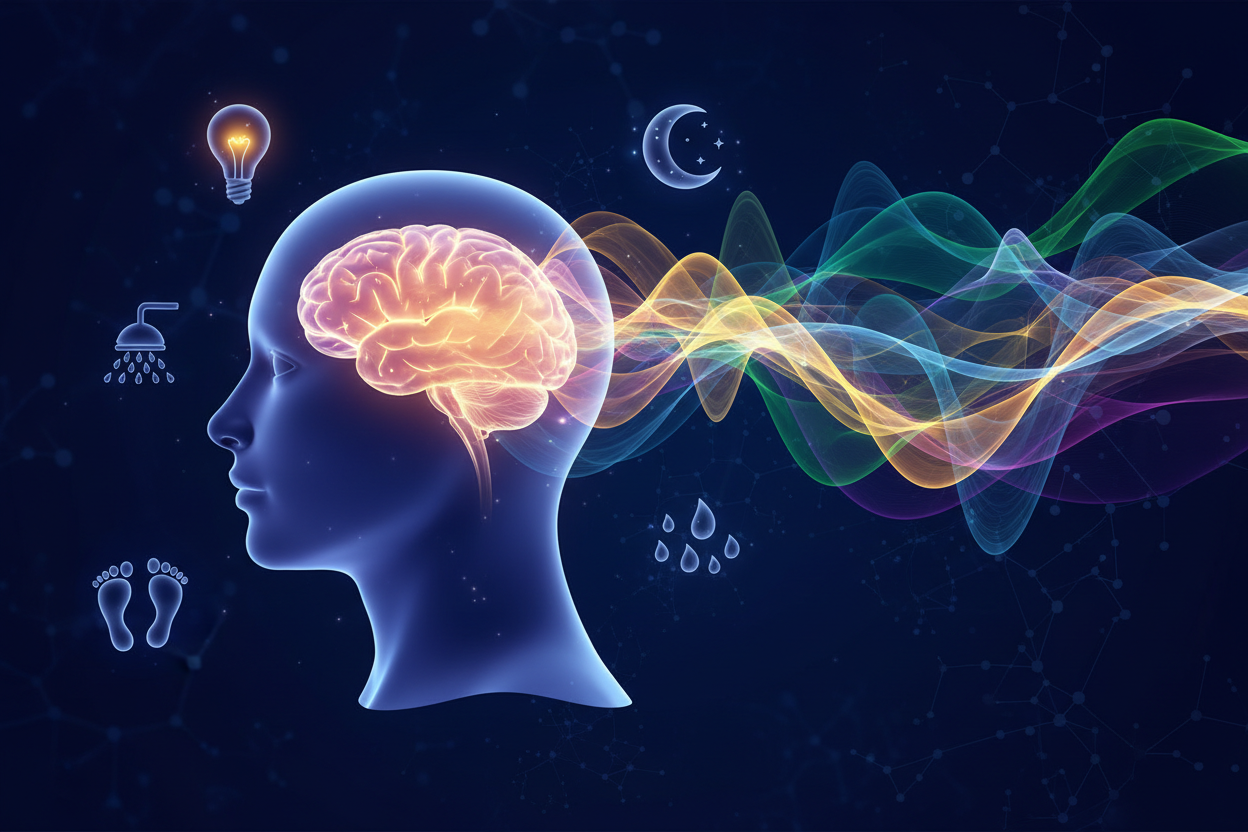
Have you ever wondered why your best ideas seem to come when you’re in the shower, taking a walk, or just before falling asleep? The answer lies in the fascinating world of brainwaves and their profound impact on creativity and innovation. Your brain produces electrical activity that can be measured and categorized into different wave patterns, each associated with specific mental states and cognitive functions.
Understanding the relationship between brainwaves and creativity isn’t just academic curiosity—it’s a practical tool that can revolutionize how you approach problem-solving, artistic endeavors, and innovative thinking. Whether you’re an entrepreneur seeking breakthrough ideas, an artist looking to tap into your creative flow, or simply someone interested in maximizing your mental potential, exploring brainwave patterns offers valuable insights into optimizing your creative output.
In this comprehensive guide, we’ll dive deep into the science of brainwaves, explore how different wave patterns influence creative thinking, and discover practical techniques to harness these natural rhythms for enhanced innovation and artistic expression.
Understanding Brainwaves: The Electrical Symphony of Your Mind
Brainwaves are rhythmic electrical impulses generated by synchronized neural activity in your brain. Think of them as the background music of your consciousness—constantly playing, influencing your thoughts, emotions, and cognitive abilities. These waves are measured in Hertz (Hz), representing the number of cycles per second, and can be detected using electroencephalography (EEG) technology.
What makes brainwaves particularly fascinating is their dynamic nature. They’re constantly shifting throughout the day, responding to your activities, emotions, and mental states. When you’re alert and focused, your brain produces different wave patterns than when you’re relaxed or deeply asleep. This variability isn’t random—it’s your brain’s way of optimizing itself for different tasks and situations.
The discovery of brainwaves dates back to 1924 when German neurologist Hans Berger first recorded human brain electrical activity. Since then, decades of research have revealed the intricate relationship between these wave patterns and various aspects of human cognition, including creativity, memory, attention, and emotional processing.
The Five Types of Brainwaves and Their Functions
Your brain produces five distinct types of brainwaves, each associated with specific mental states and cognitive functions. Understanding these categories is crucial for grasping how they influence creativity and innovation.
Gamma Waves (30-100 Hz): These are the fastest brainwaves, associated with high-level cognitive processing, consciousness, and moments of insight. Gamma waves are often present during “aha!” moments and breakthrough thinking.
Beta Waves (13-30 Hz): Dominant during waking consciousness, beta waves are linked to active concentration, analytical thinking, and problem-solving. While essential for logical reasoning, excessive beta activity can sometimes inhibit creative flow.
Alpha Waves (8-13 Hz): These waves emerge during relaxed awareness and are considered the bridge between conscious and subconscious mind. Alpha states are particularly conducive to creative thinking and innovative solutions.
Theta Waves (4-8 Hz): Associated with deep meditation, REM sleep, and profound creativity, theta waves facilitate access to the subconscious mind and are linked to artistic inspiration and innovative breakthroughs.
Delta Waves (0.5-4 Hz): The slowest brainwaves, primarily present during deep sleep and unconscious states. While not directly linked to active creativity, delta waves are essential for memory consolidation and neural restoration.
Alpha Waves: The Gateway to Creative Flow
Alpha waves hold a special place in the realm of creativity and innovation. Often called the “creative frequency,” alpha waves create an optimal mental state where logical thinking meets intuitive insight. When your brain produces alpha waves, you’re in a relaxed yet alert state—perfectly positioned for creative breakthroughs.
Research has consistently shown that individuals in alpha states demonstrate enhanced creative problem-solving abilities. This brainwave pattern allows for increased communication between different brain regions, facilitating the kind of cross-pollination of ideas that leads to innovative solutions. It’s no coincidence that many artists, writers, and inventors report their best ideas coming during moments of relaxed contemplation.
The alpha state is characterized by a sense of effortless focus and flow. You might recognize this feeling when you’re completely absorbed in a creative activity, losing track of time and external distractions. During these moments, your brain is operating in an optimal frequency for creative expression and innovative thinking.
What makes alpha waves particularly valuable for creativity is their ability to reduce the activity of the brain’s default mode network—the mental chatter that often interferes with creative thinking. By quieting this internal dialogue, alpha waves create space for novel ideas and unexpected connections to emerge.
Theta Waves: Deep Creativity and Innovation
While alpha waves provide the gateway to creativity, theta waves represent the deep well of innovative potential. These slower brainwaves are associated with profound creative states, spiritual experiences, and access to the subconscious mind. Many breakthrough innovations and artistic masterpieces have emerged from theta states.
Theta waves are particularly interesting because they’re naturally present during REM sleep, when dreams occur. This connection isn’t coincidental—dreams have long been recognized as a source of creative inspiration. From Kekulé’s discovery of the benzene ring structure to Paul McCartney’s composition of “Yesterday,” history is filled with examples of theta-state creativity.
During theta states, the brain exhibits increased neuroplasticity—the ability to form new neural connections. This enhanced plasticity facilitates the kind of flexible thinking necessary for innovation. In theta states, conventional thought patterns give way to more fluid, associative thinking that can lead to unexpected insights and creative solutions.
The challenge with theta waves is that they typically occur during states of reduced conscious awareness. However, certain meditation practices, creative visualization techniques, and specific environmental conditions can help maintain conscious access to theta states, allowing for deliberate cultivation of this deep creative potential.
How Brainwaves Influence Creative Thinking
The relationship between brainwaves and creative thinking operates through several interconnected mechanisms. Understanding these processes can help you better harness your brain’s natural creative potential.
Neural Network Communication: Different brainwave patterns facilitate varying degrees of communication between brain regions. Alpha and theta waves, in particular, promote increased connectivity between the brain’s creative networks, including the default mode network, the executive attention network, and the salience network.
Cognitive Flexibility: Lower frequency brainwaves (alpha and theta) are associated with increased cognitive flexibility—the ability to switch between different concepts and think about multiple concepts simultaneously. This flexibility is crucial for creative problem-solving and innovative thinking.
Reduced Cognitive Inhibition: In certain brainwave states, particularly alpha and theta, the brain’s inhibitory mechanisms are relaxed. This reduction in cognitive inhibition allows for more free-flowing thoughts and associations, leading to novel ideas and creative connections.
Access to Unconscious Processing: Lower frequency brainwaves provide greater access to unconscious mental processes, where much of creative thinking occurs. This access allows conscious awareness to tap into the vast reservoir of knowledge, experiences, and associations stored in the unconscious mind.
Techniques to Optimize Your Brainwaves for Enhanced Creativity
Now that we understand the connection between brainwaves and creativity, let’s explore practical techniques to optimize your brainwave patterns for enhanced creative output and innovation.
Meditation and Mindfulness: Regular meditation practice is one of the most effective ways to increase alpha and theta wave production. Even short daily sessions can significantly impact your brainwave patterns and creative abilities. Start with just 10-15 minutes of mindfulness meditation daily.
Binaural Beats: These audio tools use slightly different frequencies in each ear to encourage the brain to produce specific brainwave patterns. Listening to alpha (8-13 Hz) or theta (4-8 Hz) binaural beats while working on creative projects can help induce optimal brainwave states.
Environmental Optimization: Create environments that naturally promote alpha and theta states. This might include dimmed lighting, comfortable temperatures, minimal distractions, and perhaps some soft background music or nature sounds.
Physical Exercise: Moderate physical exercise, particularly activities like walking, swimming, or yoga, can promote alpha wave production. Many people report having their best ideas during or shortly after physical activity.
Creative Visualization: Engaging in detailed visualization exercises can help induce theta states while maintaining conscious awareness. This technique is particularly valuable for artists, designers, and innovators seeking to access deeper levels of creativity.
Sleep Optimization: Quality sleep is essential for healthy brainwave patterns. Ensure you’re getting adequate sleep and consider keeping a dream journal to capture theta-state insights that emerge during REM sleep.
The Science Behind Brainwave-Creativity Connection
Recent neuroscientific research has provided compelling evidence for the connection between brainwaves and creativity. Studies using EEG and fMRI technology have revealed fascinating insights into how different brainwave patterns influence creative thinking and innovation.
One landmark study published in the journal NeuroImage found that individuals who scored higher on creativity tests showed increased alpha wave activity during creative tasks. The researchers discovered that this alpha activity was particularly prominent in the right hemisphere of the brain, which is traditionally associated with creative and holistic thinking.
Another significant finding comes from research on the “default mode network”—a network of brain regions that’s active during rest and introspection. Studies have shown that alpha and theta waves facilitate increased activity in this network, which is crucial for creative insight and innovative thinking. When this network is highly active, it allows for the kind of free-associative thinking that leads to creative breakthroughs.
Neuroscientist Dr. John Kounios and his colleagues have conducted extensive research on the neural basis of insight and creativity. Their work has revealed that moments of creative insight are preceded by a burst of alpha waves, followed by high-frequency gamma activity. This pattern suggests that alpha waves create the optimal conditions for sudden creative breakthroughs.
Real-World Applications and Success Stories
The practical applications of brainwave optimization for creativity extend across numerous fields and industries. Many successful individuals and organizations have begun incorporating brainwave awareness into their creative processes.
In the tech industry, companies like Google and Apple have created meditation spaces and quiet zones designed to promote alpha and theta states among their employees. These initiatives recognize that breakthrough innovations often emerge from relaxed, contemplative states rather than high-pressure brainstorming sessions.
Professional artists and musicians increasingly use binaural beats and meditation practices to access optimal creative states. Grammy-winning producer Brian Eno has spoken extensively about using ambient soundscapes and meditative practices to enhance his creative process and access deeper levels of musical inspiration.
In the field of education, some progressive schools are implementing “mindfulness breaks” and meditation periods to help students access their creative potential. Research has shown that students who practice meditation demonstrate improved creative problem-solving abilities and enhanced innovative thinking.
Even in corporate settings, executives are discovering the value of brainwave optimization for strategic thinking and innovation. Many report that their best business ideas come during quiet moments of reflection rather than intense brainstorming sessions.
Conclusion
The relationship between brainwaves and creativity represents one of the most exciting frontiers in our understanding of human potential. By recognizing how different brainwave patterns influence our creative abilities, we can take deliberate steps to optimize our mental states for enhanced innovation and artistic expression.
The key insight is that creativity isn’t just a matter of talent or inspiration—it’s also about creating the right conditions in your brain for innovative thinking to flourish. Whether through meditation, environmental optimization, or other brainwave-enhancing techniques, you have the power to influence your brain’s electrical patterns and unlock your creative potential.
As we continue to deepen our understanding of neuroscience and consciousness, the practical applications of brainwave optimization will undoubtedly expand. For now, the evidence is clear: by working with your brain’s natural rhythms rather than against them, you can significantly enhance your creative output and innovative capabilities.
The journey to enhanced creativity begins with awareness—awareness of your mental states, your brainwave patterns, and the conditions that foster your best creative work. Start experimenting with the techniques outlined in this guide, and discover how optimizing your brainwaves can transform your creative process and unlock new levels of innovation in your personal and professional life.
Frequently Asked Questions
Q: Can anyone learn to control their brainwaves for better creativity?
A: Yes, with practice and the right techniques, most people can learn to influence their brainwave patterns. Meditation, binaural beats, and environmental optimization are accessible methods that can help you develop greater control over your mental states.
Q: How long does it take to see results from brainwave optimization techniques?
A: Some people notice improvements in creative thinking within days or weeks of starting regular meditation practice. However, developing consistent control over your brainwave patterns typically takes several months of regular practice.
Q: Are there any risks associated with using binaural beats?
A: Binaural beats are generally safe for most people. However, individuals with epilepsy or other seizure disorders should consult with a healthcare provider before using them, as certain frequencies might potentially trigger seizures in susceptible individuals.
Q: Do I need special equipment to measure my brainwaves?
A: While professional EEG equipment provides the most accurate measurements, consumer-grade EEG devices are becoming more accessible and affordable. However, you can practice brainwave optimization techniques without measuring devices by focusing on the subjective experience of different mental states.
Q: Can brainwave optimization help with creative blocks?
A: Absolutely. Creative blocks often result from excessive beta wave activity (overthinking and anxiety) or insufficient alpha/theta activity. Techniques that promote relaxed awareness and access to subconscious processing can be very effective for overcoming creative obstacles.
Q: Is there an optimal time of day for creative work based on brainwave patterns?
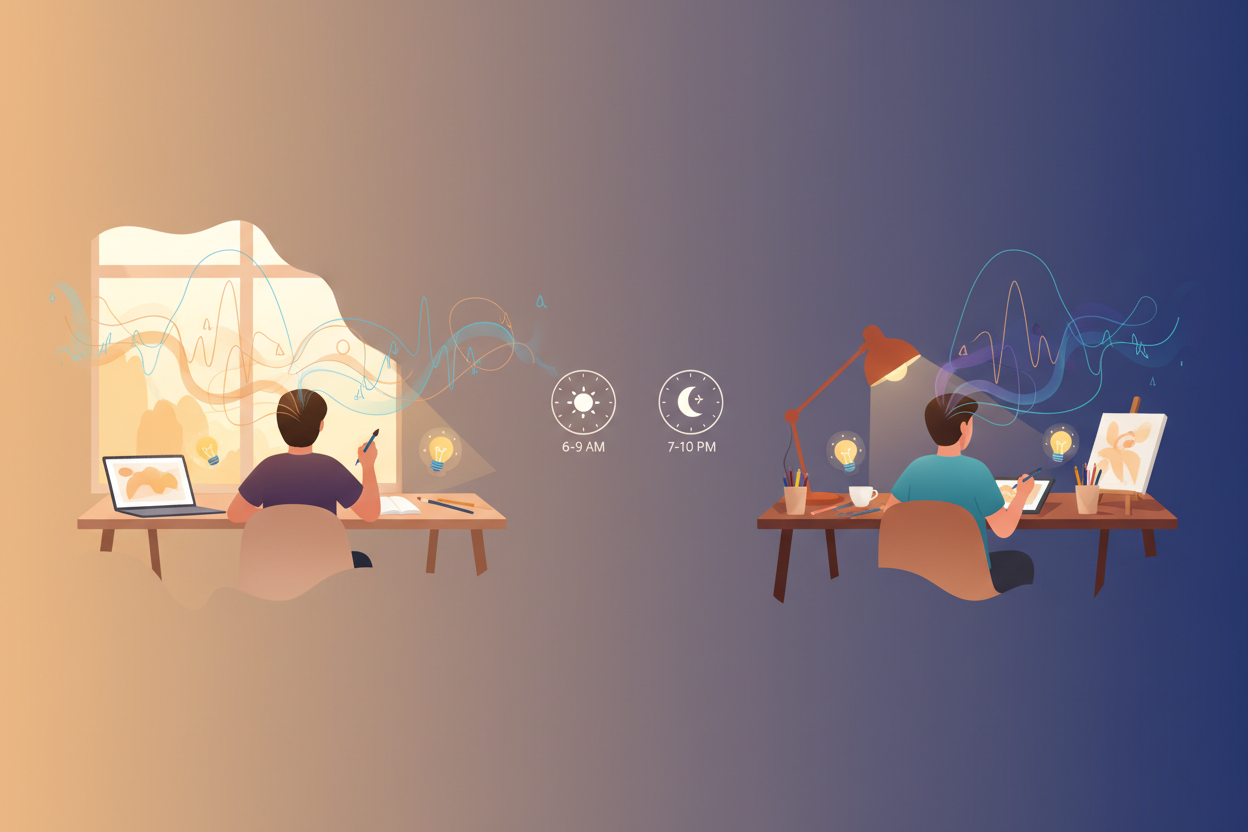
A: Individual patterns vary, but many people find that their brainwaves are naturally more conducive to creativity during certain times. Early morning and late evening often provide good conditions for alpha and theta states, though personal chronotype and lifestyle factors play important roles.