
Setting Up Your Perfect Brainwave Entrainment Environment: A Complete Guide to Optimizing Your Space
Table of Contents
1. Introduction to Brainwave Entrainment Environments
2. Understanding the Science Behind Environmental Factors
3. Creating the Ideal Physical Space
4. Lighting Considerations for Optimal Entrainment
5. Sound Quality and Acoustic Setup
6. Temperature and Air Quality Control
7. Choosing the Right Equipment and Technology
8. Personalizing Your Entrainment Space
9. Common Mistakes to Avoid
10. Maintaining Your Entrainment Environment
11. Frequently Asked Questions
12. Conclusion
Introduction to Brainwave Entrainment Environments
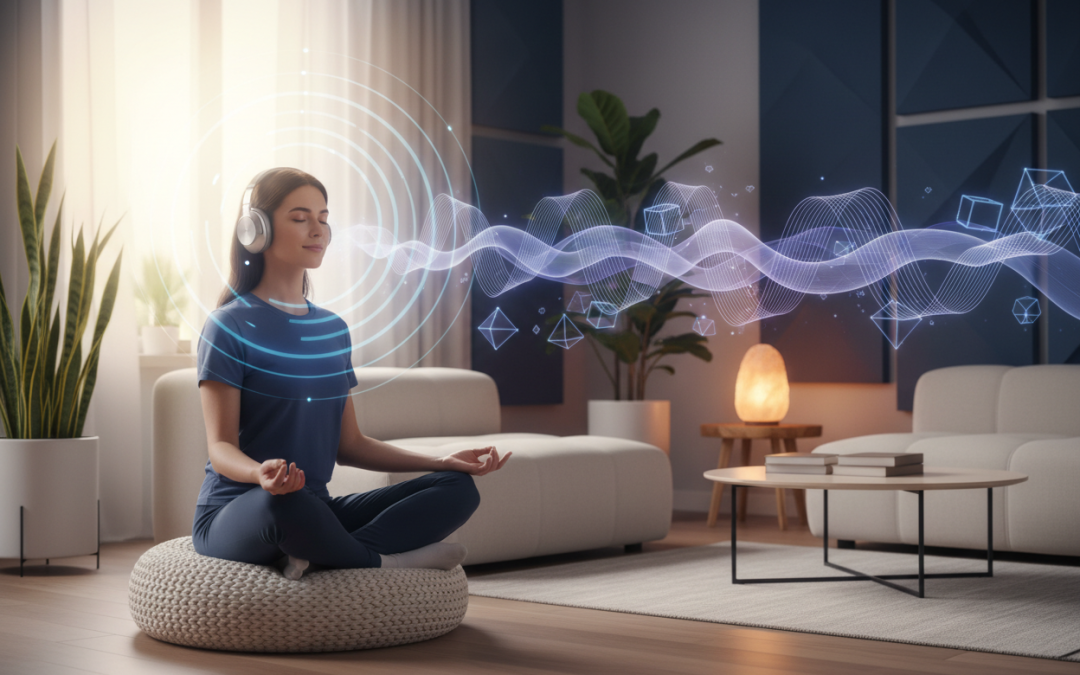
Have you ever wondered why some meditation sessions feel incredibly deep and transformative while others leave you feeling distracted and restless? The secret often lies not just in the technique itself, but in the environment where you practice brainwave entrainment. Creating the perfect space for your brainwave entrainment sessions can dramatically enhance your experience and accelerate your progress toward mental clarity, relaxation, and cognitive enhancement.
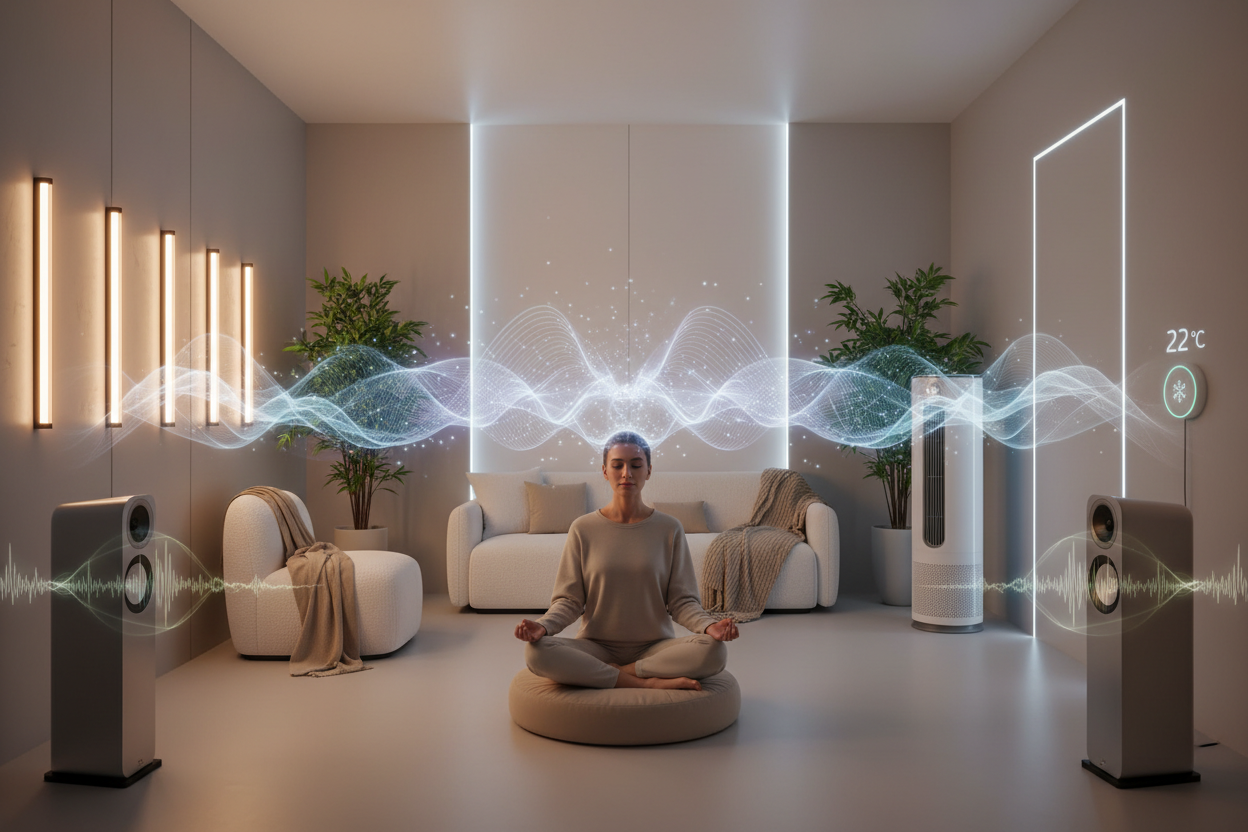
Brainwave entrainment, the practice of using external stimuli to synchronize your brainwaves to specific frequencies, has gained tremendous popularity among wellness enthusiasts, productivity seekers, and anyone looking to optimize their mental state. However, many people overlook the crucial role that their physical environment plays in maximizing these benefits.
In this comprehensive guide, we’ll explore every aspect of creating your ideal brainwave entrainment environment, from the basics of room setup to advanced considerations that can take your practice to the next level. Whether you’re a complete beginner or someone looking to refine your existing setup, this article will provide you with practical, actionable insights to transform any space into a sanctuary for mental enhancement.
Understanding the Science Behind Environmental Factors
Before diving into the practical aspects of setting up your space, it’s essential to understand why environmental factors matter so much for brainwave entrainment success. Your brain is incredibly sensitive to external stimuli, and research has shown that environmental conditions can significantly impact your ability to achieve and maintain desired brainwave states.
The human brain naturally responds to environmental cues through a process called contextual conditioning. When you consistently practice brainwave entrainment in a well-designed environment, your brain begins to associate that space with relaxation and focus, making it easier to slip into the desired state each time you return.
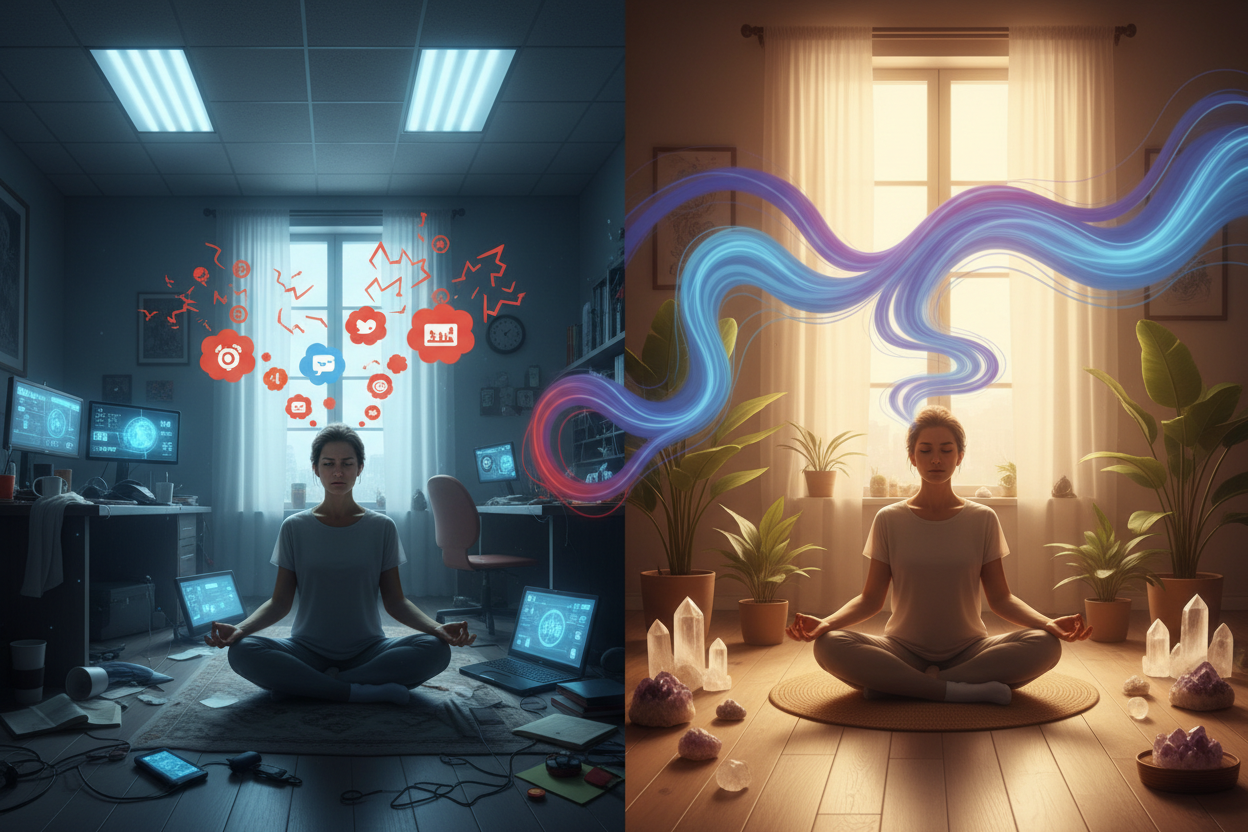
Environmental distractions can interfere with the entrainment process by competing for your brain’s attention. Visual clutter, unexpected sounds, uncomfortable temperatures, and poor air quality can all pull your focus away from the entrainment stimulus, reducing its effectiveness. Conversely, a thoughtfully designed environment can amplify the benefits by eliminating distractions and creating optimal conditions for neural synchronization.
Creating the Ideal Physical Space
The foundation of any effective brainwave entrainment environment starts with selecting and preparing the right physical space. You don’t need a large room or expensive renovations – even a small corner of your bedroom can be transformed into an effective entrainment sanctuary with the right approach.
Start by choosing a location that offers privacy and minimal interruptions. This might be a spare bedroom, a quiet corner of your living room, or even a dedicated space in your basement or attic. The key is consistency – try to use the same space for your sessions whenever possible to build that important contextual conditioning.
Once you’ve selected your space, focus on decluttering and organizing the area. Remove unnecessary items that might catch your eye during sessions, and keep only essential elements within view. A clean, organized space promotes mental clarity and reduces the likelihood of distraction during your practice.
Consider the flow and energy of the space as well. Arrange furniture and objects in a way that feels harmonious and peaceful. Many practitioners find that incorporating elements from feng shui or other spatial design philosophies helps create a more conducive environment for deep states of consciousness.
Lighting Considerations for Optimal Entrainment
Lighting plays a crucial role in brainwave entrainment, as it directly affects your circadian rhythms and can either support or hinder your ability to achieve specific brainwave states. The ideal lighting setup will depend on the type of entrainment you’re practicing and the time of day you typically engage in sessions.
For most brainwave entrainment practices, soft, dim lighting works best. Harsh fluorescent lights or bright overhead fixtures can be overstimulating and make it difficult to relax into deeper brainwave states. Instead, consider using warm-toned LED lights, salt lamps, or candles to create a gentle, soothing ambiance.
If you practice during daylight hours, invest in blackout curtains or blinds to control natural light levels. You want to be able to adjust the brightness to match your session goals – darker environments typically support deeper relaxation and theta states, while slightly brighter settings might be better for focus-oriented beta entrainment.
Some practitioners incorporate colored lighting into their setup, using different hues to enhance specific types of sessions. Blue light can promote alertness and focus, while red or orange tones are often associated with relaxation and deeper states. While the science on colored light therapy is still developing, many people report positive effects from experimenting with different lighting colors.
Sound Quality and Acoustic Setup
Since brainwave entrainment often relies heavily on audio stimuli, the acoustic properties of your environment deserve special attention. Poor sound quality or acoustic interference can significantly diminish the effectiveness of your sessions and create frustration rather than the desired mental states.
Start by addressing external noise sources. If you live in a noisy area, consider adding sound-dampening materials like thick curtains, carpets, or acoustic panels. Even simple solutions like weather stripping around doors can help reduce unwanted sound intrusion during your sessions.
For your audio equipment, invest in quality headphones or speakers that can accurately reproduce the full frequency range of your entrainment tracks. Many brainwave entrainment recordings include very low frequencies (below 40 Hz) that cheap audio equipment simply cannot reproduce effectively. Over-ear headphones are often preferred because they provide better isolation from external sounds and more accurate frequency response.
Pay attention to the acoustics of your room as well. Hard surfaces can create echoes and reflections that muddy the clarity of your entrainment audio. Adding soft furnishings like cushions, blankets, or acoustic treatments can help create a more controlled listening environment that allows the subtle frequency patterns in entrainment tracks to come through clearly.
Temperature and Air Quality Control
Physical comfort is essential for effective brainwave entrainment, and temperature regulation plays a significant role in your ability to relax and focus during sessions. Most people find that slightly cooler temperatures, around 65-68°F (18-20°C), are optimal for relaxation-based entrainment practices.
However, you should also consider that your body temperature naturally drops as you relax, so having a light blanket nearby can help you stay comfortable throughout longer sessions. The goal is to find a temperature that allows you to forget about your physical comfort entirely and focus on the entrainment process.
Air quality is equally important but often overlooked. Stuffy or stale air can make you feel drowsy in an unproductive way or create physical discomfort that interferes with your practice. Ensure adequate ventilation in your entrainment space, and consider using an air purifier if you live in an area with poor air quality.
Some practitioners enhance their environment with aromatherapy, using essential oils or incense to create positive associations with their practice space. Lavender, frankincense, and sandalwood are popular choices for relaxation-focused sessions, while peppermint or eucalyptus might support more alertness-oriented practices.
Choosing the Right Equipment and Technology
While you don’t need expensive equipment to benefit from brainwave entrainment, having the right tools can significantly enhance your experience. The key is to choose equipment that matches your specific needs and budget while ensuring reliable, high-quality performance.
For audio-based entrainment, your playback device and headphones are the most critical components. Look for headphones with a flat frequency response and good low-frequency extension. Many practitioners prefer closed-back headphones for better isolation, though some find open-back designs more comfortable for longer sessions.
If you’re interested in light-based entrainment or want to combine audio and visual stimuli, consider investing in a dedicated light-sound machine. These devices can provide precisely timed flashing lights and binaural beats that are difficult to achieve with separate components.
For those who want to track their progress or ensure they’re achieving the desired brainwave states, EEG feedback devices have become increasingly accessible. While not necessary for everyone, these tools can provide valuable insights into how your brain responds to different entrainment protocols and environmental conditions.
Personalizing Your Entrainment Space
While there are general principles that apply to most brainwave entrainment environments, the most effective space is one that resonates with you personally. Take time to experiment with different elements and pay attention to how various configurations affect your sessions.
Consider incorporating meaningful objects or images that promote positive mental states. This might include crystals, spiritual symbols, artwork, or photographs that inspire feelings of peace and focus. The key is to choose items that enhance rather than distract from your practice.
Some people benefit from having a dedicated meditation cushion or chair that they use only for entrainment sessions. This creates a physical anchor that signals to your brain that it’s time to shift into a different state of consciousness. Others prefer the flexibility of being able to practice in different positions or locations within their designated space.
Think about creating rituals around your space setup as well. This might involve lighting a candle, adjusting the lighting, or arranging objects in a specific way before each session. These preparatory activities can help you transition from everyday consciousness into a more receptive state for entrainment.
Common Mistakes to Avoid
Even with the best intentions, it’s easy to make mistakes when setting up your brainwave entrainment environment. Being aware of these common pitfalls can save you time and frustration as you develop your practice.
One of the most frequent mistakes is trying to create the “perfect” environment before starting your practice. While having an optimal setup is beneficial, don’t let the pursuit of perfection prevent you from beginning. Start with what you have and gradually improve your environment as you gain experience and understand your preferences better.
Another common error is neglecting to test your setup thoroughly before important sessions. Always check your audio equipment, lighting, and other environmental factors before settling in for a session. Technical difficulties or unexpected distractions can be particularly disruptive when you’re trying to achieve deep states of relaxation or focus.
Many people also underestimate the importance of consistency in their environment. While it’s fine to make adjustments and improvements over time, frequent major changes can interfere with the conditioning process that makes your space increasingly effective for entrainment.
Maintaining Your Entrainment Environment
Creating your perfect brainwave entrainment environment is just the beginning – maintaining it properly ensures continued effectiveness and enjoyment of your practice. Regular maintenance doesn’t have to be time-consuming, but it does require attention to detail and consistency.
Keep your space clean and organized, as clutter and dust can gradually diminish the peaceful atmosphere you’ve worked to create. Develop a simple routine for tidying up after each session and doing more thorough cleaning on a weekly basis.
Regularly check and maintain your equipment to ensure optimal performance. Clean your headphones, test audio connections, and replace any worn or damaged components promptly. Nothing disrupts a session quite like equipment failure at a crucial moment.
Pay attention to how your needs and preferences evolve over time. What worked perfectly when you started your practice might need adjustment as you develop greater sensitivity to environmental factors or as your goals change. Be willing to experiment and adapt your setup accordingly.
Frequently Asked Questions
Q: How much space do I need for an effective brainwave entrainment environment?
A: You don’t need a large space – even a 4×4 foot area can be sufficient. The key is having enough room to sit or lie comfortably without feeling cramped, plus space for any equipment you’re using.
Q: Can I use my bedroom for brainwave entrainment, or do I need a separate room?
A: Your bedroom can work well, especially if you practice relaxation-focused entrainment. Just ensure you can minimize distractions and create the right atmosphere for your sessions.
Q: Is expensive equipment necessary for good results?
A: Not at all. While quality equipment can enhance your experience, many people achieve excellent results with basic setups. Focus on getting good headphones and a reliable audio source before investing in more advanced equipment.
Q: How important is it to have the same setup every time?
A: Consistency is beneficial because it helps your brain associate the environment with the desired mental state. However, don’t let this prevent you from practicing when traveling or in different locations.
Q: Should I practice brainwave entrainment with my eyes open or closed?
A: This depends on the type of entrainment and your personal preference. Audio-only sessions often work well with eyes closed, while light-based entrainment obviously requires open eyes. Experiment to find what works best for you.
Q: How can I prevent falling asleep during relaxation-focused sessions?
A: Try practicing at times when you’re naturally alert, maintain a slightly cooler room temperature, and consider sitting upright rather than lying down. Some drowsiness is normal, but consistent sleep might indicate you need to adjust your approach.
Conclusion
Creating your perfect brainwave entrainment environment is an investment in your mental well-being and personal development that pays dividends for years to come. While the specific details of your setup will be unique to your needs, space, and preferences, the principles outlined in this guide provide a solid foundation for anyone looking to optimize their entrainment practice.
Remember that building an effective environment is an iterative process. Start with the basics – a quiet, comfortable space with good audio equipment – and gradually refine your setup based on your experiences and evolving needs. Pay attention to how different environmental factors affect your sessions, and don’t be afraid to experiment with new approaches.
The effort you put into creating and maintaining your entrainment environment will be reflected in the quality of your sessions and the benefits you experience. Whether your goal is stress reduction, enhanced focus, improved sleep, or expanded consciousness, the right environment can significantly amplify the effectiveness of your brainwave entrainment practice.
Most importantly, remember that the perfect environment is the one that works for you. While guidelines and best practices are helpful, your personal experience and intuition should ultimately guide your choices. Trust the process, be patient with yourself as you develop your ideal setup, and enjoy the journey of creating a space that supports your mental and emotional well-being.