
Brainwave Entrainment for Chronic Pain Management: A Natural Path to Relief
Table of Contents
1. Understanding Brainwave Entrainment
2. The Science Behind Chronic Pain and Brain Waves
3. How Brainwave Entrainment Works for Pain Relief
4. Types of Brainwave Entrainment Techniques
5. Benefits of Using Brainwave Entrainment for Chronic Pain
6. Getting Started with Brainwave Entrainment
7. Safety Considerations and Precautions
8. Real-World Applications and Success Stories
9. Frequently Asked Questions
Living with chronic pain can feel like carrying an invisible burden that never quite goes away. If you’re one of the millions of people searching for natural, non-pharmaceutical approaches to pain management, you might be surprised to learn about the potential of brainwave entrainment. This fascinating technique harnesses the power of your brain’s natural rhythms to help reduce pain perception and improve quality of life.
While it might sound like something out of science fiction, brainwave entrainment is actually a well-researched method that’s been gaining recognition in the medical community. Think of it as a way to tune your brain like a radio, helping it find frequencies that promote healing and pain relief rather than amplifying discomfort.
Understanding Brainwave Entrainment
Brainwave entrainment is essentially the practice of synchronizing your brainwaves to specific frequencies using external stimuli. Your brain naturally produces electrical activity in different frequency ranges, and these brainwaves correspond to different states of consciousness and physiological responses.
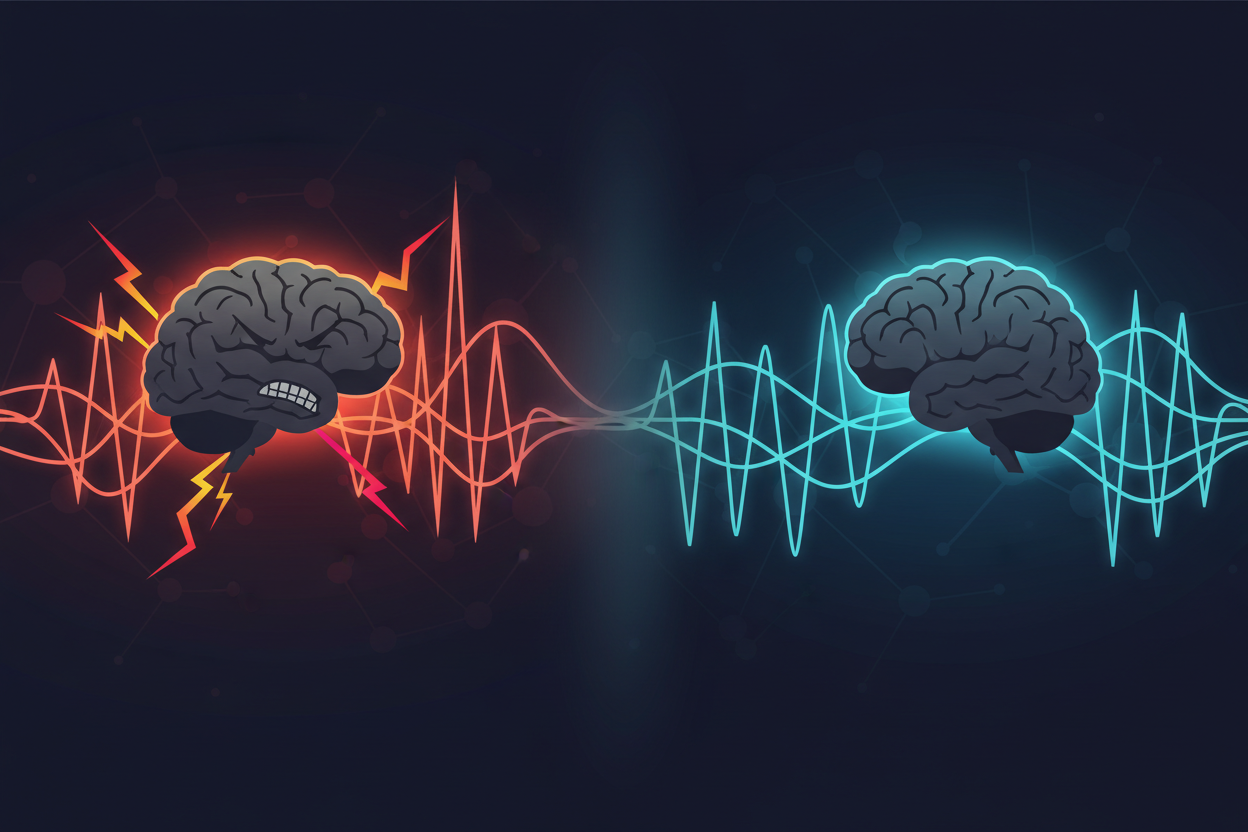
When you listen to rhythmic sounds, flashing lights, or other repetitive stimuli, your brain has a tendency to match or “entrain” to these frequencies. It’s similar to how your heart rate might sync up with music during a workout, except we’re working with the electrical patterns in your brain.
The beauty of this process lies in its simplicity and non-invasive nature. You’re not introducing foreign substances into your body or undergoing complex procedures. Instead, you’re working with your brain’s natural ability to adapt and respond to environmental cues.
The Science Behind Chronic Pain and Brain Waves
To understand how brainwave entrainment can help with chronic pain, it’s helpful to know what’s happening in your brain when you experience persistent discomfort. Chronic pain isn’t just about the original injury or condition – it involves complex changes in how your nervous system processes and interprets signals.
Research has shown that people with chronic pain often exhibit altered brainwave patterns. These changes can include increased activity in certain frequency ranges associated with hypervigilance and decreased activity in frequencies linked to relaxation and pain inhibition. Essentially, your brain gets stuck in patterns that amplify rather than diminish pain signals.
Different brainwave frequencies are associated with various states of consciousness. Alpha waves, for instance, are linked to relaxed awareness and have been associated with reduced pain perception. Theta waves, on the other hand, are connected to deep relaxation and healing states. By using brainwave entrainment to encourage these beneficial frequencies, we can potentially shift the brain away from pain-amplifying patterns.
How Brainwave Entrainment Works for Pain Relief
The mechanism behind brainwave entrainment for pain management involves several interconnected processes. When your brain entrains to specific frequencies, it can trigger the release of natural pain-relieving chemicals like endorphins and enkephalins. These are your body’s own morphine-like substances that can provide significant pain relief without the side effects of pharmaceutical medications.
Additionally, brainwave entrainment can help activate the parasympathetic nervous system – your body’s “rest and digest” mode. This is crucial for chronic pain sufferers because persistent pain often keeps the body in a state of chronic stress, which can actually worsen pain perception and slow healing processes.
The practice also appears to influence the default mode network of the brain, which includes areas involved in self-referential thinking and pain processing. By shifting activity in these regions, brainwave entrainment may help reduce the emotional and cognitive aspects of chronic pain that often make the physical symptoms more distressing.
Types of Brainwave Entrainment Techniques
There are several methods for achieving brainwave entrainment, each with its own advantages and applications for pain management.
Binaural beats are perhaps the most popular form of auditory brainwave entrainment. This technique involves playing slightly different frequencies in each ear, causing your brain to perceive a third “beat” frequency that matches the difference between the two tones. For pain management, frequencies in the alpha range (8-12 Hz) and theta range (4-8 Hz) are commonly used.
Isochronic tones represent another auditory approach that uses evenly spaced pulses of sound to encourage entrainment. Many people find these more effective than binaural beats because they don’t require headphones and can be more easily perceived by the brain.
Light-based entrainment uses flashing lights or LED devices to stimulate brainwave synchronization through visual pathways. This method can be particularly effective when combined with auditory techniques for a multi-sensory approach to pain relief.
Electromagnetic field entrainment involves devices that produce specific electromagnetic frequencies designed to influence brainwave patterns. While less common than audio-visual methods, some research suggests these devices may offer unique benefits for pain management.
Benefits of Using Brainwave Entrainment for Chronic Pain
One of the most appealing aspects of brainwave entrainment for chronic pain management is its non-invasive nature. Unlike medications that can cause side effects or procedures that carry risks, brainwave entrainment works with your body’s natural processes rather than against them.
Many users report improvements not just in pain levels, but also in sleep quality, mood, and overall sense of well-being. This makes sense when you consider that chronic pain affects multiple aspects of life, and addressing the neurological patterns underlying pain can have wide-ranging positive effects.
The technique is also highly accessible and cost-effective. While professional devices and sessions are available, many effective brainwave entrainment programs can be accessed through smartphone apps or simple audio recordings. This means you can incorporate pain management sessions into your daily routine without significant disruption or expense.
Another significant advantage is the lack of tolerance or dependency issues that can occur with pain medications. Your brain doesn’t become resistant to brainwave entrainment over time, and you won’t experience withdrawal symptoms if you stop using it.
Getting Started with Brainwave Entrainment
Beginning your journey with brainwave entrainment for pain management doesn’t require expensive equipment or extensive training. Start by setting aside 20-30 minutes in a quiet, comfortable environment where you won’t be disturbed.
Choose a high-quality audio program specifically designed for pain relief or relaxation. Many are available online or through specialized apps. Begin with sessions targeting alpha or theta frequencies, as these are generally most beneficial for pain management and are well-tolerated by beginners.
Consistency is more important than duration when starting out. It’s better to practice for 15 minutes daily than to do hour-long sessions sporadically. Your brain needs time to learn new patterns, and regular practice helps establish these beneficial changes more effectively.
Keep a simple log of your pain levels before and after sessions, along with notes about sleep quality, mood, and any other changes you notice. This will help you track progress and identify which types of entrainment work best for your specific situation.
Safety Considerations and Precautions
While brainwave entrainment is generally considered safe for most people, there are some important precautions to keep in mind. Individuals with epilepsy or seizure disorders should avoid light-based entrainment and consult with their healthcare provider before trying any form of brainwave entrainment.
If you’re taking medications for pain, depression, or other conditions, don’t stop or reduce them without consulting your doctor. Brainwave entrainment should be viewed as a complementary approach rather than a replacement for established medical treatments.
Some people may experience mild side effects when first starting brainwave entrainment, such as slight headaches or temporary changes in mood. These typically resolve as your brain adapts to the practice, but if they persist or worsen, it’s wise to take a break and possibly consult with a healthcare provider.
Pregnant women and individuals with serious mental health conditions should discuss brainwave entrainment with their healthcare providers before beginning practice, as the effects on these populations haven’t been extensively studied.
Real-World Applications and Success Stories
Healthcare facilities around the world are beginning to incorporate brainwave entrainment into their pain management protocols. Some hospitals now offer binaural beat therapy as part of their integrative medicine programs, particularly for patients dealing with chronic conditions like fibromyalgia, arthritis, and neuropathic pain.
Physical therapy clinics have found that combining brainwave entrainment with traditional treatments can enhance outcomes and reduce the time needed for recovery. The relaxation and pain-reducing effects of entrainment can make it easier for patients to participate fully in their rehabilitation exercises.
Many individuals have reported significant improvements in their quality of life after incorporating brainwave entrainment into their pain management routine. While results vary from person to person, common benefits include reduced pain intensity, improved sleep, decreased anxiety about pain, and a greater sense of control over their condition.
The technique has also shown promise for specific types of chronic pain, including migraine headaches, lower back pain, and pain associated with cancer treatments. As research continues to expand our understanding of how brainwave entrainment affects pain processing, we’re likely to see even more targeted applications developed.
Brainwave entrainment represents a promising frontier in natural pain management that deserves serious consideration from anyone dealing with chronic discomfort. While it’s not a magic cure-all, the growing body of research and positive user experiences suggest it can be a valuable tool in a comprehensive approach to pain relief.
The beauty of this technique lies not just in its potential effectiveness, but in its accessibility and safety profile. In a world where many people are seeking alternatives to pharmaceutical interventions, brainwave entrainment offers hope for those who want to take an active role in managing their pain naturally.
As with any health intervention, individual results will vary, and it’s important to work with healthcare providers to develop a comprehensive pain management strategy. However, for many people dealing with chronic pain, brainwave entrainment may provide the relief and improved quality of life they’ve been seeking.
If you’re curious about trying brainwave entrainment for your chronic pain, start small, be consistent, and pay attention to how your body responds. You might be surprised by the power of your brain’s natural ability to heal and find relief through the simple act of entraining to beneficial frequencies.
Frequently Asked Questions
How long does it take to see results from brainwave entrainment for pain relief?
Most people notice some immediate relaxation effects during their first session, but significant pain relief typically develops over 2-4 weeks of consistent practice. Some individuals report improvements within the first week, while others may need 6-8 weeks to experience substantial benefits.
Can I use brainwave entrainment while taking pain medications?
Yes, brainwave entrainment can generally be used alongside conventional pain medications. However, you should always inform your healthcare provider about any complementary therapies you’re using and never stop prescribed medications without medical supervision.
What’s the difference between binaural beats and isochronic tones for pain management?
Binaural beats require headphones and work by playing different frequencies in each ear, while isochronic tones use rhythmic pulses and can be played through speakers. Some people find isochronic tones more effective, but individual responses vary. It’s worth trying both to see which works better for you.
Are there any side effects of brainwave entrainment?
Side effects are generally mild and may include temporary headaches, slight dizziness, or mood changes when first starting. These typically resolve as your brain adapts to the practice. People with epilepsy should avoid light-based entrainment and consult their doctor before trying audio-based methods.
How often should I practice brainwave entrainment for chronic pain?
Daily practice of 15-30 minutes is typically recommended for best results. Consistency is more important than session length, so shorter daily sessions are preferable to longer, infrequent ones. You can adjust frequency based on your response and schedule.
Can children use brainwave entrainment for pain management?
While brainwave entrainment is generally safe, children should only use these techniques under adult supervision and preferably with guidance from a healthcare provider. The developing brain may respond differently to entrainment, so professional oversight is recommended.