
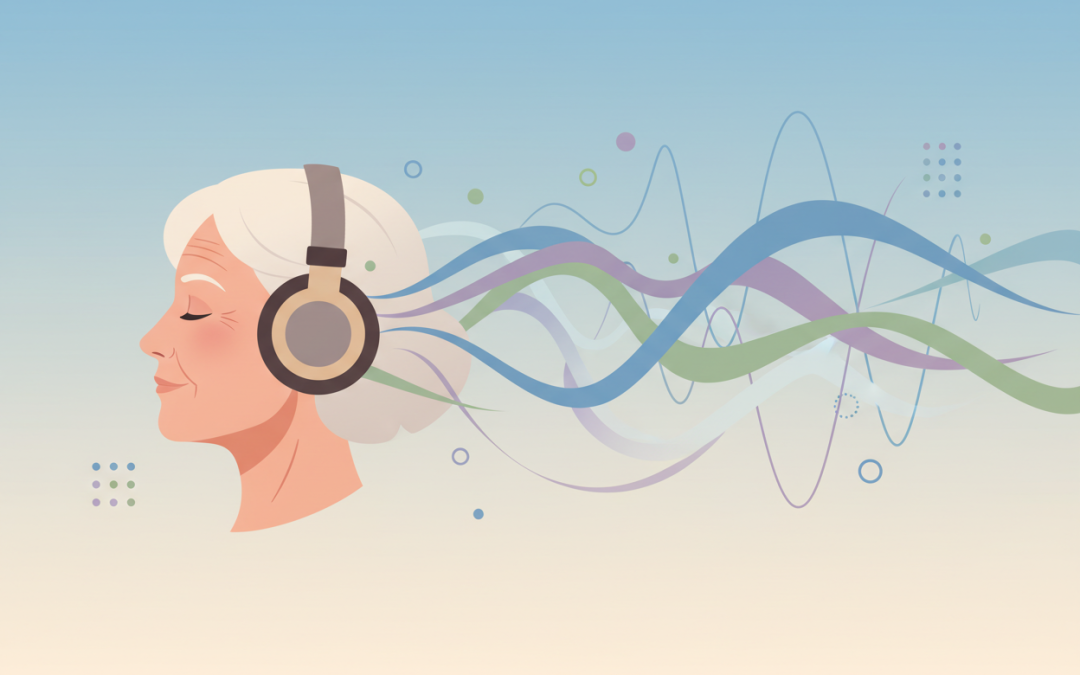
Brainwave Entrainment for Seniors: Benefits and Considerations
Table of Contents
1. Introduction to Brainwave Entrainment
2. Understanding How Brainwave Entrainment Works
3. The Science Behind Brainwave Patterns
4. Key Benefits of Brainwave Entrainment for Seniors
5. Cognitive Enhancement and Memory Support
6. Sleep Quality Improvement
7. Stress Reduction and Emotional Well-being
8. Important Safety Considerations for Older Adults
9. Choosing the Right Brainwave Entrainment Method
10. Getting Started: A Practical Guide
11. Frequently Asked Questions
12. Conclusion
Introduction to Brainwave Entrainment
As we age, maintaining cognitive sharpness and overall mental well-being becomes increasingly important. Many seniors are exploring alternative wellness approaches that complement traditional healthcare, and brainwave entrainment has emerged as a fascinating option worth considering. This non-invasive technique uses rhythmic stimuli to influence brain activity, potentially offering benefits for memory, sleep, and stress management.
Brainwave entrainment isn’t just another wellness fad – it’s rooted in decades of neuroscience research. For seniors looking to support their cognitive health naturally, understanding this technology could open doors to improved quality of life. However, like any wellness approach, it’s essential to understand both the potential benefits and important considerations before diving in.
Understanding How Brainwave Entrainment Works
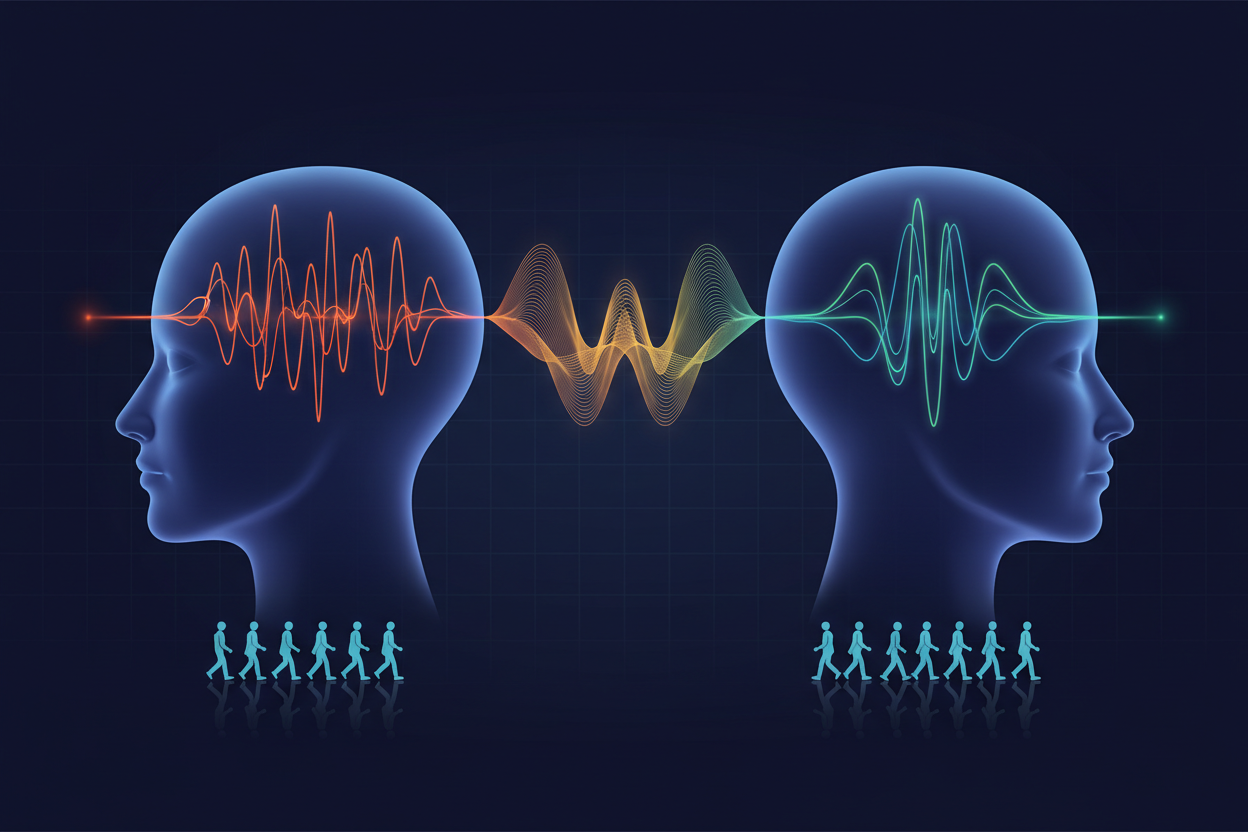
Think of brainwave entrainment as a gentle nudge for your brain’s natural rhythms. Our brains naturally produce electrical activity that creates measurable patterns called brainwaves. These patterns change throughout the day – faster waves when we’re alert and focused, slower waves when we’re relaxed or sleeping.
Brainwave entrainment works by presenting the brain with repetitive stimuli, typically through sound, light, or electromagnetic pulses. When exposed to these rhythmic patterns, the brain tends to synchronize its activity to match the external frequency. It’s similar to how your footsteps might naturally sync up with a marching band’s rhythm when you’re walking nearby.
This synchronization process, known as the “frequency following response,” allows us to potentially guide the brain toward desired states. Want to feel more relaxed? The entrainment might use slower frequencies. Need to enhance focus? Faster frequencies might be employed.
The Science Behind Brainwave Patterns
To appreciate how brainwave entrainment might benefit seniors, it helps to understand the different types of brainwaves and their associated mental states:
Delta waves (0.5-4 Hz) dominate during deep sleep and are crucial for physical restoration and memory consolidation. As we age, delta wave production often decreases, which can impact sleep quality and cognitive recovery.
Theta waves (4-8 Hz) are associated with light sleep, meditation, and creative states. They play important roles in memory formation and emotional processing.
Alpha waves (8-13 Hz) appear during relaxed, wakeful states and are linked to reduced anxiety and improved mood. Many seniors find alpha entrainment particularly beneficial for stress management.
Beta waves (13-30 Hz) are present during normal waking consciousness and focused attention. However, excessive beta activity can contribute to anxiety and restlessness.
Gamma waves (30+ Hz) are associated with high-level cognitive processing and consciousness integration.
Key Benefits of Brainwave Entrainment for Seniors
Research suggests that brainwave entrainment may offer several potential benefits particularly relevant to older adults. While individual results vary, many seniors report positive experiences across multiple areas of well-being.
The non-pharmaceutical nature of brainwave entrainment makes it an attractive option for seniors who prefer to minimize medication use or are looking for complementary approaches to support their health. Unlike many interventions, brainwave entrainment typically doesn’t require significant physical exertion or complex learning curves.
Most importantly, brainwave entrainment can be easily integrated into existing daily routines. Whether it’s a morning session to enhance alertness or evening relaxation to improve sleep, the flexibility makes it practical for seniors with varying schedules and energy levels.
Cognitive Enhancement and Memory Support
One of the most compelling potential benefits of brainwave entrainment for seniors involves cognitive support. As we age, maintaining sharp thinking and memory becomes a priority, and some research suggests that specific brainwave patterns may support these functions.
Studies have indicated that gamma wave entrainment might enhance working memory and attention in older adults. While more research is needed, early findings suggest that regular sessions targeting gamma frequencies could help seniors maintain cognitive flexibility and processing speed.
Alpha wave entrainment has shown promise for improving overall mental clarity and reducing the mental fog that some seniors experience. Many users report feeling more mentally refreshed and better able to concentrate on tasks after alpha entrainment sessions.
It’s worth noting that brainwave entrainment isn’t a cure for cognitive decline or dementia. However, as part of a comprehensive approach to brain health that includes physical exercise, social engagement, and mental stimulation, it may contribute to maintaining cognitive vitality.
Sleep Quality Improvement
Sleep challenges are incredibly common among seniors, with many experiencing difficulty falling asleep, staying asleep, or achieving restorative deep sleep. Brainwave entrainment targeting delta and theta frequencies may offer a natural approach to supporting better sleep patterns.
Delta wave entrainment, in particular, has shown promise for helping seniors achieve deeper, more restorative sleep. By encouraging the brain to produce the slow-wave patterns associated with deep sleep, this approach may help compensate for the natural decline in delta wave production that occurs with aging.
Many seniors find that theta wave entrainment helps them transition more easily from wakefulness to sleep. The relaxing effects of theta frequencies can help quiet an overactive mind and create the mental conditions conducive to falling asleep naturally.
Unlike sleep medications, brainwave entrainment doesn’t carry risks of dependency or morning grogginess. This makes it an appealing option for seniors who want to improve their sleep without pharmaceutical interventions.
Stress Reduction and Emotional Well-being
Chronic stress can significantly impact senior health, contributing to everything from cardiovascular problems to cognitive decline. Brainwave entrainment offers a potentially powerful tool for stress management and emotional regulation.
Alpha wave entrainment is particularly effective for promoting relaxation and reducing anxiety. Many seniors report feeling calmer and more emotionally balanced after regular alpha entrainment sessions. This can be especially valuable for those dealing with life transitions, health concerns, or social isolation.
The meditative-like states induced by certain brainwave entrainment sessions can provide seniors with a mental break from worries and rumination. This psychological respite can be refreshing and help maintain emotional resilience.
Some research suggests that regular brainwave entrainment practice may help regulate cortisol levels and other stress hormones. While more studies are needed, the potential for natural stress hormone regulation is particularly appealing for seniors managing multiple health concerns.
Important Safety Considerations for Older Adults
While brainwave entrainment is generally considered safe for most people, seniors should be aware of specific considerations before beginning any program. The most important step is consulting with healthcare providers, especially for those with existing medical conditions or taking medications.
Individuals with epilepsy or seizure disorders should avoid brainwave entrainment, particularly light-based methods, as rhythmic stimulation could potentially trigger seizures. This is a serious safety concern that requires medical clearance.
Seniors with pacemakers or other implanted electronic devices should consult their doctors before using electromagnetic-based entrainment devices. While most audio-based entrainment methods are likely safe, it’s better to err on the side of caution.
Those taking medications that affect brain chemistry, including antidepressants, anti-anxiety medications, or sleep aids, should discuss potential interactions with their healthcare providers. While direct interactions are unlikely, the combined effects might be stronger than expected.
Hearing impairments, common among seniors, may affect the effectiveness of audio-based entrainment methods. However, this doesn’t necessarily rule out brainwave entrainment entirely, as light-based or tactile methods might still be effective.
Choosing the Right Brainwave Entrainment Method
Several different approaches to brainwave entrainment exist, each with its own advantages and considerations for seniors. Understanding these options can help you choose the most suitable method for your needs and preferences.
Binaural beats involve playing slightly different frequencies in each ear through headphones. The brain perceives the difference as a rhythmic beating pattern. This method is popular because it’s simple and only requires stereo headphones. However, seniors with significant hearing loss in one ear may not experience the full effect.
Isochronic tones use evenly spaced pulses of sound that don’t require headphones. These can be effective for seniors who find headphones uncomfortable or have hearing differences between ears.
Light-based entrainment uses flashing lights or LED glasses to stimulate brainwave patterns through visual pathways. This can be effective for those with hearing impairments but should be avoided by individuals with photosensitivity or seizure disorders.
Audiovisual entrainment combines sound and light stimulation for potentially enhanced effects. Many seniors find this multi-sensory approach more engaging and effective.
Getting Started: A Practical Guide
Beginning a brainwave entrainment practice doesn’t have to be complicated or overwhelming. Start with short sessions – perhaps 10-15 minutes – to allow your brain and body to adjust to the experience. Many seniors find that consistency matters more than session length, so regular short sessions often work better than occasional long ones.
Choose a quiet, comfortable environment where you won’t be interrupted. This might be a favorite chair, bedroom, or any space where you can relax completely. Dim lighting can enhance the experience, especially if you’re using audio-only entrainment methods.
Begin with alpha wave entrainment (8-13 Hz) as it’s generally well-tolerated and provides noticeable relaxation benefits. Once you’re comfortable with the process, you can explore other frequencies based on your specific goals.
Keep a simple log of your sessions and how you feel afterward. This can help you identify which frequencies and session lengths work best for your individual needs. Don’t expect immediate dramatic changes – benefits often develop gradually over weeks of consistent practice.
Consider starting with free apps or online resources before investing in specialized equipment. This allows you to explore whether brainwave entrainment feels right for you without significant financial commitment.
Frequently Asked Questions
Is brainwave entrainment safe for seniors with dementia or Alzheimer’s disease?
While some preliminary research suggests potential benefits, seniors with dementia should only use brainwave entrainment under medical supervision. The effects on individuals with cognitive impairment aren’t fully understood, and professional guidance is essential.
How long does it take to notice benefits from brainwave entrainment?
Individual responses vary significantly. Some seniors report immediate relaxation effects, while cognitive or sleep benefits may take several weeks of consistent practice to become apparent. Patience and consistency are key factors in success.
Can brainwave entrainment replace sleep medications?
Brainwave entrainment should never replace prescribed medications without medical supervision. It may be used as a complementary approach, but any changes to medication regimens must be discussed with healthcare providers.
What’s the best time of day for brainwave entrainment sessions?
This depends on your goals. Alpha entrainment for relaxation can be beneficial anytime, while delta entrainment for sleep support is typically used in the evening. Gamma or beta entrainment for cognitive enhancement might work best in the morning or early afternoon.
Are there any side effects seniors should watch for?
Most people tolerate brainwave entrainment well, but some may experience mild headaches, dizziness, or temporary disorientation, especially when starting. These effects usually diminish with regular practice. Discontinue use and consult a healthcare provider if side effects persist.
Can hearing aids interfere with audio-based brainwave entrainment?
Hearing aids may affect the quality of binaural beats or other audio entrainment methods. Consult with your audiologist about the best approach, which might include adjusting hearing aid settings or exploring light-based entrainment alternatives.
Conclusion
Brainwave entrainment represents an intriguing frontier in senior wellness, offering potential benefits for cognitive function, sleep quality, and stress management. While it’s not a miracle cure, the growing body of research suggests it may be a valuable addition to a comprehensive approach to healthy aging.
The key to success with brainwave entrainment lies in realistic expectations, consistent practice, and proper medical guidance when needed. For many seniors, the non-invasive nature and flexibility of brainwave entrainment make it an attractive option worth exploring.
As with any wellness approach, individual results will vary. What works wonderfully for one person may have minimal effects for another. The journey of discovering whether brainwave entrainment can benefit your particular situation is best undertaken with patience, curiosity, and appropriate professional support.
Remember that brainwave entrainment works best as part of a holistic approach to senior health that includes regular exercise, social engagement, proper nutrition, and ongoing medical care. When integrated thoughtfully into a broader wellness strategy, it may contribute to the vibrant, fulfilling life that every senior deserves.