
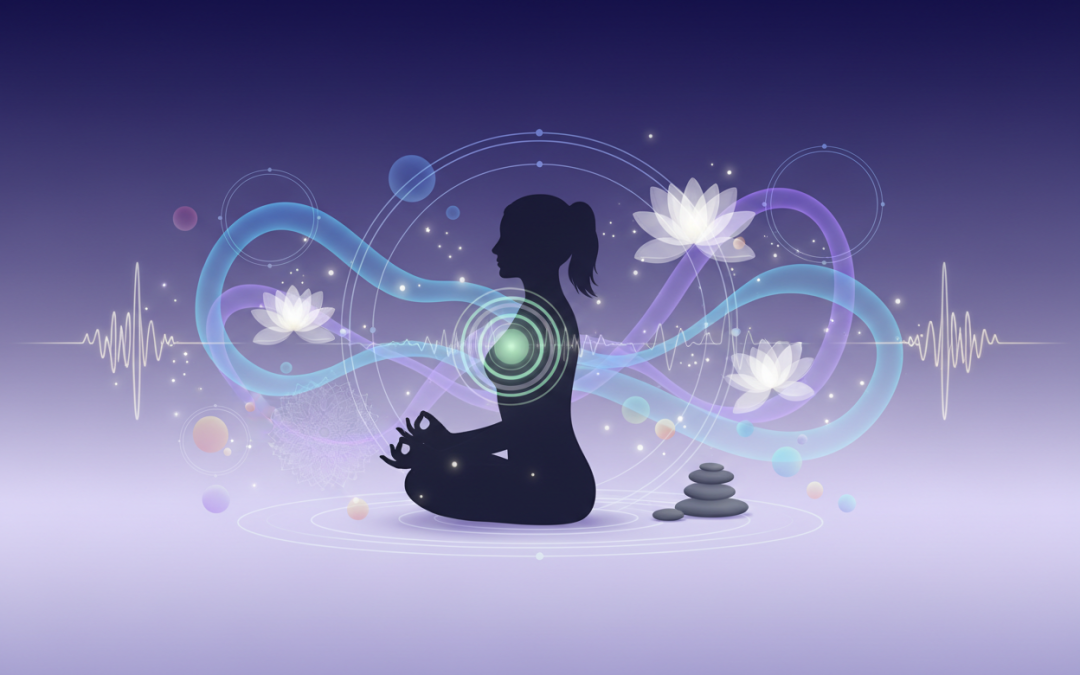
How to Combine Brainwave Entrainment with Other Relaxation Techniques
Table of Contents
1. Introduction to Brainwave Entrainment
2. Understanding Different Brainwave States
3. Popular Relaxation Techniques to Combine
4. Meditation and Brainwave Entrainment
5. Progressive Muscle Relaxation with Binaural Beats
6. Breathing Exercises Enhanced by Sound Therapy
7. Yoga and Frequency Synchronization
8. Creating Your Perfect Relaxation Routine
9. Common Mistakes to Avoid
10. Frequently Asked Questions
11. Final Thoughts
Introduction to Brainwave Entrainment
In our increasingly fast-paced world, finding effective ways to relax and unwind has become more crucial than ever. While traditional relaxation techniques have served us well for centuries, modern technology has opened up new possibilities for enhancing our ability to achieve deep states of calm and focus. One such innovation is brainwave entrainment, a fascinating technique that uses rhythmic stimuli to synchronize our brainwaves with specific frequencies.
But here’s where it gets really interesting: brainwave entrainment doesn’t have to work in isolation. When combined thoughtfully with other proven relaxation methods, it can create a synergistic effect that amplifies the benefits of both approaches. Think of it as creating a personalized relaxation symphony where each element enhances the others.
Whether you’re dealing with stress, struggling with sleep issues, or simply looking to enhance your meditation practice, learning how to combine brainwave entrainment with other relaxation techniques can transform your wellness routine from good to extraordinary.
Understanding Different Brainwave States
Before diving into combinations, it’s essential to understand what brainwave entrainment actually does. Our brains naturally produce electrical activity that can be measured in different frequency ranges, each associated with specific states of consciousness.
Beta waves (13-30 Hz) dominate when we’re alert and focused, while alpha waves (8-13 Hz) emerge during relaxed awareness. Theta waves (4-8 Hz) are associated with deep meditation and creativity, and delta waves (0.5-4 Hz) occur during deep sleep and healing states.
Brainwave entrainment uses audio or visual stimuli to encourage your brain to match these specific frequencies. When you listen to binaural beats at 10 Hz, for instance, your brain gradually synchronizes to that alpha frequency, promoting a state of calm alertness. This natural tendency of the brain to sync with external rhythms is called the frequency following response.
Understanding this foundation helps you choose the right brainwave frequencies to complement your other relaxation practices. A theta frequency might be perfect for deep meditation, while alpha waves could enhance your yoga session.
Popular Relaxation Techniques to Combine
The beauty of brainwave entrainment lies in its versatility. It pairs wonderfully with virtually any relaxation technique you can imagine. Some of the most effective combinations include meditation practices, progressive muscle relaxation, controlled breathing exercises, yoga, tai chi, visualization techniques, and aromatherapy sessions.
Each of these traditional methods brings its own unique benefits to the table. Meditation cultivates mindfulness and inner peace, while progressive muscle relaxation releases physical tension. Breathing exercises activate the parasympathetic nervous system, and yoga combines movement with mindfulness.
When you add brainwave entrainment to these practices, you’re essentially giving your brain a gentle nudge in the right direction. Instead of waiting for your mind to naturally settle into a relaxed state, the entrainment helps guide it there more quickly and consistently.
The key is understanding which brainwave frequencies complement which activities. This knowledge allows you to create targeted combinations that serve your specific relaxation goals.
Meditation and Brainwave Entrainment
Meditation and brainwave entrainment make natural partners. Traditional meditation aims to quiet the mind and achieve states of deep awareness, while brainwave entrainment can help facilitate these states more easily, especially for beginners who struggle with a wandering mind.
For mindfulness meditation, alpha frequencies (8-13 Hz) work beautifully. They promote a state of relaxed awareness that’s perfect for observing thoughts without getting caught up in them. I’ve found that starting a meditation session with alpha binaural beats helps me settle into the practice much faster than going it alone.
When practicing deeper forms of meditation, theta frequencies (4-8 Hz) can be incredibly powerful. These frequencies are associated with the profound states of consciousness that experienced meditators often describe. The combination can help you access these deeper states without years of dedicated practice.
For transcendental meditation or other mantra-based practices, you might experiment with different frequencies to see what feels most supportive. Some practitioners find that starting with alpha frequencies and gradually transitioning to theta creates a smooth journey into deeper states.
The timing matters too. You might begin your session with brainwave entrainment to help establish the desired state, then continue your meditation in silence, or maintain the entrainment throughout the entire session.
Progressive Muscle Relaxation with Binaural Beats
Progressive muscle relaxation (PMR) involves systematically tensing and releasing different muscle groups to achieve deep physical relaxation. This technique becomes even more effective when combined with appropriate brainwave entrainment frequencies.
Alpha frequencies work particularly well with PMR because they promote the relaxed awareness needed to focus on different body parts while maintaining a calm mental state. The binaural beats help keep your mind from wandering while you work through each muscle group.
Here’s a practical approach: Start with alpha binaural beats (around 10 Hz) playing softly in the background. Begin your PMR routine with your toes, consciously tensing them for five seconds, then releasing and noticing the contrast. The brainwave entrainment helps maintain focus on these subtle sensations while promoting overall relaxation.
As you progress through your body, the consistent frequency helps deepen the relaxation response. Many people find that the combination allows them to achieve deeper states of physical relaxation in less time than PMR alone.
For evening sessions aimed at preparing for sleep, you might transition from alpha to theta frequencies as you complete the muscle relaxation sequence, helping guide your brain toward sleep-conducive states.
Breathing Exercises Enhanced by Sound Therapy
Controlled breathing is one of the most accessible and immediate relaxation techniques available, and it pairs beautifully with brainwave entrainment. The rhythmic nature of both practices creates a natural synergy that can amplify the calming effects of each.
For basic stress relief breathing, alpha frequencies provide an excellent foundation. Try the 4-7-8 breathing technique (inhale for 4, hold for 7, exhale for 8) while listening to 10 Hz binaural beats. The frequency helps maintain focus on your breath while promoting the relaxed state that makes deep breathing more effective.
Box breathing, often used by athletes and military personnel for stress management, also works wonderfully with brainwave entrainment. The structured nature of breathing in a 4-4-4-4 pattern (inhale, hold, exhale, hold) aligns perfectly with the rhythmic nature of binaural beats.
For more advanced practitioners, you might experiment with breathing exercises that naturally slow your heart rate while using theta frequencies. This combination can create profound states of calm that feel almost meditative in nature.
The key is matching your breathing rhythm to complement, rather than compete with, the brainwave entrainment. Start slowly and allow both practices to work together naturally rather than forcing a particular pace.
Yoga and Frequency Synchronization
Yoga’s combination of movement, breath, and mindfulness creates an ideal environment for brainwave entrainment. Different styles of yoga pair well with different frequencies, allowing you to customize your practice based on your goals and energy levels.
For gentle, restorative yoga sessions, alpha frequencies (8-13 Hz) support the meditative awareness that makes these practices so nourishing. The binaural beats help maintain focus on your breath and body sensations while holding poses for extended periods.
Vinyasa or flow yoga, with its continuous movement and breath synchronization, can be enhanced with slightly higher alpha frequencies or even low beta frequencies (13-15 Hz). These frequencies support the focused attention needed for smooth transitions while maintaining a calm, centered state.
Yin yoga, which involves holding poses for several minutes, pairs beautifully with theta frequencies. As you settle into deep stretches and turn inward, the theta waves can facilitate the introspective, almost meditative quality that makes yin yoga so transformative.
Consider the arc of your practice too. You might start with higher alpha frequencies during warm-up poses, maintain steady alpha frequencies during your main practice, and transition to theta frequencies during final relaxation or savasana.
Creating Your Perfect Relaxation Routine
Building an effective combined relaxation routine requires some experimentation and attention to your personal responses. What works beautifully for one person might feel overwhelming or ineffective for another, so approach this process with curiosity and patience.
Start by identifying your primary relaxation goals. Are you looking to reduce daily stress, improve sleep quality, enhance meditation practice, or achieve deeper states of relaxation? Your goals will help determine which combinations to prioritize and which frequencies to emphasize.
Begin with shorter sessions, perhaps 10-15 minutes, to see how your body and mind respond to different combinations. You might try alpha binaural beats with simple breathing exercises for a week, then experiment with theta frequencies during meditation the following week.
Pay attention to timing within your sessions as well. Some people prefer to start with brainwave entrainment and then transition to silence, while others find that maintaining the frequencies throughout their entire practice works better. There’s no right or wrong approach, only what feels most supportive for you.
Consider creating different routines for different times of day or different needs. A morning routine might emphasize alertness and calm focus, while an evening routine prioritizes deep relaxation and sleep preparation.
Common Mistakes to Avoid
While combining brainwave entrainment with other relaxation techniques is generally safe and beneficial, there are some common pitfalls that can reduce effectiveness or create frustration.
One of the biggest mistakes is using frequencies that are too high or intense for your current state. If you’re feeling anxious or overstimulated, jumping straight into theta frequencies might feel jarring. Instead, start with alpha frequencies and gradually work your way down as you become more relaxed.
Volume is another crucial factor that’s often overlooked. Brainwave entrainment should be subtle, not overwhelming. The beats should be just loud enough to perceive clearly but not so loud that they become distracting or dominate your awareness.
Expecting immediate dramatic results is another common mistake. While some people notice effects right away, brainwave entrainment often works best with consistent practice over time. Give yourself several weeks of regular practice before deciding whether a particular combination works for you.
Don’t try to combine too many techniques at once, especially when you’re starting out. Focus on mastering one combination before adding additional elements. This approach helps you understand what’s actually contributing to your relaxation experience.
Finally, avoid practicing brainwave entrainment while driving, operating machinery, or during any activity that requires full attention and alertness.
Frequently Asked Questions
How long should I practice brainwave entrainment combined with other techniques?
Start with 10-15 minute sessions and gradually increase to 20-30 minutes as you become more comfortable. Consistency matters more than duration, so regular shorter sessions are better than occasional long ones.
Can I use brainwave entrainment with any relaxation technique?
Most relaxation techniques pair well with brainwave entrainment, but some work better than others. Stationary practices like meditation and breathing exercises tend to work better than dynamic activities that require frequent position changes.
What’s the best time of day to practice these combinations?
This depends on your goals. Morning sessions with alpha frequencies can set a calm, focused tone for your day, while evening sessions with theta frequencies can help prepare for restful sleep. Experiment to find what works best for your schedule and objectives.
Do I need special equipment for brainwave entrainment?
Good quality headphones are essential for binaural beats, as each ear needs to receive a slightly different frequency. Beyond that, you can use any device capable of playing audio files with apps or recordings specifically designed for brainwave entrainment.
Are there any side effects or contraindications?
Brainwave entrainment is generally safe for most people, but those with epilepsy, seizure disorders, or certain psychiatric conditions should consult with a healthcare provider before use. Some people may experience mild headaches initially, which usually resolve with lower volumes or shorter sessions.
How do I know if it’s working?
Effects can be subtle at first. You might notice feeling more relaxed during or after sessions, falling asleep more easily, or finding it easier to focus during meditation. Keep a simple journal to track your experiences over time.
Final Thoughts
Combining brainwave entrainment with traditional relaxation techniques opens up exciting possibilities for enhancing your wellness practice. The synergy between these approaches can help you achieve deeper states of relaxation, reduce stress more effectively, and develop a more consistent and enjoyable relaxation routine.
Remember that this is a personal journey of discovery. What works perfectly for your friend or what you read in studies might not be the ideal combination for you, and that’s completely normal. The key is approaching these practices with curiosity, patience, and a willingness to experiment.
Start simple, be consistent, and pay attention to how different combinations affect your mind and body. Over time, you’ll develop an intuitive understanding of which approaches serve you best in different circumstances.
Whether you’re looking to enhance your meditation practice, improve your sleep quality, or simply find more effective ways to manage daily stress, the combination of brainwave entrainment with other relaxation techniques offers a powerful toolkit for supporting your overall well-being. The investment in learning these techniques pays dividends in improved relaxation, better stress management, and a greater sense of inner calm that can positively impact every area of your life.