
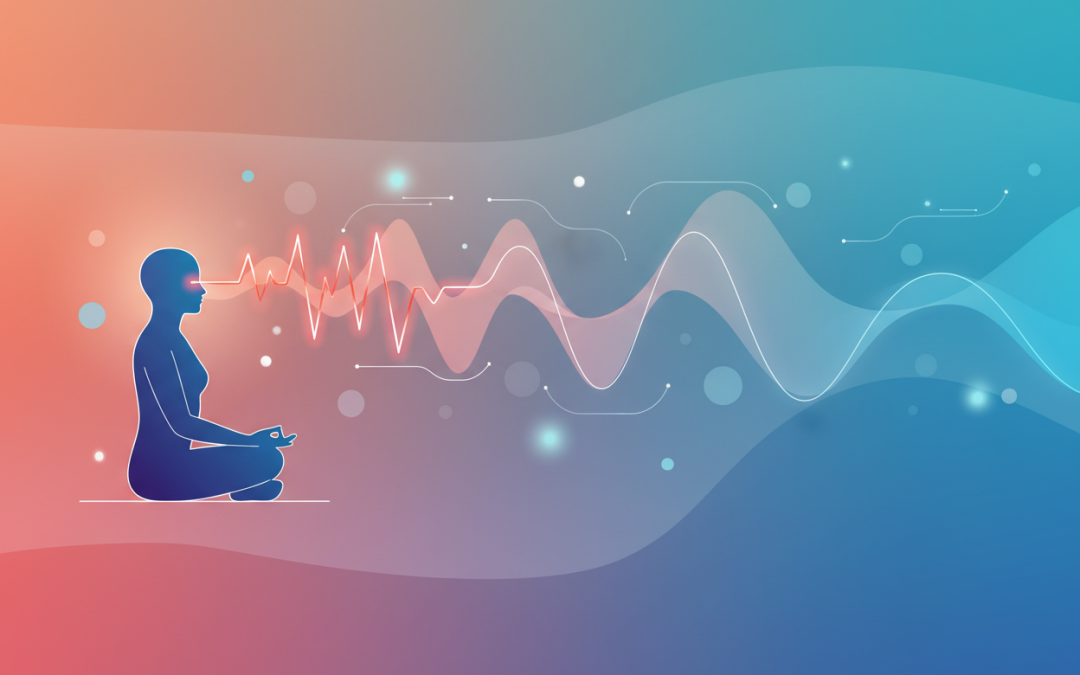
The Science of Relaxation Response: How Brainwaves Change During Stress Relief
Table of Contents
1. Understanding the Relaxation Response
2. The Four Types of Brainwaves and Their Functions
3. How Stress Affects Your Brain Activity
4. Brainwave Changes During Relaxation
5. Scientific Evidence Behind the Relaxation Response
6. Practical Techniques to Trigger Relaxation Response
7. Long-term Benefits of Regular Relaxation Practice
8. Frequently Asked Questions
Introduction
Have you ever wondered what actually happens inside your brain when you finally manage to unwind after a stressful day? That moment when your shoulders drop, your breathing deepens, and you feel like you can think clearly again isn’t just in your imagination. There’s fascinating science happening behind the scenes, involving measurable changes in your brainwave patterns that researchers have been studying for decades.
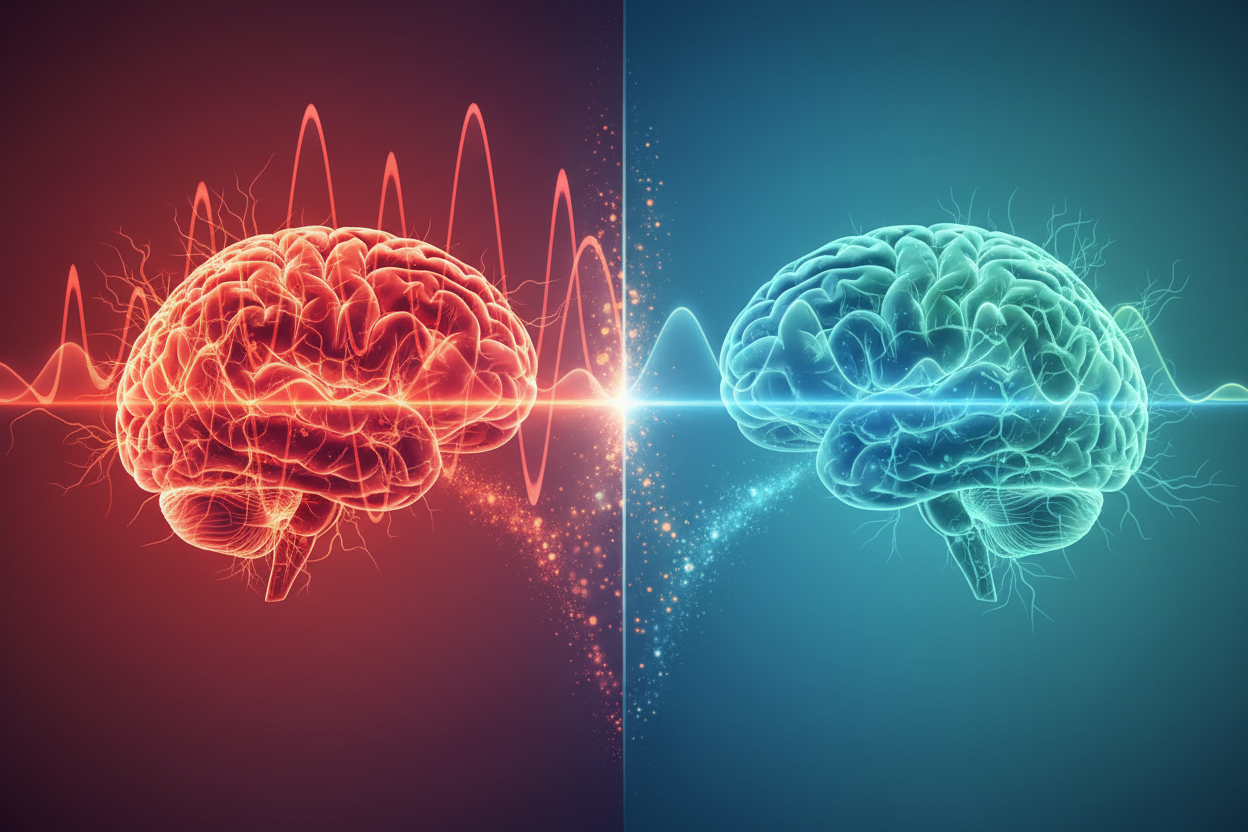
The relaxation response, first described by Harvard cardiologist Dr. Herbert Benson in the 1970s, represents a physiological state that’s essentially the opposite of the fight-or-flight stress response. When we activate this natural mechanism, our brains literally shift gears, changing the electrical patterns that govern our thoughts, emotions, and physical sensations.
Understanding how your brainwaves transform during stress relief isn’t just academic curiosity—it’s practical knowledge that can help you better manage stress, improve your mental health, and optimize your relaxation practices. Let’s dive into the remarkable world of neuroscience and discover what happens when your mind finds its calm.
Understanding the Relaxation Response
The relaxation response is your body’s built-in antidote to stress. When activated, it triggers a cascade of physiological changes that counteract the harmful effects of chronic stress. Your heart rate slows, blood pressure drops, muscle tension decreases, and most importantly for our discussion, your brainwave patterns shift into more peaceful frequencies.
This response isn’t something mystical or New Age—it’s a measurable, reproducible physiological state that can be observed using electroencephalography (EEG) machines. These devices detect the electrical activity in your brain, revealing the rhythmic patterns we call brainwaves.
What makes this particularly interesting is that the relaxation response can be consciously triggered. Unlike many automatic bodily functions, you have the power to influence your brainwave patterns through various techniques, essentially giving you direct access to your brain’s relaxation circuits.
The Four Types of Brainwaves and Their Functions
To understand how relaxation changes your brain, we need to first explore the different types of brainwaves and what they represent. Think of brainwaves as the background music of your consciousness—always playing, but varying in tempo and intensity based on what you’re doing and feeling.
Beta Waves (13-30 Hz): The Busy Mind
Beta waves dominate when you’re alert, focused, and engaged in problem-solving or active thinking. While necessary for daily functioning, excessive beta activity is associated with anxiety, stress, and overthinking. If your mind feels like it’s constantly racing, you’re likely experiencing high beta wave activity.
Alpha Waves (8-13 Hz): The Bridge to Calm
Alpha waves emerge when you’re relaxed but still alert—that pleasant state you might experience while daydreaming or taking a peaceful walk. These waves serve as a bridge between the busy beta state and deeper relaxation. Many meditation practices aim to increase alpha wave production.
Theta Waves (4-8 Hz): Deep Relaxation and Creativity
Theta waves are associated with deep relaxation, creativity, and the early stages of sleep. When theta waves increase, you might experience vivid imagery, enhanced intuition, or profound states of calm. This is often the target frequency for deep meditation and therapeutic relaxation.
Delta Waves (0.5-4 Hz): Restorative Sleep
Delta waves predominate during deep, restorative sleep and are crucial for healing and regeneration. While we don’t typically experience conscious delta states during waking relaxation, some advanced practitioners can access these frequencies during very deep meditative states.
How Stress Affects Your Brain Activity
When you’re stressed, your brain doesn’t just feel different—it literally operates differently. Chronic stress keeps your brain locked in high-frequency beta waves, creating a state of hypervigilance that was once useful for survival but becomes problematic in our modern world.
During stress, your brain shows several characteristic patterns. The prefrontal cortex, responsible for rational thinking and decision-making, becomes less active, while the amygdala, your brain’s alarm system, goes into overdrive. This creates the perfect storm for anxiety, poor decision-making, and that feeling of being “wired but tired.”
Research using brain imaging technology has shown that chronic stress actually changes brain structure over time. The hippocampus, crucial for memory formation, can shrink, while stress-response areas become hyperactive. These changes explain why chronic stress affects not just how we feel, but how we think and remember.
The good news? These stress-induced changes aren’t permanent. The brain’s remarkable plasticity means that regular relaxation practice can literally rewire your neural networks, promoting healthier brainwave patterns and improved stress resilience.
Brainwave Changes During Relaxation
When you successfully trigger the relaxation response, your brain undergoes a beautiful transformation that can be measured and observed. It’s like watching a stormy sea gradually calm into gentle waves.
The Initial Shift: From Beta to Alpha
The first noticeable change during relaxation is a shift from high-frequency beta waves to the more rhythmic alpha waves. This transition typically occurs within the first few minutes of relaxation practice and represents your brain moving from an active, analytical state to one of calm alertness.
During this phase, you might notice your thoughts becoming less urgent and more spacious. The mental chatter that characterizes stress begins to quiet, replaced by a more peaceful awareness. Brain scans show increased activity in areas associated with attention regulation and decreased activity in the default mode network—the brain regions responsible for self-referential thinking and worry.
Deepening Relaxation: Alpha to Theta
As relaxation deepens, alpha waves often give way to theta frequencies. This transition marks a shift into what many describe as a profoundly peaceful state. Time might seem to slow down or become irrelevant. Creative insights often emerge during theta states, which explains why great ideas sometimes come during relaxation or just before sleep.
Neuroimaging studies show that theta states are associated with increased connectivity between different brain regions, particularly areas involved in memory, emotion, and creativity. This enhanced communication between brain networks may explain the therapeutic benefits many people experience from deep relaxation practices.
The Coherence Factor
Beyond just frequency changes, relaxation also increases what scientists call “coherence”—the synchronization of brainwave patterns across different regions. Instead of chaotic, irregular electrical activity, the brain begins to show more organized, rhythmic patterns. This coherence is associated with improved cognitive function, emotional stability, and overall well-being.
Scientific Evidence Behind the Relaxation Response
The scientific study of relaxation and its effects on brainwaves has produced compelling evidence for its benefits. Dr. Sara Lazar’s groundbreaking research at Harvard Medical School used MRI technology to show that regular meditation practice literally changes brain structure, increasing gray matter in areas associated with attention and sensory processing.
A landmark study published in the journal Psychoneuroendocrinology found that just eight weeks of relaxation training significantly altered participants’ brainwave patterns, increasing alpha and theta activity while reducing markers of stress and inflammation. These changes weren’t temporary—follow-up studies showed that benefits persisted months after the training ended.
Research at the University of Wisconsin has demonstrated that experienced meditators show dramatically different brainwave patterns compared to novices, with much higher levels of gamma waves associated with heightened awareness and compassion. Perhaps most remarkably, these practitioners could voluntarily shift their brainwave patterns at will, demonstrating the trainable nature of relaxation responses.
Clinical studies have also shown that relaxation-induced brainwave changes correlate with measurable health improvements. Patients with anxiety disorders who learned relaxation techniques showed not only improved symptoms but also normalized brainwave patterns, suggesting that the neurological changes underlie the therapeutic benefits.
Practical Techniques to Trigger Relaxation Response
Understanding the science is one thing, but how do you actually trigger these beneficial brainwave changes in your daily life? The beauty of the relaxation response is that it can be accessed through various techniques, allowing you to find approaches that work best for your lifestyle and preferences.
Mindfulness Meditation
Simple mindfulness practices can effectively shift your brainwaves from stressed beta to calm alpha frequencies. Start with just five minutes of focused breathing, observing your breath without trying to change it. Research shows that even brief mindfulness sessions can produce measurable changes in brain activity.
Progressive Muscle Relaxation
This technique involves systematically tensing and releasing different muscle groups while paying attention to the sensations. Studies using EEG monitoring show that progressive muscle relaxation consistently produces increased alpha wave activity and decreased muscle tension.
Binaural Beats
Listening to specially designed audio tracks with slightly different frequencies in each ear can help entrain your brainwaves to desired frequencies. While the research is still developing, some studies suggest that binaural beats in the alpha and theta ranges can facilitate relaxation responses.
Nature Immersion
Spending time in natural environments has been shown to promote alpha wave activity and reduce stress-related beta waves. Even looking at nature scenes or listening to natural sounds can trigger measurable changes in brain activity.
Long-term Benefits of Regular Relaxation Practice
The real magic of understanding relaxation response science lies in its long-term applications. Regular practice doesn’t just provide temporary relief—it literally rewires your brain for greater resilience and well-being.
People who practice relaxation techniques regularly show increased baseline alpha wave activity, meaning they maintain calmer brainwave patterns even during potentially stressful situations. This translates to improved emotional regulation, better decision-making under pressure, and enhanced overall mental health.
Long-term practitioners also develop what researchers call “trait changes”—permanent alterations in brain structure and function that support well-being. These include increased gray matter in areas associated with attention and emotional regulation, improved connectivity between brain regions, and more efficient stress response systems.
Perhaps most importantly, regular relaxation practice appears to slow age-related cognitive decline. Studies of long-term meditators show preserved brain volume and maintained cognitive function well into older age, suggesting that relaxation practices may be one of our best tools for healthy brain aging.
Conclusion
The science of relaxation response reveals something truly remarkable: we have far more control over our brain states than most people realize. The measurable changes in brainwave patterns during relaxation aren’t just interesting scientific observations—they’re evidence of our capacity to consciously influence our mental and physical well-being.
Understanding how your brain shifts from stressed beta waves to peaceful alpha and theta frequencies can transform your relationship with relaxation practices. Instead of viewing these techniques as “nice to have” stress management tools, you can appreciate them as scientifically validated methods for optimizing brain function and promoting long-term health.
The journey from stress to relaxation isn’t mystical—it’s neurological. Every time you take a few deep breaths, practice mindfulness, or engage in any activity that promotes calm, you’re literally rewiring your brain for greater resilience and well-being. In our fast-paced, often overwhelming world, this knowledge isn’t just empowering—it’s essential for thriving in the modern age.
Frequently Asked Questions
How long does it take to see changes in brainwave patterns during relaxation?
Most people begin to show shifts from beta to alpha waves within 2-5 minutes of starting a relaxation practice. However, deeper theta states may take 10-20 minutes to achieve, especially for beginners. With regular practice, these transitions happen more quickly and easily.
Can brainwave changes from relaxation be measured at home?
Yes, consumer EEG devices and meditation apps with biofeedback features can provide real-time information about your brainwave states. While not as precise as clinical equipment, these tools can help you learn to recognize and cultivate different brain states.
Are some people naturally better at achieving relaxation response?
Individual differences exist, but research shows that anyone can learn to trigger the relaxation response effectively. Factors like personality, stress levels, and previous experience with relaxation techniques can influence how quickly someone learns, but consistent practice is more important than natural ability.
How often should I practice relaxation techniques to see lasting changes?
Studies suggest that practicing relaxation techniques for 10-20 minutes daily produces the most significant and lasting changes in brainwave patterns and stress resilience. However, even brief, regular practice (5 minutes daily) can provide meaningful benefits.
Can relaxation response help with sleep problems?
Absolutely. The brainwave changes associated with relaxation response—particularly increased alpha and theta activity—are similar to those that occur during the transition to sleep. Regular relaxation practice can help regulate sleep-wake cycles and improve sleep quality by training your brain to shift into calmer states more easily.