
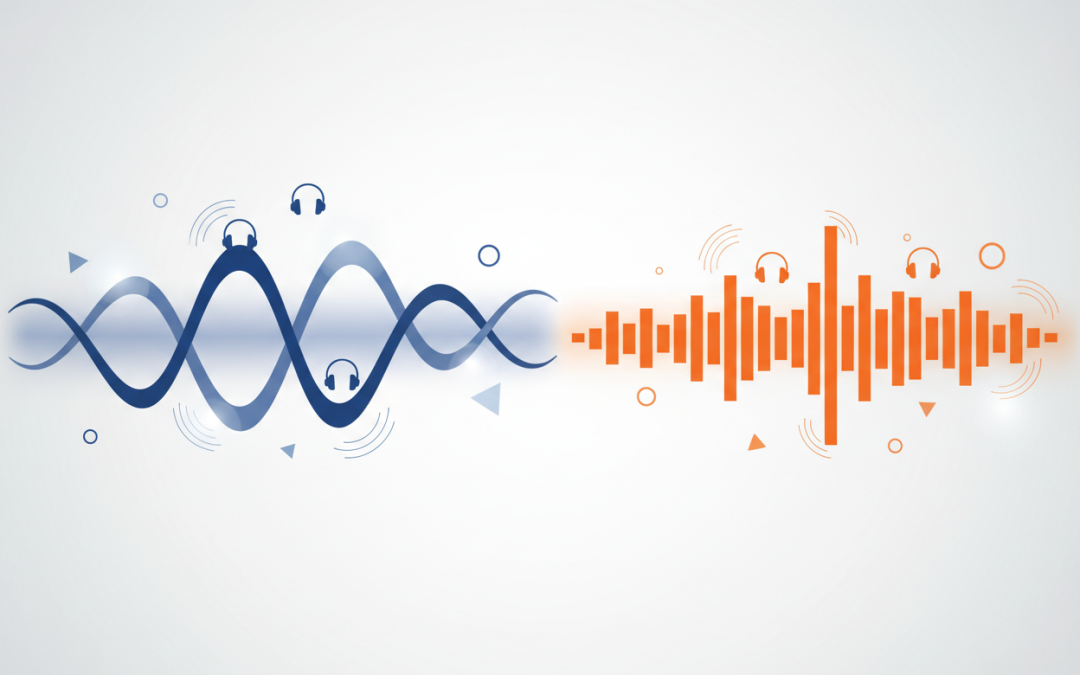
Using Isochronic Tones vs. Binaural Beats: A Comprehensive Comparison
Table of Contents
1. Introduction to Brainwave Entrainment
2. What Are Binaural Beats?
3. Understanding Isochronic Tones
4. Key Differences Between Isochronic Tones and Binaural Beats
5. Effectiveness and Scientific Evidence
6. Practical Applications and Use Cases
7. Which Option Should You Choose?
8. Getting Started: Tips for Beginners
9. Conclusion
10. Frequently Asked Questions
Introduction to Brainwave Entrainment
In our fast-paced world, finding effective ways to enhance focus, reduce stress, and improve sleep quality has become increasingly important. Two popular methods that have gained significant attention are isochronic tones and binaural beats. Both techniques fall under the umbrella of brainwave entrainment, a process that uses rhythmic stimuli to synchronize brainwaves with desired frequencies.
If you’ve ever wondered which method might work better for your specific needs, you’re not alone. Many people find themselves caught between these two approaches, unsure of their differences or which one to try first. This comprehensive comparison will help you understand the unique characteristics, benefits, and limitations of both isochronic tones and binaural beats.
Whether you’re seeking better meditation experiences, improved concentration, or simply curious about these fascinating audio technologies, this guide will provide you with the knowledge needed to make an informed decision.
What Are Binaural Beats?
Binaural beats represent one of the most well-known forms of brainwave entrainment. The concept is elegantly simple yet scientifically fascinating. When you listen to two slightly different frequencies in each ear simultaneously, your brain creates a third frequency – the binaural beat – which equals the difference between the two original tones.
For example, if you hear a 440 Hz tone in your left ear and a 444 Hz tone in your right ear, your brain will perceive a 4 Hz binaural beat. This phenomenon occurs because your brain attempts to reconcile the frequency difference, creating what scientists call a “phantom beat.”

The magic happens when this perceived beat frequency corresponds to natural brainwave patterns. Different brainwave frequencies are associated with various mental states: delta waves (0.5-4 Hz) with deep sleep, theta waves (4-8 Hz) with meditation and creativity, alpha waves (8-13 Hz) with relaxation, and beta waves (13-30 Hz) with focused attention.
Heinrich Wilhelm Dove first discovered binaural beats in 1839, but it wasn’t until the 1970s that researcher Gerald Oster brought them into the modern spotlight with his groundbreaking research on their potential therapeutic applications.
Understanding Isochronic Tones
Isochronic tones take a different approach to brainwave entrainment. Instead of relying on the brain’s ability to create phantom beats, isochronic tones use evenly spaced pulses of sound that turn on and off at regular intervals. Think of them as rhythmic pulses that directly stimulate your auditory system.
These tones are typically created by modulating a single frequency, creating distinct pulses separated by brief periods of silence. The rate at which these pulses occur determines the target brainwave frequency. For instance, if you want to achieve a 10 Hz alpha state, the isochronic tone would pulse ten times per second.
What makes isochronic tones particularly interesting is their directness. Unlike binaural beats, which require your brain to process and create the entrainment frequency, isochronic tones present the desired frequency pattern directly to your auditory system. This straightforward approach has led many researchers to suggest that isochronic tones might be more effective for brainwave entrainment.
The technique has roots in ancient practices, where rhythmic drumming and chanting were used to induce altered states of consciousness. Modern isochronic tones simply apply scientific precision to these time-tested methods.
Key Differences Between Isochronic Tones and Binaural Beats
Understanding the fundamental differences between these two methods is crucial for making an informed choice. The most obvious difference lies in how they’re delivered and processed by your brain.
Binaural beats require stereo headphones or earbuds because they depend on presenting different frequencies to each ear. Without this separation, the effect simply doesn’t work. Your brain needs to receive distinct frequencies in each ear to create the phantom beat phenomenon.
Isochronic tones, on the other hand, work perfectly well through speakers, headphones, or even a single earbud. Since they don’t rely on frequency differences between ears, you have much more flexibility in how you listen to them. This makes isochronic tones more practical for many situations, especially when sharing the experience with others or when headphone use isn’t convenient.
Another significant difference involves the listening experience itself. Binaural beats often create a subtle, almost subliminal effect that many people barely notice consciously. The phantom beat exists primarily in your brain’s processing, making it less obvious to your conscious awareness.
Isochronic tones are much more noticeable. You’ll clearly hear the rhythmic pulsing, which some people find more engaging and easier to follow. However, this obvious nature can also be distracting for some users, particularly during meditation or relaxation sessions.
The speed of entrainment also differs between the two methods. Some research suggests that isochronic tones may achieve brainwave synchronization more quickly than binaural beats, though individual responses vary significantly.
Effectiveness and Scientific Evidence
When it comes to scientific validation, both methods have research supporting their effectiveness, though the evidence varies in quality and scope. The research landscape for brainwave entrainment is still evolving, with new studies regularly adding to our understanding.
Binaural beats have been studied more extensively, partly due to their longer history in modern research. Studies have shown promising results for various applications, including anxiety reduction, pain management, and cognitive enhancement. A 2016 systematic review found that binaural beats could indeed influence brainwave activity and potentially affect mood and cognitive performance.
However, the research isn’t uniformly positive. Some studies have found minimal or no effects, highlighting the importance of individual differences in response to brainwave entrainment. Factors such as age, hearing ability, and personal sensitivity to auditory stimuli can all influence effectiveness.
Isochronic tones have received less research attention overall, but the studies that do exist are quite promising. Some research suggests that isochronic tones may be more effective than binaural beats for certain applications, particularly those requiring rapid entrainment or working with individuals who have hearing difficulties.
A notable advantage of isochronic tones in research settings is their consistency. Since they don’t rely on the brain’s ability to create phantom beats, researchers can be more confident that participants are receiving the intended stimulus. This makes isochronic tones potentially more reliable for scientific study.
Practical Applications and Use Cases
Both isochronic tones and binaural beats have found applications across numerous areas of life, from meditation and stress relief to cognitive enhancement and sleep improvement. Understanding which method works best for specific goals can help you choose the right approach.
For meditation and mindfulness practices, many practitioners prefer binaural beats due to their subtle nature. The phantom beat doesn’t interfere with meditation techniques that require focused attention on breath or mantras. The gentle, almost subliminal quality of binaural beats can enhance the meditative state without becoming a distraction.
Isochronic tones, with their more obvious rhythmic nature, can be excellent for guided meditations or when you want a clear auditory anchor for your practice. Some people find the distinct pulses helpful for maintaining focus, especially when starting their meditation journey.
For sleep applications, binaural beats often have an edge due to their gentler nature. As you drift toward sleep, the subtle phantom beat is less likely to keep you awake compared to the more pronounced pulses of isochronic tones. However, individual preferences vary significantly in this area.
When it comes to cognitive enhancement and focus, both methods show promise. Isochronic tones might have a slight advantage for tasks requiring sustained attention, as their rhythmic nature can help maintain alertness. Binaural beats may be better for creative tasks where a more relaxed, flow-like state is beneficial.
For stress relief and relaxation, both methods can be effective. The choice often comes down to personal preference and the specific context in which you’re using them.
Which Option Should You Choose?
Choosing between isochronic tones and binaural beats isn’t necessarily an either-or decision. Many people find value in both methods, using them for different purposes or at different times. However, certain factors can guide your initial choice.
Consider binaural beats if you prefer subtle, less noticeable entrainment, want to use them during meditation without distraction, enjoy the mystical aspect of phantom beats created by your brain, or primarily plan to use them for sleep or deep relaxation.
Isochronic tones might be better if you want flexibility in listening methods (speakers vs. headphones), prefer more obvious rhythmic guidance, have hearing differences between ears that might interfere with binaural beats, or want potentially faster entrainment effects.
Your lifestyle and listening preferences also matter. If you frequently share audio experiences with others or often find yourself in situations where headphones aren’t practical, isochronic tones offer more flexibility. If you prefer private, immersive experiences and don’t mind wearing headphones, binaural beats might be more appealing.
Individual sensitivity varies greatly. Some people are naturally more responsive to one method than the other. The only way to truly know which works better for you is through personal experimentation.
Getting Started: Tips for Beginners
Regardless of which method you choose to try first, certain guidelines can help you get the most out of your brainwave entrainment experience. Starting with realistic expectations is crucial – these aren’t magic solutions, but tools that can support your wellness goals when used consistently and appropriately.
Begin with shorter sessions, typically 10-15 minutes, and gradually increase duration as you become more comfortable with the experience. Your brain needs time to adapt to entrainment, and jumping into long sessions immediately can sometimes cause headaches or discomfort.
Choose high-quality audio sources and equipment. Poor audio quality can significantly impact effectiveness, particularly with binaural beats where precise frequency delivery is crucial. Invest in decent headphones if you’re planning to use binaural beats regularly.
Create a comfortable environment free from distractions. While brainwave entrainment can work in various settings, optimal results typically come from dedicated, peaceful environments where you can relax and focus on the experience.
Keep a journal of your experiences. Note which frequencies, methods, and durations work best for different goals. This personal data becomes invaluable for optimizing your practice over time.
Be patient and consistent. Like any wellness practice, brainwave entrainment often shows cumulative benefits with regular use. Don’t expect dramatic changes immediately, but do pay attention to subtle shifts in your mental state and overall well-being.
Conclusion
The choice between isochronic tones and binaural beats ultimately depends on your personal preferences, goals, and individual response to each method. Both techniques offer legitimate approaches to brainwave entrainment, each with unique advantages and characteristics.
Binaural beats provide a subtle, scientifically fascinating approach that works well for meditation, sleep, and situations where you want minimal conscious interference with the entrainment process. Their requirement for headphones and stereo separation makes them more suited to private, focused sessions.
Isochronic tones offer flexibility, directness, and potentially faster entrainment effects. Their ability to work through speakers makes them more versatile for various listening situations, though their more obvious nature may not suit everyone’s preferences.
Rather than viewing these methods as competitors, consider them complementary tools in your wellness toolkit. Many practitioners find value in both, using them for different purposes or alternating between them based on their current needs and circumstances.
The most important step is to start experimenting with whichever method appeals to you more initially. Pay attention to your responses, keep an open mind, and remember that the best brainwave entrainment method is the one you’ll actually use consistently. Your journey into brainwave entrainment is personal, and finding what works best for you is part of the discovery process.
Frequently Asked Questions
Q: Can I use isochronic tones and binaural beats together?
A: While technically possible, it’s generally not recommended to use both simultaneously as they may interfere with each other’s effectiveness. It’s better to use them separately and compare their individual effects on your mental state.
Q: How long should I listen to brainwave entrainment audio?
A: Start with 10-15 minute sessions and gradually increase to 30-60 minutes as you become more comfortable. Some people use longer sessions, but it’s important to listen to your body and avoid overexposure.
Q: Are there any side effects or safety concerns?
A: Most people can use brainwave entrainment safely, but some may experience headaches, dizziness, or discomfort initially. People with epilepsy, seizure disorders, or severe mental health conditions should consult healthcare providers before use.
Q: Do I need expensive equipment to try these methods?
A: Not necessarily. While good headphones improve the experience (especially for binaural beats), you can start with basic equipment. Many free apps and online resources offer quality brainwave entrainment audio.
Q: How quickly will I notice effects?
A: Some people notice immediate relaxation or focus changes, while others require several sessions to experience benefits. Consistent use over weeks typically produces the most noticeable and lasting effects.
Q: Can children use isochronic tones or binaural beats?
A: While generally considered safe, it’s best to consult with a pediatrician before introducing brainwave entrainment to children, especially those under 12 years old, as their brains are still developing.