
The Role of Brainwave Entrainment in Achieving Mental Equilibrium ?
In our fast-paced, always-connected world, finding mental equilibrium feels like chasing a moving target. You know that feeling when your mind races at 3 AM, replaying conversations or worrying about tomorrow’s deadlines? Or when stress has you so wound up that even a vacation doesn’t help you truly relax? If this sounds familiar, you’re not alone – and there might be a fascinating solution hiding in the rhythms of your own brain.
Brainwave entrainment, a technique that’s been quietly revolutionizing mental wellness, offers a scientifically-backed pathway to achieving the mental balance we all crave. But what exactly is it, and how can it help you find that elusive state of calm focus and emotional stability? Let’s dive deep into this remarkable phenomenon that’s changing how we approach mental health and cognitive enhancement.
Understanding Brainwave Entrainment: The Science Behind Mental Harmony ?
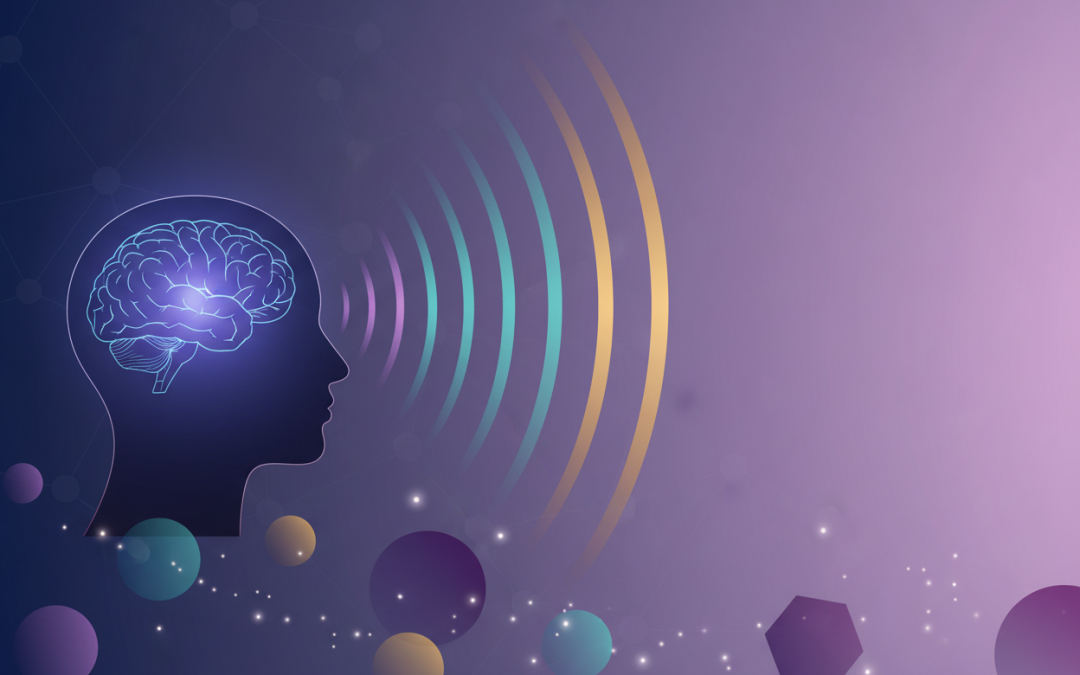
Imagine your brain as a sophisticated orchestra, with billions of neurons firing in synchronized patterns. These electrical impulses create what we call brainwaves – measurable frequencies that correspond to different states of consciousness. Brainwave entrainment is essentially the process of tuning this neural orchestra to play in harmony.
At its core, brainwave entrainment leverages a natural phenomenon called the “frequency following response.” When your brain is exposed to rhythmic stimuli at specific frequencies – whether through sound, light, or electromagnetic fields – it gradually begins to synchronize its electrical activity to match that external rhythm. It’s like how your heartbeat might sync up with a compelling piece of music, but happening at the neural level.

This isn’t just New Age wishful thinking. The concept has solid scientific foundations dating back to the 1930s when researchers first discovered that rhythmic light flashes could alter brainwave patterns. Since then, decades of research have validated the effectiveness of brainwave entrainment for various mental health applications.
The Different Types of Brainwaves and Their Impact on Mental State ?
To understand how brainwave entrainment works, we need to explore the five primary types of brainwaves and what they mean for your mental state:
Delta Waves (0.5-4 Hz): These are the slowest brainwaves, predominantly active during deep sleep and meditation. When you’re in a delta state, your body focuses on healing and regeneration. People struggling with insomnia or recovery issues often benefit from delta wave entrainment.
Theta Waves (4-8 Hz): Associated with deep relaxation, creativity, and the twilight state between waking and sleeping. Artists and writers often report their best ideas come during theta states. This frequency is also linked to emotional processing and memory consolidation.
Alpha Waves (8-12 Hz): The bridge between conscious and subconscious mind, alpha waves represent a calm, relaxed awareness. This is the state you experience during light meditation or when you’re completely absorbed in an enjoyable activity – what psychologists call “flow state.”
Beta Waves (12-30 Hz): Your normal waking consciousness operates primarily in beta. Low beta promotes focused attention, while high beta can indicate stress or anxiety. Most of us spend too much time in high beta, leading to mental fatigue and overwhelm.
Gamma Waves (30-100 Hz): The fastest brainwaves, associated with heightened awareness, insight, and moments of “aha!” These waves appear during intense focus and are thought to play a role in consciousness itself.
How Brainwave Entrainment Promotes Mental Equilibrium ??
Mental equilibrium isn’t about maintaining a flat, emotionless state – it’s about developing the flexibility to move between different mental states as needed. Think of it like being a skilled driver who can smoothly shift gears depending on road conditions. Brainwave entrainment helps train your brain to make these transitions more effectively.
When you’re stuck in chronic stress (high beta), your nervous system becomes dysregulated. You might find it difficult to relax even when you want to, or you might struggle to focus when you need to be productive. Brainwave entrainment acts like a reset button, helping guide your brain back to more balanced patterns.
The process works gradually. Regular exposure to specific frequencies literally rewires your neural pathways through neuroplasticity – your brain’s ability to form new connections. Over time, your brain becomes more adept at naturally accessing these beneficial states without external assistance.
Research has shown that consistent brainwave entrainment practice can lead to improved emotional regulation, better stress management, enhanced creativity, and more restorative sleep. It’s like giving your brain a comprehensive workout that strengthens its ability to maintain equilibrium under pressure.
Common Methods and Technologies for Brainwave Entrainment ?
The beauty of brainwave entrainment lies in its accessibility. You don’t need expensive equipment or years of training to get started. Here are the most common and effective methods:
Binaural Beats: Perhaps the most popular form, binaural beats involve playing slightly different frequencies in each ear. Your brain processes the difference between these frequencies, creating the entrainment effect. For example, if you hear 440 Hz in your left ear and 450 Hz in your right ear, your brain will entrain to the 10 Hz difference (alpha frequency).
Isochronic Tones: These are evenly spaced pulses of sound that turn on and off rapidly. Unlike binaural beats, isochronic tones don’t require headphones and many people find them more effective. The rhythmic pulsing directly stimulates the brain’s frequency following response.
Monaural Beats: Similar to binaural beats but mixed together before reaching your ears, monaural beats can be played through speakers and still maintain their entrainment properties. They’re often easier for beginners to work with.
Light Therapy: Specialized devices use flickering lights at specific frequencies to entrain brainwaves through visual stimulation. This method can be particularly effective for seasonal depression and circadian rhythm disorders.
Electromagnetic Field Stimulation: Advanced devices like PEMF (Pulsed Electromagnetic Field) therapy use magnetic fields to influence brainwave patterns. While more expensive, these technologies offer precise control over entrainment frequencies.
Real-World Applications: From Stress Relief to Peak Performance ?
The applications of brainwave entrainment extend far beyond simple relaxation. Mental health professionals, athletes, students, and creative professionals are discovering its versatility for various goals:
Anxiety and Stress Management: Alpha and theta frequencies can help calm an overactive nervous system. Many therapists now incorporate brainwave entrainment into treatment plans for anxiety disorders, finding it particularly effective when combined with traditional therapies.
Sleep Optimization: Delta wave entrainment can help people with insomnia achieve deeper, more restorative sleep. Unlike sleep medications, this approach works with your brain’s natural rhythms rather than suppressing them.
Cognitive Enhancement: Students and professionals use beta and gamma frequencies to improve focus, memory, and learning capacity. The key is finding the right frequency for your specific cognitive goals.
Creative Breakthrough: Artists, writers, and innovators often use theta entrainment to access deeper levels of creativity and insight. Many report breakthrough moments during or shortly after theta sessions.
Athletic Performance: Athletes use brainwave entrainment for both performance enhancement (beta/gamma for focus) and recovery (alpha/theta for relaxation and visualization).
Getting Started: A Practical Guide to Brainwave Entrainment ?
If you’re intrigued by the possibilities of brainwave entrainment, here’s how to begin your journey safely and effectively:
Start Simple: Begin with free binaural beat tracks available online or through apps. Look for tracks specifically designed for relaxation or focus, depending on your primary goal. YouTube and Spotify have extensive collections to explore.
Create the Right Environment: Find a quiet space where you won’t be interrupted. Dim lighting, comfortable seating, and removal of distractions will enhance your experience. Think of it as creating a sanctuary for your mind.
Time It Right: Start with 10-15 minute sessions and gradually increase duration as you become more comfortable. Many people find morning sessions energizing and evening sessions deeply relaxing.
Be Consistent: Like any practice that rewires the brain, consistency matters more than duration. Daily 15-minute sessions will be more beneficial than occasional hour-long sessions.
Listen to Your Body: Pay attention to how different frequencies affect you. Some people are more sensitive to certain ranges, and what works for others might not work for you. Trust your experience and adjust accordingly.
Track Your Progress: Keep a simple journal noting your mood, energy levels, and sleep quality. This will help you identify which frequencies and timing work best for your unique needs.
Safety Considerations and Who Should Exercise Caution ??
While brainwave entrainment is generally safe for most people, certain individuals should exercise caution or consult healthcare providers before beginning practice:
People with epilepsy or seizure disorders should avoid light-based entrainment and use audio methods only under medical supervision. The rhythmic stimulation could potentially trigger seizures in susceptible individuals.
Those with pacemakers or other electronic medical devices should be cautious with electromagnetic entrainment methods. While rare, there’s potential for interference with device function.
Individuals with severe mental health conditions should work with qualified professionals when incorporating brainwave entrainment into their treatment plan. While beneficial, it shouldn’t replace professional treatment.
Pregnant women should consult their healthcare providers, as the effects of brainwave entrainment during pregnancy haven’t been extensively studied.
Children can generally use brainwave entrainment safely, but sessions should be shorter and frequencies should be carefully chosen based on their developing nervous systems.
The Future of Brainwave Entrainment: Emerging Trends and Technologies ?
As our understanding of neuroscience advances, brainwave entrainment technologies are becoming increasingly sophisticated. Researchers are developing personalized entrainment protocols based on individual brainwave patterns, making treatments more targeted and effective.
Virtual and augmented reality platforms are beginning to incorporate brainwave entrainment, creating immersive experiences that combine visual, auditory, and sometimes haptic stimulation for enhanced effectiveness. Imagine meditating in a virtual forest while your brainwaves are gently guided to optimal frequencies.
Artificial intelligence is also entering the field, with smart systems that can analyze your real-time brainwave patterns and adjust entrainment frequencies accordingly. This technology promises to make brainwave entrainment as personalized as a fingerprint.
Wearable devices are making brainwave monitoring and entrainment more accessible than ever. Soon, you might have a device that automatically provides gentle entrainment throughout the day to maintain optimal mental states.
Conclusion: Your Journey to Mental Equilibrium Begins Now ?
Brainwave entrainment represents a fascinating intersection of ancient wisdom and modern science. While meditation masters have long understood the importance of mental states, we now have the technology to guide our brains toward equilibrium with unprecedented precision.
The journey to mental equilibrium isn’t about achieving a perfect state of calm – it’s about developing the flexibility to navigate life’s challenges with greater resilience and clarity. Brainwave entrainment offers a practical, accessible tool for this journey, backed by solid science and validated by countless personal experiences.
Whether you’re dealing with stress, seeking enhanced creativity, or simply wanting to optimize your mental performance, brainwave entrainment provides a pathway worth exploring. Start small, be consistent, and pay attention to your unique responses. Your brain has an incredible capacity for positive change – sometimes it just needs the right rhythm to guide it home.
Remember, achieving mental equilibrium is a practice, not a destination. With patience, consistency, and the right tools, you can develop the neural flexibility to thrive in our complex world while maintaining your inner balance. Your journey toward optimal mental wellness starts with a single session, a single breath, and a willingness to explore the remarkable potential of your own mind.
Roshiwave Meditation Mind Machine
Add CTA sections description.