The Journey of Brainwaves: From Chaos to Calm with Relaxation Technology ??
Table of Contents
• Understanding Brainwaves and Mental States
• The Science Behind Brainwave Patterns
• How Stress Creates Chaotic Brainwave Activity
• Modern Relaxation Technology Solutions
• Binaural Beats and Frequency Entrainment
• Neurofeedback and Real-Time Monitoring
• Meditation Apps and Guided Relaxation
• The Transformation Process: From Chaos to Calm
• Benefits of Regulated Brainwave Patterns
• Choosing the Right Technology for You
• Frequently Asked Questions
Introduction: Your Brain’s Hidden Symphony
Imagine your brain as an orchestra where billions of neurons are musicians, each playing their own unique rhythm. Sometimes this orchestra creates beautiful, harmonious music – those moments when you feel calm, focused, and at peace. Other times, it sounds more like a chaotic jam session where everyone’s playing different songs at once – that’s when stress, anxiety, and mental fog take over. ?
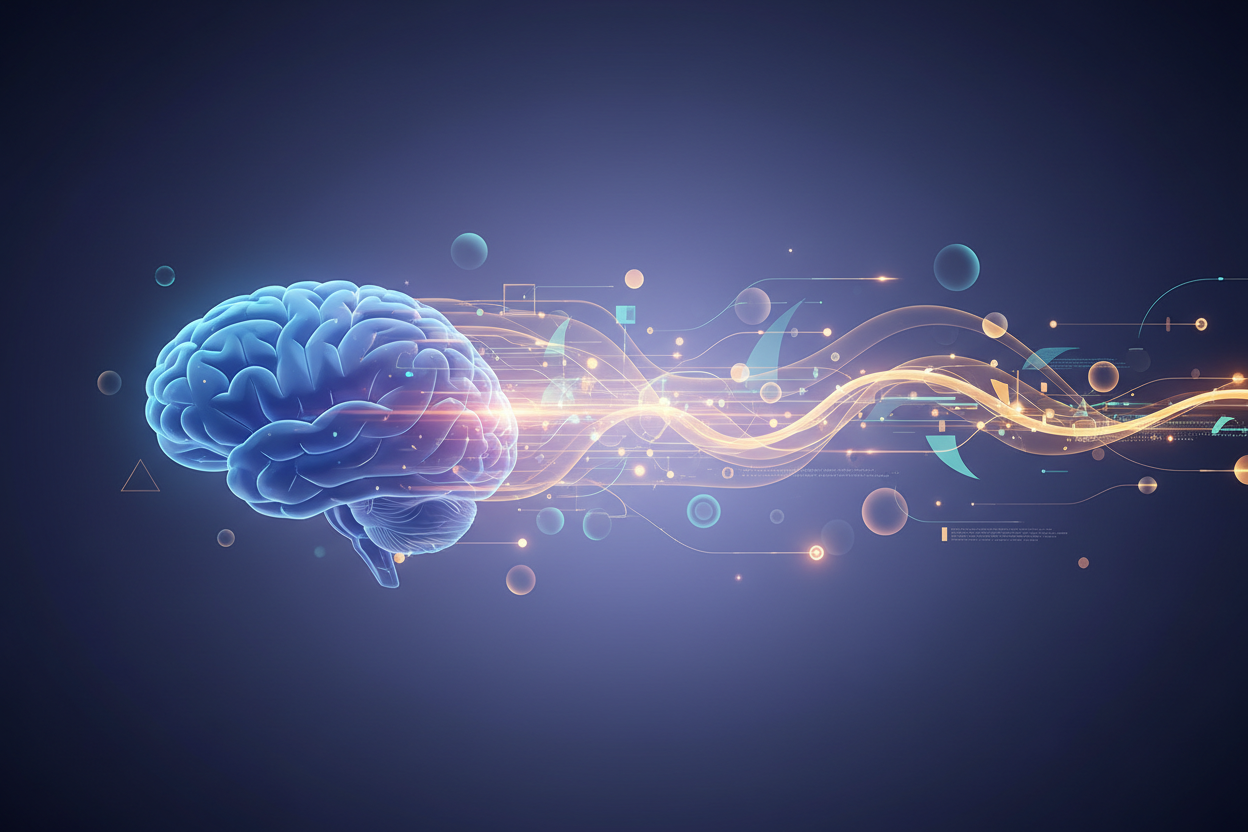
The fascinating world of brainwaves offers us a window into understanding these mental states, and even more exciting, modern relaxation technology gives us the tools to conduct our own neural orchestra. This journey from mental chaos to tranquil calm isn’t just wishful thinking – it’s backed by decades of neuroscience research and increasingly accessible through innovative technologies.
Whether you’re dealing with chronic stress, struggling with sleep issues, or simply seeking better mental clarity, understanding how brainwaves work and how technology can help regulate them might just be the key to unlocking a calmer, more balanced version of yourself.
Understanding Brainwaves and Mental States
Your brain never truly rests. Even while you sleep, it’s buzzing with electrical activity, creating patterns that scientists call brainwaves. Think of these as the brain’s natural rhythm – like a heartbeat, but for your mind. These electrical impulses occur at different frequencies, and each frequency range corresponds to different mental and emotional states.
The relationship between brainwaves and how we feel isn’t coincidental. When you’re stressed, your brainwaves literally look chaotic on monitoring equipment – erratic, fast-paced, and inconsistent. Conversely, when you’re deeply relaxed or in a meditative state, your brainwaves show smooth, rhythmic patterns that reflect your inner calm.
What’s truly remarkable is that this relationship works both ways. While your mental state influences your brainwave patterns, you can also influence your mental state by intentionally shifting your brainwave patterns. This is where relaxation technology steps in as a powerful ally in your journey toward better mental wellness.
The Science Behind Brainwave Patterns
Brainwaves are categorized into five main types, each associated with specific mental states and frequencies measured in Hertz (Hz). Understanding these categories helps explain why certain relaxation technologies work so effectively.
Gamma waves (30-100 Hz) represent our highest level of cognitive functioning. When you’re having those “aha!” moments or feeling particularly sharp and focused, gamma waves are likely dominating your brain activity. However, excessive gamma activity can also indicate anxiety or overstimulation.
Beta waves (13-30 Hz) are your brain’s “awake and alert” frequency. Normal beta activity helps you stay focused during daily tasks, but when beta waves become too intense or persistent, they create that familiar feeling of mental chatter and stress that many of us experience regularly.
Alpha waves (8-13 Hz) emerge when you’re relaxed but still alert – that peaceful state you might experience while watching a sunset or during light meditation. Alpha waves serve as a bridge between conscious thought and deeper relaxation states.
Theta waves (4-8 Hz) occur during deep meditation, creativity, and the early stages of sleep. This is where profound relaxation begins, and many people report feeling deeply peaceful when their brains produce more theta activity.
Delta waves (0.5-4 Hz) are the slowest brainwaves, associated with deep, restorative sleep and healing. When delta waves are present during waking hours, they can indicate a state of profound relaxation and renewal.
How Stress Creates Chaotic Brainwave Activity
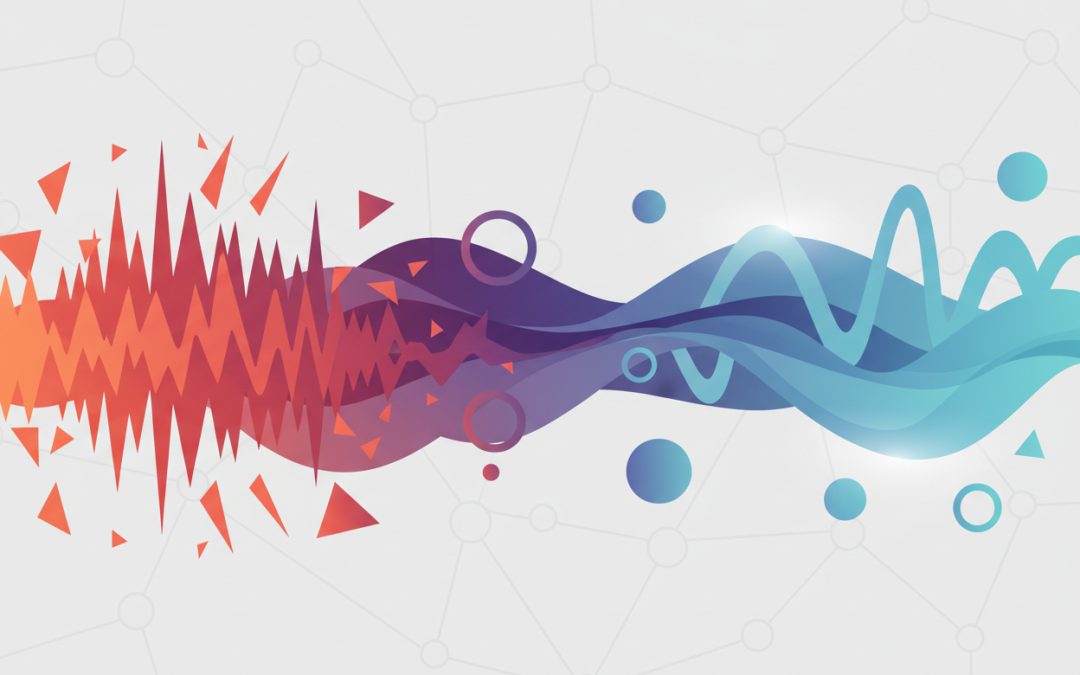
Modern life has a way of throwing our neural orchestra into complete disarray. When you’re stressed, your brain gets stuck in high-beta and gamma frequencies, creating what researchers describe as “neural noise.” This isn’t just a metaphor – brain scans of stressed individuals literally show chaotic, irregular patterns that look nothing like the smooth waves of a calm mind. ?
Chronic stress compounds this problem by creating a feedback loop. Your chaotic brainwaves make you feel more anxious, which generates more chaotic brainwaves, which increases anxiety, and so on. It’s like being trapped in a mental tornado where the harder you try to find calm, the more elusive it becomes.
The physical effects of this neural chaos extend far beyond just “feeling stressed.” Irregular brainwave patterns can disrupt sleep, impair memory and concentration, weaken immune function, and even contribute to physical pain. Your brain’s electrical activity influences everything from hormone production to heart rate variability.
This is why simply telling someone to “just relax” rarely works. When your brainwaves are stuck in chaotic patterns, willpower alone often isn’t enough to shift them back to calm, coherent rhythms. You need tools and techniques specifically designed to guide your brain back to its natural, peaceful state.
Modern Relaxation Technology Solutions
The good news is that we’re living in an unprecedented era of relaxation technology. Scientists and developers have created sophisticated tools that can help guide your brainwaves from chaos back to calm, often in just minutes rather than the hours or days it might take through traditional methods alone.
These technologies work by providing your brain with gentle guidance – think of them as training wheels for your nervous system. They don’t force relaxation; instead, they create conditions that make it easier for your brain to naturally shift into calmer states. The beauty of modern relaxation technology lies in its accessibility and effectiveness for people who might struggle with traditional meditation or relaxation techniques.
From smartphone apps that use scientifically-designed audio to sophisticated biofeedback devices that monitor your brainwaves in real-time, these tools are making profound relaxation states available to anyone willing to explore them. The key is understanding which technologies align best with your specific needs and preferences.
Binaural Beats and Frequency Entrainment
One of the most fascinating and accessible forms of relaxation technology involves binaural beats – a phenomenon discovered in 1839 that’s only recently gained widespread attention. When you listen to slightly different frequencies in each ear (say, 440 Hz in your left ear and 444 Hz in your right), your brain creates a third tone at 4 Hz – the difference between the two frequencies. ?
This process, called frequency entrainment, essentially allows you to “tune” your brainwaves like tuning a radio. Want to encourage alpha waves for relaxed alertness? Listen to binaural beats in the 8-13 Hz range. Need deeper relaxation? Theta frequencies between 4-8 Hz can guide your brain toward meditative states.
What makes binaural beats particularly appealing is their simplicity and effectiveness. You don’t need expensive equipment or years of meditation training – just a good pair of headphones and 20-30 minutes of listening time. Many users report noticeable shifts in their mental state within just a few minutes of listening.
Research has shown that binaural beats can reduce anxiety, improve focus, enhance creativity, and even help with pain management. The technology works because your brain naturally wants to synchronize with rhythmic stimuli – it’s the same principle that makes us naturally walk in step with music or feel drowsy when listening to gentle, repetitive sounds.
Neurofeedback and Real-Time Monitoring
For those seeking a more precise approach to brainwave regulation, neurofeedback technology offers real-time insights into your brain’s electrical activity. Modern neurofeedback devices use EEG sensors to monitor your brainwaves and provide immediate feedback, allowing you to see exactly how different thoughts, emotions, or relaxation techniques affect your neural patterns.
Imagine being able to watch your stress levels drop in real-time as you practice breathing exercises, or seeing your focus improve as you engage in meditation. That’s the power of neurofeedback – it makes the invisible visible, transforming abstract concepts like “relaxation” into concrete, measurable changes in your brain activity.
Consumer-grade neurofeedback devices have become increasingly sophisticated and affordable. Some use simple LED lights that change color based on your brainwave states, while others connect to smartphone apps that gamify the relaxation process. You might control a virtual balloon’s height with your level of calm, or watch peaceful animations that respond to your brain’s alpha wave production.
The advantage of neurofeedback is that it provides objective confirmation of your progress. Instead of wondering whether your relaxation practice is “working,” you can see concrete evidence of positive changes in your brainwave patterns, which often motivates people to stick with their wellness routines long-term.
Meditation Apps and Guided Relaxation
The smartphone revolution has democratized access to relaxation technology through sophisticated meditation and wellness apps. These aren’t just simple audio recordings – many incorporate advanced features like adaptive algorithms that adjust to your progress, biometric integration that responds to your heart rate, and personalized programs based on your specific stress patterns and goals. ?
Modern meditation apps often combine multiple relaxation technologies. You might find guided meditations that incorporate binaural beats, breathing exercises synchronized with visual cues, and progress tracking that helps you understand which techniques work best for your unique brain patterns.
What’s particularly valuable about app-based relaxation technology is its integration with daily life. Unlike traditional meditation practices that require dedicated time and space, these tools can provide quick stress relief during a busy workday, help you fall asleep faster at night, or guide you through morning routines that set a calm tone for your entire day.
Many apps also incorporate social features and community support, recognizing that the journey from chaos to calm is often easier when shared with others who understand the challenges of modern stress and the benefits of technological assistance in managing it.
The Transformation Process: From Chaos to Calm
The journey from chaotic brainwaves to calm, coherent patterns isn’t always linear, and understanding this helps set realistic expectations for your relaxation technology experience. Most people notice initial benefits within their first few sessions – perhaps a sense of mental quiet they haven’t experienced in months, or an ability to fall asleep more easily.
However, the deeper transformation happens gradually over weeks and months of consistent practice. Your brain is essentially learning new patterns, and like any learning process, it requires repetition and patience. The chaotic neural pathways that developed over years of chronic stress don’t disappear overnight, but they can be gradually replaced with calmer, more balanced patterns.
Many users describe the transformation as layers of tension slowly peeling away. First, you might notice that your shoulders aren’t constantly hunched. Then you realize you’re sleeping more soundly. Eventually, you find that situations that previously triggered intense stress responses feel more manageable – not because the situations have changed, but because your brain’s default response patterns have shifted toward calm rather than chaos.
The most profound changes often occur in your relationship with stress itself. Instead of feeling like a victim of your anxious thoughts and chaotic mental states, relaxation technology helps you develop a sense of agency over your internal experience. You begin to understand that calm isn’t just something that happens to you occasionally – it’s a state you can actively cultivate and return to when needed. ?
Benefits of Regulated Brainwave Patterns
When your brainwaves shift from chaos to calm, the benefits extend far beyond just “feeling better.” Regulated brainwave patterns create a cascade of positive effects throughout your entire system, influencing everything from cognitive performance to physical health.
Enhanced cognitive function is often the first benefit people notice. When your brain isn’t consumed by chaotic stress patterns, mental resources become available for focus, creativity, and problem-solving. Many users report improved memory, clearer thinking, and better decision-making abilities after establishing regular relaxation technology practices.
Improved sleep quality naturally follows brainwave regulation. When you can guide your brain into theta and delta states more easily, falling asleep becomes less of a nightly struggle and more of a natural transition. Deep, restorative sleep then supports better brainwave patterns during waking hours, creating a positive cycle.
Emotional regulation becomes significantly easier when your baseline brainwave patterns are calm and coherent. Instead of emotional reactions feeling overwhelming and uncontrollable, you develop the ability to observe your feelings with greater clarity and respond rather than simply react to challenging situations.
Physical health improvements often surprise people who initially sought relaxation technology purely for stress relief. Regulated brainwaves support better immune function, reduced inflammation, improved heart rate variability, and decreased muscle tension. Your brain’s electrical activity influences your entire nervous system, so calming your brainwaves calms your whole body.
Choosing the Right Technology for You
With so many relaxation technologies available, finding the right approach for your unique needs and preferences is crucial for long-term success. Consider your lifestyle, technology comfort level, specific goals, and personal preferences when exploring different options.
If you’re always on the go and need flexibility, smartphone apps with offline capabilities might be your best starting point. For those who love data and want to track their progress objectively, neurofeedback devices provide detailed insights into your brainwave patterns and improvement over time.
Budget considerations matter too. Binaural beat recordings and basic meditation apps offer powerful benefits at minimal cost, while sophisticated neurofeedback systems represent a larger investment but provide more personalized guidance and feedback.
Don’t feel pressured to choose just one approach. Many people find that combining different technologies creates the most comprehensive support for their journey from chaos to calm. You might use a meditation app for daily practice, binaural beats for quick stress relief during busy days, and periodic neurofeedback sessions to monitor your progress and fine-tune your approach.
Most importantly, choose technologies that you’ll actually use consistently. The most sophisticated relaxation device in the world won’t help if it sits unused in a drawer, while a simple app that you enjoy using daily can create profound positive changes in your brainwave patterns and overall well-being.
Conclusion: Embracing Your Neural Journey
The journey of brainwaves from chaos to calm represents more than just stress relief – it’s a pathway to reclaiming agency over your mental and emotional experience. In our fast-paced, often overwhelming world, relaxation technology offers hope and practical solutions for anyone seeking greater peace and mental clarity.
Understanding that your brainwaves directly influence how you feel, think, and function empowers you to take an active role in your mental wellness. Whether you choose binaural beats, neurofeedback, meditation apps, or a combination of approaches, you’re investing in your brain’s natural ability to find balance and calm.
Remember that this journey is uniquely yours. Your brain’s patterns, your stress triggers, and your path to calm will be different from anyone else’s. Be patient with yourself as you explore different technologies and techniques. The goal isn’t perfection – it’s progress toward a calmer, more balanced relationship with your own mind.
As you embark on or continue this journey, celebrate the small victories. Notice when you sleep a little better, when stressful situations feel slightly more manageable, or when you experience moments of genuine calm that might have been rare before. These are signs that your brainwaves are shifting from chaos toward the coherent, peaceful patterns that support your best self. ?????
Frequently Asked Questions
How long does it take to see results from relaxation technology?
Most people notice some immediate effects during their first session, such as feeling more relaxed or less mentally scattered. However, lasting changes in brainwave patterns typically develop over 2-8 weeks of consistent practice. The key is regular use rather than occasional sessions.
Are there any side effects from using brainwave technology?
Relaxation technologies are generally very safe for healthy individuals. Some people may experience mild headaches when first using binaural beats, or feel unusually drowsy after deep relaxation sessions. If you have epilepsy, seizure disorders, or serious mental health conditions, consult your healthcare provider before using any brainwave technology.
Can relaxation technology replace medication for anxiety or depression?
While relaxation technology can be a valuable complement to mental health treatment, it should not replace prescribed medications or professional therapy without consulting your healthcare provider. Many people find that these tools enhance their existing treatment plans and provide additional coping strategies.
Do I need expensive equipment to benefit from brainwave technology?
Not at all! You can start with free meditation apps or affordable binaural beat recordings. While advanced neurofeedback devices offer additional features, many people achieve significant benefits using simple, accessible technologies that cost less than a monthly coffee shop habit.
How often should I use relaxation technology?
Consistency matters more than duration. Using relaxation technology for 10-20 minutes daily typically produces better results than hour-long sessions once or twice per week. Many people find that short morning sessions help set a calm tone for their day, while evening sessions support better sleep.
Can children use brainwave relaxation technology?
Many relaxation technologies are safe and beneficial for children, particularly guided meditation apps and gentle binaural beats. However, children’s brains are still developing, so it’s wise to start with shorter sessions and consult with pediatric healthcare providers if you have concerns about your child’s stress levels or sleep patterns.
Roshiwave Meditation Mind Machine
Add CTA sections description.