
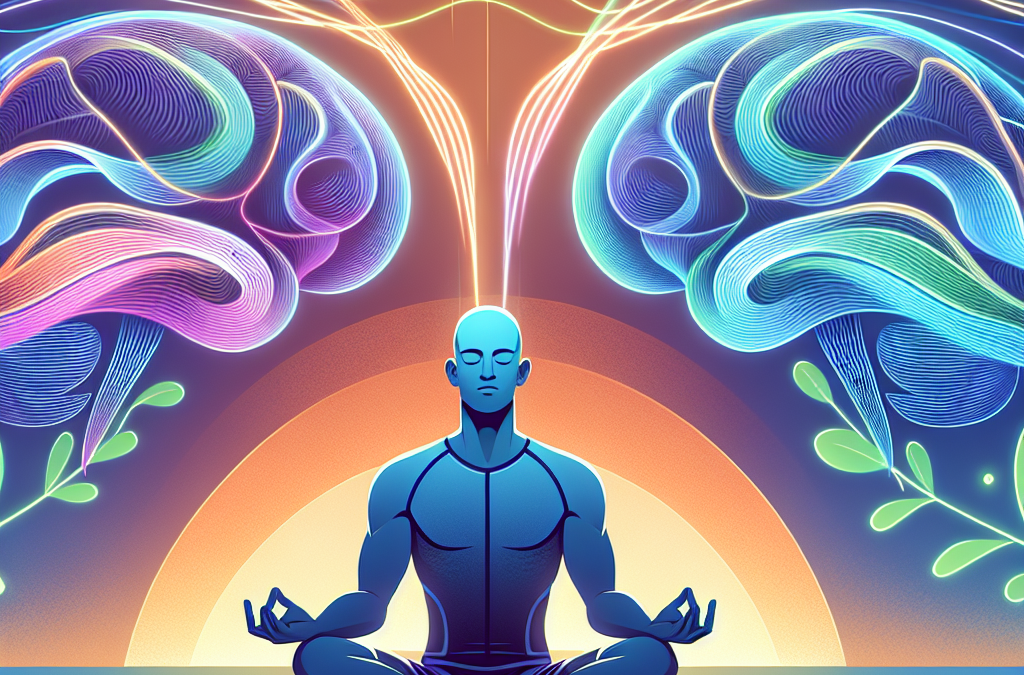
The Impact of Meditation on Brainwave Patterns in Athletes
In the competitive world of athletics, the pursuit of an edge is relentless. While physical training is paramount, mental conditioning is increasingly recognized as a crucial component of success. One practice gaining traction is meditation, known for its profound impact on brainwave patterns. In this blog post, we’ll explore how meditation influences athletes’ brainwave activity, enhancing their performance both in and out of competition.
Introduction to Brainwaves and Meditation
Brainwaves are the electrical impulses in the brain that fluctuate at different frequencies, typically categorized into five types: Delta, Theta, Alpha, Beta, and Gamma. These waves reflect different states of consciousness, from deep sleep to intense focus.
Meditation, an ancient practice with roots in various cultures, is now scientifically recognized for its ability to modulate brainwave activity. For athletes, understanding and harnessing these changes can be a game-changer.
How Meditation Alters Brainwave Patterns
During meditation, the brain experiences a shift in dominant brainwave patterns. Let’s look at how different types of meditation influence these patterns:
Delta and Theta Waves: Deep Relaxation
Delta waves (1-3 Hz) are associated with deep sleep and restorative healing, while Theta waves (4-7 Hz) signify deep relaxation and creativity. Meditation promotes the presence of these waves, facilitating recovery and mental rejuvenation, crucial for athletes who often face intense physical demands.
Alpha Waves: Calm Alertness
Alpha waves (8-12 Hz) are linked to a state of relaxed alertness. Regular meditation increases these waves, helping athletes maintain calm under pressure and enhancing their ability to stay focused during competitions.
Beta and Gamma Waves: Heightened Focus
Beta waves (13-30 Hz) indicate active thinking and problem-solving, while Gamma waves (>30 Hz) are associated with peak concentration and cognitive functioning. Meditation helps athletes regulate these waves, improving concentration and decision-making skills during high-stakes moments.
The Benefits of Meditation for Athletes
Enhanced Focus and Concentration
One of the most significant benefits of meditation is heightened focus. Athletes who meditate regularly report improved concentration, allowing them to tune out distractions and maintain peak performance levels.
Improved Recovery and Reduced Stress
Meditation activates the parasympathetic nervous system, promoting recovery and reducing stress. This is vital for athletes who need to recover quickly between training sessions and competitions.
Greater Emotional Resilience
Sports can be emotionally taxing. Meditation helps athletes develop greater emotional resilience, equipping them to handle the highs and lows of competitive sports with equanimity.
Incorporating Meditation into Athletic Training
Integrating meditation into an athlete’s routine doesn’t have to be complicated. Here are some practical tips:
Start Small
Begin with just a few minutes a day. Even short sessions can lead to noticeable benefits over time.
Consistency is Key
Regular practice is crucial. Aim to meditate at the same time each day to build a habit.
Experiment with Different Techniques
Explore various meditation styles, such as mindfulness, guided meditation, or transcendental meditation, to find what works best for you.
Conclusion
The impact of meditation on brainwave patterns offers athletes a powerful tool to enhance performance. By fostering deep relaxation, improving focus, and enhancing emotional resilience, meditation complements physical training and can lead to remarkable improvements in both personal and professional arenas. As more athletes embrace this practice, the potential for unlocking new levels of performance becomes increasingly attainable.
Table of Contents
1. Introduction to Brainwaves and Meditation
2. How Meditation Alters Brainwave Patterns
3. The Benefits of Meditation for Athletes
4. Incorporating Meditation into Athletic Training
5. Conclusion
FAQs
Q: How long does it take to see the benefits of meditation for athletes?
A: While some benefits can be felt almost immediately, such as a sense of calm, other benefits like improved focus and increased resilience may take a few weeks of consistent practice.
Q: Can meditation replace physical training for athletes?
A: No, meditation is not a substitute for physical training but rather a complementary practice that can enhance an athlete’s overall performance and well-being.
Q: Is meditation suitable for all types of athletes?
A: Yes, meditation can benefit athletes across all sports by enhancing mental clarity, reducing stress, and promoting recovery.
? Embrace the power of meditation and unlock your athletic potential today! ?
Roshiwave Meditation Mind Machine
Add CTA sections description.