How to Use Relaxation Technology for Enhanced Meditation Practices ????
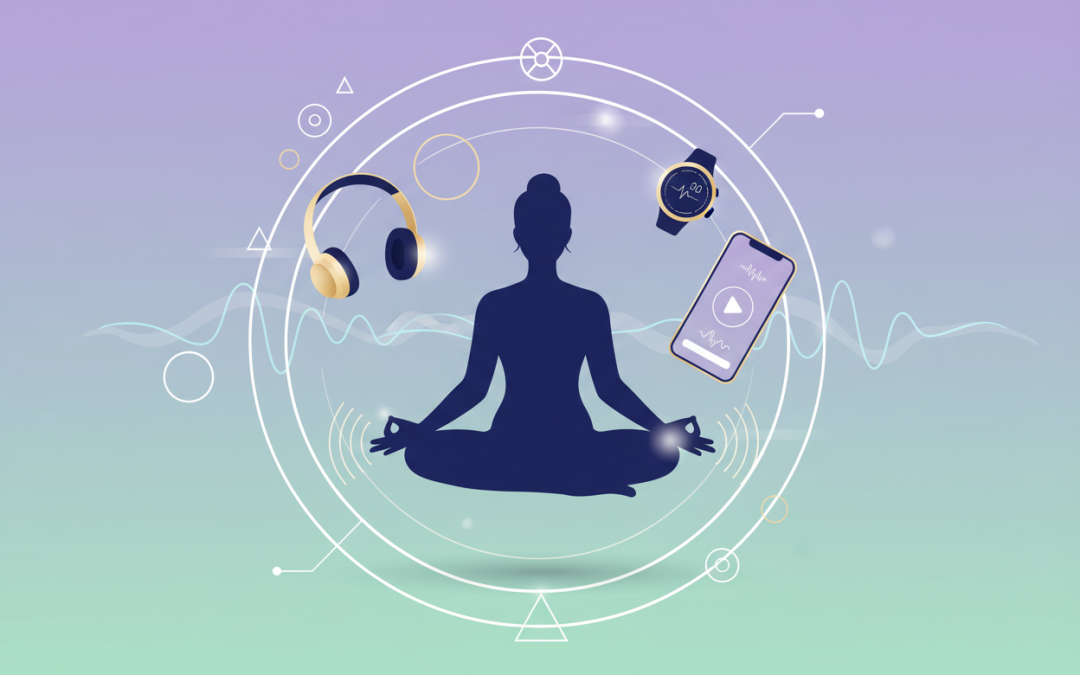
In our fast-paced digital world, finding moments of peace and tranquility can feel like searching for a needle in a haystack. Yet, ironically, the same technology that often overwhelms us can also become our greatest ally in achieving deeper states of meditation and relaxation. I’ve personally discovered that combining traditional meditation practices with modern relaxation technology has transformed my mindfulness journey in ways I never expected.
Whether you’re a seasoned meditator looking to deepen your practice or a complete beginner feeling overwhelmed by where to start, relaxation technology offers innovative pathways to inner peace. From binaural beats that synchronize your brainwaves to smart meditation cushions that track your posture, these tools aren’t meant to replace the essence of meditation—they’re designed to enhance and support your natural ability to find stillness within.
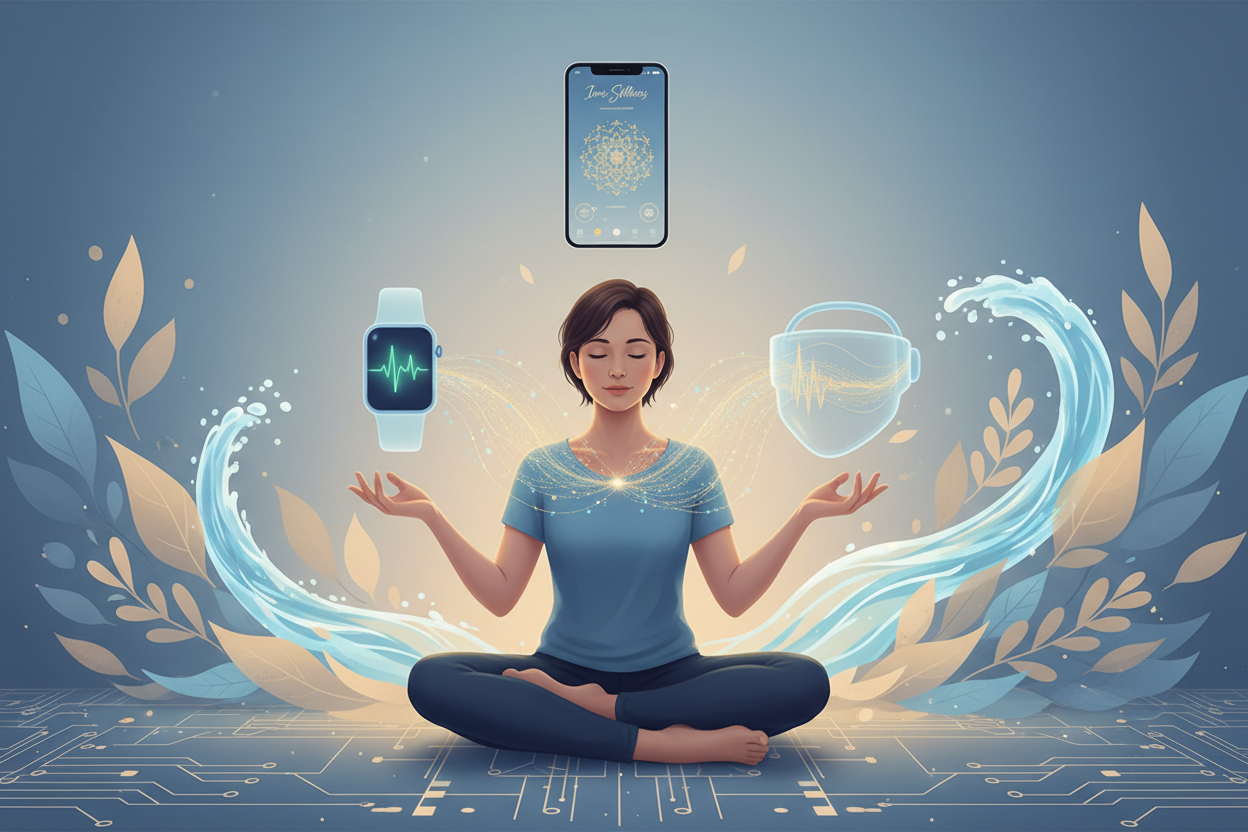
Table of Contents
• Understanding Relaxation Technology and Its Benefits
• Essential Relaxation Technologies for Meditation
• Binaural Beats and Brainwave Entrainment
• Smart Meditation Apps and Guided Sessions
• Wearable Technology for Mindfulness Tracking
• Creating the Perfect Tech-Enhanced Meditation Environment
• Common Mistakes to Avoid When Using Meditation Technology
• Frequently Asked Questions
Understanding Relaxation Technology and Its Benefits ?
Relaxation technology encompasses a broad range of digital tools, devices, and applications designed to facilitate stress reduction, promote mental clarity, and enhance overall well-being. These technologies work by leveraging scientific principles of neuroscience, psychology, and physiology to create optimal conditions for meditation and relaxation.
The beauty of incorporating technology into your meditation practice lies in its ability to provide measurable feedback and consistent guidance. Unlike traditional meditation, where progress can feel subjective and difficult to track, relaxation technology offers concrete data about your heart rate variability, breathing patterns, and even brainwave activity. This information becomes invaluable for understanding your body’s responses and optimizing your practice accordingly.
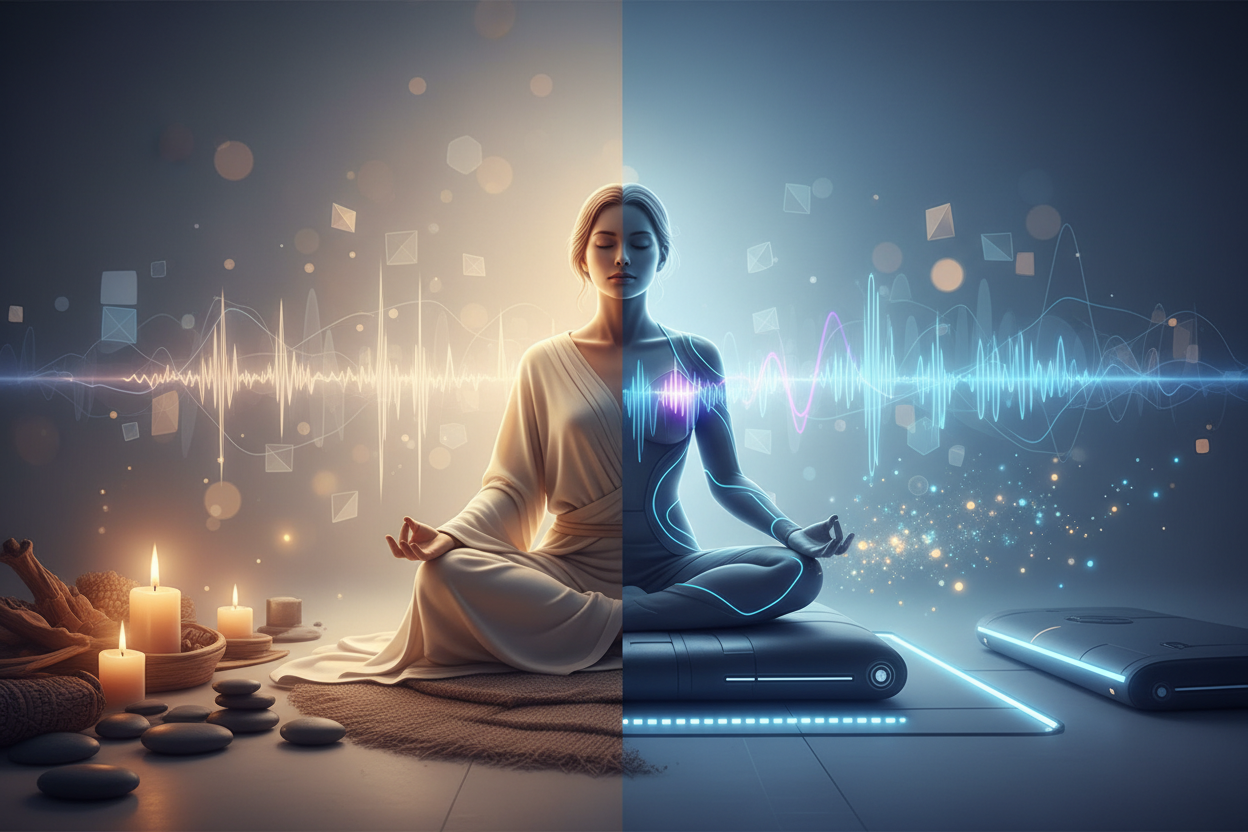
Research has shown that technology-assisted meditation can accelerate the learning curve for beginners while providing advanced practitioners with new dimensions to explore. A study published in the Journal of Medical Internet Research found that participants using meditation apps showed significant improvements in anxiety and depression scores compared to control groups, demonstrating the real-world effectiveness of these digital tools.
Essential Relaxation Technologies for Meditation ?
The landscape of meditation technology is vast and continuously evolving. However, certain categories have proven particularly effective for enhancing meditation practices. Understanding these core technologies will help you make informed decisions about which tools might best serve your unique needs and goals.
Audio-based technologies form the foundation of most tech-enhanced meditation experiences. These include specialized soundscapes, guided meditation recordings, and sophisticated audio processing techniques that can influence brainwave patterns. The advantage of audio technology is its accessibility—you can use it anywhere, from your living room to a busy airport, creating an instant sanctuary of calm.
Biometric monitoring devices represent another crucial category, offering real-time feedback about your physiological state during meditation. These tools can track everything from heart rate and breathing patterns to skin conductance and muscle tension, providing insights that were previously only available in laboratory settings.
Environmental control technologies help create optimal physical conditions for meditation. This includes everything from smart lighting systems that adjust color temperature throughout the day to air quality monitors that ensure you’re breathing clean, fresh air during your practice.
Binaural Beats and Brainwave Entrainment ?
One of the most fascinating applications of relaxation technology is binaural beats—a phenomenon that occurs when slightly different frequencies are played in each ear. Your brain naturally tries to reconcile these differences, creating a third “phantom” frequency that can influence your mental state. It’s like giving your brain a gentle nudge toward specific states of consciousness.
Different frequency ranges correspond to various mental states. Alpha waves (8-13 Hz) promote relaxed awareness and light meditation, while theta waves (4-8 Hz) are associated with deep meditation, creativity, and REM sleep. Delta waves (0.5-4 Hz) correspond to the deepest states of meditation and healing sleep. By listening to binaural beats in these ranges, you can guide your brain toward your desired state more quickly than through traditional meditation alone.
I remember my first experience with theta-frequency binaural beats during a particularly stressful period in my life. Within just ten minutes, I felt a profound shift in my mental state—as if my racing thoughts had suddenly found a comfortable rhythm. The experience was so remarkable that I began incorporating binaural beats into my daily meditation routine.
When using binaural beats, it’s essential to use high-quality stereo headphones to ensure each ear receives the correct frequency. Start with shorter sessions (10-15 minutes) and gradually increase the duration as you become more comfortable with the experience. Some people may experience mild discomfort or dizziness initially, which typically subsides as your brain adapts to the entrainment process.
Smart Meditation Apps and Guided Sessions ?
The explosion of meditation apps has democratized access to high-quality guided meditation instruction. These platforms offer everything from beginner-friendly introductions to advanced techniques taught by world-renowned meditation teachers. What sets smart meditation apps apart from simple audio recordings is their adaptive nature—they learn from your usage patterns and preferences to provide increasingly personalized experiences.
Leading meditation apps like Headspace, Calm, and Insight Timer incorporate sophisticated algorithms that track your progress, suggest appropriate session lengths, and even adjust content based on your reported mood and stress levels. Some apps use machine learning to analyze your meditation habits and recommend optimal times for practice based on your schedule and historical engagement patterns.
The key to maximizing the benefits of meditation apps lies in consistency rather than perfection. I’ve found that setting realistic goals—perhaps starting with just five minutes daily—creates a sustainable foundation for growth. Many apps include streak counters and achievement badges that can provide gentle motivation without becoming overwhelming or competitive.
Advanced features to look for include offline accessibility (crucial for maintaining practice while traveling), customizable session lengths, and the ability to layer different audio elements like background sounds, music, and guided instruction. Some apps also offer live group meditation sessions, creating a sense of community that can be particularly valuable for remote practitioners.
Wearable Technology for Mindfulness Tracking ?
Wearable devices have revolutionized how we understand and optimize our meditation practices. Modern fitness trackers and specialized meditation wearables can monitor heart rate variability (HRV), breathing patterns, skin temperature, and even subtle changes in posture during meditation sessions.
Heart rate variability deserves special attention as it’s considered one of the most reliable indicators of stress and relaxation states. HRV measures the variation in time between heartbeats—higher variability generally indicates better stress resilience and autonomic nervous system balance. Devices like the HeartMath Inner Balance sensor provide real-time HRV feedback, allowing you to see immediately how different breathing techniques or meditation approaches affect your physiological state.
Breathing is another crucial metric that wearables can track with increasing accuracy. Proper breathing is fundamental to effective meditation, yet many practitioners struggle with breath awareness. Smart devices can provide gentle vibrations or audio cues to help you maintain optimal breathing patterns, essentially serving as a digital meditation teacher that never gets tired or impatient.
The data collected by wearable devices becomes most valuable when viewed as trends over time rather than isolated snapshots. I’ve learned to look for patterns in my meditation data—noticing, for example, that my HRV scores are consistently higher when I meditate in the morning versus evening, or that certain breathing techniques produce more consistent results than others.
Creating the Perfect Tech-Enhanced Meditation Environment ?
The physical environment plays a crucial role in meditation success, and technology can help optimize every aspect of your practice space. Smart home devices offer unprecedented control over lighting, temperature, air quality, and ambient sound—all factors that significantly impact meditation depth and comfort.
Lighting technology has advanced far beyond simple dimmer switches. Smart LED systems can automatically adjust color temperature throughout the day, supporting your natural circadian rhythms. Warm, dim lighting in the evening signals your body to prepare for rest and introspection, while cooler tones during daytime meditation can help maintain alertness without causing distraction.
Sound masking technology can transform even noisy environments into peaceful meditation spaces. White noise machines, nature sound generators, and smart speakers with ambient audio capabilities can effectively mask disruptive background noise while providing pleasant, non-distracting soundscapes that support concentration.
Air quality monitoring and control systems ensure you’re breathing clean, properly humidified air during meditation. Poor air quality can cause subtle discomfort and distraction that undermines meditation effectiveness. Smart air purifiers and humidity controllers can automatically maintain optimal conditions without requiring conscious attention during your practice.
Temperature regulation through smart thermostats helps maintain the ideal environment for extended meditation sessions. Most people find temperatures between 68-72°F (20-22°C) optimal for meditation, though individual preferences vary. The key is consistency—avoiding temperature fluctuations that might cause distraction or discomfort.
Common Mistakes to Avoid When Using Meditation Technology ??
While relaxation technology offers tremendous benefits, it’s easy to fall into traps that can actually hinder rather than help your meditation practice. The most common mistake I see among new practitioners is becoming overly dependent on technology at the expense of developing internal awareness and self-regulation skills.
Technology should serve as training wheels rather than permanent crutches. The goal is to eventually develop the ability to access deep meditative states without external assistance, using technology as a supportive tool rather than a requirement. I recommend regularly practicing “unplugged” meditation sessions to maintain and strengthen your natural abilities.
Another frequent pitfall is data obsession—becoming so focused on metrics and measurements that you lose sight of the qualitative aspects of meditation. While tracking progress can be motivating, remember that the most profound benefits of meditation often can’t be quantified. Pay attention to subjective improvements in mood, sleep quality, stress resilience, and overall well-being alongside any numerical data.
Choosing inappropriate technology for your experience level can also create frustration and discouragement. Advanced binaural beat programs or complex biofeedback devices might overwhelm beginners, while simple guided meditation apps might feel limiting for experienced practitioners. Start with basic tools and gradually incorporate more sophisticated technology as your practice deepens.
Finally, avoid the temptation to constantly switch between different apps, devices, or techniques. Consistency is far more valuable than variety when building a sustainable meditation practice. Give each new tool at least several weeks of regular use before deciding whether it’s helpful for your unique needs and goals.
Conclusion ?
The integration of relaxation technology into meditation practice represents an exciting evolution in humanity’s ancient quest for inner peace and self-understanding. These tools don’t replace the fundamental human capacity for mindfulness and awareness—instead, they amplify and support our natural abilities in ways that were unimaginable just a few decades ago.
As you explore the world of meditation technology, remember that the most sophisticated device you possess is your own mind. Technology serves best when it helps you develop a deeper relationship with your inner experience, providing insights and support that accelerate your journey toward greater peace, clarity, and well-being.
The key to success lies in approaching these tools with curiosity rather than expectation, using them as allies in your practice rather than solutions to be consumed passively. Whether you’re drawn to the scientific precision of biometric monitoring, the convenience of guided meditation apps, or the fascinating world of brainwave entrainment, there’s never been a better time to explore how technology can enhance your path to inner peace.
Start small, stay consistent, and remain open to the possibilities that emerge when ancient wisdom meets modern innovation. Your future self—calmer, more centered, and deeply connected to the present moment—will thank you for taking this important step toward a more mindful, technology-enhanced meditation practice.
Frequently Asked Questions ?
Q: Can meditation technology replace traditional meditation practices?
A: No, meditation technology should complement rather than replace traditional practices. While these tools can accelerate learning and provide valuable insights, developing the ability to meditate without external assistance remains an important goal for long-term practice sustainability.
Q: How much should I expect to spend on meditation technology?
A: Costs vary widely, from free smartphone apps to professional-grade biofeedback devices costing thousands of dollars. Most beginners can start effectively with free or low-cost apps (under $10/month) and gradually invest in more sophisticated tools as their practice develops.
Q: Are there any safety concerns with binaural beats or brainwave entrainment?
A: For most people, binaural beats are completely safe. However, individuals with epilepsy, seizure disorders, or certain neurological conditions should consult healthcare providers before using brainwave entrainment technology. Start with shorter sessions and discontinue use if you experience any discomfort.
Q: How long does it take to see benefits from technology-enhanced meditation?
A: Many people report immediate relaxation effects, but lasting benefits typically emerge after 2-4 weeks of consistent practice. The key is regularity rather than duration—10 minutes daily is more beneficial than occasional hour-long sessions.
Q: Can children safely use meditation technology?
A: Many meditation apps offer child-friendly content, and basic relaxation techniques are generally safe for children. However, avoid binaural beats or other brainwave entrainment technologies for children under 12 without professional guidance, as developing brains may be more sensitive to these influences.
Roshiwave Meditation Mind Machine
Add CTA sections description.