How to Use Relaxation Technology for Enhanced Emotional Intelligence ??
Table of Contents
? Introduction to Relaxation Technology and Emotional Intelligence
? Understanding the Connection Between Relaxation and Emotional Awareness
? Top Relaxation Technologies for Emotional Intelligence Development
???? Meditation Apps and Mindfulness Platforms
? Biofeedback Devices and Heart Rate Variability Tools
? Sound Therapy and Brainwave Entrainment Technology
? Sleep Technology for Emotional Regulation
? Practical Implementation Strategies
? Creating Your Personal Emotional Intelligence Tech Stack
? Frequently Asked Questions
Introduction: The Digital Path to Emotional Mastery ?
In our hyperconnected world, emotional intelligence has become more crucial than ever. While traditional methods of developing emotional awareness remain valuable, we’re witnessing an exciting revolution in relaxation technology that’s opening new pathways to enhanced emotional intelligence. From sophisticated meditation apps to cutting-edge biofeedback devices, technology is transforming how we understand and manage our emotions.
Emotional intelligence—the ability to recognize, understand, and manage our own emotions while effectively responding to others’ emotions—directly impacts our relationships, career success, and overall well-being. When we combine this fundamental life skill with innovative relaxation technology, we create powerful opportunities for personal growth and emotional mastery.
This comprehensive guide explores how relaxation technology can serve as your digital mentor in developing heightened emotional intelligence, offering practical strategies and tools that fit seamlessly into modern life.
Understanding the Science Behind Relaxation and Emotional Awareness ?
The relationship between relaxation and emotional intelligence isn’t just intuitive—it’s scientifically proven. When we’re in a relaxed state, our prefrontal cortex, the brain region responsible for executive functions and emotional regulation, operates more effectively. This enhanced brain function directly translates to improved emotional awareness and decision-making capabilities.
Research from Harvard Medical School demonstrates that regular relaxation practices increase gray matter density in areas associated with emotional regulation and empathy. Technology amplifies these benefits by providing consistent, measurable, and personalized relaxation experiences that traditional methods sometimes lack.
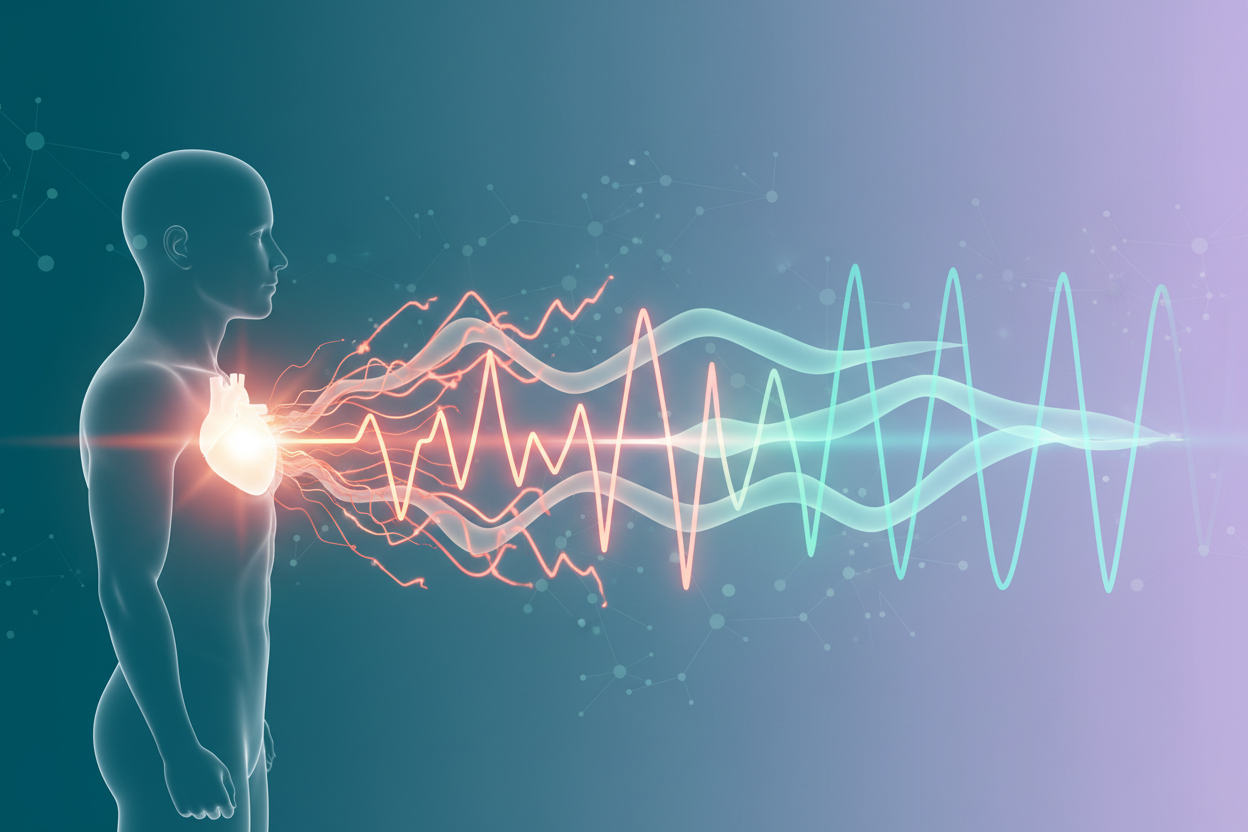
Modern relaxation technology works by activating the parasympathetic nervous system, our body’s “rest and digest” response. This physiological shift creates optimal conditions for emotional processing and self-reflection, essential components of emotional intelligence development.
Top Relaxation Technologies for Emotional Intelligence Development ?
Today’s relaxation technology landscape offers diverse tools designed to enhance emotional awareness and regulation. These technologies range from smartphone applications to sophisticated wearable devices, each offering unique approaches to emotional intelligence development.
The most effective relaxation technologies share common characteristics: they provide real-time feedback, offer personalized experiences, and integrate seamlessly into daily routines. By leveraging these technological advantages, users can develop emotional intelligence more efficiently than through traditional methods alone.
Meditation Apps and Mindfulness Platforms: Your Digital Zen Master ????
Meditation apps represent the most accessible entry point into relaxation technology for emotional intelligence development. Leading platforms like Headspace, Calm, and Insight Timer offer structured programs specifically designed to enhance emotional awareness and regulation.
These applications excel at providing guided meditations that focus on emotional recognition and processing. For instance, Headspace’s “Managing Anxiety” series teaches users to identify early emotional triggers, while Calm’s “Daily Calm” sessions incorporate emotional check-ins that build self-awareness over time.
The key advantage of meditation apps lies in their ability to track progress and adapt content based on user feedback. This personalization ensures that your emotional intelligence journey remains challenging yet achievable, preventing the plateau effect common in self-directed practices.
Advanced features like mood tracking, streak counters, and community support create accountability systems that traditional meditation practices often lack. These digital elements transform solitary practice into an engaging, measurable journey toward emotional mastery.
Biofeedback Devices and Heart Rate Variability Tools: Reading Your Body’s Emotional Language ?
Biofeedback technology represents the cutting edge of relaxation technology for emotional intelligence development. Devices like HeartMath’s Inner Balance sensor and Muse’s meditation headband provide real-time physiological feedback that reveals the connection between physical states and emotional experiences.
Heart Rate Variability (HRV) monitoring has emerged as particularly powerful for emotional intelligence development. HRV measures the variation in time between heartbeats, providing insights into autonomic nervous system function and emotional regulation capacity. When your HRV patterns improve through relaxation practice, your emotional resilience and awareness naturally enhance.
These devices work by translating complex physiological data into simple, actionable feedback. For example, the HeartMath system uses colored lights and audio cues to indicate when you’ve achieved “coherence”—a state of physiological harmony associated with optimal emotional functioning.
The immediate feedback loop created by biofeedback devices accelerates emotional intelligence development by making invisible emotional processes visible and measurable. Users learn to recognize subtle emotional shifts before they become overwhelming, a crucial skill for emotional regulation.
Sound Therapy and Brainwave Entrainment Technology: Tuning Your Emotional Frequency ?
Sound therapy technology leverages the brain’s natural tendency to synchronize with external rhythms, a phenomenon called entrainment. Platforms like Brain.fm, Noisli, and specialized binaural beat applications create audio environments designed to induce specific mental states conducive to emotional processing.
Binaural beats, which play slightly different frequencies in each ear, can guide brainwaves into states associated with enhanced emotional awareness. Alpha waves (8-12 Hz) promote relaxed alertness ideal for emotional reflection, while theta waves (4-8 Hz) facilitate deep emotional processing and insight.
These technologies prove particularly valuable for individuals who struggle with traditional meditation techniques. The external auditory anchor provides a focal point that makes it easier to maintain attention while developing emotional awareness.
Advanced sound therapy platforms offer customizable soundscapes that adapt to your emotional needs throughout the day. Morning sessions might feature energizing frequencies that promote emotional clarity, while evening programs could emphasize calming tones that facilitate emotional processing and release.
Sleep Technology for Emotional Regulation: Recharging Your Emotional Intelligence ?
Quality sleep serves as the foundation for emotional intelligence, and sleep technology offers powerful tools for optimizing this crucial recovery period. Devices like the Oura Ring, Sleep Number’s SleepIQ technology, and apps like Sleep Cycle provide detailed insights into sleep patterns and their relationship to emotional well-being.
Sleep technology for emotional intelligence focuses on optimizing REM sleep, the stage most critical for emotional memory consolidation and processing. Smart sleep devices can track REM cycles and provide personalized recommendations for improving sleep quality, directly impacting next-day emotional regulation capacity.
Advanced sleep platforms integrate environmental controls, adjusting room temperature, lighting, and sound to create optimal conditions for restorative sleep. This holistic approach ensures that your emotional intelligence development continues even while you rest.
Some innovative sleep technologies incorporate gentle wake-up protocols that consider your natural circadian rhythms and emotional state, preventing the jarring transitions that can compromise emotional regulation throughout the day.
Practical Implementation Strategies: Building Your Digital Emotional Intelligence Routine ?
Successfully integrating relaxation technology into your emotional intelligence development requires strategic planning and consistent implementation. The key lies in creating a sustainable routine that leverages technology’s strengths while maintaining human connection and self-reflection.
Start by conducting an honest assessment of your current emotional intelligence strengths and challenges. Are you better at recognizing your own emotions or responding to others’ feelings? Do you struggle more with emotional regulation or empathy? This self-awareness will guide your technology selection and usage patterns.
Implement a layered approach that combines multiple technologies throughout your day. Morning meditation sessions using apps like Headspace can set an emotionally aware tone, while biofeedback devices during stressful periods provide real-time regulation support. Evening sound therapy sessions can facilitate emotional processing and release.
Track your progress using the built-in analytics that most relaxation technologies provide. Look for patterns between your technology usage and emotional experiences. Do certain types of sessions improve your mood more effectively? Are there specific times when relaxation technology proves most beneficial?
Remember that technology should enhance, not replace, human emotional connections. Use insights gained from relaxation technology to improve your real-world relationships and emotional interactions.
Creating Your Personal Emotional Intelligence Tech Stack ?
Building an effective emotional intelligence tech stack requires careful consideration of your lifestyle, preferences, and goals. The most successful approaches combine complementary technologies that address different aspects of emotional intelligence development.
For beginners, start with a high-quality meditation app that offers emotional intelligence-focused content. Add a simple HRV tracking device to gain insights into your physiological responses to emotional situations. This foundation provides both guided practice and objective feedback about your progress.
Intermediate users might expand their stack to include sound therapy platforms for deeper emotional processing and sleep tracking technology for comprehensive emotional health monitoring. This level of integration creates a 24/7 emotional intelligence development system.
Advanced practitioners can explore specialized technologies like EEG meditation devices or comprehensive biofeedback systems that provide detailed insights into the relationship between brain activity and emotional states. These tools offer precision training for specific emotional intelligence skills.
Regardless of your experience level, prioritize consistency over complexity. A simple routine practiced daily will yield better results than an elaborate system used sporadically.
Conclusion: Embracing the Future of Emotional Intelligence ?
Relaxation technology offers unprecedented opportunities for developing emotional intelligence in our digital age. By combining ancient wisdom with modern innovation, these tools create accessible, measurable pathways to emotional mastery that fit seamlessly into contemporary life.
The key to success lies in viewing technology as a supportive partner rather than a replacement for human emotional development. When used thoughtfully and consistently, relaxation technology can accelerate your emotional intelligence journey, providing insights and capabilities that enhance every aspect of your personal and professional life.
As these technologies continue evolving, we can expect even more sophisticated tools that offer deeper insights into emotional patterns and more effective interventions for emotional regulation. By starting your journey today with current technologies, you’ll be well-positioned to leverage future innovations as they emerge.
Remember, emotional intelligence is a lifelong journey, not a destination. Relaxation technology simply provides better maps and more reliable vehicles for this essential expedition into self-understanding and interpersonal effectiveness.
Frequently Asked Questions ?
How long does it take to see improvements in emotional intelligence using relaxation technology?
Most users notice initial improvements in emotional awareness within 2-3 weeks of consistent practice. Significant changes in emotional regulation typically develop over 6-8 weeks, while deep emotional intelligence enhancement continues developing over months and years of regular use.
Can relaxation technology replace traditional therapy for emotional development?
While relaxation technology provides valuable support for emotional intelligence development, it shouldn’t replace professional therapy when dealing with serious emotional challenges. These tools work best as supplements to, rather than replacements for, human guidance and support.
Which relaxation technology is best for beginners?
Meditation apps offer the most accessible starting point for beginners. They provide structured guidance, progress tracking, and educational content about emotional intelligence without requiring additional hardware investments.
How much should I expect to spend on relaxation technology for emotional intelligence?
Basic setups using meditation apps cost $5-15 monthly. Mid-range options including simple biofeedback devices range from $100-300. Comprehensive systems with advanced biofeedback and sleep tracking can cost $500-1000, but offer professional-grade insights and capabilities.
Is relaxation technology effective for children and teenagers?
Yes, age-appropriate relaxation technology can be highly effective for young people. Many apps offer specialized content for children and teens, while simple biofeedback devices can help young users understand the connection between their emotions and physical responses.
Roshiwave Meditation Mind Machine
Add CTA sections description.