
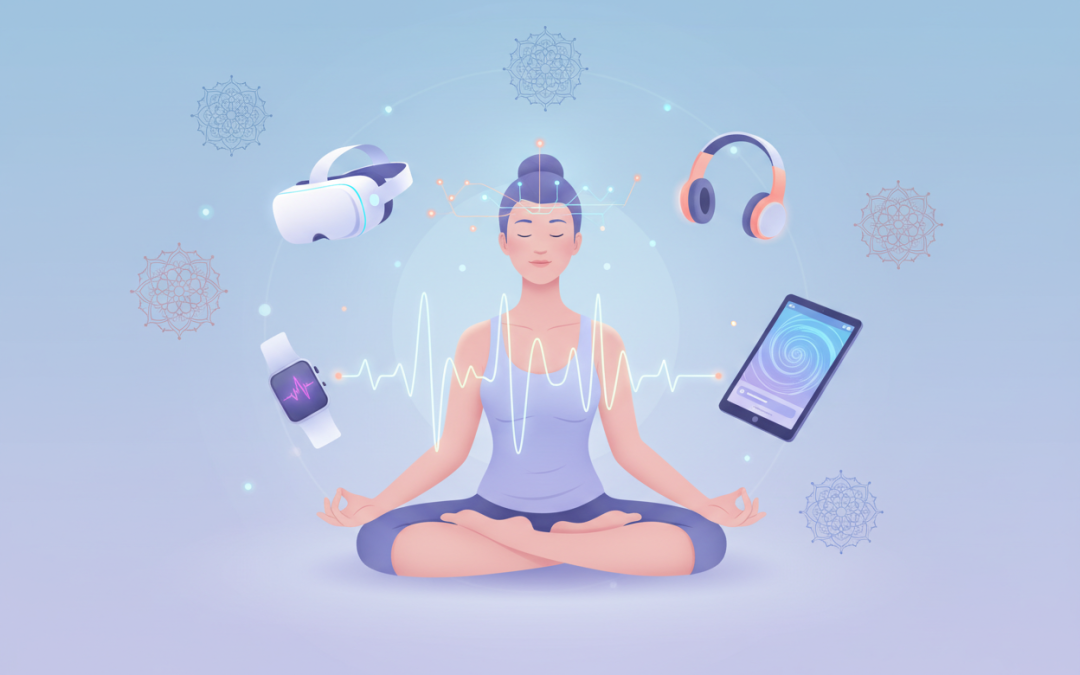
How to Use Meditation Devices for Enhanced Mental Health ????
Table of Contents
1. Introduction to Meditation Devices for Mental Wellness
2. Understanding the Science Behind Meditation Technology
3. Popular Types of Meditation Devices and Their Benefits
4. Choosing the Right Meditation Device for Your Needs
5. Step-by-Step Guide to Using Meditation Devices Effectively
6. Maximizing Mental Health Benefits Through Device-Assisted Meditation
7. Common Mistakes to Avoid When Using Meditation Technology
8. Real-World Success Stories and Research Findings
9. Frequently Asked Questions
10. Conclusion
Introduction to Meditation Devices for Mental Wellness
In our fast-paced digital world, finding moments of peace can feel like searching for a needle in a haystack. I remember when I first discovered meditation devices – I was skeptical, to be honest. How could technology, the very thing that seemed to be causing my stress, actually help me find calm? ?
Turns out, I couldn’t have been more wrong. Meditation devices have revolutionized how we approach mental wellness, making mindfulness practices more accessible, engaging, and effective than ever before. These innovative tools combine ancient wisdom with modern technology to create powerful solutions for anxiety, stress, depression, and overall mental health improvement.
Whether you’re a complete beginner struggling to quiet your mind or an experienced meditator looking to deepen your practice, meditation devices can serve as your digital guide on the journey to better mental health. Let’s explore how these remarkable tools can transform your approach to mindfulness and well-being.
Understanding the Science Behind Meditation Technology
Before diving into specific devices, it’s crucial to understand the scientific foundation that makes meditation technology so effective. Neuroscience research has shown that regular meditation literally rewires our brains, strengthening areas associated with attention, emotional regulation, and self-awareness while reducing activity in regions linked to stress and anxiety.
Meditation devices work by providing real-time feedback about your physiological state during practice. They monitor various biomarkers such as heart rate variability, brainwave patterns, breathing rhythms, and muscle tension. This biofeedback helps you understand when you’re truly in a meditative state versus when your mind is wandering.
What’s particularly fascinating is how these devices can accelerate the learning process. Traditional meditation often feels like shooting in the dark – you never quite know if you’re “doing it right.” With technology-assisted meditation, you receive immediate confirmation when you’ve achieved the desired mental state, creating a positive feedback loop that reinforces proper technique.
Popular Types of Meditation Devices and Their Benefits
Biofeedback Meditation Headbands
These sleek devices, like the Muse headband, use EEG sensors to monitor your brainwave activity during meditation. When your mind is calm and focused, you’ll hear gentle nature sounds. When thoughts arise and your attention wanders, the soundscape becomes more intense, gently guiding you back to a peaceful state.
The beauty of these devices lies in their objectivity. They don’t judge your wandering thoughts – they simply provide gentle audio cues to help you recognize when your mind has drifted and guide you back to the present moment.
Heart Rate Variability (HRV) Monitors
Devices like HeartMath’s Inner Balance sensor focus on the connection between your heart rhythm and emotional state. By monitoring your heart rate variability, these tools help you achieve “heart coherence” – a state where your heart, mind, and emotions are in energetic alignment.
I’ve found HRV devices particularly helpful for managing acute stress situations. The real-time visual feedback helps you see immediately how breathing techniques affect your physiological state, making the benefits of meditation tangible and measurable.
Breathing Assistance Devices
Breathing-focused meditation devices like Breathe+ or Spire guide you through various pranayama (breathing) techniques. These devices often use gentle vibrations, visual cues, or audio guidance to help you maintain optimal breathing patterns for relaxation and stress reduction.
What I love about breathing devices is their simplicity. You don’t need any prior meditation experience – just follow the gentle prompts and let your breath become your anchor to the present moment.
Virtual Reality Meditation Systems
VR meditation represents the cutting edge of mindfulness technology. Platforms like Guided Meditation VR transport you to serene virtual environments where external distractions simply don’t exist. Imagine meditating on a peaceful beach or in a tranquil forest, regardless of your physical location.
These immersive experiences can be particularly beneficial for people who struggle with traditional meditation due to environmental distractions or difficulty visualizing peaceful scenes.
Choosing the Right Meditation Device for Your Needs
Selecting the perfect meditation device depends on several personal factors. Consider your meditation experience level, specific mental health goals, budget, and lifestyle preferences.
For beginners, I often recommend starting with a simple breathing device or smartphone app with biofeedback features. These provide gentle guidance without overwhelming complexity. If you’re dealing with chronic stress or anxiety, HRV monitors can offer valuable insights into your autonomic nervous system and help you develop better stress management skills.
Experienced meditators might benefit more from EEG-based devices that can help deepen their practice and provide objective measures of meditative states. Those struggling with environmental distractions might find VR systems particularly transformative.
Budget considerations are important too. While some devices cost several hundred dollars, many effective options are available for under $100. Remember, the best meditation device is the one you’ll actually use consistently. ?
Step-by-Step Guide to Using Meditation Devices Effectively
Getting Started
Begin by setting up your device according to the manufacturer’s instructions. Most meditation devices require initial calibration to establish your baseline physiological patterns. This process typically takes 5-10 minutes and helps the device understand your unique responses.
Create a dedicated meditation space free from distractions. Even with technology assistance, environment matters. Dim lighting, comfortable seating, and minimal noise will enhance your practice.
Establishing a Routine
Consistency trumps duration when building a meditation habit. Start with just 5-10 minutes daily, preferably at the same time each day. I’ve found that morning sessions work best for most people, as they set a positive tone for the entire day.
Track your progress using the device’s companion app or built-in metrics. Most modern meditation devices provide detailed analytics showing improvements in focus, stress levels, and overall meditation quality over time.
Progressive Training
As you become more comfortable with your device, gradually increase session length and experiment with different meditation styles. Many devices offer various programs targeting specific outcomes like better sleep, reduced anxiety, or improved focus.
Pay attention to the biofeedback signals without becoming obsessed with “perfect” sessions. Remember, meditation is a practice, not a performance. Some days your mind will be quieter than others, and that’s completely normal.
Maximizing Mental Health Benefits Through Device-Assisted Meditation
To truly harness the mental health benefits of meditation devices, integration with your broader wellness routine is key. Combine device-assisted meditation with other evidence-based mental health practices like regular exercise, adequate sleep, and healthy social connections.
Use the data from your meditation device to identify patterns in your stress levels and emotional states. Many users discover correlations between their meditation practice quality and factors like sleep quality, caffeine intake, or work stress levels.
Consider sharing your progress with a healthcare provider, especially if you’re using meditation as part of a treatment plan for anxiety, depression, or other mental health conditions. The objective data from meditation devices can provide valuable insights for your overall care plan.
Don’t forget to celebrate small wins! Meditation devices make progress visible in ways traditional practice cannot. When you see your stress levels decreasing or your focus improving over weeks and months, it reinforces the value of your commitment to mental wellness. ?
Common Mistakes to Avoid When Using Meditation Technology
One of the biggest pitfalls I see people fall into is becoming too focused on the metrics rather than the actual meditation experience. While biofeedback is helpful, don’t let it become another source of stress or self-judgment.
Another common mistake is expecting immediate dramatic results. Meditation is a gradual process, and meaningful changes in mental health typically unfold over weeks or months of consistent practice. Be patient with yourself and trust the process.
Avoid the temptation to constantly upgrade or switch devices. Stick with one system long enough to truly understand its benefits and develop a consistent practice. Device-hopping often leads to inconsistent practice and reduced benefits.
Finally, don’t use meditation devices as a complete replacement for professional mental health care if you’re dealing with serious mental health challenges. While these tools are powerful supplements to treatment, they’re not substitutes for therapy or medication when clinically indicated.
Real-World Success Stories and Research Findings
The scientific evidence supporting meditation devices continues to grow. A recent study published in the Journal of Medical Internet Research found that users of biofeedback meditation devices showed significant improvements in anxiety levels and sleep quality after just four weeks of regular use.
Sarah, a 34-year-old marketing executive, shared her experience with me: “I was skeptical about meditation devices at first, but my Muse headband completely changed my relationship with stress. Being able to see my progress objectively motivated me to stick with the practice, and now I can’t imagine my day without my morning meditation session.”
Research from Stanford University demonstrates that HRV-based meditation training can improve emotional regulation and reduce symptoms of PTSD in veterans. These findings highlight the potential for meditation devices to support mental health across diverse populations and conditions.
Corporate wellness programs increasingly incorporate meditation devices, with companies reporting reduced employee stress levels, improved focus, and decreased healthcare costs. The objective nature of device-assisted meditation makes it easier for organizations to measure and validate the ROI of mindfulness initiatives.
Frequently Asked Questions
Q: Are meditation devices suitable for complete beginners?
A: Absolutely! Many devices are specifically designed for beginners and provide gentle guidance that makes meditation more accessible than traditional methods. The real-time feedback helps new practitioners understand when they’re on the right track.
Q: How long does it take to see mental health benefits from using meditation devices?
A: While some people notice immediate relaxation effects, significant mental health improvements typically develop over 2-8 weeks of consistent practice. Individual results vary based on factors like current stress levels, practice frequency, and specific mental health goals.
Q: Can meditation devices replace therapy or medication for mental health conditions?
A: No, meditation devices should complement, not replace, professional mental health treatment. They’re excellent tools for supporting overall wellness and can enhance the effectiveness of therapy or medication, but they’re not standalone treatments for serious mental health conditions.
Q: Are there any side effects or risks associated with meditation devices?
A: Meditation devices are generally very safe. Some people may experience mild headaches when first using EEG-based devices, but this typically resolves as you become accustomed to the sensors. Always follow manufacturer guidelines and consult healthcare providers if you have specific medical concerns.
Q: How do I choose between different types of meditation devices?
A: Consider your primary goals (stress reduction, better focus, improved sleep), experience level, budget, and personal preferences. Breathing-focused devices work well for beginners, while EEG devices offer more advanced feedback for experienced practitioners. Many retailers offer trial periods to help you find the right fit.
Conclusion
Meditation devices represent a remarkable fusion of ancient wisdom and modern technology, offering unprecedented opportunities to enhance mental health and well-being. From biofeedback headbands that monitor brainwaves to HRV devices that track heart rhythm patterns, these tools make meditation more accessible, engaging, and effective than ever before.
The journey to better mental health doesn’t have to be a solitary struggle in the dark. With the right meditation device as your guide, you can develop a consistent practice that delivers measurable improvements in stress levels, emotional regulation, and overall life satisfaction.
Remember, the most sophisticated meditation device is only as effective as your commitment to using it consistently. Start small, be patient with yourself, and trust in the process. Your future self will thank you for taking this important step toward enhanced mental wellness today. ?
Whether you’re just beginning your meditation journey or looking to deepen an existing practice, meditation devices offer a bridge between the timeless benefits of mindfulness and the practical demands of modern life. Embrace the technology, honor the tradition, and discover the profound peace that awaits within your own mind.
Roshiwave Meditation Mind Machine
Add CTA sections description.