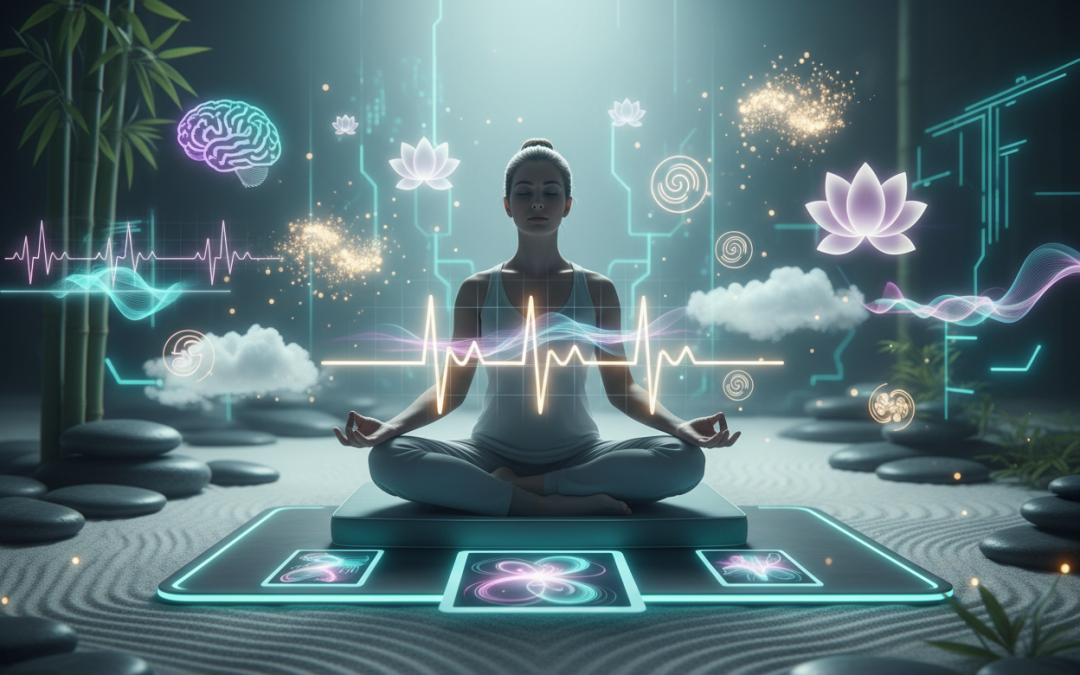
How Relaxation Technology Can Support Holistic Wellness ????
Table of Contents
• Introduction to Relaxation Technology and Holistic Wellness
• Understanding the Mind-Body Connection
• Types of Relaxation Technology for Complete Wellness
• The Science Behind Technology-Assisted Relaxation
• Integrating Digital Tools with Traditional Wellness Practices
• Creating Your Personal Relaxation Technology Toolkit
• Overcoming Common Challenges and Misconceptions
• The Future of Wellness Technology
• Conclusion
• Frequently Asked Questions
Introduction to Relaxation Technology and Holistic Wellness
In our increasingly connected world, the irony isn’t lost on many of us – we’re using technology to find the peace that technology sometimes steals from us. Yet, when thoughtfully applied, relaxation technology can become a powerful ally in our journey toward holistic wellness. ?
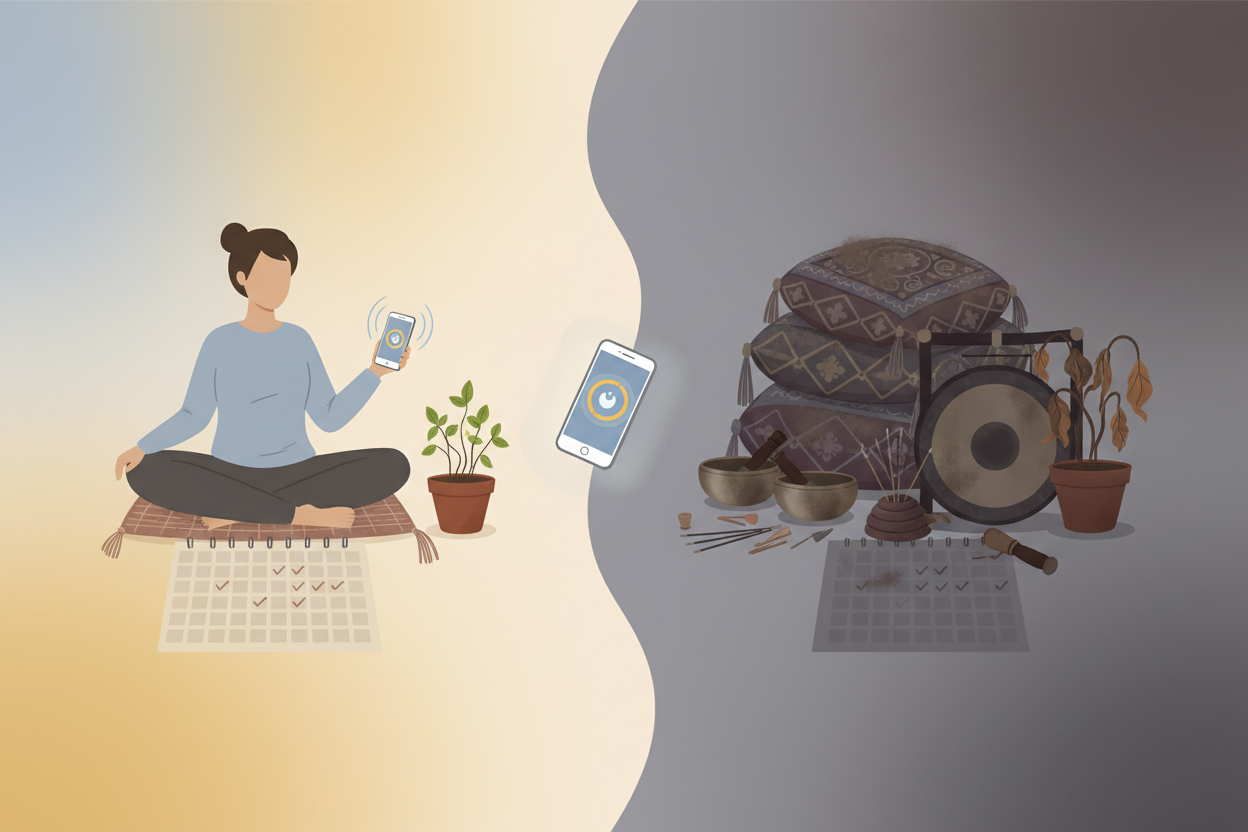
Holistic wellness encompasses the complete integration of physical, mental, emotional, and spiritual well-being. It’s about recognizing that we’re not just physical beings who occasionally have thoughts and feelings, but complex systems where every aspect of our health influences the others. This is where modern relaxation technology steps in, offering tools that can address multiple dimensions of wellness simultaneously.
I’ve personally witnessed the transformation that occurs when people discover the right blend of technology and mindfulness practices. From busy executives who’ve found their center through meditation apps to chronic pain sufferers who’ve discovered relief through biofeedback devices, the potential for technology-supported wellness is truly remarkable.
Understanding the Mind-Body Connection in Digital Wellness
The foundation of holistic wellness lies in understanding how our minds and bodies communicate. When we’re stressed, our hearts race, our muscles tense, and our breathing becomes shallow. Conversely, when we’re relaxed, our entire system shifts into a state of restoration and healing.
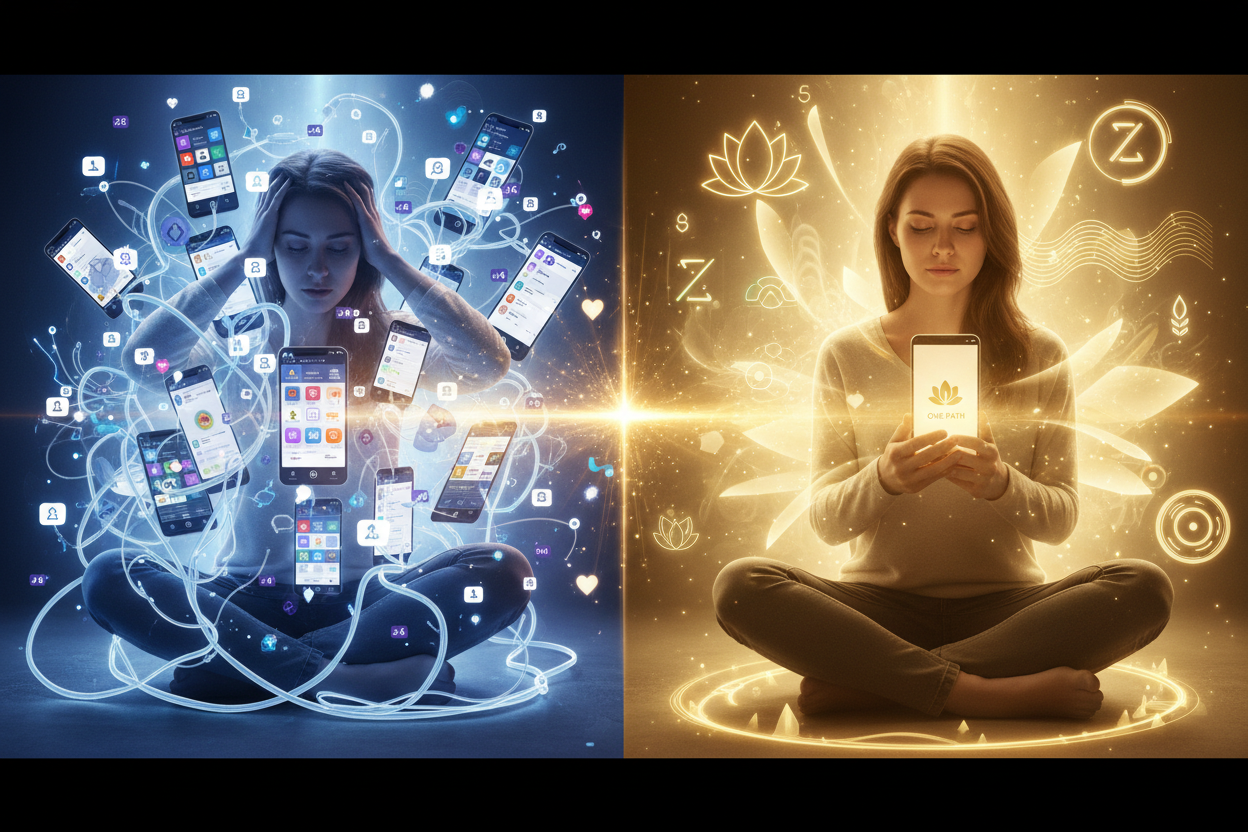
Modern relaxation technology leverages this mind-body connection by providing real-time feedback and guided interventions. Heart rate variability monitors, for instance, can show us exactly how our breathing patterns affect our nervous system. This immediate feedback creates a learning loop that helps us develop better self-awareness and control over our physiological responses.
What’s fascinating is how technology can make visible the invisible processes happening within our bodies. Many people struggle with relaxation because they can’t “feel” when they’re truly relaxed versus when they just think they are. Technology bridges this gap by providing objective measurements of our stress and relaxation states. ?
Types of Relaxation Technology for Complete Wellness
Meditation and Mindfulness Apps
The meditation app market has exploded in recent years, and for good reason. Apps like Headspace, Calm, and Insight Timer have democratized access to guided meditation, making ancient practices available to anyone with a smartphone. These platforms offer everything from quick three-minute breathing exercises to hour-long deep meditation sessions.
What sets the best meditation apps apart is their ability to personalize the experience. They track your progress, adapt to your schedule, and offer content that matches your current stress levels and wellness goals. Some even integrate with wearable devices to provide meditation recommendations based on your physiological data.
Biofeedback and Wearable Devices
Wearable technology has revolutionized how we monitor and improve our wellness. Devices like the HeartMath Inner Balance sensor, Muse headband, and various smartwatches provide real-time feedback on heart rate variability, brain activity, and stress levels.
These devices work by measuring physiological markers and translating them into easy-to-understand visual or auditory feedback. For example, a heart rate variability device might use a breathing pacer that helps you achieve optimal coherence between your heart rate and breathing patterns, leading to improved emotional regulation and stress resilience.
Sound Therapy and Audio Technology
Sound has been used for healing and relaxation for thousands of years, and modern technology has amplified its potential. Binaural beats, isochronic tones, and nature soundscapes can be precisely engineered to promote specific brainwave states associated with relaxation, focus, or sleep.
High-quality noise-canceling headphones paired with therapeutic audio content can create an instant sanctuary, regardless of your environment. Whether you’re dealing with a noisy office, restless neighbors, or just the constant chatter in your own mind, sound technology can provide immediate relief. ?
Light Therapy and Circadian Rhythm Support
Our relationship with light profoundly affects our wellness, particularly our sleep quality and mood regulation. Light therapy devices, from sunrise alarm clocks to full-spectrum light boxes, help regulate our circadian rhythms and combat seasonal affective disorder.
Smart lighting systems can automatically adjust throughout the day, providing energizing blue light in the morning and warm, relaxing tones in the evening. This technology supports our natural biological rhythms, which is fundamental to holistic wellness.
The Science Behind Technology-Assisted Relaxation
The effectiveness of relaxation technology isn’t just anecdotal – it’s backed by substantial scientific research. Studies have shown that regular use of meditation apps can lead to measurable changes in brain structure, particularly in areas associated with attention, emotional regulation, and stress response.
Heart rate variability training, facilitated by biofeedback devices, has been shown to improve not only stress management but also immune function, cognitive performance, and cardiovascular health. The beauty of this technology is that it provides objective evidence of improvement, which can be incredibly motivating for users.
Research on sound therapy reveals that specific frequencies can indeed influence brainwave patterns, helping to induce states of relaxation, focus, or deep sleep. Binaural beats, in particular, have been studied extensively and shown to be effective in reducing anxiety and improving mood. ?
What’s particularly exciting is how these technologies work synergistically. When combined thoughtfully, they can address multiple aspects of wellness simultaneously, creating a comprehensive approach to stress management and personal well-being.
Integrating Digital Tools with Traditional Wellness Practices
The key to successful wellness technology integration isn’t replacement – it’s enhancement. The most effective approaches combine digital tools with time-tested practices like yoga, tai chi, journaling, and spending time in nature.
For instance, you might use a meditation app to establish a consistent practice, then gradually incorporate periods of unguided silence. Or you could use a fitness tracker to monitor your stress levels throughout the day, then apply breathing techniques you’ve learned from various apps when stress peaks.
I’ve found that technology works best when it serves as a bridge to deeper self-awareness rather than a crutch. The goal should be to develop internal skills and awareness that don’t require constant technological support, while using devices and apps as tools for learning and occasional guidance.
Traditional practices bring wisdom, depth, and connection to community and nature that technology alone cannot provide. Digital tools bring precision, personalization, and accessibility that can make traditional practices more effective and sustainable in modern life.
Creating Your Personal Relaxation Technology Toolkit
Building an effective relaxation technology toolkit is a personal journey that should reflect your unique needs, preferences, and lifestyle. Start by identifying your primary wellness challenges. Are you dealing with chronic stress? Sleep issues? Difficulty focusing? Emotional regulation problems?
Begin with one or two technologies rather than overwhelming yourself with multiple devices and apps. A good starting combination might be a meditation app and a simple heart rate variability device, or a sleep tracking wearable paired with a sound therapy app.
Pay attention to what resonates with you. Some people respond better to visual feedback, others to audio guidance, and still others to tactile sensations like gentle vibrations. The beauty of today’s technology landscape is that there are options for every learning style and preference. ?
Remember that consistency matters more than perfection. It’s better to use a simple breathing app for five minutes daily than to have an expensive meditation setup that you only use occasionally. Start small, build habits, and expand your toolkit as you develop a clearer understanding of what works for you.
Overcoming Common Challenges and Misconceptions
One of the biggest misconceptions about relaxation technology is that it’s somehow “cheating” or less authentic than traditional practices. This couldn’t be further from the truth. Technology is simply a tool, and like any tool, its value lies in how skillfully and intentionally it’s used.
Another common challenge is technology overwhelm. With so many options available, it’s easy to spend more time researching and switching between apps than actually practicing relaxation. The solution is to choose quality over quantity and give each tool enough time to show its effects before moving on to something else.
Privacy and data security are legitimate concerns in our digital age. When choosing wellness apps and devices, look for companies with clear privacy policies and strong data protection measures. Your wellness data is personal and should be treated with the highest level of security and respect.
Some people worry about becoming dependent on technology for relaxation. While this is a valid concern, the goal of good relaxation technology should be to teach you skills and increase your self-awareness, ultimately making you more self-sufficient rather than more dependent. ??
The Future of Wellness Technology
The future of relaxation technology is incredibly promising. We’re moving toward more sophisticated AI that can provide truly personalized wellness recommendations based on comprehensive data about your physiology, behavior patterns, and environmental factors.
Virtual and augmented reality are opening new frontiers in relaxation and stress management. Imagine being able to instantly transport yourself to a peaceful forest or calming beach, complete with all the sensory experiences that make these environments naturally restorative.
Integration between different technologies is also improving rapidly. Soon, your meditation app might automatically adjust its recommendations based on data from your sleep tracker, fitness monitor, and even your smart home’s environmental sensors.
Perhaps most exciting is the potential for technology to make wellness more accessible to people who have been traditionally underserved by conventional wellness industries. Language barriers, physical limitations, geographic isolation, and financial constraints can all be addressed through thoughtful technology design.
Conclusion
Relaxation technology represents a powerful opportunity to support holistic wellness in our modern world. When used thoughtfully and intentionally, these tools can help us develop greater self-awareness, build resilience to stress, and create sustainable practices that support our overall well-being.
The key is to approach technology as a complement to, rather than a replacement for, fundamental wellness practices like adequate sleep, regular movement, meaningful relationships, and connection with nature. Technology should enhance our human experience, not diminish it.
As we continue to navigate an increasingly complex and fast-paced world, the integration of technology and wellness offers hope for maintaining our health and happiness. By choosing tools that align with our values and needs, we can harness the power of innovation to support our journey toward complete well-being. ?
Remember, the best relaxation technology is the one you’ll actually use consistently. Start where you are, use what resonates with you, and allow your practice to evolve naturally over time. Your future self will thank you for taking this step toward more intentional, technology-supported wellness.
Frequently Asked Questions
Q: Can relaxation technology replace traditional meditation and wellness practices?
A: No, relaxation technology should complement rather than replace traditional practices. The most effective approach combines digital tools with time-tested methods like meditation, yoga, and spending time in nature. Technology can enhance and support traditional practices but shouldn’t be viewed as a complete substitute.
Q: How much should I expect to spend on relaxation technology?
A: You can start with free apps and gradually invest in devices based on your needs and budget. Many effective meditation apps offer free versions, while basic biofeedback devices start around $100-200. Premium options can cost more, but expensive doesn’t always mean better for your specific needs.
Q: Is relaxation technology safe for everyone to use?
A: Most relaxation technology is safe for general use, but people with certain medical conditions should consult healthcare providers before using biofeedback devices or light therapy. Always read manufacturer guidelines and start slowly with any new wellness technology.
Q: How long does it take to see benefits from relaxation technology?
A: Many people notice immediate relaxation effects during use, but lasting benefits typically develop over 2-8 weeks of consistent practice. The key is regular, sustained use rather than occasional sessions. Track your progress to stay motivated and identify what works best for you.
Q: What’s the best relaxation technology for beginners?
A: Start with a simple meditation app like Headspace or Calm, which offer guided sessions for beginners. These apps are user-friendly, affordable, and provide structured learning paths. Once you’re comfortable with basic practices, you can explore biofeedback devices or other specialized tools.
Roshiwave Meditation Mind Machine
Add CTA sections description.