
Binaural Beats for Beginners: Everything You Need to Know
Table of Contents
1. What Are Binaural Beats?
2. The Science Behind Binaural Beats
3. Different Types of Brainwave Frequencies
4. Benefits of Listening to Binaural Beats
5. How to Use Binaural Beats Effectively
6. Safety Considerations and Who Should Avoid Them
7. Getting Started: Your First Binaural Beats Experience
8. Common Mistakes to Avoid
9. Frequently Asked Questions
Have you ever wondered if there’s a simple way to enhance your focus, reduce stress, or improve your sleep quality? You’re not alone. Millions of people worldwide are discovering the fascinating world of binaural beats – a sound-based technique that promises to influence your mental state through carefully crafted audio frequencies.
Whether you’re a stressed professional looking for relaxation techniques, a student seeking better concentration, or someone curious about alternative wellness methods, this comprehensive guide will walk you through everything you need to know about binaural beats. By the end of this post, you’ll understand how they work, their potential benefits, and most importantly, how to use them safely and effectively.

What Are Binaural Beats?
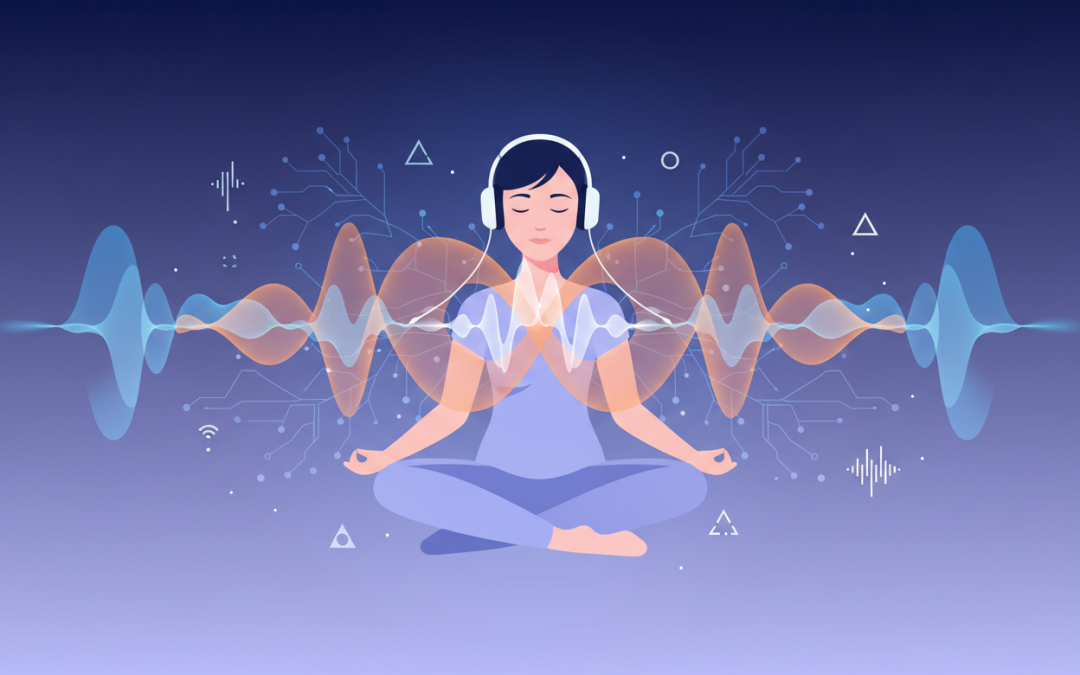
Binaural beats are an auditory illusion created when your brain processes two slightly different frequencies played simultaneously in each ear. The term “binaural” literally means “relating to both ears,” which perfectly describes how this phenomenon works.
Here’s what happens: when you listen to a tone of 440 Hz in your left ear and 444 Hz in your right ear through headphones, your brain doesn’t hear these frequencies separately. Instead, it creates a third “phantom” beat at 4 Hz – the mathematical difference between the two original frequencies. This perceived beat exists only in your mind, not in the actual audio.
Think of it like watching a movie. Your eyes see individual still frames, but your brain creates the illusion of smooth motion. Similarly, binaural beats trick your brain into perceiving a rhythm that isn’t actually there in the external world.
The discovery of binaural beats dates back to 1839 when German physicist Heinrich Wilhelm Dove first documented this acoustic phenomenon. However, it wasn’t until the 1970s that researcher Gerald Oster brought renewed scientific attention to their potential therapeutic applications.
The Science Behind Binaural Beats
Understanding how binaural beats work requires a basic grasp of brainwave entrainment – a process where your brain naturally synchronizes its electrical activity to external rhythmic stimuli. This isn’t science fiction; it’s a well-documented neurological response that happens naturally throughout your day.
Your brain operates on electrical impulses that create measurable patterns called brainwaves. These waves change frequency depending on your mental state – whether you’re alert, relaxed, or sleeping. When you listen to binaural beats, the theory suggests that your brain gradually adjusts its dominant frequency to match the beat frequency you’re hearing.
This process, known as frequency following response, typically takes 5-10 minutes to begin and can continue for some time after you stop listening. Research using EEG technology has shown measurable changes in brainwave patterns during binaural beat sessions, though scientists continue to study the extent and duration of these effects.
It’s worth noting that while the basic mechanism is scientifically established, the therapeutic claims surrounding binaural beats are still being researched. The field is evolving, with some studies showing promising results while others remain inconclusive.
Different Types of Brainwave Frequencies
To effectively use binaural beats, you need to understand the five main categories of brainwave frequencies and their associated mental states. Each frequency range is linked to different levels of consciousness and cognitive function.
Delta Waves (0.5-4 Hz): These are the slowest brainwaves, primarily associated with deep, dreamless sleep and healing. Delta binaural beats are often used for improving sleep quality and promoting physical recovery. Many people find these frequencies helpful for insomnia or achieving more restorative rest.
Theta Waves (4-8 Hz): Connected to deep meditation, creativity, and REM sleep, theta frequencies are popular among those seeking spiritual experiences or enhanced intuition. Artists and writers sometimes use theta binaural beats to access creative flow states or overcome mental blocks.
Alpha Waves (8-14 Hz): These frequencies represent a relaxed but alert state – think of the calm focus you might feel during light meditation or while daydreaming. Alpha binaural beats are excellent for stress reduction and maintaining a peaceful yet aware mindset.
Beta Waves (14-30 Hz): Associated with normal waking consciousness, concentration, and analytical thinking. Lower beta frequencies can enhance focus and productivity, while higher beta ranges might increase alertness but could also contribute to anxiety if overused.
Gamma Waves (30-100 Hz): The fastest brainwaves, linked to heightened awareness, cognitive processing, and moments of insight. Gamma binaural beats are less common but are sometimes used for advanced meditation practices or cognitive enhancement.
Benefits of Listening to Binaural Beats
While research is ongoing, many users report significant benefits from regular binaural beat practice. It’s important to approach these potential benefits with realistic expectations and understand that individual results can vary considerably.
Stress Reduction and Relaxation: Perhaps the most commonly reported benefit, many people find that alpha and theta frequency binaural beats help them unwind after stressful days. The rhythmic nature of the beats can serve as a focal point for meditation, making it easier to let go of racing thoughts.
Improved Sleep Quality: Delta frequency binaural beats are particularly popular among those struggling with sleep issues. Users often report falling asleep faster and experiencing more restful sleep. However, it’s crucial to stop the audio before deep sleep begins, as continued stimulation might actually disrupt natural sleep cycles.
Enhanced Focus and Concentration: Beta frequency binaural beats may help improve attention span and mental clarity. Students and professionals often use these during study sessions or demanding work tasks, though finding the right frequency for your needs may require some experimentation.
Meditation Support: For beginners who struggle with traditional meditation, binaural beats can provide a helpful anchor for attention. The consistent rhythm can make it easier to maintain focus and achieve deeper meditative states.
Mood Enhancement: Some users report improved mood and reduced anxiety after regular binaural beat sessions. This might be due to the relaxation response triggered by the practice or simply the dedicated time for self-care.
How to Use Binaural Beats Effectively
Getting the most out of binaural beats requires more than just pressing play on a random audio file. Proper technique and setup can significantly impact your experience and potential benefits.
Essential Equipment: Quality headphones are absolutely crucial – binaural beats simply don’t work through speakers. The different frequencies must be delivered separately to each ear. You don’t need expensive audiophile equipment, but ensure your headphones can reproduce the full frequency range and fit comfortably for extended sessions.
Creating the Right Environment: Choose a quiet, comfortable space where you won’t be interrupted. Dim lighting can help promote relaxation, and ensure your phone is on silent mode. Many people prefer lying down, but sitting comfortably is also fine – just avoid positions where you might fall asleep unless that’s your goal.
Session Duration and Timing: Start with shorter sessions of 10-15 minutes and gradually increase as you become more comfortable. Most practitioners find 20-30 minutes optimal for achieving desired effects. Avoid listening immediately before important activities that require full alertness, especially if using lower frequency beats.
Volume Levels: Keep the volume at a comfortable level – you should be able to hear the beats clearly without strain. Excessive volume won’t increase effectiveness and may cause discomfort or potential hearing damage over time.
Consistency Matters: Like most wellness practices, regular use tends to yield better results than sporadic sessions. Consider establishing a routine, whether it’s morning meditation with alpha beats or evening relaxation with theta frequencies.
Safety Considerations and Who Should Avoid Them
While binaural beats are generally considered safe for most people, certain individuals should exercise caution or avoid them entirely. Understanding these limitations is crucial for responsible use.
Epilepsy and Seizure Disorders: People with epilepsy or any history of seizures should avoid binaural beats entirely. The rhythmic stimulation could potentially trigger seizure activity, especially in photosensitive epilepsy cases where rhythmic stimuli are known triggers.
Heart Conditions: Those with pacemakers or serious heart conditions should consult healthcare providers before using binaural beats. While rare, some individuals report changes in heart rate during sessions.
Mental Health Considerations: People with severe depression, bipolar disorder, or other significant mental health conditions should discuss binaural beat use with their healthcare providers. While many find them helpful for mild stress and anxiety, they shouldn’t replace professional treatment for serious conditions.
Pregnancy: Pregnant women should use caution, particularly with lower frequency beats that might affect relaxation and sleep patterns. While there’s no evidence of harm, it’s always wise to consult with healthcare providers about new wellness practices during pregnancy.
Age Considerations: Children’s developing brains may respond differently to binaural beats. Most experts recommend avoiding use in children under 12 and supervising use in teenagers.
Getting Started: Your First Binaural Beats Experience
Ready to try binaural beats for yourself? Here’s a step-by-step guide to ensure your first experience is positive and safe.
Choosing Your First Track: Start with alpha frequencies (8-14 Hz) for general relaxation or low beta (14-20 Hz) for gentle focus enhancement. These ranges are generally well-tolerated and provide noticeable but not overwhelming effects.
Preparation Checklist: Ensure your headphones are working properly and comfortably positioned. Test the volume at a low level first. Have water nearby, as some people experience mild dehydration during longer sessions. Clear your schedule for at least 30 minutes to avoid rushing.
During Your Session: Close your eyes and focus on your breathing for the first few minutes. Don’t force anything – simply allow yourself to notice whatever sensations or thoughts arise. Some people feel effects within minutes, while others need several sessions to notice changes.
After Your Session: Take a few minutes to transition back to normal activities. Avoid immediately jumping into demanding tasks, especially if you used lower frequency beats. Stay hydrated and pay attention to how you feel over the next few hours.
Tracking Your Experience: Consider keeping a simple journal of your sessions, noting the frequency used, duration, and any effects you notice. This can help you identify which types work best for your specific goals.
Common Mistakes to Avoid
Learning from others’ experiences can help you avoid common pitfalls that might diminish your results or create negative experiences.
Expecting Instant Dramatic Results: Binaural beats are subtle, and effects often build over time. Don’t expect life-changing experiences from your first session. Some people notice immediate relaxation, while others need weeks of regular practice to observe benefits.
Using Poor Quality Audio Files: Not all binaural beat recordings are created equal. Stick to reputable sources and avoid files that include distracting background music or unclear frequencies. Pure tones often work better than heavily produced tracks.
Inappropriate Timing: Using stimulating beta frequencies before bedtime or relaxing delta beats before important meetings can work against your goals. Match the frequency to your intended outcome and timing.
Overuse: More isn’t always better. Excessive use, particularly of higher frequencies, might lead to overstimulation or headaches. Start conservatively and increase gradually based on your response.
Neglecting Basic Wellness: Binaural beats aren’t magic solutions for poor sleep hygiene, chronic stress, or underlying health issues. They work best as part of a comprehensive approach to wellness that includes proper nutrition, exercise, and stress management.
As we’ve explored throughout this guide, binaural beats offer an intriguing intersection of science and wellness that many people find beneficial for relaxation, focus, and general well-being. While they’re not a cure-all solution, they can be a valuable tool in your wellness toolkit when used appropriately and safely.
Remember that individual responses vary significantly, and what works wonderfully for one person might not be effective for another. The key is to approach binaural beats with realistic expectations, proper safety considerations, and a willingness to experiment to find what works best for your unique needs.
Whether you’re seeking better sleep, enhanced meditation experiences, or simply a new way to manage daily stress, binaural beats offer a low-cost, accessible option worth exploring. Start slowly, listen to your body’s responses, and don’t hesitate to consult healthcare providers if you have any concerns or underlying health conditions.
As research in this field continues to evolve, we may gain even better understanding of how to optimize binaural beats for specific therapeutic applications. For now, approach them as one of many tools available for supporting your mental and emotional well-being, rather than a standalone solution to life’s challenges.
Frequently Asked Questions
Q: How long does it take to feel the effects of binaural beats?
A: Most people begin to notice effects within 5-15 minutes of listening, though the full entrainment process typically takes 15-30 minutes. Some individuals are more sensitive and may notice changes almost immediately, while others need several sessions to observe benefits.
Q: Can I use binaural beats while doing other activities?
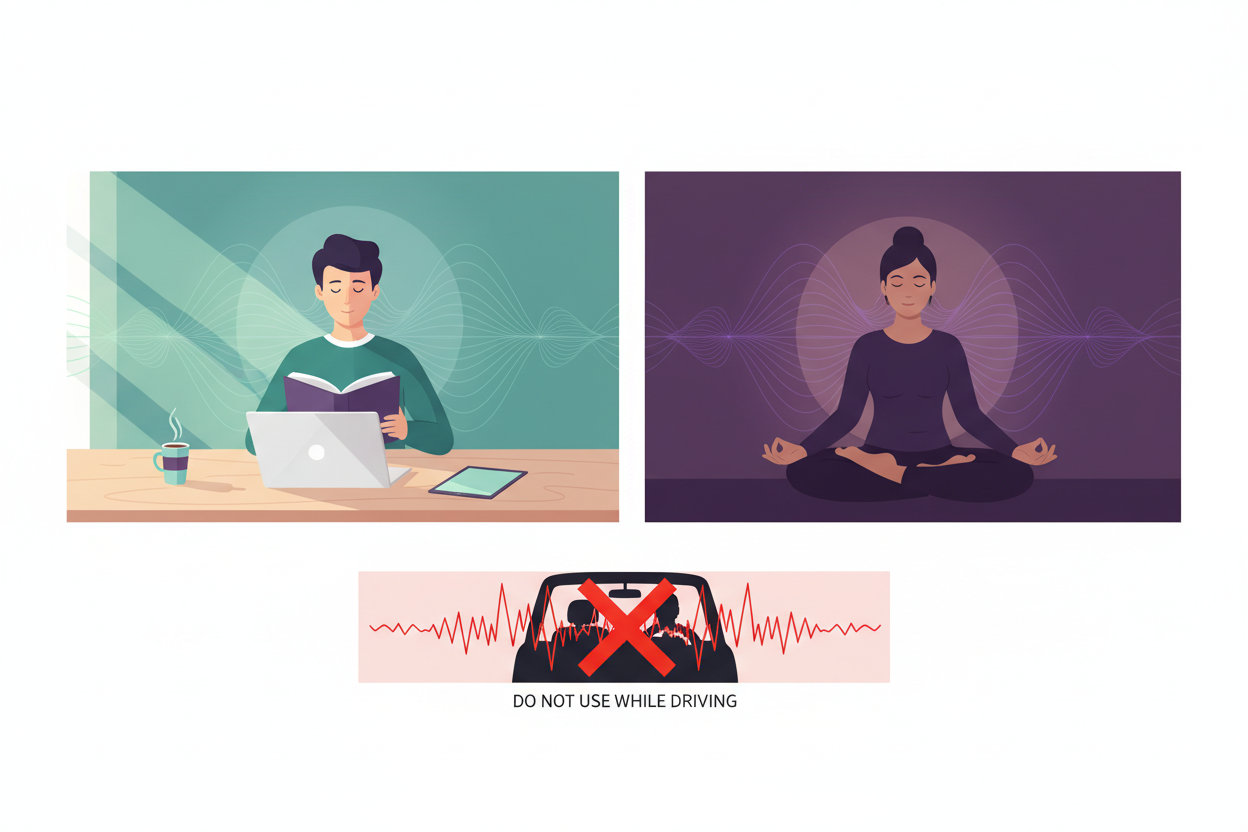
A: It depends on the frequency and your goals. Alpha and low beta frequencies can often be used while reading or doing light work, but lower frequencies like theta and delta are best used during dedicated relaxation or meditation time. Avoid using them during activities requiring full attention, like driving.
Q: Do I need expensive headphones for binaural beats to work?
A: No, but you do need headphones that can deliver different frequencies to each ear clearly. Most decent quality headphones under $50 will work fine. The key is comfort for longer sessions and clear frequency reproduction rather than premium audio quality.
Q: Can binaural beats replace sleep medication?
A: Absolutely not. While many people find binaural beats helpful for relaxation and sleep quality, they should never replace prescribed medications without consulting your healthcare provider. They can be used as a complementary tool alongside proper medical treatment.
Q: Is it safe to listen to binaural beats every day?
A: For most healthy individuals, daily use is generally considered safe when used appropriately. However, start with a few times per week and gradually increase frequency while monitoring your response. If you experience headaches, dizziness, or any adverse effects, reduce frequency or discontinue use.
Q: Why don’t binaural beats work through speakers?
A: Binaural beats require each ear to receive a different frequency independently. When played through speakers, both ears hear both frequencies, preventing your brain from creating the “phantom” beat that is essential to the binaural effect.
Q: Can children use binaural beats?
A: Most experts recommend avoiding binaural beats in children under 12, as their developing brains may respond differently to frequency entrainment. For teenagers, supervised use with parental guidance and healthcare provider approval may be appropriate in some cases.