
How to Use Brainwave Entrainment for Better Focus and Concentration
Table of Contents
1. What is Brainwave Entrainment?
2. The Science Behind Brainwave Entrainment and Focus
3. Types of Brainwave Entrainment for Enhanced Concentration
4. How to Get Started with Brainwave Entrainment
5. Best Practices for Maximizing Results
6. Common Mistakes to Avoid
7. Tools and Resources for Brainwave Entrainment
8. Frequently Asked Questions
In our hyperconnected world, maintaining focus feels like an uphill battle. Between endless notifications, information overload, and the constant demands on our attention, many of us struggle to concentrate on what truly matters. If you’ve ever found yourself reading the same paragraph three times or staring at your computer screen without accomplishing anything meaningful, you’re not alone.

Enter brainwave entrainment – a fascinating technique that’s been gaining traction among productivity enthusiasts, students, and professionals seeking a natural way to enhance their mental clarity. This isn’t some mystical practice or expensive gadget promising overnight transformation. Instead, it’s a scientifically-backed method that works with your brain’s natural rhythms to help you achieve deeper states of focus and concentration.
Whether you’re a student preparing for exams, a creative professional seeking flow states, or someone who simply wants to be more present and focused in daily life, understanding how to harness brainwave entrainment could be the game-changer you’ve been looking for.
What is Brainwave Entrainment?
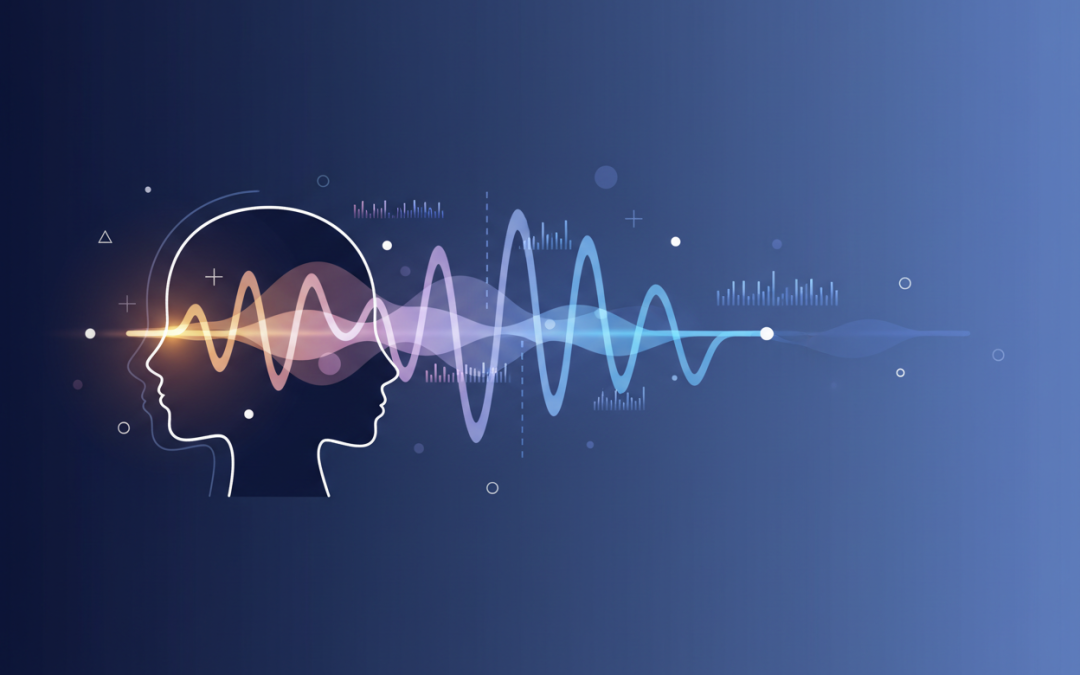
Brainwave entrainment is essentially your brain’s ability to synchronize its electrical activity with external rhythmic stimuli. Think of it like a musical conductor guiding an orchestra – when you expose your brain to specific frequencies through sound, light, or other methods, your neural oscillations gradually align with those external patterns.

This phenomenon isn’t new or artificial. Your brain naturally entrains to various rhythms throughout the day. Ever notice how you feel more alert in bright sunlight or how certain types of music can instantly change your mood? That’s entrainment at work. The difference with intentional brainwave entrainment is that we’re deliberately choosing frequencies that correspond to desired mental states.
Your brain produces different types of brainwaves depending on your current state of consciousness. Beta waves dominate when you’re actively thinking and problem-solving, while alpha waves emerge during relaxed awareness. By using specific audio frequencies, we can encourage our brains to produce more of the brainwave patterns associated with focus and concentration.
The Science Behind Brainwave Entrainment and Focus
The research supporting brainwave entrainment is both compelling and growing. Studies have shown that when we listen to binaural beats – where slightly different frequencies are played in each ear – our brains produce a third frequency that matches the difference between the two. This process, called the frequency-following response, allows us to guide our brainwave patterns toward specific states.
For focus and concentration, we’re primarily interested in encouraging alpha and low-beta brainwave activity. Alpha waves, typically ranging from 8-13 Hz, are associated with relaxed alertness and creative thinking. Low-beta waves, around 13-20 Hz, correlate with focused attention and analytical thinking. When these frequencies are predominant, many people report feeling more centered, clear-headed, and able to sustain attention for longer periods.
Neuroplasticity research suggests that regular brainwave entrainment practice may actually strengthen the neural pathways associated with sustained attention. It’s like going to the gym for your focus muscles – the more you practice achieving these optimal brainwave states, the easier it becomes to access them naturally.
Types of Brainwave Entrainment for Enhanced Concentration
Binaural Beats
Binaural beats are perhaps the most popular and accessible form of brainwave entrainment. They work by playing slightly different frequencies in each ear through headphones. Your brain perceives the mathematical difference as a rhythmic beating pattern, which it then begins to mirror.
For concentration, you’ll want to focus on frequencies in the alpha range (8-13 Hz) for relaxed focus or low-beta range (13-20 Hz) for more intense concentration. Many people find that starting with alpha frequencies helps them settle into a focused state before transitioning to beta frequencies for deeper work sessions.
Monaural Beats
Unlike binaural beats, monaural beats are created by combining two frequencies before they reach your ears. This means you can listen through speakers rather than requiring headphones. Some research suggests monaural beats may be more effective for certain individuals, particularly those who don’t respond well to binaural beats.
Isochronic Tones
Isochronic tones use evenly spaced pulses of sound to create entrainment. These distinct on-and-off pulses can be quite effective for brainwave entrainment and don’t require headphones. Many users find isochronic tones more noticeable and potentially more powerful than other methods, though they can be more intrusive if you prefer subtle background audio.
How to Get Started with Brainwave Entrainment
Beginning your brainwave entrainment journey doesn’t require expensive equipment or extensive preparation. Here’s a practical approach to get you started:
Start with short sessions of 10-15 minutes. Your brain needs time to adapt to this new experience, and jumping into hour-long sessions might feel overwhelming or cause fatigue. Think of it like starting a new exercise routine – you wouldn’t run a marathon on your first day.
Choose a quiet, comfortable environment where you won’t be interrupted. While brainwave entrainment can eventually help you focus even in distracting environments, initial sessions work best when you can fully relax and allow the process to unfold naturally.
Use quality headphones for binaural beats, as the stereo separation is crucial for the effect to work properly. You don’t need audiophile-grade equipment, but avoid earbuds that don’t provide good stereo imaging or speakers that might create crosstalk between channels.
Set a clear intention before each session. Are you preparing for a study session, trying to enter a creative flow state, or simply wanting to feel more mentally clear? Having a specific goal helps your brain understand what state you’re trying to achieve.
Best Practices for Maximizing Results
Consistency trumps intensity when it comes to brainwave entrainment. Regular short sessions will typically yield better results than sporadic long ones. Try to incorporate entrainment into your daily routine, perhaps as part of your morning preparation or as a transition between different types of work.
Pay attention to your body’s responses. Some people feel effects immediately, while others need several sessions before noticing changes. Keep a simple log of how you feel before and after sessions, noting any improvements in focus, mood, or mental clarity.
Combine brainwave entrainment with other focus-enhancing practices. Deep breathing, proper hydration, and good posture can all amplify the effects. Some users find that doing light stretching or meditation before their entrainment session helps them settle into the optimal state more quickly.
Experiment with different frequencies and types of entrainment to find what works best for you. Individual brain chemistry varies, and what works wonderfully for your colleague might not be ideal for you. This isn’t a one-size-fits-all solution, so be patient with the exploration process.
Common Mistakes to Avoid
One of the biggest mistakes newcomers make is expecting immediate, dramatic results. While some people do experience noticeable effects right away, brainwave entrainment is often more subtle than that. Look for gradual improvements in your ability to maintain attention rather than waiting for a sudden transformation.
Avoid using brainwave entrainment as a substitute for good sleep, proper nutrition, or addressing underlying health issues. Think of it as one tool in your focus toolkit rather than a magic solution that can overcome poor lifestyle habits.
Don’t listen to entrainment audio while driving or operating machinery. The relaxed states that brainwave entrainment can produce aren’t appropriate for activities requiring full alertness and quick reflexes.
Resist the urge to constantly increase volume or session length thinking it will accelerate results. Brainwave entrainment works through frequency, not volume, and longer isn’t always better. Your brain needs time to integrate these new patterns naturally.
Tools and Resources for Brainwave Entrainment
The good news is that you don’t need to invest heavily to explore brainwave entrainment. Many free applications and websites offer quality binaural beats and isochronic tones specifically designed for focus and concentration.
Popular apps like Brain.fm, Noisli, and Focus@Will incorporate brainwave entrainment principles into their audio offerings. YouTube also hosts numerous channels dedicated to brainwave entrainment, though quality can vary significantly.
For those wanting more control over their experience, software like SBaGen allows you to create custom entrainment sequences. This can be particularly useful once you’ve identified which frequencies work best for your specific needs.
If you’re serious about incorporating brainwave entrainment into your routine, consider investing in a dedicated device like the Muse headband, which provides real-time feedback on your brainwave activity during meditation and focus sessions.
Brainwave entrainment offers a fascinating intersection of ancient wisdom and modern neuroscience. While it’s not a miracle cure for attention problems, many people find it a valuable tool for enhancing their natural ability to focus and concentrate.
The beauty of brainwave entrainment lies in its simplicity and accessibility. With nothing more than a pair of headphones and a smartphone, you can begin exploring how different frequencies affect your mental state. As you develop a regular practice, you may find that achieving focused states becomes more natural and effortless.
Remember that like any skill, developing better focus through brainwave entrainment takes patience and consistency. Start small, stay curious about your experiences, and be willing to adjust your approach based on what you learn about your own brain’s preferences. In our age of constant distraction, any tool that helps us reclaim our attention and mental clarity is worth exploring.
Frequently Asked Questions
How long does it take to see results from brainwave entrainment?
Results vary significantly between individuals. Some people notice immediate effects during their first session, while others may need 2-4 weeks of regular practice before experiencing noticeable improvements in focus and concentration. Consistency is more important than session length for developing lasting benefits.
Is brainwave entrainment safe for everyone?
Brainwave entrainment is generally considered safe for healthy individuals. However, people with epilepsy, seizure disorders, or certain neurological conditions should consult with a healthcare provider before using any form of brainwave entrainment. Pregnant women and children should also seek medical advice before starting.
Can I use brainwave entrainment while working or studying?
Yes, many people successfully use brainwave entrainment as background audio while working or studying. Start with lower volumes and less intense frequencies to ensure the audio doesn’t become distracting. Some find it helpful to listen during preparation phases rather than during active work.
Do I need expensive equipment to try brainwave entrainment?
No, you can start with basic headphones and free apps or YouTube videos. While higher-quality audio equipment may enhance the experience, it’s not necessary for beginners. Focus on finding the right frequencies and establishing a consistent practice before investing in premium tools.
What’s the difference between brainwave entrainment and meditation?
Brainwave entrainment uses external stimuli to guide brain activity toward specific states, while traditional meditation relies on mental techniques and awareness practices. Many people find that brainwave entrainment can support their meditation practice or serve as an alternative method for achieving similar states of focused calm.