
Alpha Waves vs. Theta Waves: Which Is Better for Relaxation?
Table of Contents
1. Introduction to Brainwaves and Relaxation
2. Understanding Alpha Waves: The Gateway to Calm
3. Exploring Theta Waves: Deep Relaxation Territory
4. Alpha vs. Theta: Key Differences for Relaxation
5. When to Use Alpha Waves for Relaxation
6. When Theta Waves Are Your Best Choice
7. How to Access Alpha and Theta States Naturally
8. Technology and Binaural Beats: Modern Tools for Brainwave Entrainment
9. Potential Side Effects and Considerations
10. Conclusion: Finding Your Perfect Relaxation Frequency
11. Frequently Asked Questions
Introduction to Brainwaves and Relaxation
Have you ever wondered why some meditation sessions leave you feeling refreshed and alert, while others make you feel deeply relaxed or even drowsy? The answer lies in the fascinating world of brainwaves – specifically, the different frequencies your brain produces during various states of consciousness.
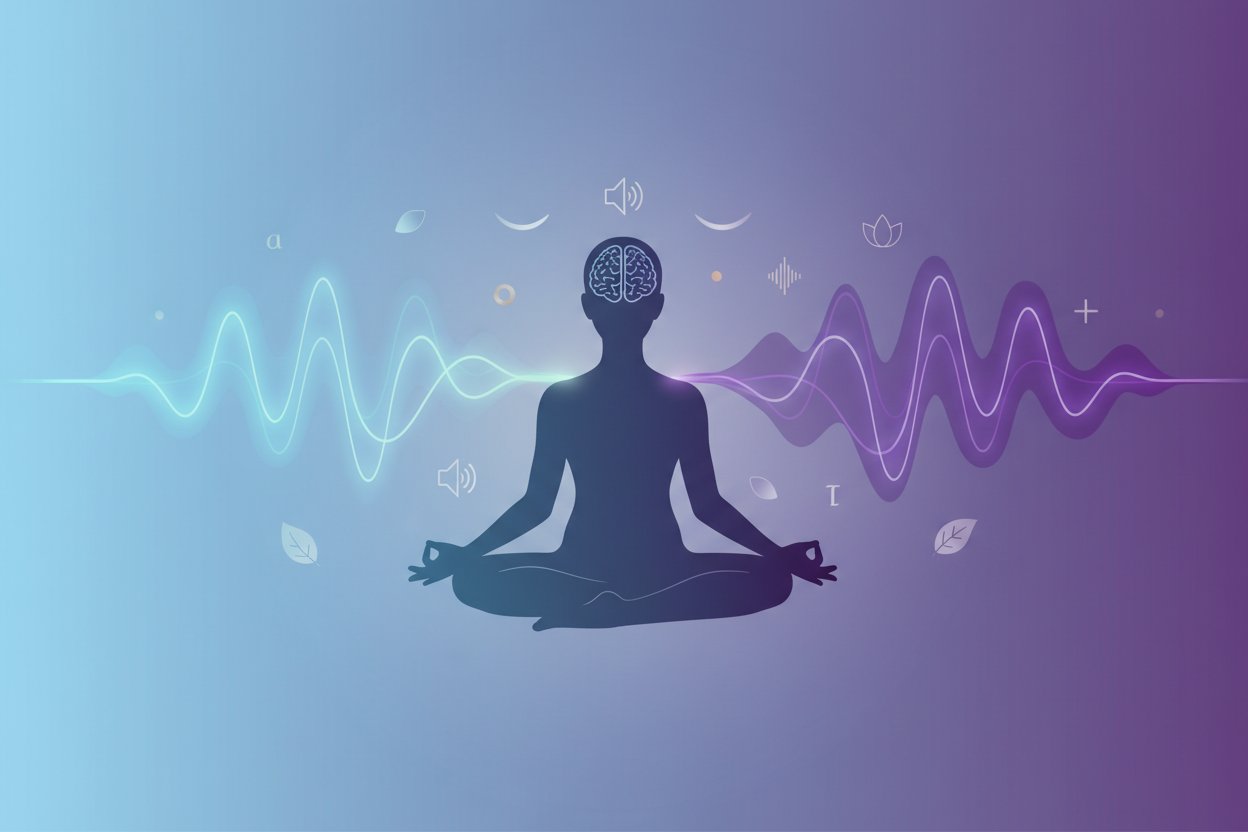
When it comes to relaxation, two types of brainwaves often steal the spotlight: alpha waves and theta waves. Both are associated with calm, peaceful states, but they work in distinctly different ways. Understanding these differences can help you choose the right approach for your specific relaxation needs, whether you’re dealing with daily stress, seeking creative inspiration, or preparing for restful sleep.
In this comprehensive guide, we’ll explore the unique characteristics of alpha and theta waves, compare their relaxation benefits, and help you determine which frequency might work better for your lifestyle and wellness goals.
Understanding Alpha Waves: The Gateway to Calm
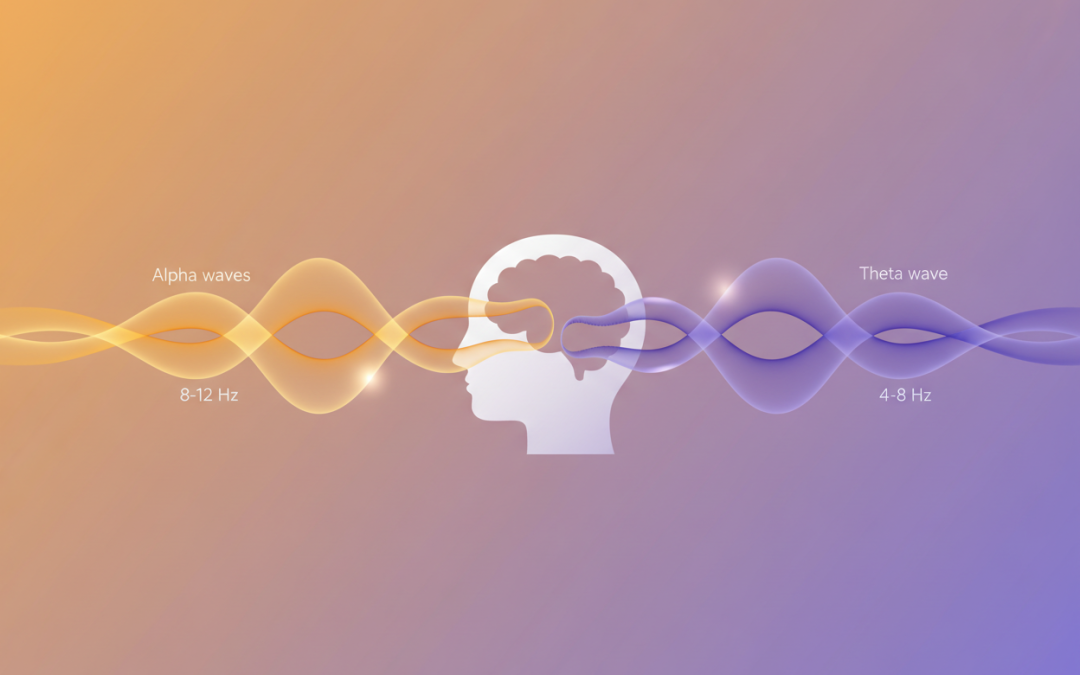
Alpha waves operate at a frequency of 8-12 Hz and represent what many neuroscientists call the “bridge” between conscious and subconscious states. When your brain produces alpha waves, you’re typically in a state of relaxed awareness – calm but still alert and focused.
Think about those moments when you’re sitting by a lake, watching the water gently lap against the shore. You’re peaceful and relaxed, but you’re still aware of your surroundings. That’s the alpha state in action. Your mind isn’t racing with thoughts, but you’re not drifting off to sleep either.
Alpha waves naturally occur during light meditation, daydreaming, and those precious few minutes right before you fall asleep or just as you’re waking up. Many people describe the alpha state as feeling “zenful” – a perfect balance between relaxation and mental clarity.
Research has shown that alpha wave activity is associated with reduced anxiety, improved mood, and enhanced creativity. When your brain is producing alpha waves, you’re more likely to experience that coveted “flow state” where everything feels effortless and natural.
Exploring Theta Waves: Deep Relaxation Territory
Theta waves vibrate at a slower frequency of 4-8 Hz, taking you into much deeper states of relaxation and consciousness. If alpha waves are like floating on the surface of a calm lake, theta waves are like diving deep beneath the surface into the mysterious depths below.
During theta states, you’re typically in deep meditation, REM sleep, or that dreamy twilight zone between waking and sleeping. Your conscious mind takes a backseat, allowing your subconscious to come forward. This is why theta states are often associated with vivid imagery, profound insights, and emotional healing.
Many spiritual traditions and healing practices specifically target theta frequencies because of their connection to intuition, emotional processing, and memory consolidation. When you’re in a theta state, your brain is essentially doing deep maintenance work – processing emotions, forming memories, and sometimes revealing solutions to problems that have been puzzling you.
The theta state can feel almost mystical. Time seems to slow down or disappear entirely, and you might experience what feels like expanded consciousness or connection to something greater than yourself.
Alpha vs. Theta: Key Differences for Relaxation
While both alpha and theta waves promote relaxation, they offer distinctly different experiences and benefits. Understanding these differences is crucial for choosing the right approach for your specific needs.
Alpha waves provide what we might call “functional relaxation.” You’re calm and centered, but you can still engage with the world around you. This makes alpha states perfect for stress relief during busy days, creative work sessions, or when you need to relax without completely disconnecting from your environment.
Theta waves, on the other hand, offer “transformative relaxation.” You’re diving deep into your subconscious mind, often losing awareness of your physical surroundings. This depth makes theta states ideal for healing work, processing emotions, or when you need profound rest and restoration.
In terms of accessibility, most people find alpha states easier to achieve and maintain. Theta states typically require more practice or specific techniques to reach and sustain, though some individuals naturally slip into theta during meditation or quiet reflection.
When to Use Alpha Waves for Relaxation
Alpha waves are your go-to choice when you need relaxation that doesn’t interfere with your daily activities. They’re particularly beneficial during work breaks when you want to reduce stress without becoming drowsy or disconnected.
Consider alpha wave relaxation when you’re dealing with mild to moderate anxiety, need to boost creativity for a project, or want to improve your focus and concentration. Many successful entrepreneurs and artists have learned to access alpha states during brainstorming sessions because this frequency enhances both relaxation and mental clarity.
Alpha waves are also excellent for students who need to absorb information while staying calm. The relaxed-but-alert state can improve learning and memory retention without the deep introspection that theta waves bring.
If you’re new to meditation or relaxation techniques, starting with alpha wave practices can help you build a foundation. The state feels familiar and comfortable to most people, making it an ideal entry point into deeper relaxation practices.
When Theta Waves Are Your Best Choice
Theta waves become the better option when you’re seeking profound relaxation, emotional healing, or spiritual exploration. If you’re dealing with deep-seated stress, trauma, or emotional blocks, theta states can provide the mental space needed for processing and healing.
Many people find theta waves particularly helpful for sleep preparation. Unlike alpha waves, which might leave you feeling alert, theta frequencies naturally guide your brain toward the deeper states associated with restorative sleep.
Theta waves are also invaluable for creative breakthroughs and problem-solving. When you’re stuck on a challenge that logical thinking can’t solve, dropping into theta can allow your subconscious mind to present solutions that your conscious mind might have missed.
If you’re interested in exploring meditation as a spiritual practice rather than just a stress-relief tool, theta waves can facilitate those deeper, more transcendent experiences that many seekers are looking for.
How to Access Alpha and Theta States Naturally
You don’t need expensive equipment or complicated techniques to experience alpha and theta states. Your brain naturally produces these frequencies, and with practice, you can learn to encourage them.
For alpha states, try simple breathing exercises while maintaining gentle awareness of your surroundings. Sit comfortably, breathe slowly and deeply, and allow your mind to settle without forcing it. Light meditation, gentle yoga, or even taking a mindful walk in nature can promote alpha wave production.
Accessing theta states typically requires deeper practices. Progressive muscle relaxation, guided imagery, or extended meditation sessions can help you reach these frequencies. Many people find that theta states come more easily in the evening or early morning when the mind is naturally quieter.
Both states can be encouraged through consistent practice. The more you work with these frequencies, the easier it becomes to access them when you need them most.
Technology and Binaural Beats: Modern Tools for Brainwave Entrainment
Modern technology has made it easier than ever to experience specific brainwave states through binaural beats and other audio technologies. These tools use precise sound frequencies to encourage your brain to sync with desired brainwave patterns.
Binaural beats work by playing slightly different frequencies in each ear. Your brain perceives the difference between these frequencies and begins to produce brainwaves that match that difference. For example, playing 200 Hz in one ear and 210 Hz in the other creates a 10 Hz binaural beat, which can encourage alpha wave production.
While technology can be helpful, especially for beginners, it’s worth remembering that your brain already knows how to produce these states naturally. Technology should supplement, not replace, your natural ability to access relaxation.
Potential Side Effects and Considerations
Both alpha and theta wave practices are generally safe for most people, but there are some considerations to keep in mind. Some individuals might experience emotional releases during theta states, as these frequencies can bring suppressed feelings to the surface.
If you’re dealing with serious mental health issues, it’s wise to work with a qualified practitioner when exploring deeper brainwave states. While relaxation is generally beneficial, some people might find that certain frequencies trigger unexpected responses.
It’s also important to use these practices appropriately. Theta states, in particular, shouldn’t be induced while driving or operating machinery, as they can significantly alter your awareness and reaction time.
Conclusion: Finding Your Perfect Relaxation Frequency
The question of whether alpha or theta waves are better for relaxation doesn’t have a one-size-fits-all answer. The best choice depends on your specific needs, circumstances, and goals.
Alpha waves excel when you need accessible, functional relaxation that maintains awareness and can be integrated into daily life. They’re perfect for stress management, creative work, and building a foundation for deeper practices.
Theta waves shine when you’re seeking profound relaxation, emotional healing, or spiritual exploration. They offer the deep restoration and insight that can transform your relationship with stress and help you access your inner wisdom.
The most effective approach might be to develop familiarity with both frequencies. Learn to access alpha states for daily stress management and theta states for deeper healing and restoration. By understanding and working with your brain’s natural rhythms, you can create a more balanced, peaceful, and fulfilling life.
Remember, the journey into relaxation is deeply personal. What works beautifully for one person might not resonate with another. Give yourself permission to experiment, explore, and discover which brainwave frequencies serve your unique path to peace and well-being.
Frequently Asked Questions
Q: Can I experience both alpha and theta waves in the same meditation session?
A: Yes, it’s common to move between different brainwave states during longer meditation sessions. You might start in alpha and gradually deepen into theta, or fluctuate between the two states naturally.
Q: How long does it take to learn to access these brainwave states?
A: Alpha states can often be accessed within a few minutes of practice, even for beginners. Theta states typically require more time and practice – anywhere from a few weeks to several months of consistent practice.
Q: Are binaural beats necessary for accessing alpha and theta states?
A: No, binaural beats are helpful tools but not necessary. Your brain naturally produces these frequencies, and traditional meditation and relaxation techniques can effectively access these states without any technology.
Q: Can children safely use alpha and theta wave practices?
A: Yes, children can benefit from gentle relaxation practices that encourage these brainwave states. However, keep sessions shorter and use age-appropriate techniques like guided imagery or simple breathing exercises.
Q: Is it normal to fall asleep during theta wave meditation?
A: Yes, it’s quite common to drift into sleep during theta practices, especially if you’re tired or practicing in the evening. This isn’t necessarily a problem unless your goal is to remain conscious during the session.
Q: Which brainwave state is better for anxiety relief?
A: Both can help with anxiety, but alpha waves are often more immediately accessible for anxiety relief. They provide calming effects while maintaining awareness, making them practical for managing anxiety in daily situations.