
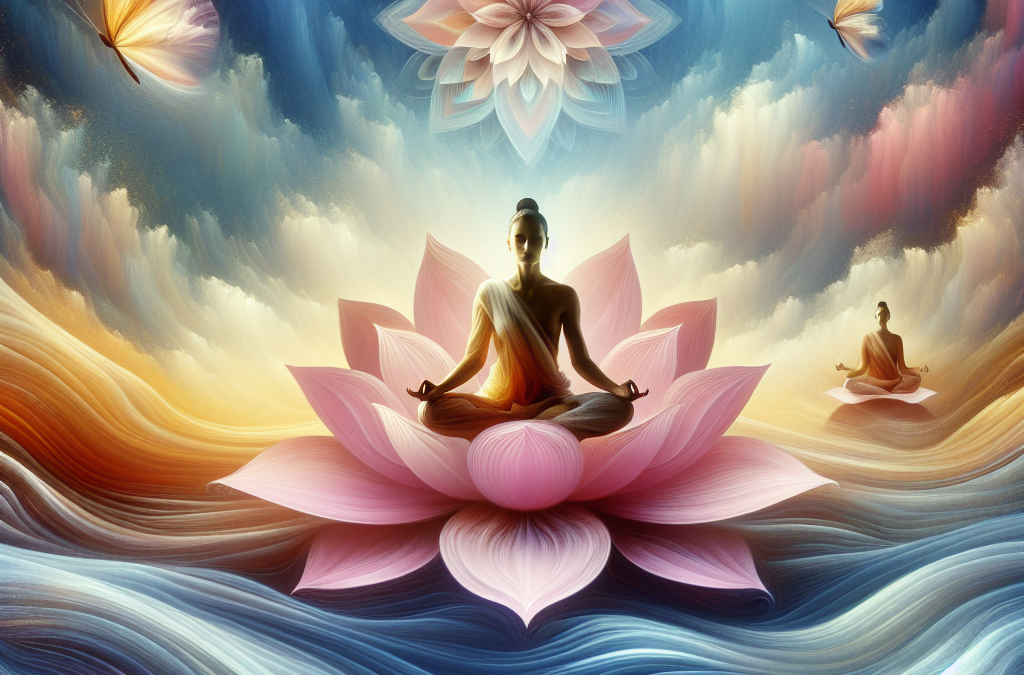
How to Use Meditation to Achieve Emotional Freedom
In today’s fast-paced world, emotional freedom can feel elusive. With constant demands on our attention and energy, finding peace within ourselves is more important than ever. One powerful tool to achieve this is meditation. This ancient practice is not only a gateway to calmness but also a pathway to emotional liberation. Let’s explore how meditation can help you unlock a life of emotional freedom.
Table of Contents
1. What is Emotional Freedom?
2. The Role of Meditation in Emotional Health
3. Steps to Begin Your Meditation Journey
4. Meditation Techniques for Emotional Release
5. Benefits of Emotional Freedom Through Meditation
6. Frequently Asked Questions
What is Emotional Freedom?
Emotional freedom is the ability to live life without being controlled by negative emotions or past traumas. It means experiencing emotions without being overwhelmed by them. Achieving emotional freedom allows us to respond to life’s challenges with grace and resilience, rather than reacting out of habit or fear. ??
The Role of Meditation in Emotional Health
Meditation is a practice that involves focusing your mind and eliminating distractions. It is known for its profound impact on emotional health. Regular meditation can help you become more aware of your thoughts and feelings, enabling you to process emotions more effectively.

When you meditate, you train your mind to observe emotions without judgment, creating a space where healing and freedom can flourish. This practice helps reduce stress, anxiety, and depression, paving the way for emotional balance. ????
Steps to Begin Your Meditation Journey
Starting meditation doesn’t have to be daunting. Here are some simple steps to get you started:
1. Set Your Intention
Before you begin, it’s essential to set a clear intention. Ask yourself why you want to meditate and what you hope to achieve. This will guide your practice and keep you motivated.
2. Create a Comfortable Space
Find a quiet, comfortable spot where you won’t be disturbed. This could be a corner in your room or a peaceful spot in your garden. Make sure it’s a place where you feel relaxed and safe.
3. Start Small
Begin with just a few minutes each day. Gradually increase the time as you become more comfortable with the practice. Remember, consistency is more important than duration.
4. Focus on Your Breath
Pay attention to your breath as it flows in and out. If your mind wanders, gently bring your focus back to your breath. This simple act of mindfulness is the foundation of meditation.
Meditation Techniques for Emotional Release
There are various meditation techniques specifically designed to help release emotions:
1. Mindfulness Meditation
This involves observing your thoughts and feelings without judgment. It’s about being present in the moment and accepting what is, rather than trying to change it.
2. Loving-Kindness Meditation
Also known as Metta, this practice focuses on cultivating compassion and love towards yourself and others. It can help heal emotional wounds and foster forgiveness.
3. Body Scan Meditation
This technique involves mentally scanning your body for areas of tension and consciously relaxing them. It’s a great way to release stored emotional energy.
Benefits of Emotional Freedom Through Meditation
By practicing meditation regularly, you can enjoy numerous benefits, including:
? Improved Self-Awareness: Become more in tune with your emotions and understand how they influence your behavior.
? Enhanced Emotional Resilience: Learn to navigate life’s ups and downs with greater ease and stability.
? Increased Compassion: Develop a deeper sense of empathy and kindness towards yourself and others.
? Greater Peace and Joy: Experience a sense of inner peace and contentment that isn’t dependent on external circumstances.
Frequently Asked Questions
Q1: How long does it take to see results from meditation?
A1: Results vary for each person, but many people notice improvements in their emotional well-being within a few weeks of consistent practice.
Q2: Can meditation help with anxiety and depression?
A2: Yes, meditation is an effective tool for managing anxiety and depression. It helps calm the mind and promotes a balanced emotional state.
Q3: Do I need to meditate every day?
A3: While daily practice is beneficial, it’s not mandatory. Even meditating a few times a week can have positive effects on your emotional health.
In conclusion, meditation is a transformative practice that can lead you to emotional freedom. By integrating meditation into your daily routine, you can cultivate a life of peace, resilience, and joy. So why not take a deep breath, close your eyes, and begin your journey to emotional liberation today? ?
Roshiwave Meditation Mind Machine
Add CTA sections description.