

10 Revolutionary Meditation Devices That Will Transform Your Daily Practice
Table of Contents
1. Introduction: The Digital Revolution in Mindfulness
2. Why Technology and Meditation Make Perfect Partners
3. The Top 10 Revolutionary Meditation Devices
4. How to Choose the Right Meditation Device for You
5. Maximizing Your Investment in Meditation Technology
6. Conclusion: Embracing the Future of Mindful Living
7. Frequently Asked Questions
Introduction: The Digital Revolution in Mindfulness
In a world where our smartphones buzz every few minutes and our minds race from one task to another, finding inner peace might seem like an impossible dream. Yet, ironically, the same technology that often overwhelms us is now offering innovative solutions to help us achieve deeper states of meditation and mindfulness.
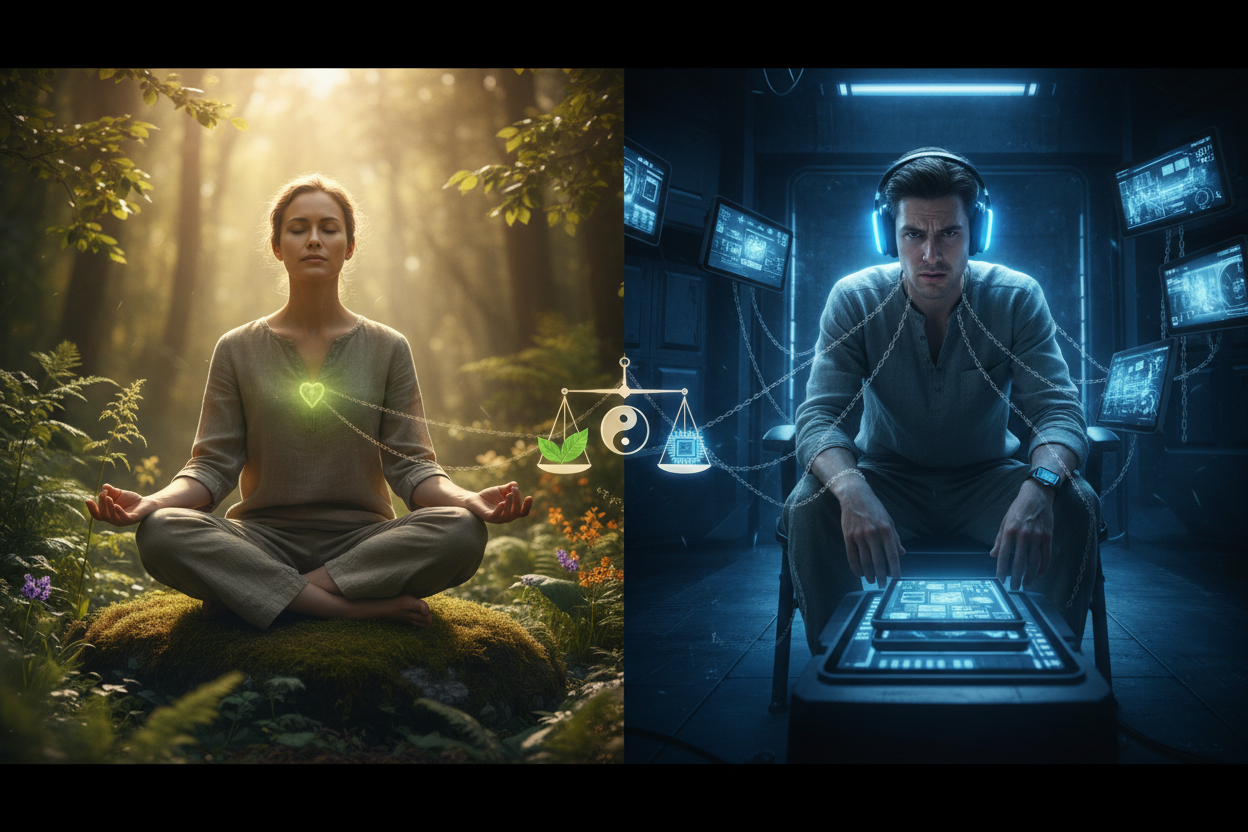
Gone are the days when meditation required nothing more than a quiet corner and a cushion. Today’s meditation practitioners have access to cutting-edge devices that can enhance their practice in ways our ancestors never imagined. From brainwave-monitoring headbands to immersive virtual reality experiences, these revolutionary tools are transforming how we approach mental wellness and spiritual growth.
Whether you’re a complete beginner struggling to quiet your mind or an experienced meditator looking to deepen your practice, these innovative devices offer personalized guidance, real-time feedback, and measurable progress tracking that can accelerate your journey toward inner peace.
Why Technology and Meditation Make Perfect Partners
At first glance, combining ancient mindfulness practices with modern technology might seem contradictory. However, when thoughtfully integrated, technology can actually enhance rather than distract from your meditation experience.
The key lies in understanding that these devices aren’t meant to replace traditional meditation techniques but to support and amplify them. They provide objective feedback about your mental state, help you maintain consistency, and offer guided experiences that can be particularly valuable for beginners who might otherwise struggle with where to start.
Modern meditation devices excel at solving common challenges that practitioners face: difficulty maintaining focus, lack of progress tracking, inconsistent practice schedules, and the challenge of knowing whether you’re “doing it right.” By addressing these pain points, technology becomes a bridge rather than a barrier to deeper mindfulness.
The Top 10 Revolutionary Meditation Devices
1. Muse Headband: Your Personal Meditation Coach
The Muse headband represents one of the most significant breakthroughs in meditation technology. This sleek, comfortable device uses EEG sensors to monitor your brainwave activity in real-time, providing immediate audio feedback about your mental state during meditation sessions.
When your mind is calm and focused, you’ll hear peaceful nature sounds like gentle waves or chirping birds. As your thoughts become more active or scattered, the sounds intensify, gently guiding you back to a state of focused awareness. This biofeedback approach helps you understand what a meditative state actually feels like, making it easier to achieve that state without the device over time.
What sets Muse apart is its ability to track your progress over months and years, showing you concrete data about your improving focus and consistency. Many users report that seeing their “calm mind” percentage increase over time provides powerful motivation to maintain their practice.
2. Sensate Relaxation Device: Vibrations for Deep Calm
The Sensate device takes a unique approach to meditation by using infrasonic vibrations that you feel rather than hear. This small, pebble-shaped device rests on your chest and creates gentle vibrations that naturally activate your parasympathetic nervous system, triggering your body’s relaxation response.
Unlike other meditation tools that require mental effort or concentration, Sensate works on a physiological level. The vibrations help slow your heart rate and breathing, creating an ideal foundation for meditation or simply deep relaxation. It’s particularly effective for people who struggle with anxiety or have difficulty quieting their minds through traditional meditation techniques.
The accompanying app provides various soundscapes and guided sessions designed to work synergistically with the vibrations, creating a multi-sensory relaxation experience that many users find more accessible than traditional meditation methods.
3. Apollo Neuro: Wearable Stress Relief
Apollo Neuro represents the next generation of wearable wellness technology. This sleek wristband or ankle band delivers gentle vibrations that help regulate your nervous system throughout the day, not just during dedicated meditation sessions.
The device offers different vibration patterns for various goals: focus and productivity during work hours, relaxation and stress relief in the evening, or deep sleep preparation at bedtime. What makes Apollo particularly revolutionary is its ability to train your nervous system over time, gradually improving your natural stress resilience and emotional regulation.
Clinical studies have shown that regular use of Apollo Neuro can improve heart rate variability, reduce stress hormones, and enhance sleep quality. For meditation practitioners, this means arriving at your practice sessions already in a more balanced state, making it easier to achieve deeper levels of mindfulness.
4. Morpheus Sleep and Recovery Device
Quality sleep and effective meditation are intimately connected, which makes the Morpheus device a valuable addition to any mindfulness toolkit. This comprehensive sleep tracking system monitors your sleep stages, heart rate variability, and recovery metrics to provide detailed insights into how your meditation practice affects your overall well-being.
The device includes guided meditation sessions specifically designed for bedtime, helping you transition from the day’s activities into restful sleep. By tracking both your meditation consistency and sleep quality, Morpheus helps you understand the powerful connection between mindfulness practice and physical recovery.
Many users discover that their meditation practice significantly improves their sleep scores, while better sleep makes their meditation sessions more effective. This positive feedback loop can accelerate progress in both areas of wellness.
5. Spire Stone: Breath Awareness Made Simple
Breath awareness forms the foundation of many meditation traditions, but it can be challenging to maintain focus on something as subtle and automatic as breathing. The Spire Stone addresses this challenge by continuously monitoring your breathing patterns and gently alerting you when you’re holding your breath or breathing in a stressed pattern.
This small, clip-on device tracks the expansion and contraction of your torso, providing real-time feedback about your respiratory patterns throughout the day. When it detects signs of stress or tension in your breathing, it sends a gentle notification to your smartphone, reminding you to take a few conscious breaths.
For meditation practitioners, this constant awareness of breath patterns can be transformative. You begin to notice how different activities, emotions, and thoughts affect your breathing, developing a deeper understanding of the mind-body connection that’s central to mindfulness practice.
6. Dhyana Smart Ring: Discrete Meditation Tracking
The Dhyana smart ring brings meditation tracking into the realm of wearable jewelry, offering a discrete way to monitor your stress levels and meditation progress throughout the day. This sleek ring continuously tracks your heart rate variability, skin temperature, and movement patterns to provide insights into your mental and emotional state.
What makes Dhyana particularly innovative is its ability to detect when you’re entering a meditative state, even during informal mindfulness moments like mindful walking or eating. The ring can identify patterns in your physiological data that correspond to states of calm awareness, helping you recognize and cultivate these moments of natural mindfulness.
The accompanying app provides personalized recommendations for meditation timing and techniques based on your stress patterns and daily rhythms, making it easier to integrate mindfulness practice into your busy schedule.
7. Core Meditation Trainer: Breath-Powered Feedback
The Core meditation trainer takes a beautifully simple approach to meditation guidance by focusing entirely on breath awareness. This handheld device uses advanced sensors to detect the subtle movements of your breathing and provides real-time feedback through gentle vibrations and LED lights.
During meditation sessions, Core guides your breathing rhythm with gentle pulses, helping you maintain a steady, calming breath pattern. As your breathing becomes more consistent and relaxed, the device responds with soothing feedback that reinforces your progress. The visual and tactile cues help anchor your attention on the breath, making it easier to maintain focus during longer sessions.
What sets Core apart is its emphasis on breath regulation as a gateway to deeper states of meditation. By mastering breath control with the device’s guidance, practitioners often find that they can achieve meditative states more quickly and maintain them for longer periods.
8. Flowtime Biosensing Meditation Headband
The Flowtime headband offers professional-grade brainwave monitoring at a consumer-friendly price point. Using medical-grade EEG sensors, this device provides detailed insights into your brain activity during meditation, helping you understand which techniques and approaches work best for your unique neurological patterns.
Unlike simpler devices that provide basic feedback, Flowtime offers comprehensive analysis of different brainwave frequencies associated with various states of consciousness. You can see how your alpha, beta, theta, and gamma waves change during different types of meditation, providing valuable data for optimizing your practice.
The device also includes guided meditations specifically designed to help you achieve particular brainwave states, whether you’re seeking deep relaxation (theta waves), focused attention (alpha waves), or heightened awareness (gamma waves). This scientific approach to meditation can be particularly appealing to analytically-minded practitioners who want to understand the measurable effects of their practice.
9. Tripp VR Meditation Platform
Virtual reality might seem like an unlikely tool for meditation, but the Tripp platform demonstrates how immersive technology can create powerful mindfulness experiences. This VR meditation app transports you to stunning virtual environments where you can practice various forms of meditation and mindfulness exercises.
From floating in space among the stars to sitting beside a peaceful mountain lake, Tripp’s virtual environments provide a level of immersion that can help even the most distracted minds find focus. The platform includes guided meditations, breathing exercises, and focus training games that gamify the meditation experience without losing sight of its deeper purpose.
What makes Tripp particularly effective is its ability to create a sense of presence and escape from daily distractions. When you’re fully immersed in a beautiful virtual environment, it becomes much easier to let go of worries and mental chatter, allowing for deeper states of meditation than might be possible in your everyday environment.
10. Zen Meditation Cushion with Biometric Sensors
The final device on our list represents the perfect marriage of traditional meditation tools and modern technology. This intelligent meditation cushion looks and feels like a traditional zabuton or zafu but includes built-in sensors that monitor your posture, breathing, and subtle movements during seated meditation.
The cushion provides gentle feedback through vibrations when it detects that you’re slouching or shifting excessively, helping you maintain proper meditation posture without conscious effort. It also tracks the duration and quality of your sessions, providing insights into how different postures and positions affect your ability to maintain stillness and focus.
For practitioners who prefer traditional seated meditation but want the benefits of modern tracking and feedback, this device offers the best of both worlds. The technology remains completely invisible during your practice, preserving the authentic feel of traditional meditation while providing valuable data for improvement.
How to Choose the Right Meditation Device for You
With so many innovative options available, selecting the right meditation device for your needs requires careful consideration of your goals, experience level, and personal preferences. Begin by honestly assessing your current meditation practice and identifying your biggest challenges.
If you’re a complete beginner who struggles with knowing whether you’re meditating “correctly,” devices like the Muse headband or Core trainer that provide real-time feedback can be invaluable. These tools help you understand what a meditative state feels like and provide objective confirmation of your progress.
For experienced practitioners looking to deepen their practice, more advanced devices like the Flowtime headband or Morpheus sleep tracker might be more appropriate. These tools provide detailed analytics that can help you optimize your practice and understand the broader impacts of meditation on your health and well-being.
Consider your lifestyle and preferences as well. If you prefer discrete monitoring throughout the day, wearable devices like the Apollo Neuro or Dhyana ring might be ideal. If you enjoy immersive experiences, VR platforms like Tripp could revolutionize your practice.
Maximizing Your Investment in Meditation Technology
Purchasing a meditation device is just the beginning of your journey with technology-enhanced mindfulness. To truly transform your practice, you’ll need to integrate these tools thoughtfully into your daily routine and use them as stepping stones rather than crutches.
Start by establishing a consistent practice schedule that incorporates your chosen device. Use the feedback and data these tools provide to identify patterns and optimize your meditation timing, duration, and techniques. Pay attention to which approaches work best for you and gradually experiment with more advanced features as you become comfortable with the basics.
Remember that the ultimate goal of any meditation device should be to enhance your natural ability to achieve mindful states. While the technology can provide valuable guidance and motivation, the real transformation happens through consistent practice and gradual development of your innate mindfulness capacities.
Consider keeping a meditation journal alongside your device data, noting subjective experiences, insights, and changes in your daily life that might not be captured by sensors and algorithms. This combination of objective data and personal reflection provides the most comprehensive view of your meditation progress.
Conclusion: Embracing the Future of Mindful Living
The intersection of ancient wisdom and modern technology has opened up exciting new possibilities for meditation practitioners at every level. These revolutionary devices offer unprecedented insights into our mental and physiological states, providing guidance and feedback that can accelerate our journey toward greater mindfulness and inner peace.
However, it’s important to remember that technology is a tool, not a destination. The most sophisticated meditation device in the world cannot replace the fundamental work of developing awareness, compassion, and wisdom through consistent practice. These tools are most powerful when they support and enhance our natural capacity for mindfulness rather than replacing it.
As you explore these innovative meditation devices, approach them with curiosity and openness while maintaining a healthy perspective on their role in your spiritual development. Use them to deepen your understanding of meditation, track your progress, and maintain motivation, but don’t lose sight of the simple, profound practice of present-moment awareness that lies at the heart of all authentic meditation traditions.
The future of meditation is bright, with technology offering new pathways to ancient wisdom. By thoughtfully integrating these revolutionary devices into your practice, you can accelerate your progress toward the peace, clarity, and wellbeing that meditation has offered seekers for thousands of years.
Frequently Asked Questions
Q: Are meditation devices suitable for complete beginners?
A: Absolutely! Many meditation devices are specifically designed with beginners in mind. Devices like the Muse headband and Core trainer provide real-time feedback that helps new practitioners understand what meditation feels like and whether they’re on the right track. This guidance can be invaluable for people who might otherwise struggle with traditional meditation instructions.
Q: Can meditation devices replace traditional meditation practice?
A: No, meditation devices should complement rather than replace traditional practice. While these tools provide valuable feedback and guidance, the core skills of mindfulness and awareness must still be developed through consistent practice. Think of these devices as training wheels that help you develop your natural meditation abilities.
Q: How much should I expect to spend on a quality meditation device?
A: Meditation devices range from around $100 for basic breath-tracking tools to $500+ for advanced brainwave monitoring systems. Consider starting with a mid-range device around $200-300 to get meaningful feedback without a huge investment. You can always upgrade later as your practice develops.
Q: Do meditation devices actually work, or is it just marketing hype?
A: Many meditation devices are backed by legitimate scientific research and use proven biofeedback principles. However, their effectiveness depends largely on consistent use and proper integration into a regular meditation practice. Look for devices with published research and positive user reviews from serious practitioners.
Q: How long does it take to see results with meditation devices?
A: Most users report noticeable improvements in their meditation practice within 2-4 weeks of consistent use. However, the timeline varies depending on your starting point, consistency of practice, and specific goals. The devices themselves often show progress metrics that can help you track improvements objectively.
Q: Are there any risks or side effects to using meditation technology?
A: Meditation devices are generally very safe when used as directed. The main risk is becoming overly dependent on technology for meditation rather than developing your natural abilities. Some people may also find that constant monitoring creates anxiety rather than relaxation. Start slowly and pay attention to how the device affects your overall relationship with meditation.