
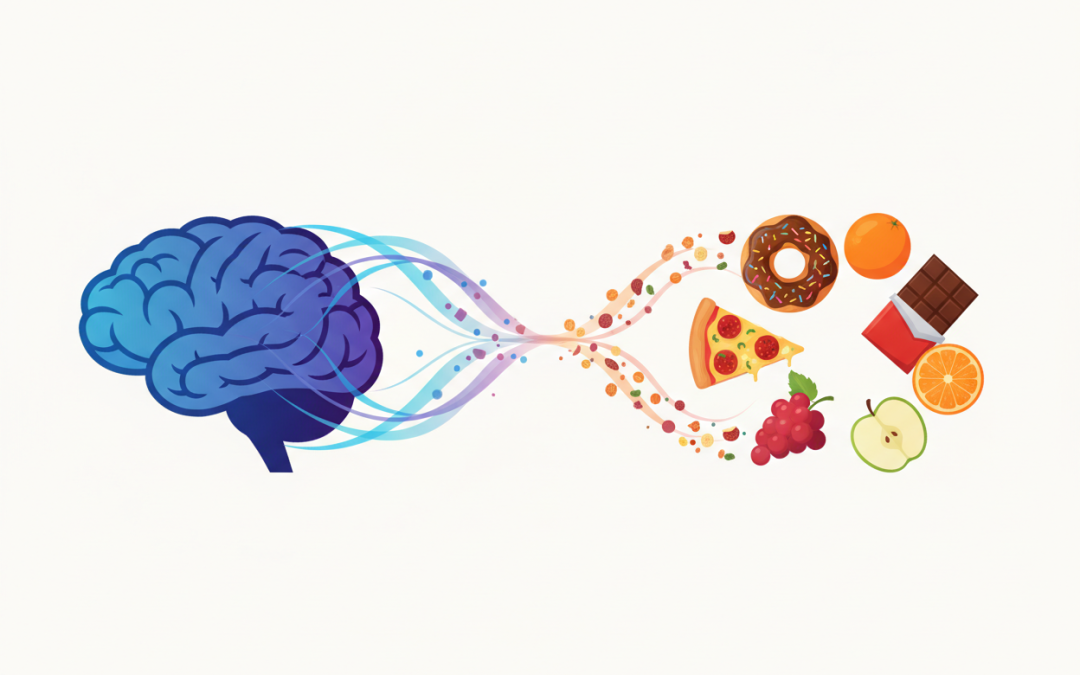
The Surprising Link Between Brainwave Patterns and Food Cravings: What Science Reveals About Your Hunger
Table of Contents
1. Introduction: When Your Brain Dictates What You Eat
2. Understanding Brainwave Patterns and Their Role in Daily Life
3. The Science Behind Food Cravings and Neural Activity
4. How Different Brainwave States Influence Your Appetite
5. The Stress-Craving Connection: When Beta Waves Take Control
6. Alpha Waves and Mindful Eating: Finding Your Food Balance
7. Practical Strategies to Optimize Your Brainwaves for Healthier Eating
8. The Future of Neuroscience and Nutrition
9. Frequently Asked Questions
10. Conclusion: Taking Control of Your Food Choices
Introduction: When Your Brain Dictates What You Eat
Have you ever wondered why you suddenly crave chocolate during a stressful afternoon at work, or why you reach for comfort foods when you’re feeling overwhelmed? The answer might lie deeper than you think – literally in the electrical patterns dancing across your brain.

Recent neuroscience research has uncovered a fascinating connection between our brainwave patterns and the foods we crave. It turns out that the rhythmic electrical activity in our brains doesn’t just influence our mood and cognitive function; it also plays a crucial role in determining what we want to eat and when.
This groundbreaking understanding opens up entirely new possibilities for managing our relationship with food. By learning to recognize and influence our brainwave states, we might finally crack the code on controlling those seemingly unstoppable cravings that derail our best intentions.

Understanding Brainwave Patterns and Their Role in Daily Life
Before diving into the food connection, let’s explore what brainwaves actually are. Think of your brain as an incredibly sophisticated orchestra, with billions of neurons firing in synchronized patterns. These electrical impulses create measurable frequencies that scientists categorize into distinct brainwave types.
The four primary brainwave patterns include beta waves (14-30 Hz), which dominate during active thinking and problem-solving; alpha waves (8-14 Hz), associated with relaxed awareness and creativity; theta waves (4-8 Hz), linked to deep meditation and REM sleep; and delta waves (0.5-4 Hz), present during deep, dreamless sleep.
Throughout your day, your brain naturally shifts between these different states depending on your activities, emotions, and environment. What researchers have discovered is that these shifts don’t just affect your mental state – they also send powerful signals to the regions of your brain responsible for hunger, satiety, and food preferences.
The Science Behind Food Cravings and Neural Activity
Dr. Sarah Chen, a neuroscientist at Stanford University, has spent the last five years studying the intricate relationship between brainwave patterns and eating behaviors. Her research reveals that food cravings aren’t just psychological quirks – they’re deeply rooted in our neurological wiring.
When your brain operates in certain frequency ranges, it triggers cascading effects throughout your nervous system. The hypothalamus, your brain’s control center for hunger and satiety, receives these electrical signals and responds by releasing specific hormones and neurotransmitters that influence your food preferences.
For instance, when your brain produces high levels of beta waves – typically during periods of stress or intense focus – it simultaneously increases cortisol production. This stress hormone doesn’t just make you feel anxious; it actively promotes cravings for high-calorie, high-sugar foods that provide quick energy to deal with perceived threats.
The fascinating part is that your brain can’t distinguish between the stress of a looming deadline and the stress of being chased by a predator. In both cases, it prepares your body for action by craving foods that would have been advantageous for survival in our evolutionary past.
How Different Brainwave States Influence Your Appetite
Each brainwave pattern creates a unique internal environment that affects your relationship with food in distinct ways. Understanding these patterns can help you predict and manage your cravings more effectively.
During high beta wave activity, your brain essentially enters “survival mode.” This state, often triggered by work pressure, relationship stress, or overwhelming schedules, floods your system with stress hormones that make you crave quick-energy foods. You’ve probably noticed this yourself – those moments when you’re frantically working on a project and suddenly need chocolate, chips, or sugary snacks.
Alpha wave states, on the other hand, promote a completely different relationship with food. When your brain operates in this relaxed-but-alert frequency, you’re more likely to make thoughtful food choices, eat slowly, and recognize your body’s natural hunger and satiety signals. This is why many people find that meditation or relaxation practices help them maintain healthier eating habits.
Theta waves, associated with deep relaxation and creativity, can sometimes trigger what researchers call “emotional eating patterns.” In this state, your brain may seek foods that provide comfort or trigger positive memories, leading to cravings for childhood favorites or foods associated with pleasant experiences.
The Stress-Craving Connection: When Beta Waves Take Control
The relationship between stress-induced beta waves and food cravings represents one of the most significant challenges in modern eating behavior. When your brain operates in high-beta frequencies for extended periods, it creates a perfect storm for unhealthy food choices.
Research conducted at the University of California, San Francisco, found that people experiencing chronic stress – characterized by sustained high-beta brainwave activity – consumed an average of 40% more high-calorie foods than their relaxed counterparts. More importantly, they showed reduced activity in the prefrontal cortex, the brain region responsible for impulse control and decision-making.
This neurological double-whammy explains why it’s so difficult to stick to healthy eating plans during stressful periods. Your brain is simultaneously increasing your desire for comfort foods while decreasing your ability to resist them. It’s not a lack of willpower – it’s basic neuroscience.
The good news is that recognizing this pattern is the first step toward breaking it. When you understand that your sudden craving for pizza or ice cream might be your brain’s response to stress rather than genuine hunger, you can begin to address the root cause rather than just the symptom.
Alpha Waves and Mindful Eating: Finding Your Food Balance
Alpha brainwave states offer perhaps the most promising avenue for developing a healthy relationship with food. When your brain operates in this frequency range – typically achieved through meditation, gentle exercise, or relaxing activities – you naturally become more attuned to your body’s actual needs.
Dr. Michael Rodriguez, who studies mindful eating practices at Harvard Medical School, explains that alpha waves enhance the communication between your conscious mind and your body’s internal signals. “When people eat while in an alpha state, they report feeling more satisfied with smaller portions and making food choices that align with their long-term health goals rather than immediate impulses.”
This enhanced body awareness extends beyond just recognizing hunger and fullness. People in alpha states often report being able to distinguish between different types of cravings – whether they’re seeking energy, comfort, or specific nutrients. This nuanced understanding allows for more targeted responses to food desires.
Practical ways to cultivate alpha waves before eating include taking three deep breaths before meals, eating without distractions like television or phones, and spending a few moments appreciating your food before taking the first bite. These simple practices can shift your brainwave patterns and dramatically improve your eating experience.
Practical Strategies to Optimize Your Brainwaves for Healthier Eating
Understanding the connection between brainwaves and food cravings is fascinating, but the real value lies in applying this knowledge to improve your daily eating habits. Here are evidence-based strategies that can help you optimize your brainwave patterns for better food choices.
First, develop awareness of your current brainwave states throughout the day. Notice when you feel stressed, rushed, or overwhelmed – these are likely high-beta periods when you’re most vulnerable to unhealthy cravings. Similarly, identify times when you feel calm and focused – these alpha states are ideal for meal planning and mindful eating.
Create “brainwave breaks” throughout your day. Even five minutes of deep breathing, gentle stretching, or listening to calming music can shift your brain from high-beta stress patterns to more balanced alpha states. Schedule these breaks before meals when possible to optimize your food choices.
Establish environmental cues that promote alpha wave activity during eating. This might include dimming lights, playing soft music, or eating in a designated peaceful space. Your brain learns to associate these environmental factors with relaxation, making it easier to access alpha states during meals.
Consider incorporating biofeedback or neurofeedback training into your routine. These technologies allow you to see your brainwave patterns in real-time and learn to consciously influence them. While this might sound futuristic, basic biofeedback devices are becoming increasingly accessible and affordable.
The Future of Neuroscience and Nutrition
The intersection of neuroscience and nutrition represents one of the most exciting frontiers in health research. Scientists are currently developing technologies that could revolutionize how we understand and manage our relationships with food.
Researchers at MIT are working on wearable devices that can monitor brainwave patterns throughout the day and provide real-time feedback about optimal eating times. These devices could alert you when your brain is in a state conducive to healthy food choices or warn you when stress-induced cravings are likely to strike.
Other promising developments include personalized nutrition programs based on individual brainwave patterns. Just as we’re learning that genetic variations affect how people respond to different foods, scientists are discovering that brainwave characteristics might predict which dietary approaches work best for different individuals.
Virtual reality applications are also being explored as tools for training healthier brainwave patterns around food. These programs could help people practice making food choices while in optimal brain states, essentially rewiring their neural responses to eating situations.
Frequently Asked Questions
Can I measure my own brainwaves at home?
Yes, several consumer-grade EEG devices are available that can provide basic brainwave measurements. While they’re not as precise as medical-grade equipment, they can give you useful insights into your general brainwave patterns and help you learn to influence them.
How long does it take to change brainwave patterns?
With consistent practice, most people can learn to influence their brainwave states within a few weeks. However, developing automatic healthy responses to food cravings typically takes 2-3 months of regular practice.
Are certain people more susceptible to brainwave-influenced cravings?
Research suggests that people with anxiety disorders, chronic stress, or irregular sleep patterns may be more vulnerable to brainwave-driven food cravings. However, everyone can benefit from learning to optimize their brainwave patterns for healthier eating.
Do medications affect the brainwave-food craving connection?
Some medications, particularly those affecting neurotransmitters like antidepressants or anti-anxiety drugs, can influence both brainwave patterns and food cravings. If you’re taking medication, consult with your healthcare provider before making significant changes to your eating or stress management routines.
Can children benefit from brainwave-based eating strategies?
While the research is still emerging, preliminary studies suggest that teaching children simple relaxation techniques before meals can improve their food choices and eating behaviors. However, any interventions should be age-appropriate and developed with pediatric guidance.
Conclusion: Taking Control of Your Food Choices
The connection between brainwave patterns and food cravings reveals that our eating behaviors are far more complex and interconnected than we previously understood. Rather than viewing cravings as simple failures of willpower, we can now recognize them as natural responses to our neurological states.
This understanding empowers us with new tools for managing our relationships with food. By learning to recognize and influence our brainwave patterns, we can work with our biology rather than against it. The key is developing awareness of your mental states and creating practices that promote the brainwave patterns associated with healthy eating choices.
Remember that changing ingrained patterns takes time and patience. Start small by incorporating brief relaxation practices before meals or paying attention to how stress affects your food cravings. As you become more aware of these connections, you’ll naturally develop more effective strategies for managing them.
The future of nutrition isn’t just about what we eat – it’s about understanding the complex interplay between our minds, bodies, and food choices. By embracing this holistic approach, we can develop more sustainable, effective strategies for maintaining our health and well-being throughout our lives.