
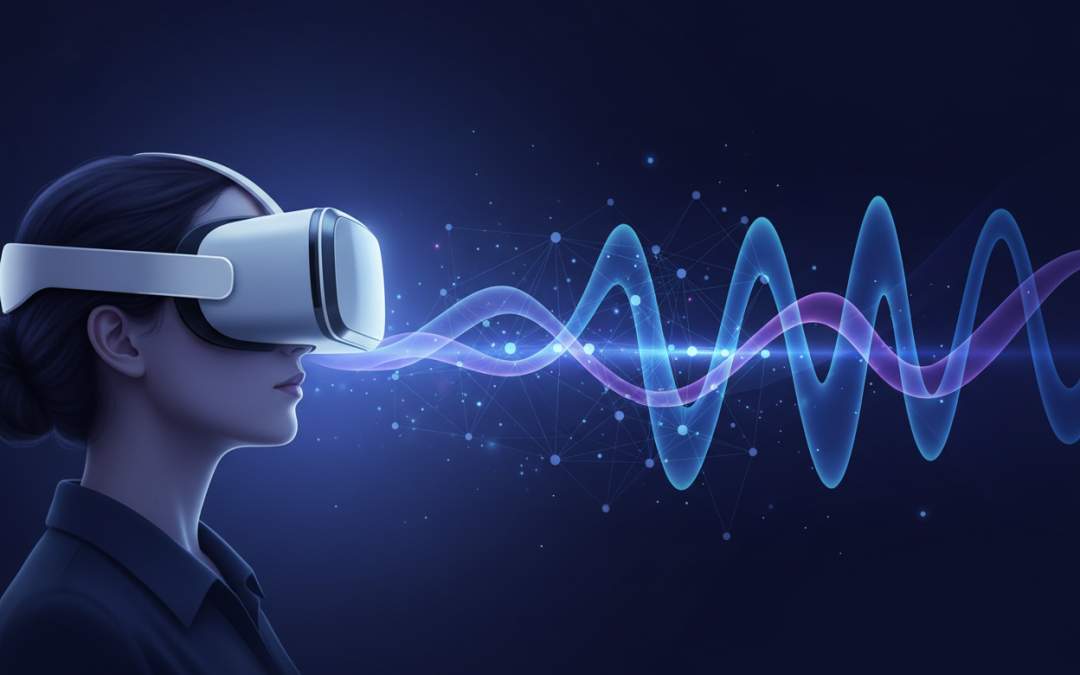
The Science of Brainwave Entrainment in Virtual Reality Environments
Table of Contents
1. Introduction to Brainwave Entrainment and Virtual Reality
2. Understanding Brainwave Patterns and Neural Oscillations
3. How Virtual Reality Technology Influences Brain Activity
4. The Mechanisms Behind Brainwave Entrainment in VR
5. Scientific Applications and Research Findings
6. Therapeutic Benefits and Medical Applications
7. Current Limitations and Future Possibilities
8. Conclusion
9. Frequently Asked Questions
Introduction to Brainwave Entrainment and Virtual Reality
Imagine stepping into a virtual world where your brain naturally synchronizes with digital rhythms, creating profound changes in your mental state within minutes. This isn’t science fiction – it’s the fascinating reality of brainwave entrainment in virtual reality environments, a cutting-edge field that’s revolutionizing how we understand the intersection between technology and human consciousness.
Brainwave entrainment, also known as neural entrainment, occurs when our brain’s electrical activity naturally aligns with external rhythmic stimuli. When combined with virtual reality’s immersive capabilities, this phenomenon opens up extraordinary possibilities for enhancing cognitive performance, treating mental health conditions, and exploring the depths of human consciousness like never before.
As someone who’s witnessed the rapid evolution of both neuroscience and VR technology over the past decade, I find it remarkable how these two fields have converged to create something truly transformative. The marriage of brainwave entrainment with virtual reality represents one of the most promising frontiers in neurotechnology, offering unprecedented control over our mental states and cognitive abilities.
Understanding Brainwave Patterns and Neural Oscillations
Before diving into the virtual reality applications, it’s crucial to understand what brainwaves actually are. Our brains generate electrical activity through billions of neurons communicating simultaneously, creating measurable patterns of neural oscillations that we call brainwaves. These patterns aren’t random – they correspond to specific mental states and cognitive functions.
The five primary brainwave frequencies each serve distinct purposes in our daily lives. Delta waves (0.5-4 Hz) dominate during deep sleep and healing processes, while theta waves (4-8 Hz) emerge during meditation, creativity, and REM sleep. Alpha waves (8-13 Hz) characterize relaxed awareness and light meditation, whereas beta waves (13-30 Hz) power our focused, analytical thinking. Finally, gamma waves (30-100 Hz) facilitate high-level cognitive processing and consciousness integration.
What makes brainwave entrainment so fascinating is our brain’s natural tendency to synchronize with external rhythmic stimuli – a phenomenon scientists call the “frequency following response.” This biological mechanism evolved to help us coordinate with natural rhythms in our environment, but modern technology allows us to harness it for therapeutic and enhancement purposes.
How Virtual Reality Technology Influences Brain Activity
Virtual reality creates a uniquely powerful platform for brainwave entrainment because it engages multiple sensory channels simultaneously. Unlike traditional entrainment methods that rely solely on audio or visual stimuli, VR environments can incorporate synchronized visual patterns, spatial audio, haptic feedback, and even olfactory elements to create comprehensive sensory experiences.
The immersive nature of VR naturally alters brain activity patterns even without intentional entrainment protocols. Studies using EEG monitoring have shown that VR experiences can shift users from beta-dominant states associated with everyday consciousness into alpha and theta ranges linked to relaxation and heightened creativity. This baseline shift makes the brain more receptive to entrainment protocols.
Modern VR headsets also provide unprecedented control over visual stimuli presentation. Developers can precisely control flickering frequencies, color wavelengths, and spatial patterns to target specific brainwave ranges. Combined with binaural beats delivered through high-quality audio systems, VR environments can create multi-modal entrainment experiences that are far more effective than single-channel approaches.
The Mechanisms Behind Brainwave Entrainment in VR
The science behind VR-based brainwave entrainment involves several interconnected neurological mechanisms. The primary driver is the frequency following response, where neurons naturally synchronize their firing patterns to match external rhythmic stimuli. When VR environments present consistent rhythmic patterns across multiple sensory channels, the brain’s natural tendency to entrain becomes significantly amplified.
Visual entrainment in VR typically employs flickering light patterns, moving geometric forms, or rhythmic color changes that pulse at specific frequencies. These visual stimuli directly influence the brain’s visual cortex, which then propagates the rhythmic activity to other brain regions through neural networks. The immersive 360-degree visual field of VR ensures that these patterns engage the entire visual system rather than just central vision.
Audio entrainment within VR environments often utilizes binaural beats – slightly different frequencies played in each ear that create a perceived “beat” frequency equal to their difference. For example, playing a 200 Hz tone in one ear and 210 Hz in the other creates a perceived 10 Hz beat that can entrain alpha brainwaves. VR’s spatial audio capabilities allow for even more sophisticated approaches, including moving sound sources and three-dimensional audio landscapes that enhance the entrainment effect.
Scientific Applications and Research Findings
The scientific community has embraced VR-based brainwave entrainment as a powerful research tool for studying consciousness, cognitive enhancement, and therapeutic interventions. Recent studies have demonstrated remarkable results across various applications, from improving memory consolidation to reducing anxiety and depression symptoms.
Cognitive enhancement research has shown particularly promising results. A 2023 study published in the Journal of Neurotechnology found that participants using VR environments designed to promote gamma wave entrainment showed 25% improvement in working memory tasks compared to control groups. The researchers attributed this enhancement to increased neural synchronization and improved communication between brain regions.
Sleep research has also benefited significantly from VR entrainment applications. Researchers at Stanford University developed VR protocols that guide users through progressive brainwave transitions, from beta to alpha to theta, mimicking natural sleep onset patterns. Participants using these VR systems fell asleep 40% faster and reported improved sleep quality compared to traditional relaxation techniques.
Perhaps most intriguingly, consciousness research has found new avenues through VR entrainment. Studies investigating altered states of consciousness have used VR environments to safely induce theta and gamma synchronization patterns associated with mystical experiences and enhanced self-awareness. These controlled environments allow researchers to study consciousness phenomena that were previously difficult to investigate in laboratory settings.
Therapeutic Benefits and Medical Applications
The therapeutic potential of VR-based brainwave entrainment extends far beyond research applications. Mental health professionals are increasingly incorporating these technologies into treatment protocols for various conditions, with remarkable success rates that often exceed traditional therapeutic approaches.
Anxiety and stress disorders have shown particular responsiveness to VR entrainment therapies. By guiding patients into alpha and theta brainwave states associated with deep relaxation, VR environments can provide rapid relief from acute anxiety symptoms. Many therapists report that patients achieve deeper relaxation states in VR sessions than through traditional meditation or breathing exercises alone.
Depression treatment has also benefited from VR entrainment applications. Protocols designed to increase alpha wave activity and promote positive mood states have shown promising results in clinical trials. The immersive nature of VR helps patients disconnect from negative thought patterns while the entrainment protocols actively promote neuroplasticity and mood regulation.
Attention deficit disorders represent another area where VR entrainment shows significant promise. By training the brain to maintain specific brainwave patterns associated with focused attention, VR-based neurofeedback systems help patients develop better cognitive control. The gamified nature of many VR applications makes this training more engaging and effective than traditional neurofeedback approaches.
Pain management applications have emerged as particularly valuable for healthcare providers. VR entrainment protocols that promote theta and alpha waves can significantly reduce pain perception while providing distraction and relaxation. Hospitals are increasingly using these systems for everything from burn wound care to chronic pain management.
Current Limitations and Future Possibilities
Despite the tremendous promise of VR-based brainwave entrainment, several limitations currently constrain its widespread adoption and effectiveness. Individual variability in brainwave patterns means that standardized protocols don’t work equally well for everyone. Some people naturally entrain more easily than others, and factors like age, medication use, and neurological conditions can significantly impact entrainment effectiveness.
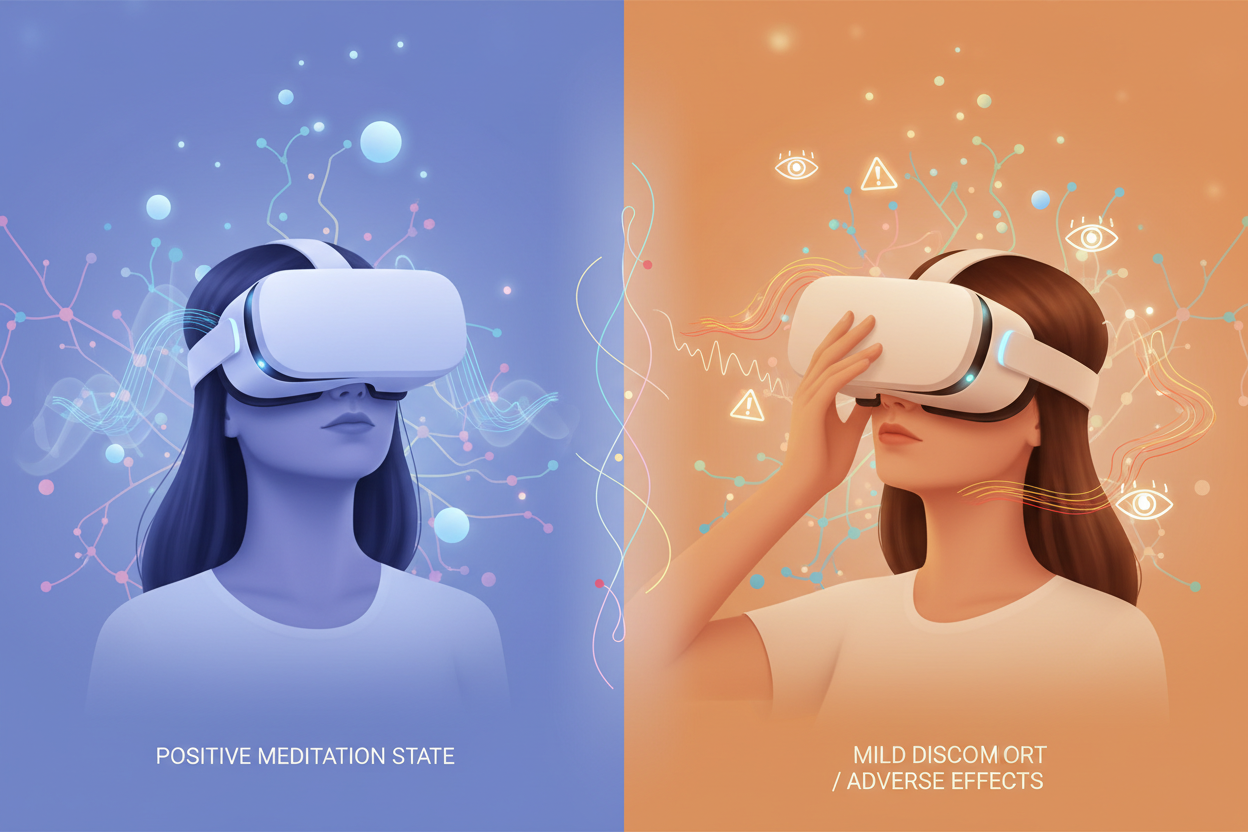
Technical limitations also present challenges. Current VR hardware, while impressive, still has constraints in terms of resolution, field of view, and sensory integration that can limit entrainment effectiveness. Motion sickness and eye strain from extended VR use can also interfere with the relaxed states necessary for optimal entrainment.
The future of VR brainwave entrainment looks incredibly promising as technology continues to advance. Brain-computer interfaces are beginning to integrate with VR systems, allowing for real-time monitoring and adjustment of entrainment protocols based on individual brain responses. This personalized approach could dramatically improve effectiveness and reduce the trial-and-error currently required to find optimal settings for each user.
Artificial intelligence is also revolutionizing the field by enabling adaptive entrainment systems that learn from user responses and automatically optimize protocols over time. Machine learning algorithms can identify subtle patterns in brainwave data that human researchers might miss, leading to more effective and personalized entrainment experiences.
The integration of additional sensory modalities promises to enhance entrainment effectiveness further. Researchers are exploring haptic feedback systems that provide rhythmic tactile stimulation, olfactory displays that release synchronized scents, and even magnetic field generators that can directly influence neural activity. These multi-sensory approaches could create unprecedented levels of brainwave control and therapeutic effectiveness.
Conclusion
The science of brainwave entrainment in virtual reality environments represents a fascinating convergence of neuroscience, technology, and human potential. As we’ve explored throughout this post, the ability to precisely influence brain activity through immersive digital experiences opens up extraordinary possibilities for enhancing human performance, treating mental health conditions, and exploring the nature of consciousness itself.
While current limitations exist, the rapid pace of technological advancement suggests that VR-based brainwave entrainment will become increasingly sophisticated and accessible in the coming years. From personalized therapeutic protocols to cognitive enhancement applications, this field promises to revolutionize how we understand and optimize human brain function.
As someone fascinated by the intersection of technology and human consciousness, I believe we’re only beginning to scratch the surface of what’s possible when we combine VR’s immersive capabilities with our growing understanding of neural entrainment. The future likely holds applications we can barely imagine today – from enhanced learning and creativity to new forms of human-computer interaction that operate at the level of brainwave synchronization.
The journey into VR-based brainwave entrainment is just beginning, and the destination promises to be nothing short of transformative for human potential and well-being.
Frequently Asked Questions
What is brainwave entrainment and how does it work in VR?
Brainwave entrainment is the synchronization of brain activity with external rhythmic stimuli. In VR environments, this occurs through visual patterns, audio frequencies, and other sensory inputs that encourage the brain to match specific frequencies associated with desired mental states like relaxation, focus, or creativity.
Is VR brainwave entrainment safe for regular use?
Current research indicates that VR brainwave entrainment is generally safe for healthy individuals when used appropriately. However, people with epilepsy, certain mental health conditions, or those taking specific medications should consult healthcare providers before use. As with any VR application, users should take regular breaks to prevent eye strain and motion sickness.
How long does it take to experience effects from VR brainwave entrainment?
Most people begin experiencing effects within 5-15 minutes of starting a VR entrainment session. However, the time varies significantly between individuals based on factors like natural entrainment sensitivity, current stress levels, and experience with meditation or relaxation techniques.
Can VR brainwave entrainment replace traditional therapy or medication?
VR brainwave entrainment should be viewed as a complementary tool rather than a replacement for established medical treatments. While research shows promising therapeutic benefits, it’s important to work with healthcare professionals to integrate these technologies appropriately into existing treatment plans.
What equipment do I need to try VR brainwave entrainment?
Basic VR brainwave entrainment requires a VR headset (such as Oculus Quest, HTC Vive, or similar), compatible software applications, and preferably high-quality headphones for optimal audio delivery. Some advanced applications may require additional sensors or biofeedback devices for real-time monitoring.
Are there any side effects from VR brainwave entrainment?
Most users experience no negative side effects, though some may initially feel slightly disoriented or drowsy after sessions, especially those targeting deep relaxation states. These effects typically subside quickly. As with any VR use, some people may experience motion sickness or eye strain, which can be minimized through proper session length and break intervals.