
The Science of Brainwave Entrainment and Hormone Regulation: Unlocking Your Body’s Natural Healing Potential
Table of Contents
1. Introduction to Brainwave Entrainment
2. Understanding Your Brain’s Electrical Symphony
3. The Hormone Connection: How Brain Waves Influence Your Endocrine System
4. The Science Behind Brainwave Entrainment
5. Key Hormones Affected by Brainwave States
6. Practical Applications and Benefits
7. Getting Started with Brainwave Entrainment
8. Conclusion
9. Frequently Asked Questions
Introduction to Brainwave Entrainment
Have you ever wondered why certain sounds make you feel instantly relaxed, while others energize you? The answer lies in a fascinating phenomenon called brainwave entrainment – a natural process that’s been quietly orchestrating your mental and physical well-being since birth. This remarkable mechanism doesn’t just influence your mood; it plays a crucial role in regulating the hormones that control everything from your sleep cycles to your stress responses.
In our fast-paced world, understanding how to harness brainwave entrainment for hormone regulation isn’t just interesting science – it’s becoming essential for optimal health. Whether you’re struggling with sleep issues, chronic stress, or simply want to optimize your cognitive performance, the science of brainwave entrainment offers evidence-based solutions that work with your body’s natural rhythms.
Understanding Your Brain’s Electrical Symphony
Your brain is essentially a sophisticated electrical network, generating rhythmic patterns of activity that scientists call brainwaves. These aren’t just random electrical impulses – they’re organized, measurable frequencies that correspond to different states of consciousness and physiological functions.
Think of your brain as a master conductor leading an orchestra. Just as a conductor guides musicians to create harmony, your brainwaves orchestrate the complex interplay between your nervous system and endocrine system. When these waves are in sync, your body functions optimally. When they’re disrupted, you might experience everything from insomnia to hormonal imbalances.
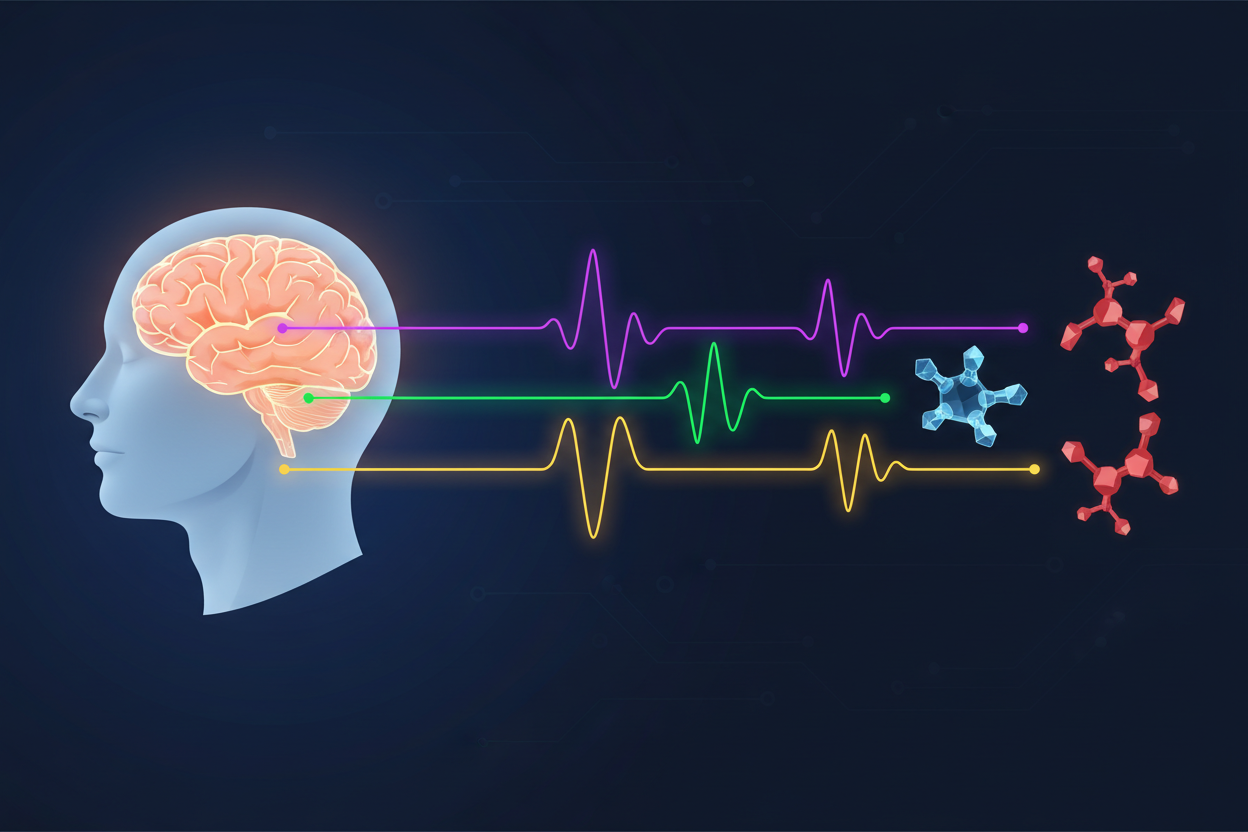
The five primary brainwave categories each serve distinct purposes. Delta waves (0.5-4 Hz) dominate during deep sleep and healing. Theta waves (4-8 Hz) appear during meditation and creative states. Alpha waves (8-13 Hz) promote relaxation and focus. Beta waves (13-30 Hz) fuel active thinking and problem-solving. Finally, gamma waves (30-100 Hz) facilitate higher cognitive functions and consciousness integration.
The Hormone Connection: How Brain Waves Influence Your Endocrine System
The relationship between brainwaves and hormone regulation is more intimate than most people realize. Your hypothalamus, often called the brain’s control center, responds directly to brainwave patterns. This tiny but mighty region acts as a bridge between your nervous system and endocrine system, translating electrical brain activity into chemical messages.
When your brainwaves shift into specific patterns, they trigger cascading hormonal responses throughout your body. For instance, when you enter deep delta wave states during sleep, your brain signals the release of growth hormone, which is essential for tissue repair and regeneration. Similarly, prolonged beta wave dominance – common in our stress-filled lives – can trigger excessive cortisol production, leading to a host of health issues.
This intricate dance between electrical activity and chemical messengers explains why people who practice meditation or use brainwave entrainment techniques often report improved sleep, reduced anxiety, and better overall health. They’re literally rewiring their brain-hormone communication pathways.
The Science Behind Brainwave Entrainment
Brainwave entrainment works through a principle called the “frequency following response.” When your brain is exposed to rhythmic stimuli at specific frequencies, it naturally begins to synchronize its own electrical activity to match those patterns. It’s similar to how pendulum clocks in the same room eventually swing in unison – a phenomenon that occurs throughout nature.
Researchers have discovered that this synchronization isn’t just superficial. Using advanced neuroimaging techniques, scientists can observe real-time changes in brain activity as subjects listen to binaural beats or watch flickering lights. The brain doesn’t just passively receive these stimuli; it actively reorganizes its neural networks to match the external rhythm.
What makes this particularly exciting for hormone regulation is the precision with which we can target specific brainwave states. Want to boost growth hormone production? Delta wave entrainment during sleep can help. Need to reduce cortisol levels? Alpha wave training has shown promising results in clinical studies. This level of targeted intervention was unimaginable just decades ago.
Key Hormones Affected by Brainwave States
Several critical hormones respond dramatically to changes in brainwave patterns. Understanding these relationships can help you make informed decisions about using brainwave entrainment for specific health goals.
Cortisol, your primary stress hormone, shows perhaps the most dramatic response to brainwave changes. Chronic beta wave dominance keeps cortisol levels elevated, contributing to weight gain, immune suppression, and cardiovascular problems. However, regular alpha and theta wave training can help normalize cortisol production, leading to improved stress resilience and better overall health.
Melatonin production is intimately connected to brainwave patterns, particularly the transition from alpha to theta waves that occurs as you fall asleep. People with insomnia often show disrupted brainwave patterns that interfere with natural melatonin release. Targeted entrainment can help restore healthy sleep-wake cycles by supporting the brain’s natural rhythm.
Growth hormone release peaks during deep delta wave sleep states. This hormone is crucial not just for children’s development, but for adult tissue repair, muscle growth, and metabolic function. Poor sleep quality – often characterized by insufficient delta wave activity – can significantly impair growth hormone production, affecting everything from recovery after exercise to skin health.
Dopamine and serotonin, while technically neurotransmitters, function similarly to hormones in regulating mood and motivation. Specific brainwave patterns can influence their production and utilization. Alpha waves, for instance, are associated with increased serotonin activity, which may explain why meditation and relaxation practices often improve mood and reduce depression symptoms.
Practical Applications and Benefits
The practical applications of brainwave entrainment for hormone regulation are expanding rapidly as research continues to validate its effectiveness. Many people are already incorporating these techniques into their daily routines with remarkable results.
Sleep optimization represents one of the most successful applications. By using delta wave entrainment before bedtime, individuals can enhance their natural sleep architecture, leading to more restorative rest and better hormone balance. Unlike sleep medications, which often disrupt natural sleep cycles, brainwave entrainment works with your body’s existing mechanisms.
Stress management through alpha and theta wave training has shown significant promise in clinical settings. Regular practitioners often report reduced anxiety, improved emotional regulation, and better resilience to daily stressors. These subjective improvements correlate with measurable changes in cortisol patterns and other stress-related biomarkers.
Cognitive enhancement is another exciting application. Gamma wave entrainment may support improved focus, memory, and creative problem-solving by optimizing the hormonal environment that supports brain function. While research is still emerging, early studies suggest that targeted brainwave training could become a valuable tool for maintaining cognitive health as we age.
Athletic performance and recovery have also benefited from brainwave entrainment protocols. By optimizing growth hormone release through delta wave enhancement and managing stress hormones through alpha wave training, athletes can potentially improve both performance and recovery times naturally.
Getting Started with Brainwave Entrainment
If you’re interested in exploring brainwave entrainment for hormone regulation, starting slowly and consistently is key. Like any form of training, your brain needs time to adapt and respond to new patterns.
Begin with simple alpha wave sessions of 10-15 minutes daily. Many people find that mid-morning or early evening works best, as these times naturally align with your body’s circadian rhythms. Consistency matters more than duration in the beginning – it’s better to practice for 10 minutes daily than for an hour once a week.
Creating the right environment enhances the effectiveness of your practice. Choose a quiet, comfortable space where you won’t be interrupted. Dim lighting can help facilitate the transition to slower brainwave states, while comfortable seating or lying positions prevent physical distractions from interfering with the process.
Quality audio equipment makes a significant difference when using binaural beats or other audio-based entrainment methods. Good headphones ensure that each ear receives the precise frequencies needed for effective entrainment. However, you don’t need expensive equipment – many mid-range headphones provide adequate quality for brainwave entrainment purposes.
Tracking your progress can help maintain motivation and identify what works best for your individual needs. Keep a simple log noting your sessions, how you felt beforehand and afterward, and any changes in sleep quality, stress levels, or overall well-being. Over time, patterns will emerge that guide you toward the most effective protocols for your goals.
Conclusion
The science of brainwave entrainment and hormone regulation represents a fascinating convergence of ancient wisdom and modern technology. While meditation masters have long understood the power of rhythmic practices to influence consciousness and health, we now have the scientific tools to measure and optimize these effects with unprecedented precision.
As research continues to unveil the intricate connections between brainwaves and hormonal health, we’re discovering that many common health challenges – from sleep disorders to chronic stress – may have solutions rooted in restoring natural brain rhythms. This isn’t about replacing conventional medical care, but rather about adding powerful, natural tools to our wellness toolkit.
The beauty of brainwave entrainment lies in its accessibility and safety. Unlike pharmaceutical interventions that can have side effects or interactions, working with your brain’s natural frequencies supports your body’s existing regulatory systems. It’s a gentle yet powerful approach that honors the wisdom of your physiology while leveraging the precision of modern science.
Whether you’re seeking better sleep, reduced stress, or optimized cognitive performance, the science of brainwave entrainment offers evidence-based pathways to better health. As you begin exploring these techniques, remember that consistency and patience are your greatest allies. Your brain and body have been fine-tuning their rhythms for decades – giving them time to adapt to new patterns is both wise and necessary.
Frequently Asked Questions
How long does it take to see results from brainwave entrainment?
Most people notice immediate relaxation effects during sessions, but lasting hormonal changes typically develop over 2-4 weeks of consistent practice. Sleep improvements often appear within the first week, while stress hormone regulation may take several weeks to stabilize.
Is brainwave entrainment safe for everyone?
Brainwave entrainment is generally safe for healthy individuals. However, people with epilepsy, seizure disorders, or certain psychiatric conditions should consult healthcare providers before beginning any entrainment program. Pregnant women should also seek medical advice before starting new wellness practices.
Can brainwave entrainment replace hormone therapy?
Brainwave entrainment should complement, not replace, medical treatments for serious hormonal imbalances. While it can support natural hormone regulation, conditions like thyroid disorders or diabetes require proper medical supervision and treatment.
What’s the difference between binaural beats and other entrainment methods?
Binaural beats use slightly different frequencies in each ear to create the desired brainwave pattern, while isochronic tones use rhythmic pulses. Light-based entrainment uses flickering visual stimuli. Each method can be effective, and individual preferences often determine which works best.
How often should I practice brainwave entrainment?
Daily practice of 15-30 minutes typically provides the best results for hormone regulation. However, even 3-4 sessions per week can be beneficial. The key is consistency rather than duration – regular shorter sessions are more effective than occasional long ones.