
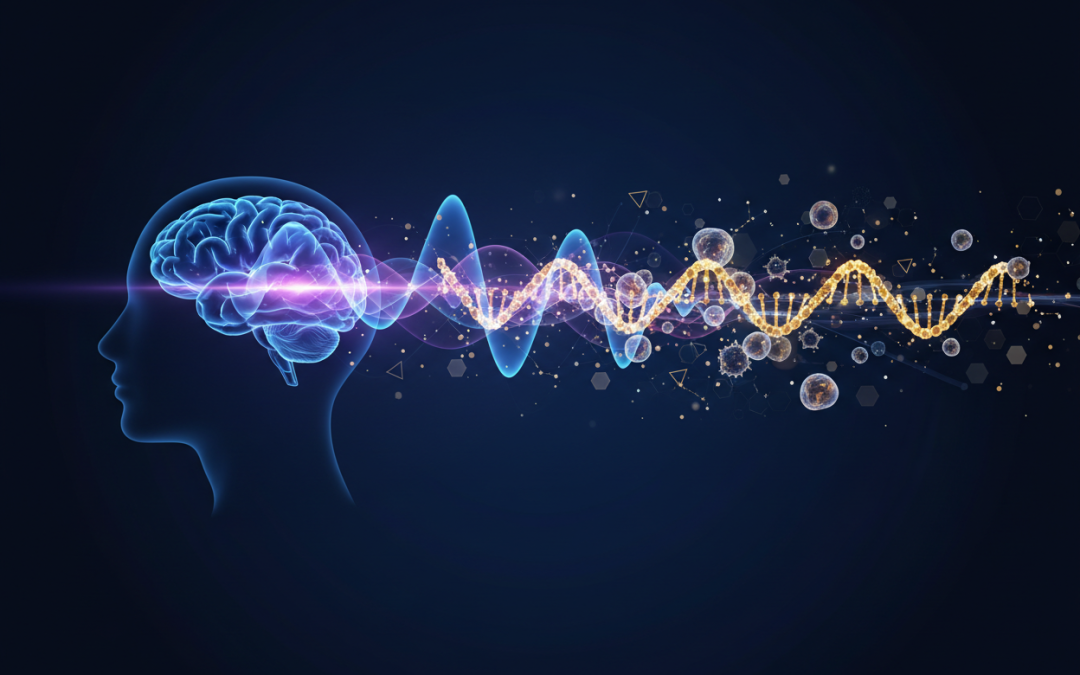
The Science of Brainwave Entrainment and Cellular Regeneration: Unlocking Your Body’s Natural Healing Potential
Table of Contents
1. Introduction to Brainwave Entrainment and Cellular Regeneration
2. Understanding Brainwave Patterns and Their Functions
3. The Fascinating Science Behind Brainwave Entrainment
4. How Cellular Regeneration Works in the Human Body
5. The Connection Between Brainwaves and Cellular Repair
6. Methods and Technologies for Brainwave Entrainment
7. Real-World Applications and Benefits
8. Scientific Evidence and Research Studies
9. Getting Started with Brainwave Entrainment
10. Conclusion
11. Frequently Asked Questions
Introduction to Brainwave Entrainment and Cellular Regeneration
Have you ever wondered if there’s a way to literally tune your brain for better health? It might sound like science fiction, but the emerging field of brainwave entrainment suggests that specific sound frequencies can influence our neural activity and potentially enhance our body’s natural healing processes. As someone who’s spent years researching the intersection of neuroscience and wellness, I find this topic absolutely fascinating.
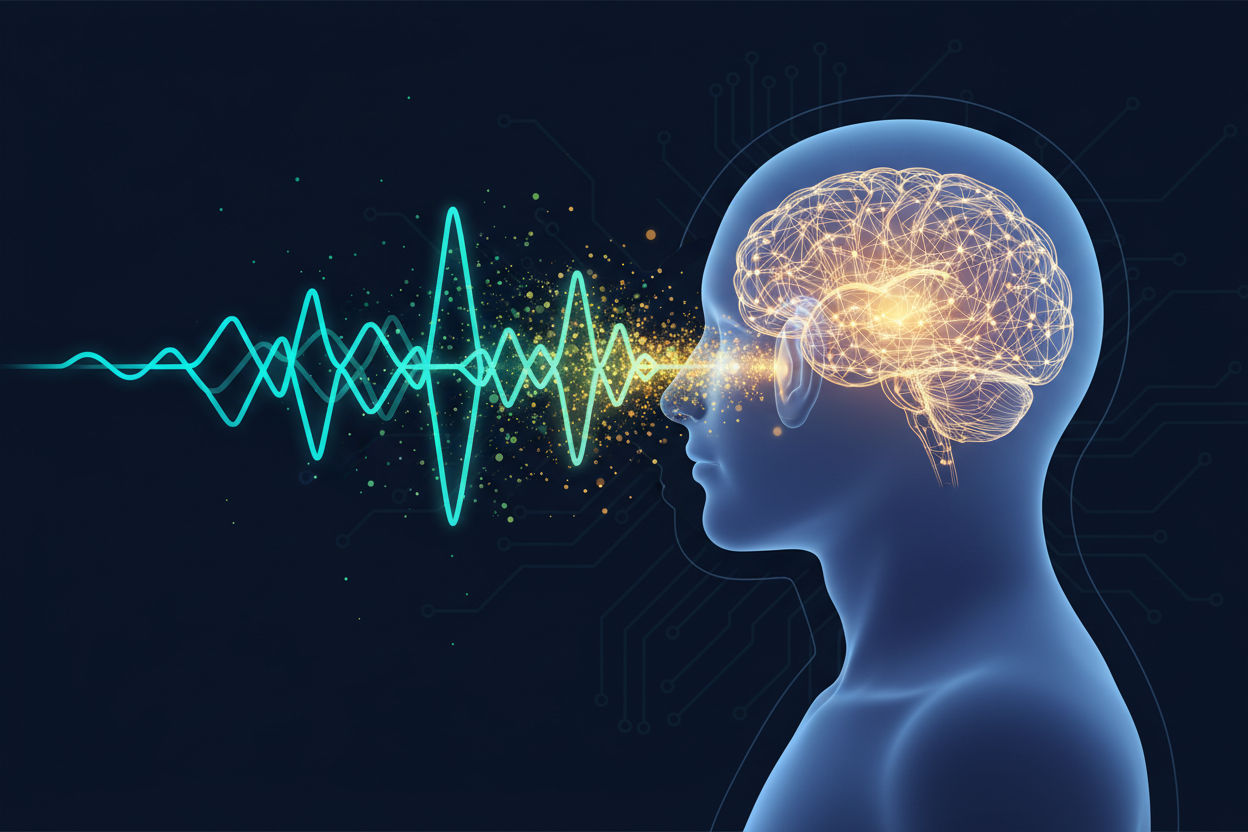
Brainwave entrainment represents a revolutionary approach to optimizing brain function and supporting cellular regeneration. This natural phenomenon occurs when external rhythmic stimuli synchronize with our brain’s electrical activity, potentially triggering beneficial changes at the cellular level. While the concept might seem complex, the underlying principles are surprisingly accessible and offer promising implications for human health and longevity.
Today, we’ll explore the intricate relationship between brainwave patterns and cellular repair mechanisms, examining how modern technology can harness these connections to promote healing and regeneration throughout the body.
Understanding Brainwave Patterns and Their Functions
Our brains are constantly generating electrical activity, creating measurable patterns known as brainwaves. These neural oscillations occur at different frequencies, each associated with specific mental states and physiological functions. Think of your brain as a sophisticated orchestra, with different sections playing at various tempos to create the symphony of consciousness.
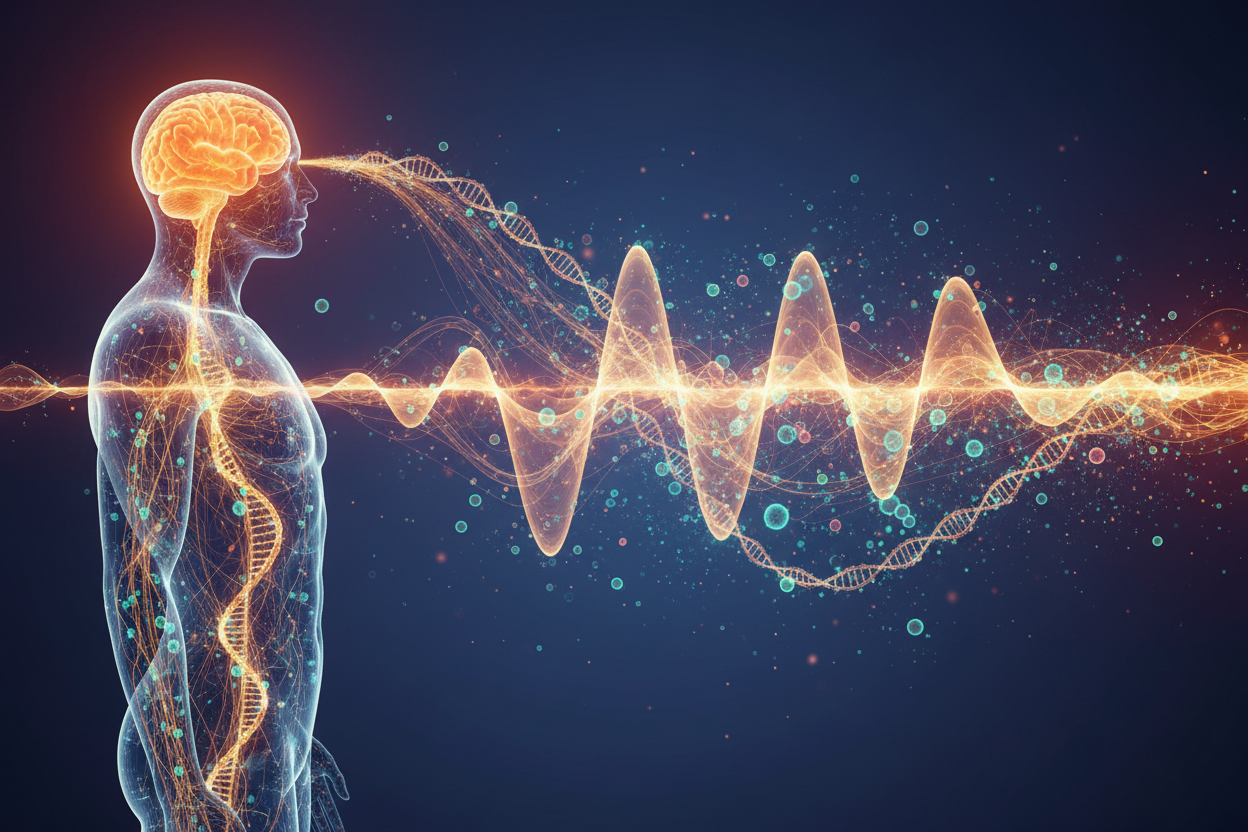
The five primary brainwave categories include Delta waves (0.5-4 Hz), which dominate during deep sleep and are crucial for physical restoration. Theta waves (4-8 Hz) emerge during light sleep, meditation, and creative states. Alpha waves (8-12 Hz) appear during relaxed awareness and calm focus. Beta waves (12-30 Hz) characterize normal waking consciousness and active thinking. Finally, Gamma waves (30-100 Hz) are associated with heightened awareness and cognitive processing.
Each brainwave frequency serves specific biological purposes. Delta waves, for instance, trigger the release of growth hormone and facilitate tissue repair. This connection between neural activity and physical healing forms the foundation for understanding how brainwave entrainment might influence cellular regeneration.
The Fascinating Science Behind Brainwave Entrainment
Brainwave entrainment operates on a fundamental principle called the Frequency Following Response (FFR). When exposed to rhythmic stimuli at specific frequencies, our brains naturally synchronize their electrical activity to match these external patterns. It’s similar to how tuning forks resonate with each other – our neural networks can be “tuned” through carefully designed auditory, visual, or tactile inputs.
This synchronization process isn’t merely theoretical. Advanced neuroimaging techniques have revealed that consistent exposure to specific frequencies can measurably alter brainwave patterns within minutes. The phenomenon occurs because our neural networks are inherently adaptive, constantly adjusting their firing patterns in response to environmental stimuli.
The most effective entrainment typically occurs through binaural beats, where slightly different frequencies are presented to each ear. The brain perceives the mathematical difference between these frequencies, creating an internal rhythm that can influence overall neural activity. This process engages multiple brain regions simultaneously, potentially triggering cascading effects throughout the nervous system.
How Cellular Regeneration Works in the Human Body
Cellular regeneration represents one of the most remarkable aspects of human biology. Every day, our bodies replace millions of cells through carefully orchestrated processes of division, differentiation, and repair. This constant renewal maintains tissue integrity and supports optimal physiological function throughout our lives.
The regeneration process involves several key mechanisms. Stem cells serve as the body’s repair kit, capable of transforming into various cell types as needed. Growth factors act as molecular messengers, signaling when and where regeneration should occur. Meanwhile, the body’s circadian rhythms coordinate these activities, ensuring that most cellular repair happens during rest periods.
Interestingly, cellular regeneration rates vary significantly across different tissues. Skin cells regenerate approximately every 2-3 weeks, while liver cells can completely renew themselves within months. However, factors like stress, poor sleep, inflammation, and aging can significantly impair these natural regenerative processes, leading to decreased healing capacity and accelerated deterioration.
The Connection Between Brainwaves and Cellular Repair
The relationship between brainwave activity and cellular regeneration operates through several interconnected pathways. Neural activity directly influences hormone production, particularly growth hormone and melatonin, both crucial for cellular repair. Additionally, specific brainwave patterns can modulate inflammatory responses and activate the parasympathetic nervous system, creating optimal conditions for healing.
Research has shown that deep sleep states, characterized by delta brainwaves, coincide with peak cellular regeneration activity. During these periods, the brain’s glymphatic system becomes highly active, clearing metabolic waste products while growth hormone levels surge. This natural synchronization suggests that artificially inducing similar brainwave patterns might enhance regenerative processes.
The vagus nerve, our body’s primary parasympathetic pathway, also plays a crucial role in this connection. Specific brainwave frequencies can stimulate vagal tone, promoting anti-inflammatory responses and supporting cellular repair mechanisms throughout the body. This neural-cellular communication network demonstrates how mental states can directly influence physical healing.
Methods and Technologies for Brainwave Entrainment
Modern technology offers various approaches to brainwave entrainment, each with unique advantages and applications. Binaural beats remain the most popular method, utilizing precisely calibrated audio frequencies to induce desired brainwave states. High-quality headphones are essential for this technique, as the stereo separation creates the necessary frequency differential.
Isochronic tones represent another effective approach, using single-frequency pulses that don’t require stereo separation. These tones can be more accessible for people with hearing differences and often produce stronger entrainment effects. Light-based systems, incorporating LED arrays or specialized glasses, can also induce brainwave changes through visual stimulation patterns.
Advanced neurofeedback systems take entrainment to the next level by monitoring real-time brainwave activity and adjusting stimuli accordingly. These closed-loop systems can provide personalized entrainment experiences, adapting to individual neural responses for optimal effectiveness. While more expensive, such technologies offer unprecedented precision in brainwave modulation.
Real-World Applications and Benefits
Brainwave entrainment applications extend far beyond theoretical research, with practical benefits emerging across multiple health domains. Sleep optimization represents one of the most immediate applications, as delta wave entrainment can help individuals achieve deeper, more restorative sleep patterns. Many users report improved sleep quality and enhanced morning recovery after consistent entrainment practice.
Pain management offers another promising application area. Specific frequencies can modulate pain perception by influencing neural pathways involved in nociception. Some individuals with chronic pain conditions have experienced significant relief through targeted brainwave entrainment protocols, though results vary considerably between individuals.
Cognitive enhancement and stress reduction also benefit from entrainment techniques. Alpha wave training can promote relaxed focus states ideal for learning and creativity, while theta entrainment may support meditation practices and emotional processing. Athletes and performers increasingly use these techniques to optimize mental states for peak performance.
Scientific Evidence and Research Studies
The scientific foundation for brainwave entrainment continues expanding through rigorous research studies. A 2019 study published in the Journal of Neural Engineering demonstrated that 40 Hz gamma wave stimulation could enhance memory formation and potentially reduce Alzheimer’s-related pathology. While conducted in animal models, these findings suggest significant therapeutic potential.
Clinical research on sleep enhancement has shown particularly promising results. Multiple studies have documented improved sleep quality and reduced sleep latency following delta wave entrainment protocols. Participants typically experience deeper sleep stages and report feeling more refreshed upon waking, supporting the connection between brainwave patterns and restorative processes.
However, it’s important to note that research in this field remains ongoing, and individual responses can vary significantly. While many studies show positive trends, larger-scale clinical trials are needed to fully establish the therapeutic potential of brainwave entrainment for cellular regeneration. The current evidence suggests promise rather than definitive proof of efficacy.
Getting Started with Brainwave Entrainment
Beginning your brainwave entrainment journey requires careful consideration of your goals and current health status. Start by identifying specific objectives, whether improving sleep quality, reducing stress, or supporting general wellness. Different frequencies target different outcomes, so clarity about your intentions will guide your approach.
Quality equipment makes a significant difference in entrainment effectiveness. Invest in good headphones with accurate frequency response, particularly for binaural beat applications. Many smartphone apps offer entrainment tracks, but research the credibility of providers and look for scientifically-based frequency protocols.
Begin with short sessions, typically 15-20 minutes, to assess your individual response. Some people experience immediate effects, while others require consistent practice over several weeks. Keep a journal to track your experiences, noting any changes in sleep, mood, or overall well-being. Remember that brainwave entrainment should complement, not replace, conventional medical care when addressing health concerns.
Conclusion
The science of brainwave entrainment and cellular regeneration represents an exciting frontier in health optimization and healing. While we’re still uncovering the full potential of these techniques, current research suggests that our brains and bodies are far more interconnected than previously understood. The ability to influence cellular repair processes through neural modulation offers hope for enhanced healing and longevity.
As technology continues advancing and research deepens our understanding, brainwave entrainment may become an increasingly important tool in promoting health and wellness. However, it’s crucial to approach these techniques with realistic expectations and scientific skepticism, recognizing that individual responses vary and that more research is needed to fully validate therapeutic claims.
Whether you’re seeking better sleep, enhanced recovery, or simply curious about the intersection of neuroscience and healing, brainwave entrainment offers a fascinating glimpse into the future of personalized wellness. By understanding and harnessing our brain’s natural rhythms, we may unlock new pathways to optimal health and cellular regeneration.
Frequently Asked Questions
Q: Is brainwave entrainment safe for everyone?
A: While generally considered safe for healthy individuals, people with epilepsy, seizure disorders, or certain psychiatric conditions should consult healthcare providers before using entrainment techniques. Pregnant women and children should also seek medical guidance before beginning any entrainment program.
Q: How long does it take to see results from brainwave entrainment?
A: Individual responses vary significantly. Some people notice immediate effects like relaxation or improved focus, while changes in sleep quality or cellular regeneration may take several weeks of consistent practice to become apparent.
Q: Can brainwave entrainment replace medical treatment?
A: No, brainwave entrainment should be viewed as a complementary wellness tool rather than a replacement for conventional medical care. Always consult healthcare professionals for serious health concerns.
Q: What’s the difference between binaural beats and isochronic tones?
A: Binaural beats require stereo headphones and present different frequencies to each ear, while isochronic tones use rhythmic pulses of a single frequency that can be heard through speakers or headphones.
Q: How often should I practice brainwave entrainment?
A: Most practitioners recommend daily sessions of 15-30 minutes, though frequency and duration can be adjusted based on individual goals and responses. Consistency is generally more important than session length.
Q: Are there any side effects to brainwave entrainment?
A: Most people experience no adverse effects, though some may initially feel slightly disoriented or experience mild headaches. These effects typically diminish with regular practice. Discontinue use if persistent negative effects occur.