
The Science of Brainwave Coherence and Mental Clarity: Unlocking Your Mind’s Hidden Potential
Table of Contents
1. Introduction: What Is Brainwave Coherence?
2. Understanding the Different Types of Brainwaves
3. The Science Behind Brainwave Coherence
4. How Brainwave Coherence Affects Mental Clarity
5. Techniques to Achieve Brainwave Coherence
6. The Benefits of Enhanced Mental Clarity
7. Common Obstacles to Brainwave Coherence
8. Measuring and Monitoring Your Brainwave Activity
9. Conclusion: Your Journey to Better Mental Clarity
10. Frequently Asked Questions
Introduction: What Is Brainwave Coherence?
Have you ever experienced those magical moments when your mind feels crystal clear, your thoughts flow effortlessly, and you seem to be operating at peak mental performance? What you’re experiencing might be brainwave coherence – a fascinating neurological state that researchers are only beginning to fully understand.
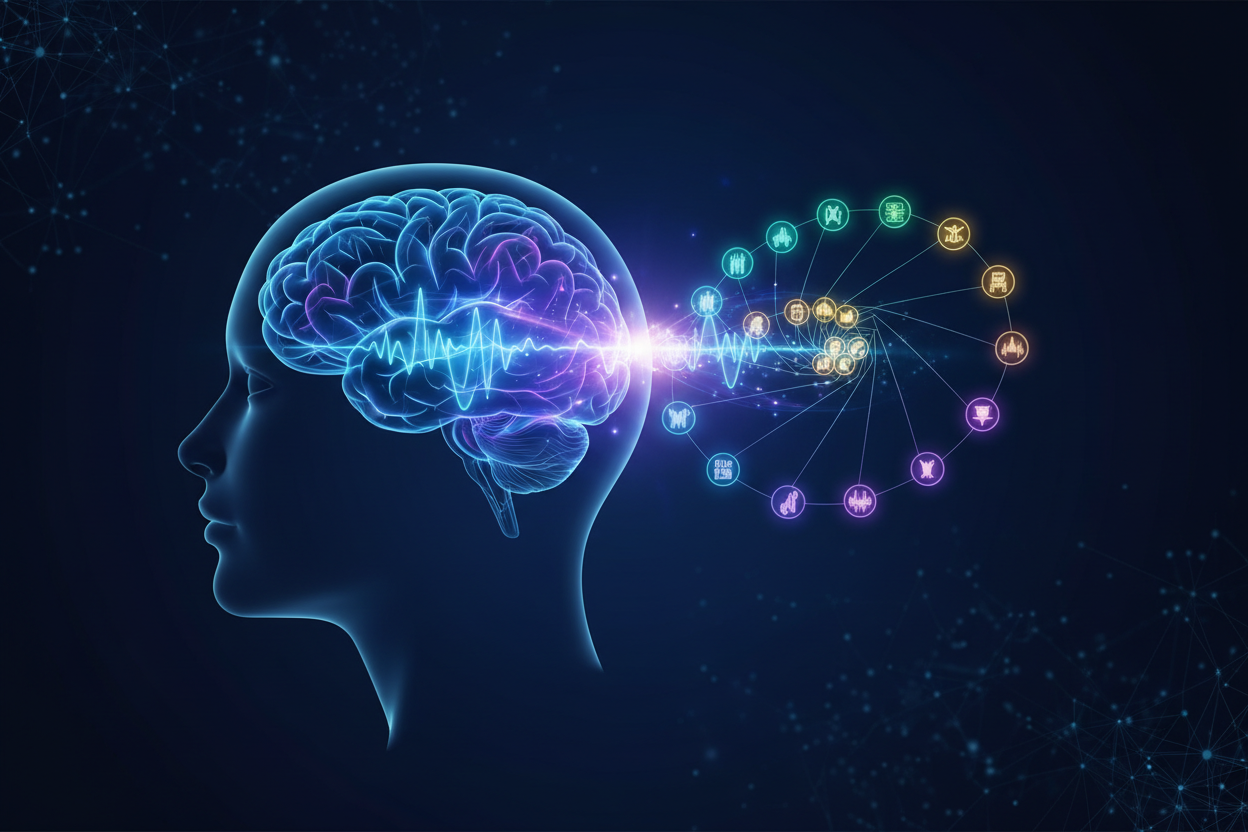
Brainwave coherence refers to the synchronized, rhythmic patterns of electrical activity in your brain. When different regions of your brain work together harmoniously, producing coordinated brainwave patterns, you enter a state of enhanced mental clarity, improved focus, and optimal cognitive function. It’s like having your brain’s orchestra playing in perfect harmony instead of each section playing its own tune.
This isn’t just new-age wishful thinking – it’s backed by solid neuroscience research. Studies have shown that brainwave coherence is associated with improved memory, enhanced creativity, better emotional regulation, and increased overall mental performance. Understanding and cultivating this state could be the key to unlocking your mind’s full potential.
Understanding the Different Types of Brainwaves
Before diving deeper into coherence, let’s explore the different types of brainwaves your brain produces throughout the day. Think of brainwaves as the electrical signatures of your mental states – each frequency range corresponds to different levels of consciousness and cognitive activity.
Delta waves (0.5-4 Hz) are the slowest brainwaves, primarily associated with deep, dreamless sleep and healing processes. These waves are crucial for physical restoration and memory consolidation. When delta waves are coherent, you experience more restorative sleep and better physical recovery.
Theta waves (4-8 Hz) occur during light sleep, deep meditation, and creative states. This frequency is often called the “gateway to learning and memory.” Many people report experiencing profound insights and creative breakthroughs when their theta waves are in coherence.
Alpha waves (8-12 Hz) represent a relaxed, yet alert state of mind. You’re likely producing alpha waves right now if you’re reading this while feeling calm and focused. Alpha coherence is associated with improved learning ability and stress reduction.
Beta waves (12-30 Hz) dominate during normal waking consciousness, active thinking, and problem-solving. While necessary for daily functioning, excessive beta activity can lead to anxiety and mental fatigue. Coherent beta waves, however, enhance focus and analytical thinking.
Gamma waves (30-100 Hz) are the fastest brainwaves, associated with high-level cognitive functions, consciousness, and moments of insight. Recent research suggests that gamma wave coherence might be the key to peak mental performance and heightened awareness.
The Science Behind Brainwave Coherence
The concept of brainwave coherence emerged from decades of neuroscience research and EEG (electroencephalogram) studies. Scientists discovered that when different brain regions synchronize their electrical activity, the overall efficiency and effectiveness of neural communication dramatically improve.
Dr. Joe Dispenza, a prominent researcher in this field, explains that coherent brainwaves create a state where “the brain becomes more organized, integrated, and balanced.” This synchronization allows for better information processing, enhanced memory formation, and improved decision-making capabilities.
The heart-brain connection also plays a crucial role in brainwave coherence. The HeartMath Institute has conducted extensive research showing that heart rhythm patterns directly influence brainwave activity. When your heart rhythm is coherent – steady and rhythmic – it promotes brainwave coherence, creating a positive feedback loop that enhances overall mental clarity.
Neuroplasticity, your brain’s ability to reorganize and form new neural connections, is significantly enhanced during states of brainwave coherence. This means that practicing coherence techniques doesn’t just provide temporary benefits – it can literally rewire your brain for better long-term mental performance.
How Brainwave Coherence Affects Mental Clarity
Mental clarity isn’t just about being able to think clearly – it encompasses focus, memory, emotional stability, and the ability to process information efficiently. Brainwave coherence affects each of these areas in profound ways.
When your brainwaves are coherent, the prefrontal cortex – your brain’s executive center – functions more effectively. This leads to improved working memory, better attention span, and enhanced ability to filter out distractions. Many people describe this state as feeling “mentally sharp” or “in the zone.”
Coherent brainwaves also facilitate better communication between the logical left brain and creative right brain hemispheres. This integration allows for more holistic thinking, improved problem-solving abilities, and the capacity to see connections that might otherwise remain hidden.
Emotional regulation improves significantly during brainwave coherence. The limbic system, which processes emotions, becomes more balanced and less reactive. This means you’re less likely to be overwhelmed by stress, anxiety, or negative emotions that can cloud your thinking.
Research has shown that people in coherent brainwave states demonstrate improved reaction times, better pattern recognition, and enhanced intuitive abilities. Some studies suggest that coherence can even improve your ability to access stored memories and integrate new information more effectively.
Techniques to Achieve Brainwave Coherence
The good news is that brainwave coherence isn’t something you’re either born with or without – it’s a skill that can be developed through practice. Here are some evidence-based techniques that can help you achieve and maintain coherent brainwave states.
Heart-focused breathing is one of the most accessible and effective techniques. By breathing slowly and deeply while focusing your attention on your heart area, you can quickly shift into a more coherent state. Try breathing in for 5 counts and out for 5 counts while imagining your breath flowing in and out of your heart.
Meditation, particularly mindfulness and concentration practices, has been shown to promote brainwave coherence across multiple frequency bands. Even just 10-15 minutes of daily meditation can lead to measurable improvements in coherence patterns. The key is consistency rather than duration.
Binaural beats – audio tracks that play slightly different frequencies in each ear – can help entrain your brainwaves into coherent patterns. When you listen to binaural beats, your brain naturally synchronizes to the difference between the two frequencies, potentially promoting coherence in specific brainwave ranges.
Physical exercise, especially rhythmic activities like walking, swimming, or cycling, can naturally promote brainwave coherence. The repetitive nature of these activities helps synchronize various brain regions while also releasing beneficial neurochemicals.
Gratitude practices have been scientifically shown to increase heart-brain coherence. Spending a few minutes each day actively feeling appreciation for positive aspects of your life can shift your entire nervous system into a more coherent state.
The Benefits of Enhanced Mental Clarity
The benefits of achieving regular brainwave coherence extend far beyond just feeling mentally sharp. Research has documented improvements across multiple areas of human performance and well-being.
Cognitive performance sees dramatic improvements, with studies showing enhanced memory recall, faster information processing, and improved learning capacity. Students who practice coherence techniques often report better academic performance and reduced test anxiety.
Stress resilience increases significantly when brainwave coherence becomes a regular part of your mental toolkit. The coherent state activates the parasympathetic nervous system, promoting relaxation and recovery while reducing the harmful effects of chronic stress.
Creative problem-solving abilities flourish in coherent states. Many artists, writers, and innovators report that their best ideas come during moments of mental clarity and coherence. This makes sense from a neuroscience perspective, as coherence facilitates better communication between different brain regions.
Sleep quality often improves as a natural side effect of regular coherence practice. When your brain learns to achieve coherent states during waking hours, it often carries this improved organization into sleep, leading to more restorative rest.
Emotional intelligence and interpersonal relationships tend to improve as well. The increased emotional regulation that comes with brainwave coherence helps you respond rather than react to challenging situations, leading to better communication and stronger relationships.
Common Obstacles to Brainwave Coherence
While the benefits of brainwave coherence are compelling, several modern lifestyle factors can interfere with your ability to achieve and maintain these optimal states. Understanding these obstacles is the first step in overcoming them.
Chronic stress is perhaps the biggest enemy of brainwave coherence. When you’re constantly in fight-or-flight mode, your brain produces chaotic, incoherent wave patterns that make mental clarity nearly impossible. The modern world’s relentless pace and pressure can keep you stuck in this state.
Digital overwhelm and constant connectivity fragment your attention and disrupt natural brainwave patterns. The rapid switching between tasks, notifications, and information sources prevents your brain from settling into coherent rhythms. Even the blue light from screens can interfere with natural brainwave cycles.
Poor sleep habits create a cascade of problems that affect brainwave coherence throughout the day. Without adequate rest, your brain struggles to maintain the synchronized patterns necessary for optimal mental clarity.
Nutritional factors also play a role. Blood sugar imbalances, caffeine crashes, and nutrient deficiencies can all contribute to chaotic brainwave patterns. Your brain needs stable energy and proper nutrients to maintain coherent electrical activity.
Negative thought patterns and emotional turbulence create incoherent brainwave states. Worry, anxiety, anger, and other intense emotions generate chaotic electrical activity that disrupts the synchronized patterns associated with mental clarity.
Measuring and Monitoring Your Brainwave Activity
Understanding your current brainwave patterns can be incredibly helpful in developing coherence. Fortunately, modern technology has made brainwave monitoring more accessible than ever before.
Consumer-grade EEG devices now allow you to monitor your brainwave activity in real-time. Devices like the Muse headband or NeuroSky sensors provide feedback about your mental states, helping you learn to recognize and cultivate coherent patterns.
Heart rate variability (HRV) monitors offer an indirect but valuable way to assess coherence. Since heart-brain coherence strongly influences brainwave patterns, monitoring your HRV can give you insights into your overall coherence levels. Many smartphones now have HRV monitoring capabilities built-in.
Subjective awareness is equally important. Learning to recognize how coherent states feel in your body and mind helps you identify when you’re in optimal states and when you need to use coherence techniques. Keep a simple journal noting your mental clarity levels throughout the day.
Professional neurofeedback training offers the most precise and personalized approach to developing brainwave coherence. Working with a qualified practitioner can help you understand your unique brainwave patterns and develop targeted strategies for improvement.
Conclusion: Your Journey to Better Mental Clarity
Brainwave coherence represents one of the most promising frontiers in optimizing human mental performance. The science is clear: when your brain operates in synchronized, coherent patterns, you experience enhanced mental clarity, improved cognitive function, and greater overall well-being.
The journey to developing brainwave coherence isn’t about perfection – it’s about progress. Start with simple techniques like heart-focused breathing or brief meditation sessions. Pay attention to how different activities and states of mind affect your mental clarity. Be patient with yourself as you develop these new skills.
Remember that coherence is both a state and a trait. While you can learn techniques to quickly shift into coherent states when needed, the real magic happens when coherence becomes your brain’s default operating mode through consistent practice.
The investment in developing brainwave coherence pays dividends across every area of your life. From improved work performance and better relationships to enhanced creativity and stress resilience, the benefits compound over time. Your brain has an incredible capacity for positive change – brainwave coherence training simply helps you tap into that potential more effectively.
As you embark on this journey, remember that every moment of increased clarity and coherence is rewiring your brain for better performance. You’re not just improving your current mental state – you’re literally building a better brain for your future self.
Frequently Asked Questions
How long does it take to see results from brainwave coherence training?
Most people notice some immediate effects from coherence techniques, such as feeling calmer or more focused within minutes of practice. However, lasting changes in brainwave patterns typically develop over 2-8 weeks of consistent practice. The key is regular, daily practice rather than occasional long sessions.
Can brainwave coherence help with anxiety and depression?
Research suggests that brainwave coherence training can be beneficial for managing anxiety and depression symptoms. The improved emotional regulation and stress resilience that come with coherent states often help reduce these conditions. However, coherence training should complement, not replace, professional mental health treatment when needed.
Is it safe to use binaural beats for brainwave entrainment?
Binaural beats are generally safe for most people when used appropriately. However, individuals with epilepsy, seizure disorders, or certain psychiatric conditions should consult with a healthcare provider before using any brainwave entrainment technology. Start with short sessions and moderate volumes.
Do I need expensive equipment to practice brainwave coherence?
No expensive equipment is required to develop brainwave coherence. Simple breathing techniques, meditation, and heart-focused practices can be highly effective and cost nothing. While monitoring devices can provide helpful feedback, they’re not essential for developing coherence skills.
Can children benefit from brainwave coherence training?
Yes, children often respond very well to age-appropriate coherence techniques. Simple breathing exercises, mindfulness games, and gratitude practices can help children develop better emotional regulation and focus. Many schools are now incorporating these techniques into their curricula with positive results.
How does caffeine affect brainwave coherence?
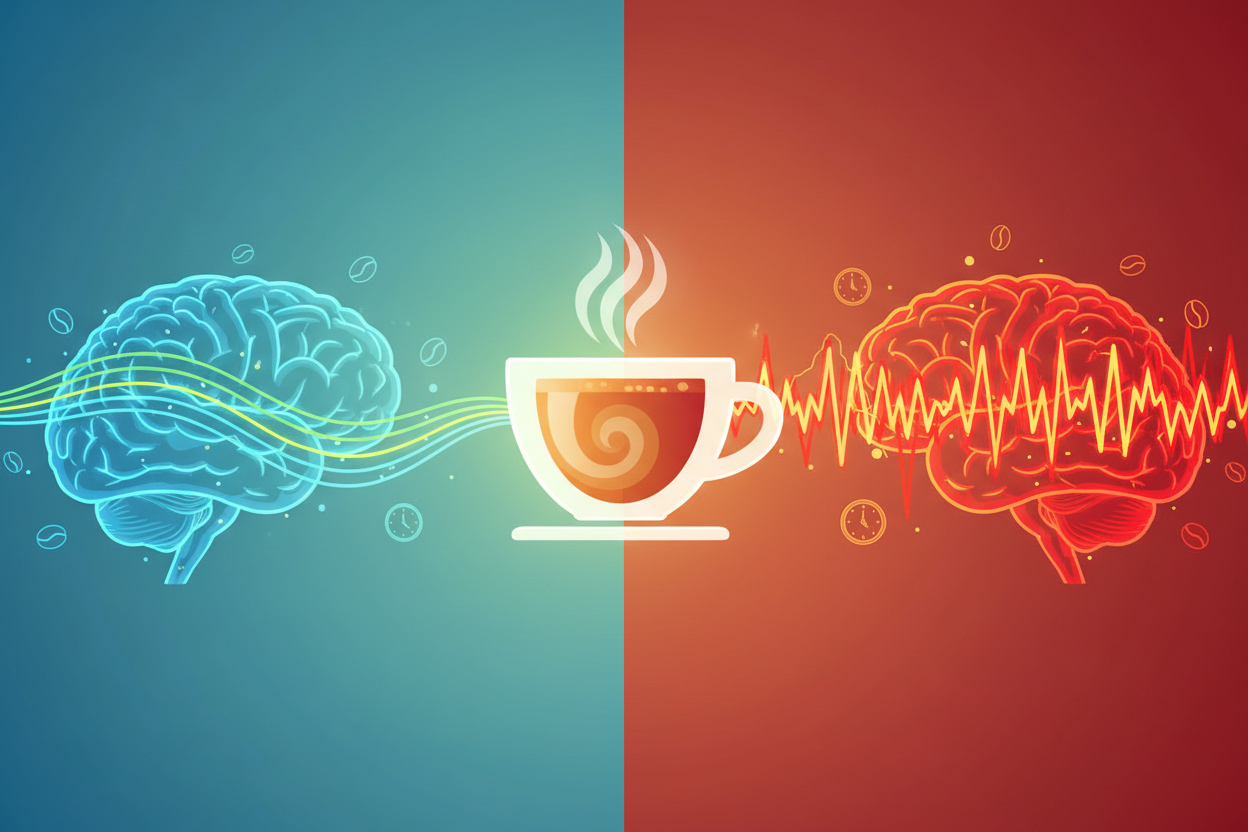
Moderate caffeine consumption may actually support certain types of brainwave activity, particularly beta waves associated with alertness. However, excessive caffeine can create jittery, incoherent patterns and interfere with your ability to achieve calm, focused states. The key is moderation and timing – avoid caffeine close to bedtime or coherence practice sessions.