
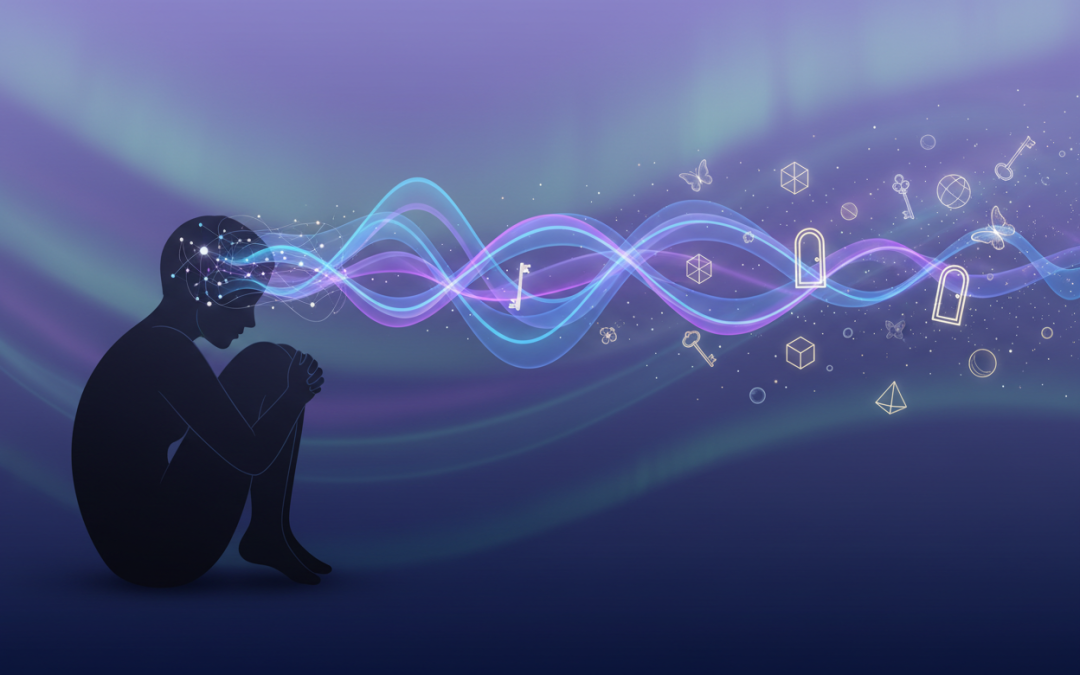
The Role of Brainwaves in Lucid Dreaming: Unlocking the Science Behind Conscious Dreams
Table of Contents
1. Introduction to Brainwaves and Lucid Dreaming
2. Understanding Different Types of Brainwaves
3. The Science Behind Dream States and Brain Activity
4. How Brainwaves Change During Lucid Dreams
5. Techniques to Influence Brainwaves for Lucid Dreaming
6. The Connection Between Gamma Waves and Conscious Awareness
7. Practical Applications and Benefits
8. Common Challenges and Solutions
9. Conclusion
10. Frequently Asked Questions
Introduction to Brainwaves and Lucid Dreaming
Have you ever found yourself in the middle of a dream, suddenly realizing you’re dreaming, and then taking control of the experience? That magical moment when consciousness meets the dream world is called lucid dreaming, and it’s more scientifically fascinating than you might think.

The relationship between brainwaves and lucid dreaming has captivated researchers and dream enthusiasts alike for decades. Our brains produce electrical activity in the form of brainwaves, and these patterns change dramatically as we transition through different states of consciousness. Understanding how these neural oscillations work during lucid dreams opens up incredible possibilities for anyone interested in exploring their dream world more consciously.
What makes this topic particularly intriguing is that lucid dreaming isn’t just some mystical experience—it’s a measurable neurological phenomenon that scientists can study using EEG technology. The patterns of brain activity during lucid dreams are distinctly different from regular dreams, non-REM sleep, or even waking consciousness.
Understanding Different Types of Brainwaves
Before diving into how brainwaves affect lucid dreaming, let’s get familiar with the five main types of brainwaves our minds produce. Each frequency range corresponds to different mental states and levels of consciousness.
Delta waves (0.5-4 Hz) dominate during deep, dreamless sleep. These slow, high-amplitude waves are associated with physical healing, regeneration, and the deepest levels of unconsciousness. When your brain is producing primarily delta waves, you’re typically in such a deep sleep that awakening becomes difficult.
Theta waves (4-8 Hz) emerge during light sleep, deep meditation, and REM sleep phases. This frequency range is where most of our regular dreaming occurs. Theta states are also linked to creativity, intuition, and access to subconscious memories. Many experienced meditators learn to maintain awareness during theta states.
Alpha waves (8-13 Hz) appear when we’re relaxed but alert, often with closed eyes. This is the bridge between conscious and subconscious states. You might experience alpha waves during light meditation, daydreaming, or that drowsy period just before falling asleep.
Beta waves (13-30 Hz) characterize our normal waking consciousness. When you’re reading this article, solving problems, or engaged in active thinking, your brain is primarily producing beta waves. Higher beta frequencies can indicate stress or anxiety.
Gamma waves (30-100 Hz) represent the highest frequency brainwaves and are associated with heightened awareness, binding of consciousness, and peak mental performance. These waves play a crucial role in lucid dreaming, as we’ll explore shortly.
The Science Behind Dream States and Brain Activity
Sleep isn’t just one uniform state—it’s a complex cycle of different phases, each with distinct brainwave patterns. Understanding this cycle is essential for grasping how lucid dreams occur and why certain brainwave frequencies make them more likely.
During a typical night’s sleep, we cycle through several stages. Non-REM sleep includes three stages, progressing from light sleep (Stage 1) through deeper sleep (Stage 2) to the deepest sleep (Stage 3). Stage 3 is dominated by delta waves and is when our bodies do most of their physical repair work.
REM (Rapid Eye Movement) sleep is where the magic happens for dreamers. During REM phases, our brains become almost as active as when we’re awake, but our bodies remain paralyzed to prevent us from acting out our dreams. The brainwave patterns during REM sleep show a fascinating mix of theta waves with occasional bursts of higher frequency activity.
What’s particularly interesting is that lucid dreams most commonly occur during REM sleep, but the brainwave patterns during lucid REM are notably different from regular REM sleep. Researchers have discovered that lucid dreamers show increased activity in the prefrontal cortex—the brain region responsible for self-awareness and critical thinking.
How Brainwaves Change During Lucid Dreams
The neurological signature of lucid dreaming is truly remarkable. When someone becomes lucid in a dream, their brain doesn’t just flip a switch—there’s a measurable shift in brainwave activity that researchers can detect using EEG monitoring.
During lucid dreams, scientists have observed increased gamma wave activity, particularly in the 40 Hz range. This gamma activity appears primarily in the frontal and parietal regions of the brain—areas associated with self-awareness, attention, and conscious decision-making. It’s as if these higher frequency waves create a bridge between the dreaming mind and waking consciousness.
The theta waves that typically dominate REM sleep don’t disappear during lucid dreams, but they become modulated by this gamma activity. This creates a unique hybrid state where the brain maintains the creative, associative qualities of theta while adding the self-reflective awareness associated with gamma frequencies.
Another fascinating discovery is the increased coherence between different brain regions during lucid dreams. Normal dreams often show fragmented brain activity, which explains why dream logic can be so bizarre and disconnected. Lucid dreams, however, demonstrate greater communication between brain areas, particularly between the prefrontal cortex and other regions.
Some researchers have also noted increased alpha wave activity during the transition into lucid dreams. This makes sense, as alpha waves are associated with that relaxed-but-aware state that many lucid dreamers describe as the gateway to conscious dreaming.
Techniques to Influence Brainwaves for Lucid Dreaming
Understanding the brainwave patterns associated with lucid dreaming has led to the development of various techniques designed to encourage these specific neural states. While there’s no guaranteed method to induce lucid dreams, several approaches show promising results.
Binaural beats represent one of the most popular technological approaches. By playing slightly different frequencies in each ear, these audio tracks can theoretically encourage the brain to produce specific brainwave patterns. For lucid dreaming, practitioners often use binaural beats in the gamma range (around 40 Hz) or theta range (6-8 Hz) during sleep or meditation.
Meditation practices, particularly those focusing on maintaining awareness during relaxed states, can help train the brain to produce the right combination of brainwaves for lucid dreaming. Mindfulness meditation, in particular, strengthens the prefrontal cortex activity that’s crucial for lucid awareness.
The Wake-Back-to-Bed (WBTB) technique works by interrupting sleep during REM periods and then returning to sleep while maintaining some level of consciousness. This method naturally creates conditions where alpha and gamma waves might persist into the dream state.
Transcranial stimulation, though still experimental, has shown promise in research settings. By applying mild electrical currents to specific brain regions, researchers have been able to increase the likelihood of lucid dreams. However, this technique should only be attempted under professional supervision.
The Connection Between Gamma Waves and Conscious Awareness
Gamma waves deserve special attention in any discussion of lucid dreaming because they appear to be the neurological key to conscious awareness within dreams. These high-frequency brainwaves have been called the “binding frequency” because they help integrate information from different parts of the brain into a unified conscious experience.
In waking life, gamma waves increase when we’re paying close attention, learning something new, or having moments of insight. They’re associated with what neuroscientists call “binding”—the process by which the brain combines different sensory inputs and memories into a coherent perception of reality.
During lucid dreams, gamma activity seems to perform a similar function, binding together the dream experience with self-awareness and critical thinking abilities. This is why lucid dreamers can often think clearly about their situation, remember their waking life, and make conscious decisions within the dream.
The timing of gamma bursts during lucid dreams is also significant. These waves often appear in short bursts rather than sustained activity, which might explain why lucid awareness can come and go during a single dream. Learning to maintain or re-trigger these gamma states could be key to sustaining longer, more stable lucid dreams.
Practical Applications and Benefits
The intersection of brainwave research and lucid dreaming opens up exciting practical applications beyond just having fun in dreams. Understanding these neural mechanisms has led to therapeutic applications and personal development opportunities.
Nightmare therapy represents one of the most promising clinical applications. By teaching people to recognize when they’re dreaming and take control of the experience, therapists can help patients transform recurring nightmares into empowering experiences. The brainwave training aspect adds a scientific foundation to these therapeutic approaches.
Creative problem-solving benefits from the unique brain state of lucid dreams. The combination of theta creativity with gamma awareness creates an ideal environment for innovative thinking. Many artists, writers, and inventors have reported breakthrough insights during lucid dreams.
Motor skill practice in lucid dreams has shown measurable improvements in real-world performance. Athletes and musicians can use lucid dreams to practice techniques while their brains produce the neural patterns associated with learning and skill consolidation.
Personal growth and self-exploration become possible when we can consciously interact with our subconscious minds. The brainwave patterns of lucid dreams create a unique opportunity to access and work with unconscious material while maintaining rational awareness.
Common Challenges and Solutions
Despite our growing understanding of brainwaves and lucid dreaming, many people still struggle to achieve consistent results. Recognizing common challenges and their solutions can help improve success rates.
One frequent issue is maintaining the delicate balance of awareness needed for lucid dreams. Too much excitement or analytical thinking can shift the brain into full beta wave activity, causing awakening. Learning to maintain calm awareness while recognizing the dream state takes practice and patience.
Sleep quality significantly affects brainwave patterns and dream recall. Poor sleep hygiene, stress, or irregular schedules can disrupt the natural REM cycles where lucid dreams are most likely to occur. Establishing consistent sleep routines and managing stress levels creates better conditions for the right brainwave states.
Individual differences in brainwave patterns mean that techniques effective for one person might not work for another. Some people naturally produce more gamma activity, while others have stronger theta patterns. Experimenting with different approaches and paying attention to personal responses helps identify the most effective methods.
Patience remains crucial because developing lucid dreaming skills involves training the brain to produce specific patterns consistently. Like learning any new skill, it requires regular practice and gradual development of neural pathways associated with dream awareness.
Conclusion
The relationship between brainwaves and lucid dreaming reveals the remarkable complexity and potential of human consciousness. As we’ve explored, lucid dreams aren’t just random occurrences but represent a specific neurological state characterized by unique patterns of brain activity.
The interplay between gamma waves and conscious awareness, the modulation of theta activity during REM sleep, and the increased communication between brain regions all contribute to the phenomenon of lucid dreaming. This scientific understanding not only satisfies our curiosity about how consciousness works but also provides practical pathways for anyone interested in exploring their dream world more deliberately.
Whether you’re drawn to lucid dreaming for creative inspiration, therapeutic benefits, or simple curiosity about consciousness, understanding the role of brainwaves provides a solid foundation for your practice. As research continues to advance, we can expect even more sophisticated techniques for influencing these neural patterns and accessing the extraordinary potential of conscious dreaming.
Remember that developing lucid dreaming skills is a personal journey that combines scientific knowledge with individual experimentation. The brainwave patterns we’ve discussed provide the roadmap, but each person must find their own path to conscious dreaming through practice, patience, and persistent exploration of their unique neural landscape.
Frequently Asked Questions
What brainwaves are most important for lucid dreaming?
Gamma waves (30-100 Hz) are crucial for lucid dreaming as they’re associated with conscious awareness. Theta waves (4-8 Hz) remain important as they dominate REM sleep when most lucid dreams occur. The combination of these frequencies creates the unique brain state necessary for conscious dreaming.
Can binaural beats really help induce lucid dreams?
Binaural beats may help some people achieve the brainwave states associated with lucid dreaming, but scientific evidence is mixed. They work best as part of a comprehensive approach that includes good sleep hygiene, dream journaling, and reality checking techniques.
How long does it take to learn lucid dreaming using brainwave techniques?
The timeline varies greatly among individuals. Some people experience lucid dreams within weeks of starting practice, while others may take months or longer. Consistency in practice and individual brain patterns both play significant roles in determining success rates.
Are there any risks associated with trying to manipulate brainwaves for lucid dreaming?
Natural techniques like meditation and binaural beats are generally safe for healthy individuals. However, avoid experimental devices or techniques without proper supervision. People with epilepsy or other neurological conditions should consult healthcare providers before attempting brainwave manipulation.
Do lucid dreams affect sleep quality?
Research suggests that occasional lucid dreams don’t significantly impact sleep quality for most people. However, excessive focus on lucid dreaming or techniques that frequently interrupt sleep might affect rest quality. Balance is key to maintaining healthy sleep patterns.
Can meditation improve brainwave patterns for lucid dreaming?
Yes, regular meditation practice can enhance the brain’s ability to produce gamma waves and maintain awareness during altered states of consciousness. Mindfulness meditation, in particular, strengthens the prefrontal cortex activity associated with lucid dreaming.