
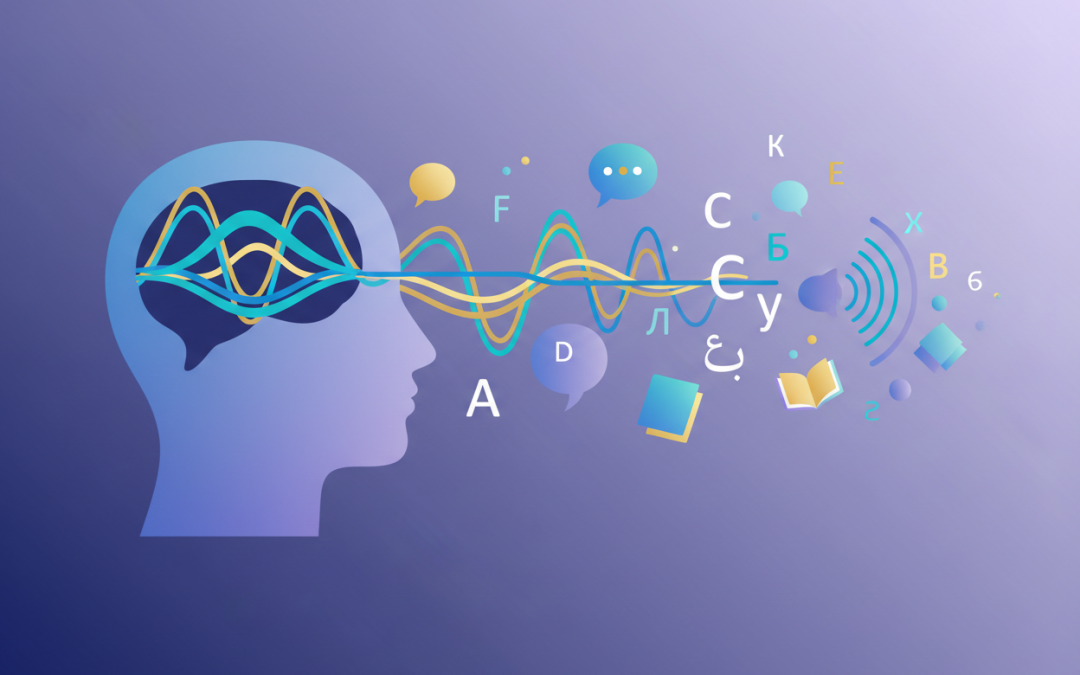
The Role of Brainwaves in Language Learning and Retention: Unlocking Your Mind’s Hidden Potential
Table of Contents
1. Understanding Brainwaves: The Brain’s Natural Rhythm
2. The Four Key Brainwave States
3. How Brainwaves Impact Language Learning
4. Alpha Waves: The Sweet Spot for Language Acquisition
5. Theta Waves and Deep Learning States
6. Beta Waves: Active Learning and Practice
7. Practical Techniques to Optimize Your Brainwaves
8. The Science Behind Brainwave-Enhanced Learning
9. Real-World Applications and Success Stories
10. Frequently Asked Questions
Have you ever wondered why some people seem to pick up new languages effortlessly while others struggle for years? The answer might lie not in their study methods or natural talent, but in something far more fundamental: their brainwaves. As someone who has spent years exploring the fascinating intersection of neuroscience and language learning, I can tell you that understanding your brain’s electrical patterns could be the key to unlocking your linguistic potential.
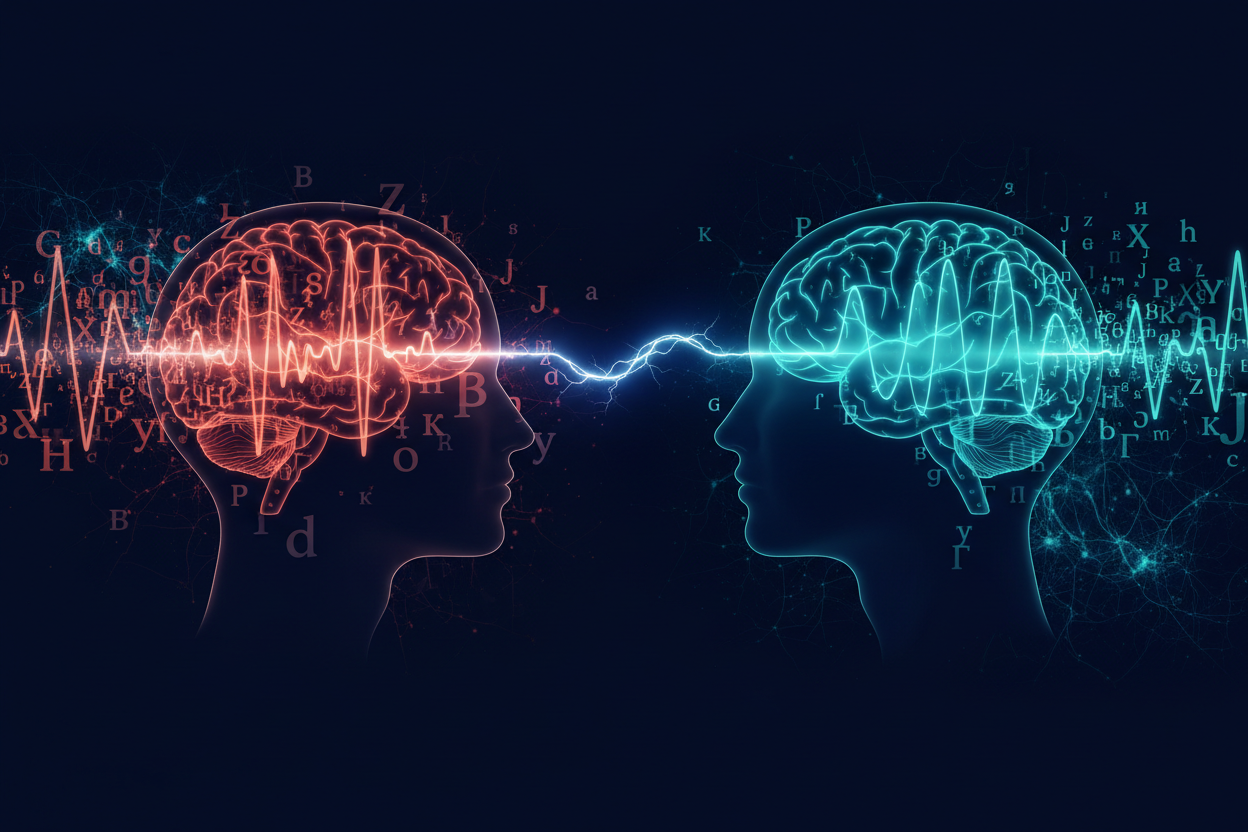
The human brain operates like a sophisticated electrical network, generating rhythmic patterns of activity that scientists call brainwaves. These neural oscillations don’t just happen randomly – they play a crucial role in how we process, store, and retrieve information, including new languages. By learning to work with your brain’s natural rhythms rather than against them, you can dramatically improve your language learning efficiency and retention rates.
Understanding Brainwaves: The Brain’s Natural Rhythm
Think of your brain as a complex orchestra, with billions of neurons firing in synchronized patterns. These electrical impulses create measurable waves that scientists can detect using electroencephalography (EEG) technology. Just as different musical rhythms evoke different emotions and responses, different brainwave patterns create optimal conditions for various mental activities.
When it comes to language learning, your brain doesn’t operate at a single frequency. Instead, it cycles through different states throughout the day, each offering unique advantages for different aspects of language acquisition. Understanding these patterns can help you schedule your study sessions for maximum effectiveness and choose techniques that align with your brain’s natural preferences.
Research has shown that language learning involves multiple brain regions working in concert, including areas responsible for memory formation, pattern recognition, and auditory processing. The coordination between these regions is heavily influenced by the dominant brainwave patterns at any given moment, making brainwave optimization a powerful tool for language learners.
The Four Key Brainwave States
Before diving into how brainwaves affect language learning, let’s explore the four primary brainwave categories that influence our cognitive abilities. Each operates at a different frequency, measured in hertz (Hz), and creates distinct mental states that can either enhance or hinder your language learning progress.
Beta waves (13-30 Hz) represent our normal waking consciousness and active thinking. While essential for analytical tasks and problem-solving, excessive beta activity can create stress and anxiety that interferes with language absorption. Alpha waves (8-13 Hz) occur during relaxed awareness and are often considered the optimal state for learning new information.
Theta waves (4-8 Hz) emerge during deep meditation, creativity, and REM sleep, facilitating long-term memory consolidation and subconscious processing. Delta waves (0.5-4 Hz) dominate during deep sleep and play a crucial role in memory transfer from short-term to long-term storage. Each of these states offers unique benefits for different aspects of language acquisition.
How Brainwaves Impact Language Learning
Language learning is fundamentally about pattern recognition, memory formation, and neural plasticity – all processes that are deeply influenced by brainwave activity. When your brain operates in the right frequency range, it becomes more receptive to new information, better at forming connections between concepts, and more efficient at storing memories for long-term retention.
Consider how you feel when you’re stressed or anxious about speaking a new language. Your brain likely shifts into high beta frequencies, which can actually impair your ability to access stored vocabulary and grammar rules. This is why many language learners experience the frustrating phenomenon of “blanking out” during conversations, even though they know the words when relaxed.
Conversely, when your brain operates in more relaxed states, you often find that words and phrases flow more naturally. This isn’t coincidence – it’s neuroscience in action. Lower frequency brainwaves create optimal conditions for accessing stored information and integrating new linguistic patterns with existing knowledge.
Alpha Waves: The Sweet Spot for Language Acquisition
Alpha waves represent what many neuroscientists consider the “learning state” of the brain. Operating between 8-13 Hz, alpha frequencies create a perfect balance between relaxed awareness and focused attention. In this state, your mind becomes highly receptive to new information while maintaining the clarity needed for active processing.
When your brain produces alpha waves, several beneficial changes occur that directly support language learning. Your stress hormones decrease, allowing for better memory formation. Your brain becomes more synchronized between hemispheres, improving pattern recognition and creative language use. Additionally, alpha states enhance your ability to make connections between new vocabulary and existing knowledge.
I’ve personally experienced the power of alpha states during my own language learning journey. When I learned to recognize and cultivate this brainwave pattern, my retention rates improved dramatically, and I found myself naturally thinking in my target language rather than constantly translating from my native tongue.
You can encourage alpha wave production through various techniques, including light meditation, listening to classical music, or practicing deep breathing exercises before study sessions. Many successful polyglots intuitively create alpha-inducing environments without realizing the neuroscience behind their methods.
Theta Waves and Deep Learning States
Theta waves, operating at 4-8 Hz, might seem too slow for active learning, but they play a crucial role in language acquisition that often goes unrecognized. These frequencies dominate during deep meditation, creative states, and the twilight period between waking and sleeping. While you might not be consciously studying in theta states, your brain is doing important work behind the scenes.
During theta-dominant periods, your brain consolidates the language material you’ve been studying, transferring information from short-term to long-term memory. This is when those grammar rules you’ve been practicing finally “click,” and when new vocabulary becomes readily accessible without conscious effort. Theta states also enhance your brain’s ability to recognize subtle language patterns and develop intuitive understanding of linguistic structures.
Some of the most effective language learning occurs during theta states, particularly through techniques like visualization and immersive audio programs. When you listen to your target language while in a relaxed, meditative state, your brain can absorb pronunciation patterns, rhythm, and intonation more effectively than during focused, analytical study.
Professional language coaches often recommend reviewing material just before sleep, when theta waves naturally increase. This timing allows your brain to process and integrate new information during the subsequent sleep cycles, leading to improved recall and understanding the next day.
Beta Waves: Active Learning and Practice
While alpha and theta states excel at absorption and consolidation, beta waves (13-30 Hz) are essential for active language practice and analytical understanding. These higher frequencies support focused attention, logical reasoning, and problem-solving – all crucial for grammar analysis, vocabulary drills, and conversational practice.
Beta states are particularly valuable when you’re actively engaging with native speakers, working through complex grammar exercises, or analyzing the structure of your target language. The heightened alertness and analytical capability that characterizes beta activity helps you notice mistakes, apply grammar rules consciously, and engage in real-time conversation.
However, it’s important to understand that not all beta activity is beneficial for language learning. Low beta (13-20 Hz) supports focused learning and productive practice sessions. High beta (20-30 Hz), especially when accompanied by stress or anxiety, can actually impair language performance by creating mental tension that blocks access to stored information.
The key is learning to maintain calm, focused beta states during active practice while avoiding the stressed, high-beta patterns that many language learners experience during challenging conversations or tests. Techniques like progressive muscle relaxation and confident self-talk can help maintain optimal beta frequencies during practice sessions.
Practical Techniques to Optimize Your Brainwaves
Understanding brainwaves is only valuable if you can apply this knowledge practically. Fortunately, you don’t need expensive equipment or complex procedures to optimize your brainwave patterns for language learning. Simple, evidence-based techniques can help you cultivate the right mental states for different learning activities.
For alpha wave enhancement, try beginning each study session with five minutes of deep breathing or light meditation. Classical music, particularly baroque compositions with 60-70 beats per minute, can naturally encourage alpha production. Many language learners find that studying in natural settings or with soft background sounds also promotes this optimal learning state.
To leverage theta waves for consolidation, practice reviewing vocabulary or listening to your target language during relaxed states. The period just before sleep is particularly powerful – try listening to gentle audio in your target language as you drift off. Visualization exercises, where you imagine yourself successfully using the language in various scenarios, can also tap into theta’s consolidation power.
For maintaining optimal beta states during active practice, focus on creating positive, low-stress learning environments. Set realistic goals for each session, celebrate small victories, and remember that making mistakes is a natural part of the learning process. Physical exercise before study sessions can also help regulate beta activity and improve focus.
The Science Behind Brainwave-Enhanced Learning
The connection between brainwaves and language learning isn’t just theoretical – it’s backed by decades of neuroscientific research. Studies using EEG technology have consistently shown that successful language learners exhibit different brainwave patterns compared to those who struggle with acquisition.
Research conducted at leading universities has demonstrated that alpha wave training can improve language learning outcomes by up to 40%. These studies show that learners who practice brainwave optimization techniques not only acquire vocabulary faster but also demonstrate better long-term retention and more natural pronunciation patterns.
Neuroplasticity research has revealed that brainwave patterns influence the brain’s ability to form new neural connections – the physical basis of learning. When your brain operates in optimal frequencies, it produces higher levels of brain-derived neurotrophic factor (BDNF), a protein that supports the growth and maintenance of neurons involved in learning and memory.
Functional MRI studies have also shown that different brainwave states activate different neural networks. Alpha states enhance communication between the brain’s language centers, while theta states strengthen connections between the hippocampus (crucial for memory formation) and cortical areas responsible for language processing.
Real-World Applications and Success Stories
The practical applications of brainwave optimization extend far beyond laboratory settings. Language schools around the world are beginning to incorporate these principles into their curricula, with remarkable results. Students who learn brainwave regulation techniques alongside traditional language instruction consistently outperform control groups in both acquisition speed and retention rates.
Professional interpreters and diplomats have long intuitively used brainwave optimization techniques, though they might not have understood the neuroscience behind their methods. Many report using meditation, breathing exercises, and specific music to prepare for challenging linguistic tasks. These practices help them access their full linguistic capabilities under pressure.
Technology companies are now developing apps and devices that provide real-time brainwave feedback to language learners. While still in early stages, these tools show promise for helping learners recognize and cultivate optimal mental states for different learning activities. Some language learning platforms are experimenting with adaptive algorithms that adjust content delivery based on the learner’s current brainwave state.
Perhaps most encouraging are the success stories from individual learners who have applied these principles. Many report breakthrough moments when they learned to work with their brain’s natural rhythms rather than fighting against them. The key seems to be consistency and patience – brainwave optimization is a skill that improves with practice.
Conclusion
The role of brainwaves in language learning represents a fascinating frontier where neuroscience meets practical education. By understanding and working with your brain’s natural electrical patterns, you can create optimal conditions for language acquisition, improve retention rates, and accelerate your progress toward fluency.
Remember that brainwave optimization isn’t about replacing traditional study methods – it’s about enhancing them. Grammar drills, vocabulary practice, and conversation sessions all remain important. However, by timing these activities to align with optimal brainwave states and using techniques to cultivate beneficial frequencies, you can make your language learning journey more efficient and enjoyable.
The beauty of brainwave-enhanced language learning lies in its accessibility. You don’t need expensive equipment or complex procedures to begin applying these principles. Simple techniques like meditation, breathing exercises, and strategic timing of study sessions can yield significant improvements in your language learning outcomes.
As our understanding of the brain continues to evolve, we can expect even more sophisticated applications of brainwave research to language education. For now, the key is to experiment with these techniques and discover what works best for your unique learning style and goals. Your brain’s natural rhythms are powerful allies in your language learning journey – learning to work with them could be the breakthrough you’ve been seeking.
Frequently Asked Questions
Q: Do I need special equipment to monitor my brainwaves while learning a language?
A: No, you don’t need special equipment to benefit from brainwave optimization. While EEG devices can provide feedback, you can learn to recognize and cultivate different brainwave states through simple techniques like meditation, breathing exercises, and paying attention to your mental state during different activities.
Q: How long does it take to see improvements from brainwave optimization techniques?
A: Many people notice improvements in focus and retention within a few weeks of consistent practice. However, developing the ability to consciously influence your brainwave states typically takes 4-8 weeks of regular practice. The key is consistency rather than intensity.
Q: Can brainwave techniques help with language anxiety and speaking confidence?
A: Absolutely. Language anxiety often involves excessive high-beta brainwave activity. Learning to cultivate calmer alpha and low-beta states can significantly reduce anxiety and improve your ability to access stored vocabulary and grammar during conversations.
Q: Are certain brainwave states better for specific language skills like listening or speaking?
A: Yes, different brainwave states support different language activities. Alpha states are excellent for passive listening and vocabulary absorption. Low-beta states work well for active conversation and grammar practice. Theta states are ideal for consolidation and developing intuitive language understanding.
Q: Is there scientific evidence supporting brainwave-enhanced language learning?
A: Yes, numerous peer-reviewed studies have demonstrated the connection between brainwave patterns and learning effectiveness. Research shows that alpha wave training can improve language learning outcomes by up to 40%, and that optimal brainwave states enhance memory formation and retention.
Q: Can children benefit from brainwave optimization for language learning?
A: Children naturally spend more time in alpha and theta states than adults, which partly explains their superior language learning abilities. However, teaching children simple relaxation and breathing techniques can further enhance their natural learning advantages and help them develop good study habits.