
The Psychology of Sound: Why Certain Frequencies Make Us Feel Calm
Table of Contents
1. Introduction: The Hidden Power of Sound
2. The Science Behind Sound and Emotion
3. Understanding Frequency and the Human Brain
4. The Magic of Low Frequencies: Nature’s Natural Sedatives
5. Binaural Beats: Synchronizing Your Mind
6. Pink Noise vs White Noise: Which Calms Better?
7. Cultural and Evolutionary Influences on Sound Perception
8. Practical Applications: Using Sound for Daily Wellness
9. The Dark Side: Frequencies That Disturb
10. Conclusion: Harnessing Sound for Better Mental Health
11. Frequently Asked Questions
Introduction: The Hidden Power of Sound
Have you ever noticed how the gentle rumble of thunder can make you feel surprisingly peaceful? Or how certain pieces of music seem to wash away your stress instantly? You’re not imagining things. There’s genuine science behind why specific sound frequencies have the remarkable ability to calm our minds and soothe our souls.
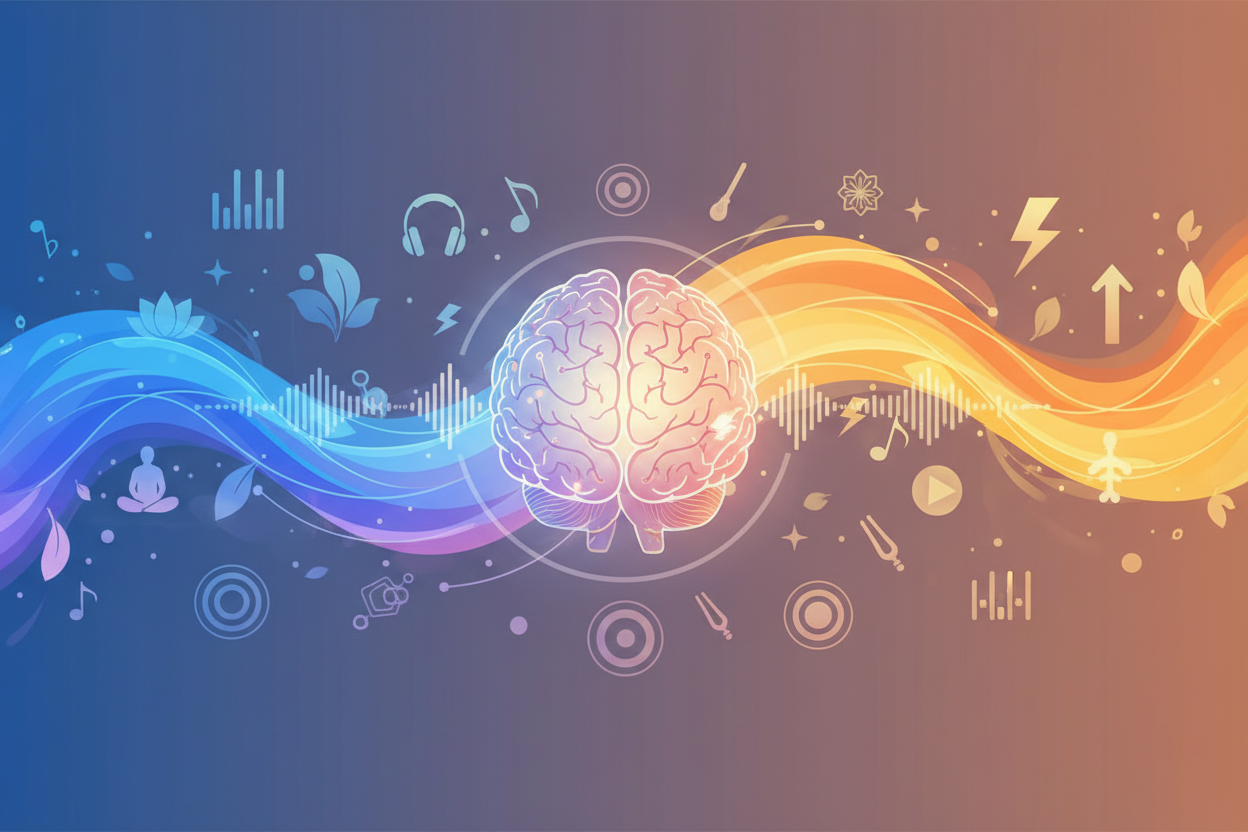
Sound isn’t just something we hear – it’s a powerful force that directly influences our brain chemistry, heart rate, and overall emotional state. From the low hum of ocean waves to the carefully crafted frequencies in meditation apps, certain sounds act like invisible therapists, working on our nervous system in ways we’re only beginning to understand.
In this exploration of sound psychology, we’ll dive deep into the fascinating world of frequency therapy, uncovering why your brain responds so positively to certain sounds and how you can harness this knowledge for better mental health and daily wellness.

The Science Behind Sound and Emotion
When sound waves enter our ears, they trigger a complex chain reaction that extends far beyond simple hearing. The auditory cortex doesn’t work in isolation – it’s intimately connected to the limbic system, our brain’s emotional control center. This connection explains why a particular song can instantly transport you back to childhood or why certain frequencies can trigger immediate relaxation responses.
Research conducted at Stanford University revealed that listening to specific frequencies can actually alter brainwave patterns within minutes. When we encounter calming sounds, our brain begins producing more alpha waves (8-12 Hz), which are associated with relaxed awareness and reduced anxiety. Simultaneously, the production of stress hormones like cortisol decreases, while feel-good neurotransmitters like serotonin increase.
Dr. Suzanne Hanser, a music therapy researcher at Berklee College of Music, found that participants who listened to carefully selected frequencies showed measurable improvements in heart rate variability and blood pressure within just 15 minutes. This isn’t just subjective relaxation – it’s measurable physiological change.
Understanding Frequency and the Human Brain
To understand why certain frequencies calm us, we need to grasp how our brains process different sound waves. Human hearing typically ranges from 20 Hz to 20,000 Hz, but our emotional responses vary dramatically across this spectrum.
Lower frequencies (20-250 Hz) tend to have the most profound calming effects. These sounds often remind our subconscious of safety-associated environments: a mother’s heartbeat in the womb, the gentle rumble of a protective cave, or the consistent rhythm of ocean waves. Our brains are evolutionarily wired to interpret these frequencies as indicators of safety and security.
Mid-range frequencies (250-4000 Hz) are where most human speech occurs, and our brains remain alert when processing these sounds. Higher frequencies (above 4000 Hz), while important for clarity and detail, can actually increase alertness and sometimes stress when they’re too prominent or sharp.
Interestingly, the most calming frequencies often fall between 40-60 Hz, which closely matches the rhythm of a resting human heart. This isn’t coincidental – our bodies naturally synchronize with rhythms that mirror our optimal physiological states.
The Magic of Low Frequencies: Nature’s Natural Sedatives
Low-frequency sounds have an almost magical ability to calm human nervous systems. Think about the most relaxing natural sounds you know: ocean waves, distant thunder, or a gentle waterfall. These all share common characteristics – they’re rich in low frequencies and maintain consistent, predictable patterns.
The 528 Hz frequency, often called the “love frequency,” has gained particular attention in recent years. Some researchers suggest this frequency can repair DNA and reduce stress, though the scientific jury is still out on these more dramatic claims. What we do know is that sounds around this frequency consistently produce relaxation responses in study participants.
Another fascinating discovery involves infrasound – frequencies below human hearing (under 20 Hz). While we can’t consciously hear these sounds, our bodies can feel them. Elephants use infrasound to communicate across vast distances, and some researchers believe humans may have retained sensitivity to these frequencies as an evolutionary safety mechanism. When present at very low levels, infrasound can promote feelings of awe and tranquility.
Personal experience often validates this science. Many people report feeling inexplicably calm in certain natural environments, even when they can’t identify specific sounds. The combination of low frequencies from wind, water, and distant environmental sounds creates an acoustic environment that naturally soothes our nervous systems.
Binaural Beats: Synchronizing Your Mind
Binaural beats represent one of the most intriguing applications of frequency psychology. When you listen to two slightly different frequencies in each ear – say, 440 Hz in the left ear and 444 Hz in the right – your brain creates a third “phantom” frequency of 4 Hz (the difference between the two).
This phenomenon, discovered by physicist Heinrich Wilhelm Dove in 1839, can actually guide your brainwaves toward specific states. Alpha binaural beats (8-12 Hz difference) promote relaxation and light meditation. Theta beats (4-8 Hz difference) can induce deeper meditative states and creativity. Delta beats (0.5-4 Hz difference) may even improve deep sleep quality.
A 2018 study published in the Journal of Alternative and Complementary Medicine found that participants who listened to 6 Hz binaural beats for 30 minutes showed significant reductions in anxiety and improvements in mood compared to control groups. The effects lasted for several hours after the listening session ended.
What makes binaural beats particularly appealing is their accessibility. Unlike meditation techniques that require years of practice, almost anyone can experience the benefits of binaural beats immediately. However, they work best when listened to through headphones, as speakers can’t deliver the precise frequency separation needed for the effect.
Pink Noise vs White Noise: Which Calms Better?
While white noise gets most of the attention in sleep and relaxation discussions, pink noise might actually be superior for calming purposes. The difference lies in their frequency distribution and how our ears perceive them.
White noise contains equal energy across all frequencies, creating a consistent “shh” sound that many people find soothing. However, because higher frequencies naturally sound louder to human ears, white noise can sometimes feel harsh or artificial over extended periods.
Pink noise, on the other hand, reduces the power of higher frequencies, creating a more balanced sound that our ears perceive as more natural. Think of gentle rainfall, rustling leaves, or steady ocean waves – these are all examples of pink noise in nature. Research suggests pink noise may be more effective than white noise for improving sleep quality and promoting relaxation because it more closely matches the frequency patterns our brains evolved to find comforting.
Brown noise takes this concept even further, emphasizing lower frequencies even more strongly. Some people find brown noise deeply relaxing, describing it as the sound of a distant waterfall or strong wind through trees. The key is finding which type of noise resonates with your individual nervous system.
Cultural and Evolutionary Influences on Sound Perception
Our response to calming frequencies isn’t just biological – it’s also shaped by cultural and evolutionary factors. Certain sound patterns appear to be universally calming across cultures, suggesting deep evolutionary roots.
Lullabies provide a fascinating example. Regardless of culture, lullabies worldwide share remarkably similar characteristics: slow tempo, falling melodic patterns, and emphasis on lower frequencies. These patterns mirror the sounds babies hear in the womb, suggesting our earliest sound preferences shape our lifelong responses to calming frequencies.
However, cultural conditioning also plays a significant role. Western classical music often uses specific harmonic progressions that listeners find relaxing, while traditional Eastern music might achieve similar calming effects through different tonal relationships. What remains consistent across cultures is the tendency for slower rhythms, lower pitches, and predictable patterns to promote relaxation.
Evolutionary psychologists suggest that our preference for certain frequencies developed as survival mechanisms. Low, consistent sounds often indicated safe environments (like being in a protected cave), while sudden, high-pitched sounds signaled potential danger. These ancient associations still influence our modern responses to different frequencies.
Practical Applications: Using Sound for Daily Wellness
Understanding frequency psychology opens up numerous practical applications for improving daily life. Many successful professionals now incorporate specific sound frequencies into their routines for stress management and productivity enhancement.
For sleep improvement, consider creating a bedtime soundscape using pink noise or nature sounds rich in low frequencies. Many sleep apps now offer customizable frequency options, allowing you to find your personal sweet spot for relaxation. The key is consistency – using the same calming sounds nightly can train your brain to associate these frequencies with sleep preparation.
During work or study sessions, certain frequencies can enhance focus while reducing stress. Many people find that instrumental music around 60 beats per minute (matching a calm heart rate) helps maintain concentration without causing distraction. Some productivity enthusiasts swear by 40 Hz gamma wave entrainment for enhanced cognitive performance.
For anxiety management, having a go-to collection of calming frequencies can provide immediate relief during stressful situations. Simple smartphone apps can deliver binaural beats or nature sounds anywhere, making frequency therapy as accessible as checking your email.
The workplace is another area where frequency psychology shows promise. Some forward-thinking companies now use carefully designed acoustic environments to reduce employee stress and improve productivity. These might include subtle background sounds that mask distracting noises while promoting calm alertness.
The Dark Side: Frequencies That Disturb
Just as certain frequencies can calm us, others can cause significant distress. Understanding these problematic frequencies can help you create more peaceful environments and avoid unnecessary stress.
Frequencies around 19 Hz, known as infrasonic frequencies, can cause feelings of unease, anxiety, and even fear in some people. These frequencies are below normal hearing range but can still affect the body. Interestingly, some reportedly haunted locations have been found to have high levels of 19 Hz infrasound, possibly explaining some supernatural experiences through purely acoustic means.
High-frequency sounds above 8000 Hz, especially when they’re sudden or unpredictable, tend to increase stress and alertness. This is why the sound of nails on a chalkboard or squealing brakes is so universally unpleasant – these sounds contain high frequencies that our brains interpret as potential danger signals.
Modern urban environments often subject us to chronic exposure to stressful frequencies from traffic, machinery, and electronic devices. This constant acoustic stress can contribute to anxiety, sleep problems, and general irritability without us even realizing the source.
Being aware of these problematic frequencies allows you to make informed choices about your acoustic environment. Simple changes like using sound-absorbing materials, choosing quieter appliances, or using noise-canceling headphones can significantly improve your daily stress levels.
Conclusion: Harnessing Sound for Better Mental Health
The psychology of sound reveals that we’re constantly swimming in an ocean of frequencies that influence our mental and physical well-being in profound ways. From the evolutionary programming that makes us respond to certain rhythms, to the cutting-edge science of binaural beats, sound represents one of the most accessible and immediate tools we have for managing our emotional states.
What’s particularly exciting about frequency therapy is its simplicity and accessibility. Unlike many wellness interventions that require significant time, money, or training, beneficial sound frequencies can be accessed instantly through readily available technology. Whether you’re dealing with chronic stress, sleep problems, or simply want to optimize your daily mental state, understanding and applying frequency psychology can provide immediate benefits.
The key is experimentation and personalization. While the science provides general guidelines about which frequencies tend to be calming, individual responses can vary based on personal history, cultural background, and individual neurological differences. Start with the well-researched frequencies like pink noise or alpha-range binaural beats, but don’t be afraid to explore and find what works best for your unique nervous system.
As our understanding of sound psychology continues to evolve, we’re likely to see even more sophisticated applications in healthcare, education, and daily wellness. The future may hold personalized frequency prescriptions based on individual brain patterns, or architectural designs that optimize acoustic environments for human well-being.
For now, the simple act of paying attention to the sounds around you and consciously choosing calming frequencies can be a powerful step toward better mental health and daily peace of mind.
Frequently Asked Questions
Q: How long should I listen to calming frequencies to see benefits?
A: Most people notice immediate relaxation effects within 5-10 minutes of listening to calming frequencies. For longer-term benefits like improved sleep or reduced anxiety, consistent daily listening sessions of 15-30 minutes are recommended.
Q: Are there any risks to using binaural beats or frequency therapy?
A: For most people, listening to calming frequencies is completely safe. However, individuals with epilepsy should consult their doctor before using binaural beats, as rhythmic stimuli can potentially trigger seizures in susceptible individuals.
Q: Do I need expensive equipment to benefit from frequency therapy?
A: Not at all. While high-quality headphones can enhance the experience, especially for binaural beats, even basic smartphone earbuds can deliver beneficial frequencies. Many free apps provide access to various calming sounds and binaural beats.
Q: Why do some frequencies work better for me than others?
A: Individual responses to frequencies can vary based on personal history, cultural background, hearing sensitivity, and individual brain chemistry. What matters most is finding the frequencies that work best for your unique nervous system through experimentation.
Q: Can I use calming frequencies while sleeping?
A: Yes, many people find that gentle, consistent frequencies like pink noise or nature sounds can improve sleep quality. However, avoid binaural beats during sleep as they’re designed to actively influence brainwave patterns and might interfere with natural sleep cycles.
Q: How do calming frequencies compare to medication for anxiety?
A: While frequency therapy can be a helpful complementary tool for managing anxiety, it shouldn’t replace prescribed medication without consulting your healthcare provider. Many people find that combining frequency therapy with other treatments provides the best results.