
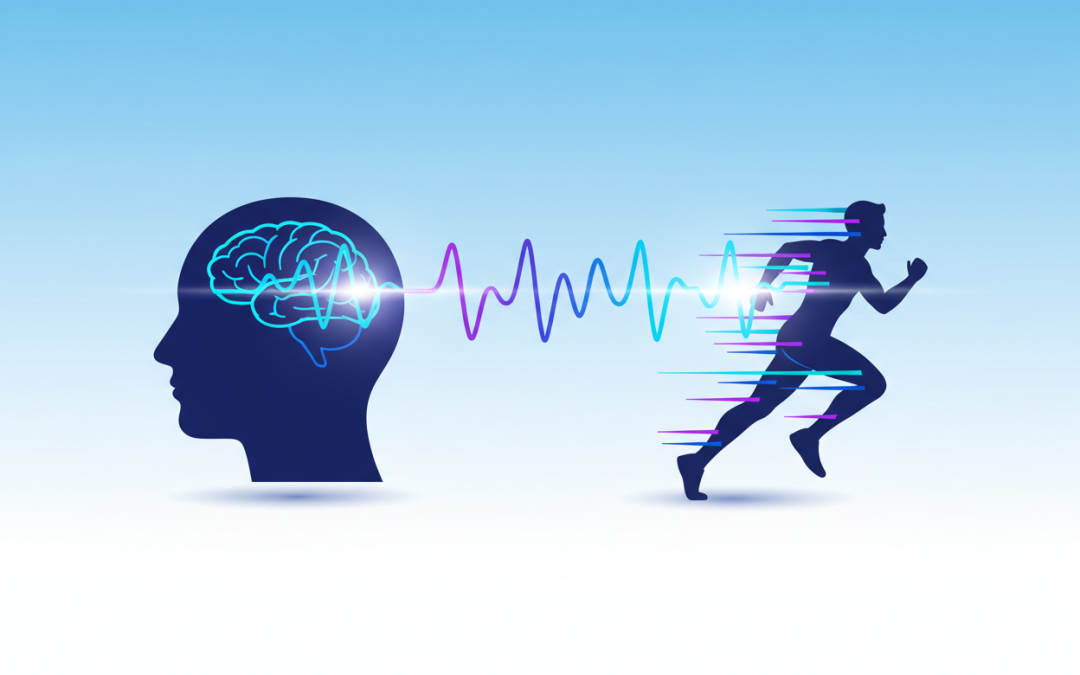
The Effect of Exercise on Brainwave Patterns: How Physical Activity Rewires Your Mind
Table of Contents
1. Introduction
2. Understanding Brainwave Patterns
3. The Science Behind Exercise and Brain Activity
4. How Different Types of Exercise Affect Brainwaves
5. The Immediate Effects of Exercise on Brain Function
6. Long-term Changes in Brainwave Patterns
7. Practical Applications for Mental Health and Performance
8. Optimizing Your Exercise Routine for Brain Benefits
9. Conclusion
10. Frequently Asked Questions
Introduction
Have you ever noticed how your mind feels clearer after a good workout? That post-exercise mental clarity isn’t just in your head – it’s actually reflected in measurable changes to your brainwave patterns. The relationship between physical exercise and brain function has fascinated researchers for decades, and recent advances in neuroscience have revealed just how profoundly movement affects our neural activity.
When we exercise, our brains undergo remarkable transformations that extend far beyond the simple rush of endorphins. These changes occur at the most fundamental level of brain function – in the electrical patterns that govern our thoughts, emotions, and cognitive abilities. Understanding how exercise influences brainwave patterns can help us harness physical activity as a powerful tool for mental optimization.
Understanding Brainwave Patterns
Before diving into how exercise affects our brains, it’s essential to understand what brainwaves actually are. Brainwaves are rhythmic electrical impulses produced by neurons communicating with each other. These patterns can be measured using electroencephalography (EEG) and are categorized into five main types based on their frequency.
Delta waves (0.5-4 Hz) occur during deep sleep and are associated with healing and regeneration. Theta waves (4-8 Hz) appear during light sleep, meditation, and creative states. Alpha waves (8-13 Hz) emerge when we’re relaxed but alert, often called the “bridge” between conscious and subconscious states. Beta waves (13-30 Hz) dominate during active thinking and problem-solving. Finally, gamma waves (30-100 Hz) are linked to heightened awareness and peak mental performance.
Each of these brainwave states serves specific functions, and the ability to shift between them efficiently is crucial for optimal mental health and cognitive performance. This is where exercise becomes particularly interesting – it appears to enhance our brain’s flexibility in transitioning between these different states.
The Science Behind Exercise and Brain Activity
The relationship between physical activity and brain function operates through several interconnected mechanisms. When we exercise, our bodies increase blood flow to the brain, delivering more oxygen and nutrients to neural tissues. This enhanced circulation doesn’t just fuel existing brain cells – it actually promotes the growth of new neurons through a process called neurogenesis.
Exercise also triggers the release of brain-derived neurotrophic factor (BDNF), often called “Miracle-Gro for the brain.” BDNF supports the survival of existing neurons and encourages the growth of new ones, particularly in areas associated with learning and memory. This protein is crucial for maintaining healthy brainwave patterns and cognitive function.
Additionally, physical activity stimulates the production of various neurotransmitters, including dopamine, serotonin, and norepinephrine. These chemical messengers play vital roles in regulating mood, attention, and cognitive performance – all of which are reflected in our brainwave patterns. The complex interplay between these biological processes creates the foundation for exercise’s profound effects on neural activity.
How Different Types of Exercise Affect Brainwaves
Not all forms of exercise impact brainwave patterns in the same way. Aerobic activities like running, cycling, and swimming tend to produce distinct neural changes compared to resistance training or flexibility work. Understanding these differences can help you choose the right type of exercise for your specific mental goals.
Cardiovascular exercise typically enhances alpha wave production, promoting a state of relaxed alertness that’s ideal for creativity and stress reduction. Many runners report experiencing a “flow state” during longer runs, which corresponds to increased alpha activity in the brain. This state is characterized by effortless concentration and a sense of being fully present in the moment.
High-intensity interval training (HIIT) creates a different brainwave signature, often increasing beta and gamma wave activity. These patterns are associated with heightened focus and cognitive processing speed. The intense bursts of activity followed by recovery periods seem to train the brain’s ability to rapidly shift between different states of alertness.
Resistance training and strength exercises tend to promote more balanced brainwave patterns, with improvements in both alpha and beta wave coherence. This type of exercise requires focused attention and mind-muscle connection, which may contribute to enhanced neural coordination and cognitive control.
The Immediate Effects of Exercise on Brain Function
The impact of exercise on brainwave patterns begins almost immediately after you start moving. Within minutes of beginning physical activity, researchers can observe changes in neural oscillations that reflect improved cognitive function and emotional regulation.
One of the most noticeable immediate effects is an increase in alpha wave activity, which typically occurs during the cool-down phase of exercise. This shift toward alpha dominance creates a state of calm alertness that many people describe as mental clarity or peace of mind. It’s during this time that many exercisers report their best ideas or solutions to problems they’ve been pondering.
Exercise also promotes better synchronization between different brain regions. This improved neural coordination is reflected in more coherent brainwave patterns, where different areas of the brain work together more efficiently. Enhanced synchronization is associated with better attention, improved memory consolidation, and more effective emotional processing.
The stress-reducing effects of exercise are also immediately apparent in brainwave measurements. Physical activity helps shift the brain away from high-stress beta wave patterns toward more balanced and relaxed states. This change occurs partly through the activation of the parasympathetic nervous system, which promotes rest and recovery at the cellular level.
Long-term Changes in Brainwave Patterns
While the immediate effects of exercise on brain function are impressive, the long-term changes are even more remarkable. Regular physical activity literally rewires the brain, creating lasting improvements in brainwave patterns that persist even during rest periods.
Chronic exercisers show enhanced baseline alpha wave activity, suggesting a more relaxed and resilient nervous system. This increased alpha activity is associated with better stress management, improved emotional regulation, and enhanced creativity. People who exercise regularly often report feeling more mentally balanced and emotionally stable, which aligns with these brainwave changes.
Long-term exercise also improves the brain’s ability to generate and maintain gamma waves, which are associated with peak cognitive performance and heightened awareness. Elite athletes and individuals who maintain consistent exercise routines often display superior gamma wave activity, reflecting enhanced mental processing speed and improved ability to integrate complex information.
Perhaps most importantly, regular exercise increases the brain’s overall flexibility in switching between different brainwave states. This neural agility allows for better adaptation to changing cognitive demands and more efficient mental performance across various tasks and situations.
Practical Applications for Mental Health and Performance
Understanding how exercise affects brainwave patterns opens up exciting possibilities for targeted interventions in mental health and cognitive enhancement. Mental health professionals are increasingly incorporating exercise prescriptions into treatment plans, recognizing the powerful neurological benefits of physical activity.
For individuals dealing with anxiety or depression, specific exercise protocols can help normalize brainwave patterns that are often disrupted in these conditions. Anxiety is frequently associated with excessive beta wave activity, while depression may involve reduced alpha and increased theta waves during waking hours. Targeted exercise interventions can help restore more balanced brainwave patterns and improve symptoms.
In the realm of cognitive performance, athletes and professionals are using exercise strategically to optimize their brainwave states for peak performance. Some individuals use brief, high-intensity workouts to increase alertness and focus before important tasks, while others prefer longer, moderate-intensity sessions to promote creative thinking and problem-solving.
The timing of exercise relative to cognitive demands also matters. Morning workouts tend to set up beneficial brainwave patterns for the entire day, while afternoon exercise can help reset mental fatigue and restore cognitive resources for evening activities.
Optimizing Your Exercise Routine for Brain Benefits
To maximize the positive effects of exercise on your brainwave patterns, consider incorporating variety into your fitness routine. Different types of physical activity produce distinct neural benefits, so a well-rounded approach will provide the most comprehensive brain training.
Start with a foundation of regular aerobic exercise, aiming for at least 150 minutes of moderate-intensity activity per week. This baseline will help establish healthy alpha wave patterns and improve overall brain function. Activities like brisk walking, swimming, or cycling are excellent choices for building this aerobic base.
Add high-intensity intervals once or twice per week to challenge your brain’s ability to rapidly shift between different states of alertness. These sessions don’t need to be long – even 15-20 minutes of interval training can produce significant neurological benefits.
Include resistance training to promote balanced brainwave patterns and enhance the mind-muscle connection. Focus on exercises that require coordination and concentration, as these movements provide additional cognitive challenges that benefit neural development.
Don’t forget about recovery and flexibility work. Gentle activities like yoga or tai chi can help promote theta and alpha wave states that are essential for mental restoration and creative thinking.
Conclusion
The relationship between exercise and brainwave patterns reveals the profound interconnection between physical and mental health. Regular physical activity doesn’t just strengthen our bodies – it literally rewires our brains for better cognitive function, emotional regulation, and overall mental well-being.
From the immediate boost in alpha waves that follows a workout to the long-term improvements in neural flexibility that come with consistent training, exercise offers a powerful and accessible tool for optimizing brain function. By understanding how different types of physical activity affect our brainwave patterns, we can make more informed choices about our exercise routines and harness movement as a form of mental training.
As research in this field continues to evolve, we’re likely to discover even more specific ways to use exercise for targeted brain optimization. For now, the message is clear: regular physical activity is one of the most effective ways to promote healthy brainwave patterns and unlock your mental potential. Whether you’re looking to reduce stress, enhance creativity, or improve cognitive performance, the path forward begins with that first step, pedal stroke, or rep.
Frequently Asked Questions
How quickly can I see changes in my brainwave patterns from exercise?
Immediate changes in brainwave patterns can be observed within minutes of starting exercise, particularly increased alpha wave activity during cool-down periods. However, more significant and lasting changes typically develop over 4-8 weeks of consistent exercise.
What type of exercise is best for improving focus and concentration?
High-intensity interval training (HIIT) and resistance training tend to be most effective for enhancing focus-related brainwaves (beta and gamma waves). These activities require sustained attention and promote neural patterns associated with improved concentration.
Can exercise help with sleep-related brainwave issues?
Yes, regular exercise helps regulate circadian rhythms and can improve the quality of delta waves during deep sleep. However, avoid intense exercise within 3-4 hours of bedtime, as this can temporarily increase alertness-related brainwaves.
How much exercise is needed to see brain benefits?
Research suggests that as little as 20-30 minutes of moderate exercise, 3-4 times per week, can produce measurable improvements in brainwave patterns. However, more frequent activity typically yields greater benefits.
Are there any risks to consider when exercising for brain health?
Exercise is generally safe for brain health, but individuals with certain medical conditions should consult healthcare providers before starting new routines. Overtraining can temporarily disrupt healthy brainwave patterns, so adequate recovery is important.
Can meditation combined with exercise provide additional brainwave benefits?
Combining mindfulness practices with exercise can enhance the positive effects on brainwave patterns, particularly in promoting alpha and theta wave states associated with relaxation and creativity. Many people find this combination particularly effective for stress management.