

The Connection Between Brainwaves and Seasonal Affective Disorder: Understanding Your Mind’s Winter Blues
Table of Contents
1. Introduction to Seasonal Affective Disorder and Brainwaves
2. Understanding Brainwave Patterns
3. How Seasonal Changes Affect Your Brain
4. The Science Behind Brainwaves and SAD
5. Recognizing the Signs of Altered Brainwave Activity
6. Natural Ways to Support Healthy Brainwave Patterns
7. Professional Treatment Options
8. Creating Your Winter Wellness Plan
9. Conclusion
10. Frequently Asked Questions
Introduction to Seasonal Affective Disorder and Brainwaves
As autumn leaves begin to fall and daylight hours shrink, many of us notice subtle changes in our mood and energy levels. For some, these changes go beyond the typical seasonal transition, developing into what researchers call Seasonal Affective Disorder (SAD). What’s fascinating is how this condition connects to the very electrical patterns in our brains – our brainwaves.

You might wonder why some people seem to breeze through winter while others struggle with persistent fatigue, mood changes, and difficulty concentrating. The answer lies partly in understanding how our brain’s electrical activity responds to seasonal shifts, particularly the dramatic reduction in natural light exposure that characterizes the darker months.
This intricate relationship between brainwaves and seasonal depression affects millions of people worldwide, yet it remains one of the less understood aspects of mental health. By exploring this connection, we can better understand why winter feels so challenging for many and discover evidence-based strategies to support our mental well-being during the darker seasons.
Understanding Brainwave Patterns
Before diving into seasonal effects, it’s essential to understand what brainwaves actually are. Think of your brain as an incredibly sophisticated electrical system, with billions of neurons communicating through electrical impulses. These impulses create measurable patterns of electrical activity called brainwaves, which scientists can detect using electroencephalography (EEG) technology.
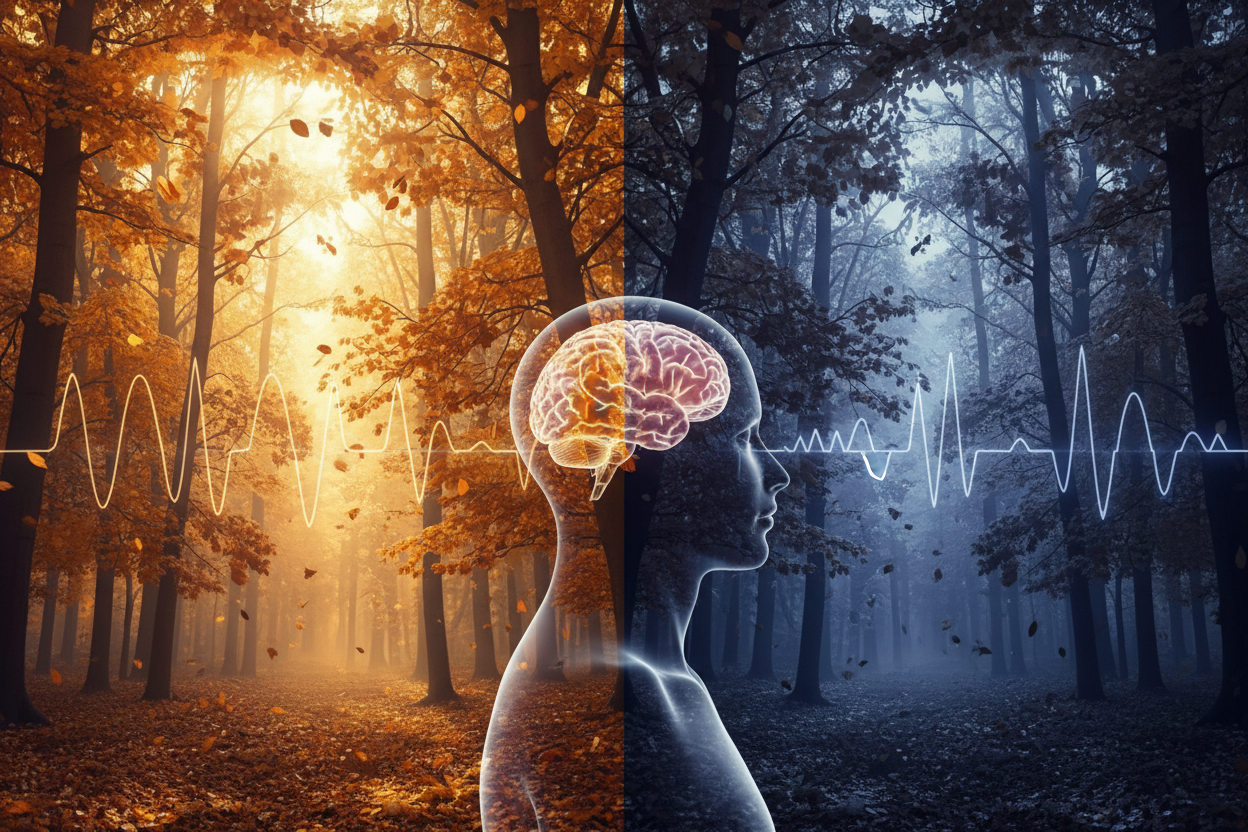
There are five primary types of brainwaves, each associated with different states of consciousness and mental activities. Delta waves (0.5-4 Hz) dominate during deep sleep and healing processes. Theta waves (4-8 Hz) appear during light sleep, meditation, and creative states. Alpha waves (8-13 Hz) emerge when we’re relaxed but alert, often called the “calm focus” state.
Beta waves (13-30 Hz) characterize our normal waking consciousness, problem-solving, and active thinking. Finally, gamma waves (30-100 Hz) are associated with high-level cognitive processing and moments of insight. Throughout a typical day, our brains naturally cycle through these different wave patterns, creating a complex symphony of electrical activity that supports our mental and emotional functioning.
When these natural patterns become disrupted – as often happens with seasonal changes – we may experience the symptoms associated with SAD. Understanding this connection helps explain why seasonal depression isn’t simply a matter of “feeling down” but involves real, measurable changes in brain function.
How Seasonal Changes Affect Your Brain
The human brain has evolved over millions of years to respond to natural light cycles, and this ancient programming still influences our modern lives in profound ways. As days grow shorter and natural light becomes scarce, several key changes occur in our brain’s electrical activity and neurochemical balance.
Light exposure directly influences our circadian rhythms – the internal biological clocks that regulate sleep-wake cycles, hormone production, and numerous other physiological processes. When we receive less natural light, particularly the bright, full-spectrum light of morning and midday sun, our brains may struggle to maintain optimal brainwave patterns.
Research shows that reduced light exposure can lead to increased slow-wave activity, particularly in the theta and delta ranges, during times when our brains should be producing more alert beta and gamma waves. This shift can manifest as the fatigue, mental fog, and sluggishness that many people experience during winter months.
Additionally, seasonal light changes affect the production of crucial neurotransmitters like serotonin and dopamine, which help regulate mood, motivation, and cognitive function. When these chemical messengers become imbalanced, they can further disrupt normal brainwave patterns, creating a cycle that perpetuates SAD symptoms.
The Science Behind Brainwaves and SAD
Recent neurological research has revealed fascinating insights into how brainwave patterns change in people experiencing seasonal affective disorder. Studies using advanced EEG technology show that individuals with SAD often exhibit distinct alterations in their brain’s electrical activity compared to those who don’t experience seasonal depression.
One significant finding involves the disruption of normal alpha wave activity, which typically helps us maintain a calm, focused state during waking hours. People with SAD frequently show reduced alpha wave production, particularly in the frontal regions of the brain responsible for executive function and emotional regulation. This reduction can contribute to the difficulty concentrating and decision-making that characterizes seasonal depression.
Researchers have also observed changes in the brain’s gamma wave activity among SAD sufferers. Gamma waves, associated with higher-order thinking and emotional processing, often show decreased coherence – meaning different brain regions aren’t communicating as effectively as they should. This disruption may help explain the emotional numbness and cognitive difficulties that many people experience during depressive episodes.
Perhaps most intriguingly, studies have found that the brain’s natural transition between different wave states becomes less fluid in people with SAD. Instead of smoothly shifting from one brainwave pattern to another as circumstances require, the brain may become “stuck” in less optimal patterns, contributing to the persistent symptoms that define seasonal depression.
Recognizing the Signs of Altered Brainwave Activity
Understanding how disrupted brainwave patterns manifest in daily life can help you recognize when seasonal changes might be affecting your mental well-being. While you can’t directly observe your brainwaves without specialized equipment, certain symptoms often indicate that your brain’s electrical activity may be out of balance.
Mental fog and difficulty concentrating are among the most common signs of altered brainwave patterns. You might find yourself reading the same paragraph multiple times, struggling to follow conversations, or feeling like your thoughts are moving through molasses. These experiences often reflect disrupted beta and gamma wave activity in regions responsible for focused attention and information processing.
Sleep disturbances frequently accompany brainwave disruptions associated with SAD. You might experience difficulty falling asleep, staying asleep, or feeling rested upon waking. These issues often stem from irregular delta and theta wave patterns that should naturally dominate during different sleep stages.
Emotional regulation challenges represent another key indicator of brainwave imbalances. You may notice increased irritability, mood swings, or a general sense of emotional flatness. These symptoms often correlate with disrupted alpha wave activity in brain regions responsible for emotional processing and self-regulation.
Physical symptoms like persistent fatigue, changes in appetite, and decreased motivation can also signal brainwave disruptions. When your brain’s electrical patterns aren’t functioning optimally, it can affect everything from energy levels to the drive to engage in previously enjoyable activities.
Natural Ways to Support Healthy Brainwave Patterns
Fortunately, there are numerous natural strategies you can employ to support healthy brainwave patterns and potentially reduce SAD symptoms. Light therapy stands as one of the most evidence-based approaches, directly addressing the root cause of many seasonal brainwave disruptions.
Using a light therapy box that provides 10,000 lux of full-spectrum light for 20-30 minutes each morning can help reset your circadian rhythms and encourage more optimal brainwave patterns. The key is consistency – daily exposure at the same time each morning works best for most people. Even on cloudy days, spending time outdoors during peak daylight hours can provide beneficial light exposure.
Regular exercise serves as another powerful tool for supporting healthy brainwave activity. Physical activity naturally promotes the production of gamma and beta waves associated with alertness and positive mood. Even moderate exercise like a 20-minute walk can shift your brain from sluggish slow-wave patterns to more energetic, focused states.
Meditation and mindfulness practices offer targeted ways to influence brainwave patterns. Regular meditation has been shown to increase alpha wave production, promoting the calm, focused state that many people with SAD struggle to achieve. Even brief daily meditation sessions can help train your brain to access more balanced electrical patterns.
Maintaining consistent sleep schedules supports natural brainwave cycling throughout the day and night. Going to bed and waking up at the same times, even on weekends, helps your brain maintain the regular wave pattern transitions that support both mental clarity and emotional stability.
Professional Treatment Options
While natural approaches can be highly effective, some individuals may benefit from professional treatment options that more directly address brainwave patterns and seasonal depression. Neurofeedback therapy represents an emerging treatment that allows people to observe and learn to modify their brainwave patterns in real-time.
During neurofeedback sessions, sensors placed on your scalp monitor your brain’s electrical activity, providing immediate feedback through visual or auditory cues. Over time, this training can help you learn to produce more optimal brainwave patterns, potentially reducing SAD symptoms and improving overall mental functioning.
Traditional light therapy, when properly supervised by healthcare professionals, can be more precisely calibrated to your individual needs. Medical-grade light therapy devices and professionally guided treatment protocols often prove more effective than self-directed approaches, particularly for severe cases of seasonal depression.
Some healthcare providers may recommend combining light therapy with other treatments like cognitive-behavioral therapy (CBT) or, in certain cases, medication. These comprehensive approaches can address both the neurological and psychological aspects of seasonal affective disorder, providing more complete symptom relief.
Transcranial stimulation techniques, including transcranial direct current stimulation (tDCS) and transcranial magnetic stimulation (TMS), represent newer treatment options that directly influence brain activity. While still being researched for SAD specifically, these treatments show promise for modifying brainwave patterns and alleviating depressive symptoms.
Creating Your Winter Wellness Plan
Developing a proactive approach to winter wellness can help you maintain healthier brainwave patterns and reduce the likelihood of experiencing severe SAD symptoms. Start by identifying your personal risk factors and early warning signs, such as particular times of year when you typically begin feeling symptoms or specific situations that seem to trigger mood changes.
Build a daily routine that supports optimal brainwave function throughout the darker months. This might include morning light exposure, regular exercise, consistent sleep schedules, and stress management practices. The key is starting these practices before symptoms typically appear, rather than waiting until you’re already struggling.
Consider tracking your mood, energy levels, and sleep patterns using a simple journal or smartphone app. This data can help you identify patterns and adjust your wellness strategies accordingly. You might notice that certain activities or environmental factors particularly influence your mental state during winter months.
Don’t hesitate to seek professional support if self-directed approaches aren’t providing adequate relief. Many people find that a combination of natural strategies and professional treatment offers the most comprehensive approach to managing seasonal depression and supporting healthy brainwave patterns.
Remember that managing SAD is often an ongoing process rather than a one-time fix. Be patient with yourself as you discover what works best for your unique brain and circumstances, and remain open to adjusting your approach as needed.
Conclusion
The connection between brainwaves and seasonal affective disorder reveals the sophisticated ways our brains respond to environmental changes, particularly the reduced light exposure that characterizes winter months. Understanding this relationship empowers us to take proactive steps in supporting our mental well-being during challenging seasons.
From the disrupted alpha waves that contribute to concentration difficulties to the altered gamma wave patterns that affect emotional processing, seasonal depression involves real, measurable changes in brain function. This knowledge helps validate the experiences of those who struggle with winter blues while pointing toward effective intervention strategies.
Whether through natural approaches like light therapy and exercise or professional treatments like neurofeedback and medical supervision, numerous options exist for supporting healthier brainwave patterns during the darker months. The key lies in finding the combination of strategies that works best for your individual needs and circumstances.
As we continue to learn more about the brain’s electrical patterns and their relationship to seasonal mood changes, new treatment options and understanding will undoubtedly emerge. In the meantime, recognizing the legitimate neurological basis of seasonal affective disorder can help reduce stigma and encourage more people to seek the support they need to thrive throughout the year.
Frequently Asked Questions
Can brainwave patterns really change with the seasons?
Yes, research shows that brainwave patterns can indeed change with seasonal variations, particularly in response to reduced light exposure. Studies using EEG technology have documented specific alterations in alpha, beta, and gamma wave activity among people experiencing seasonal affective disorder.
How quickly can light therapy affect brainwave patterns?
Some people notice improvements in mood and energy within a few days of starting light therapy, though optimal brainwave changes typically develop over 2-4 weeks of consistent use. The timing can vary significantly between individuals based on factors like severity of symptoms and consistency of treatment.
Are certain people more susceptible to seasonal brainwave changes?
Yes, several factors can increase susceptibility to seasonal brainwave disruptions, including genetic predisposition, living at higher latitudes with more extreme seasonal light changes, having a history of depression, and certain lifestyle factors like irregular sleep schedules or limited outdoor activity.
Can meditation really influence brainwave patterns related to SAD?
Research demonstrates that regular meditation practice can indeed influence brainwave patterns, particularly increasing alpha wave activity associated with calm focus. While meditation alone may not resolve severe SAD, it can be a valuable component of a comprehensive treatment approach.
Is it possible to measure your own brainwaves at home?
Consumer-grade EEG devices are available that can provide basic brainwave measurements, though they’re generally less precise than clinical equipment. However, you don’t need to measure brainwaves directly to benefit from strategies that support healthy brain electrical activity.
How do I know if my winter blues are severe enough to seek professional help?
Consider seeking professional help if seasonal symptoms significantly interfere with your daily functioning, persist despite self-help strategies, include thoughts of self-harm, or if you have a history of depression. A healthcare provider can help determine whether you might benefit from professional treatment options.