
The Connection Between Brainwaves and Digestive Health: How Your Mind Influences Your Gut
Table of Contents
1. Introduction: The Mind-Gut Connection
2. Understanding Brainwaves: The Electrical Patterns of Your Mind
3. The Gut-Brain Axis: A Two-Way Communication Highway
4. How Different Brainwave States Affect Digestion
5. The Role of Stress and Anxiety in Digestive Health
6. Meditation and Mindfulness: Optimizing Brainwaves for Better Digestion
7. Practical Strategies to Improve Both Brainwave Patterns and Digestive Health
8. The Science Behind Brainwave Entrainment and Gut Health
9. Conclusion: Harmonizing Your Mind and Gut for Optimal Health
10. Frequently Asked Questions
Introduction: The Mind-Gut Connection
Have you ever noticed how your stomach churns when you’re anxious about a big presentation? Or how you lose your appetite when you’re stressed? These aren’t just coincidences – they’re manifestations of a profound connection between your brain and your digestive system that scientists are only beginning to fully understand.
The relationship between brainwaves and digestive health represents one of the most fascinating areas of modern neuroscience and gastroenterology. Your brain’s electrical activity, measured as brainwaves, doesn’t just control your thoughts and emotions – it directly influences how well your digestive system functions. This intricate dance between mind and gut affects everything from nutrient absorption to immune function, making it crucial for overall health and wellbeing.
In this comprehensive exploration, we’ll dive deep into how your brainwave patterns can make or break your digestive health, and more importantly, what you can do about it.
Understanding Brainwaves: The Electrical Patterns of Your Mind
Before we explore how brainwaves affect digestion, let’s understand what brainwaves actually are. Your brain is essentially a sophisticated electrical network, with billions of neurons communicating through electrical impulses. These collective electrical patterns create what we call brainwaves, which can be measured using electroencephalography (EEG).
Scientists have identified five primary types of brainwaves, each associated with different states of consciousness and physiological functions:
Delta waves (0.5-4 Hz) dominate during deep, restorative sleep. This is when your body performs crucial repair and regeneration functions, including digestive system maintenance.
Theta waves (4-8 Hz) occur during light sleep, deep meditation, and creative states. These waves are associated with reduced stress and enhanced healing processes.
Alpha waves (8-12 Hz) emerge during relaxed, calm states when you’re awake but not actively focused. This is often considered the optimal state for healthy digestion.
Beta waves (12-30 Hz) characterize normal waking consciousness and active thinking. While necessary for daily functioning, excessive beta activity can trigger stress responses that negatively impact digestion.
Gamma waves (30-100 Hz) are associated with heightened awareness and intense focus, but chronic elevation can contribute to anxiety and digestive distress.
The Gut-Brain Axis: A Two-Way Communication Highway
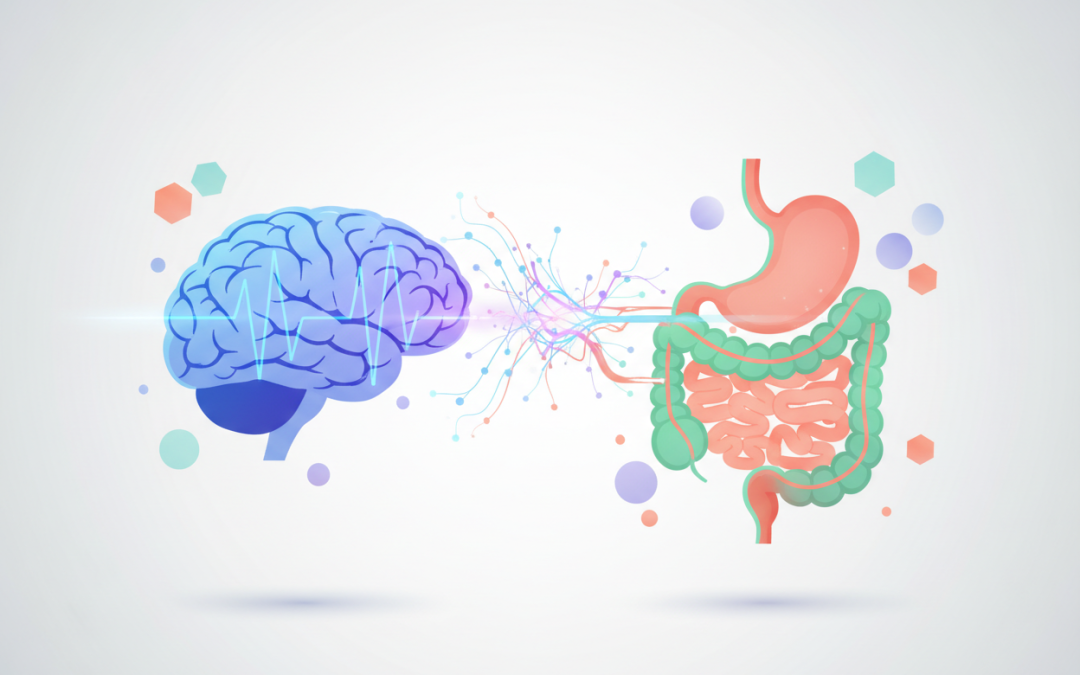
The gut-brain axis represents one of the most sophisticated communication networks in your body. This bidirectional pathway connects your central nervous system with your enteric nervous system – often called the “second brain” – which governs your digestive tract.
Your gut contains over 500 million neurons, more than your spinal cord. These neurons don’t just control digestion; they’re in constant communication with your brain through multiple pathways including the vagus nerve, hormonal signals, and immune system mediators.
When your brainwaves shift into stress-associated patterns (excessive beta or gamma), this information travels down to your gut, triggering a cascade of physiological changes. Your digestive system responds by altering blood flow, enzyme production, gut motility, and even the composition of your gut microbiome.
Conversely, the state of your digestive system sends signals back to your brain, influencing your mood, cognitive function, and yes – your brainwave patterns. This explains why digestive issues often coincide with anxiety, depression, or cognitive difficulties.
How Different Brainwave States Affect Digestion
Each brainwave state creates a unique physiological environment that either supports or hinders optimal digestion. Understanding these relationships empowers you to consciously influence your digestive health through brainwave regulation.
Alpha State: The Digestive Sweet Spot
Alpha brainwaves create the ideal conditions for healthy digestion. In this relaxed yet alert state, your parasympathetic nervous system – responsible for “rest and digest” functions – takes the lead. Blood flow increases to digestive organs, enzyme production optimizes, and gut motility follows healthy patterns.
Many people notice they digest food better when eating in calm, pleasant environments. This isn’t just psychological – it’s your alpha brainwaves creating the perfect digestive climate.
Beta Dominance: When Stress Disrupts Digestion
Chronic beta wave dominance, especially high-beta patterns associated with stress and anxiety, wreaks havoc on digestive function. The sympathetic nervous system activates, diverting blood away from digestive organs toward muscles and the brain. This “fight or flight” response makes sense in genuine emergencies but becomes problematic when triggered by everyday stressors.
Under chronic stress, your body produces less digestive enzymes, reduces gut motility, and increases intestinal permeability – often called “leaky gut syndrome.” The gut microbiome also shifts toward inflammatory species, further compromising digestive health.
Theta and Delta: Repair and Restoration
Theta and delta brainwaves, primarily occurring during meditation and sleep, facilitate digestive system repair and regeneration. During deep sleep (delta-dominant states), your body produces growth hormone, repairs intestinal lining, and rebalances gut bacteria populations.
Poor sleep quality, characterized by insufficient delta wave activity, correlates strongly with digestive disorders including irritable bowel syndrome (IBS), inflammatory bowel disease (IBD), and gastroesophageal reflux disease (GERD).
The Role of Stress and Anxiety in Digestive Health
Chronic stress represents one of the most significant threats to digestive health in modern society. When your brain gets stuck in high-beta or gamma states due to ongoing stressors, it creates a perfect storm of digestive dysfunction.
Stress hormones like cortisol and adrenaline directly impact digestive function by reducing gastric acid production, slowing gut motility, and increasing intestinal inflammation. Over time, this leads to symptoms like bloating, constipation, diarrhea, heartburn, and food sensitivities.
Perhaps most concerning is how chronic stress alters the gut microbiome. Research shows that stressed individuals have less diverse gut bacteria and higher populations of potentially harmful species. Since gut bacteria influence neurotransmitter production – including serotonin, which affects both mood and digestion – this creates a vicious cycle of worsening mental and digestive health.
Breaking this cycle requires addressing both the psychological and physiological aspects of stress, with brainwave optimization playing a crucial role in the healing process.
Meditation and Mindfulness: Optimizing Brainwaves for Better Digestion
Meditation and mindfulness practices offer powerful tools for optimizing brainwave patterns and improving digestive health. Regular meditation practice increases alpha wave activity while reducing excessive beta and gamma patterns associated with stress and anxiety.
Studies demonstrate that just eight weeks of mindfulness meditation can significantly improve digestive symptoms in people with IBS. The mechanism involves shifting brainwave patterns toward more balanced states, which in turn optimizes gut-brain communication.
Different meditation techniques produce distinct brainwave patterns. Mindfulness meditation typically increases alpha waves, while deeper practices like transcendental meditation can access theta states. Both contribute to digestive health, but through slightly different pathways.
Mindful eating represents a particularly relevant application. When you eat while in an alpha-dominant state – present, relaxed, and focused on the sensory experience of food – your digestive system functions optimally. This explains why rushed, distracted eating often leads to digestive discomfort.
Practical Strategies to Improve Both Brainwave Patterns and Digestive Health
Transforming your digestive health through brainwave optimization doesn’t require expensive equipment or years of meditation training. Simple, evidence-based strategies can create meaningful improvements in both areas.
Breathing Techniques for Instant Alpha Activation
Slow, deep breathing naturally shifts your brainwaves toward alpha states while activating the parasympathetic nervous system. Try the 4-7-8 technique: inhale for 4 counts, hold for 7, exhale for 8. Practice this before meals to optimize digestive function.
Progressive Muscle Relaxation
This technique involves systematically tensing and relaxing muscle groups throughout your body. It effectively reduces beta wave dominance while promoting alpha states, creating ideal conditions for healthy digestion.
Nature Exposure and Grounding
Spending time in nature naturally promotes alpha brainwave activity while reducing stress hormones. Even brief exposure to natural environments can improve both mood and digestive function.
Regular Sleep Hygiene
Prioritizing quality sleep ensures adequate delta wave activity for digestive system repair. Maintain consistent sleep schedules, create a dark sleeping environment, and avoid screens before bedtime to optimize sleep-related brainwave patterns.
Biofeedback and Neurofeedback
These technologies allow real-time monitoring of brainwave patterns, enabling you to consciously shift toward more beneficial states. Many people find biofeedback particularly helpful for learning to access alpha states on demand.
The Science Behind Brainwave Entrainment and Gut Health
Brainwave entrainment – the process of synchronizing brainwaves to external rhythmic stimuli – offers another avenue for improving digestive health. This can be achieved through various methods including binaural beats, light therapy, and rhythmic breathing.
Research indicates that alpha wave entrainment (typically around 10 Hz) can improve digestive symptoms by promoting parasympathetic activation. Some studies suggest that regular brainwave entrainment sessions can even help rebalance gut microbiome composition.
The vagus nerve appears to play a crucial role in this process. This major pathway between brain and gut responds to brainwave patterns, with alpha states promoting increased vagal tone – associated with better digestion, reduced inflammation, and improved mood.
Emerging research also explores how specific frequencies might target different aspects of digestive health. For example, certain theta frequencies may enhance gut barrier function, while specific alpha frequencies might optimize enzyme production.
Conclusion: Harmonizing Your Mind and Gut for Optimal Health
The connection between brainwaves and digestive health reveals the profound interconnectedness of mind and body. Your thoughts, emotions, and mental states don’t just exist in isolation – they create real, measurable changes in your digestive system that impact your overall health and quality of life.
Understanding this connection empowers you to take a more holistic approach to digestive health. Rather than simply treating symptoms, you can address root causes by optimizing your brainwave patterns through meditation, stress management, and lifestyle modifications.
The journey toward better digestive health through brainwave optimization is deeply personal. What works for one person may need adjustment for another. The key is developing awareness of your own patterns and experimenting with different techniques to find what resonates with your unique physiology.
As research in this field continues to evolve, we’re likely to discover even more sophisticated ways to harness the mind-gut connection for healing. For now, the simple act of bringing conscious awareness to both your mental states and digestive experiences represents a powerful first step toward optimal health.
Remember, your brain and gut are partners in health, constantly communicating and influencing each other. By nurturing this relationship through mindful practices and brainwave optimization, you’re investing in not just better digestion, but enhanced overall wellbeing that radiates throughout every aspect of your life.
Frequently Asked Questions
Can changing my brainwave patterns really improve my digestive symptoms?
Yes, research consistently shows that optimizing brainwave patterns through meditation, stress reduction, and relaxation techniques can significantly improve digestive symptoms. The gut-brain axis means that changes in brain activity directly influence digestive function.
How long does it take to see improvements in digestion through brainwave work?
Some people notice immediate improvements when they eat in relaxed, alpha-dominant states. However, lasting changes typically require consistent practice over 4-8 weeks. Chronic digestive issues may take longer to resolve as the gut-brain axis rebalances.
Are there specific brainwave frequencies that are best for digestive health?
Alpha frequencies (8-12 Hz) are generally considered optimal for digestive function, as they promote parasympathetic nervous system activation. However, balanced brainwave activity across all frequencies is ideal for overall health.
Can stress really cause physical digestive problems?
Absolutely. Chronic stress alters gut motility, reduces enzyme production, increases intestinal permeability, and changes gut bacteria composition. These aren’t just “in your head” – they’re real physiological changes that can cause significant digestive symptoms.
What’s the easiest way to start optimizing my brainwaves for better digestion?
Start with simple breathing exercises before meals. Slow, deep breathing naturally promotes alpha brainwave activity and activates the parasympathetic nervous system, creating optimal conditions for digestion. Even 2-3 minutes can make a noticeable difference.
Is there a connection between gut bacteria and brainwaves?
Yes, gut bacteria produce neurotransmitters and other compounds that influence brain activity and brainwave patterns. Conversely, brainwave states affect gut bacteria composition through the gut-brain axis. This creates a bidirectional relationship between mental states and microbiome health.