
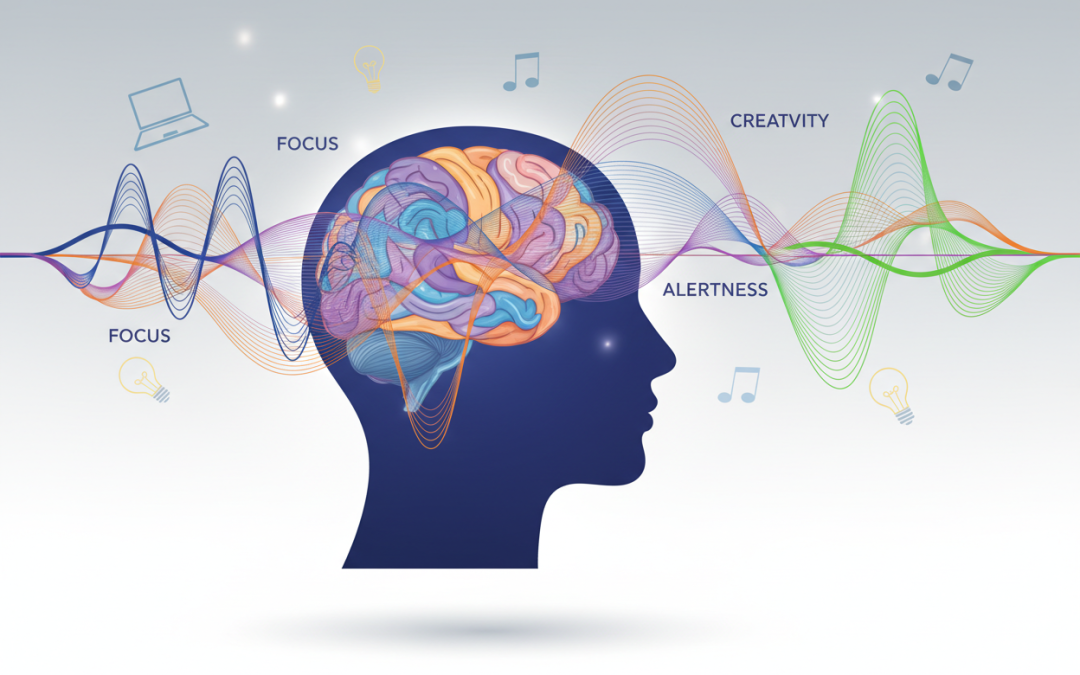
The Best Brainwave Frequencies for Different Types of Work: Unlock Your Mental Performance
Table of Contents
1. Understanding Brainwave Frequencies
2. Delta Waves (0.5-4 Hz): Deep Rest and Recovery
3. Theta Waves (4-8 Hz): Creative Flow and Intuition
4. Alpha Waves (8-13 Hz): Relaxed Focus and Learning
5. Beta Waves (13-30 Hz): Active Concentration and Problem-Solving
6. Gamma Waves (30-100 Hz): Peak Performance and Insight
7. How to Use Brainwave Entrainment for Work
8. Practical Applications for Different Work Types
9. Tips for Getting Started
10. Frequently Asked Questions
Introduction
Have you ever wondered why some days your brain feels like a well-oiled machine while others leave you struggling to focus on even the simplest tasks? The answer might lie in understanding your brainwave frequencies and how they affect your cognitive performance.
Your brain operates on electrical impulses that create measurable wave patterns, each associated with different mental states and capabilities. By learning about these brainwave frequencies and how to influence them, you can potentially optimize your mental performance for specific types of work.
Whether you’re a creative professional seeking inspiration, a student preparing for exams, or an executive making critical decisions, understanding brainwave frequencies could be the key to unlocking your full cognitive potential. Let’s explore how different brainwave states can enhance your work performance and productivity.
Understanding Brainwave Frequencies
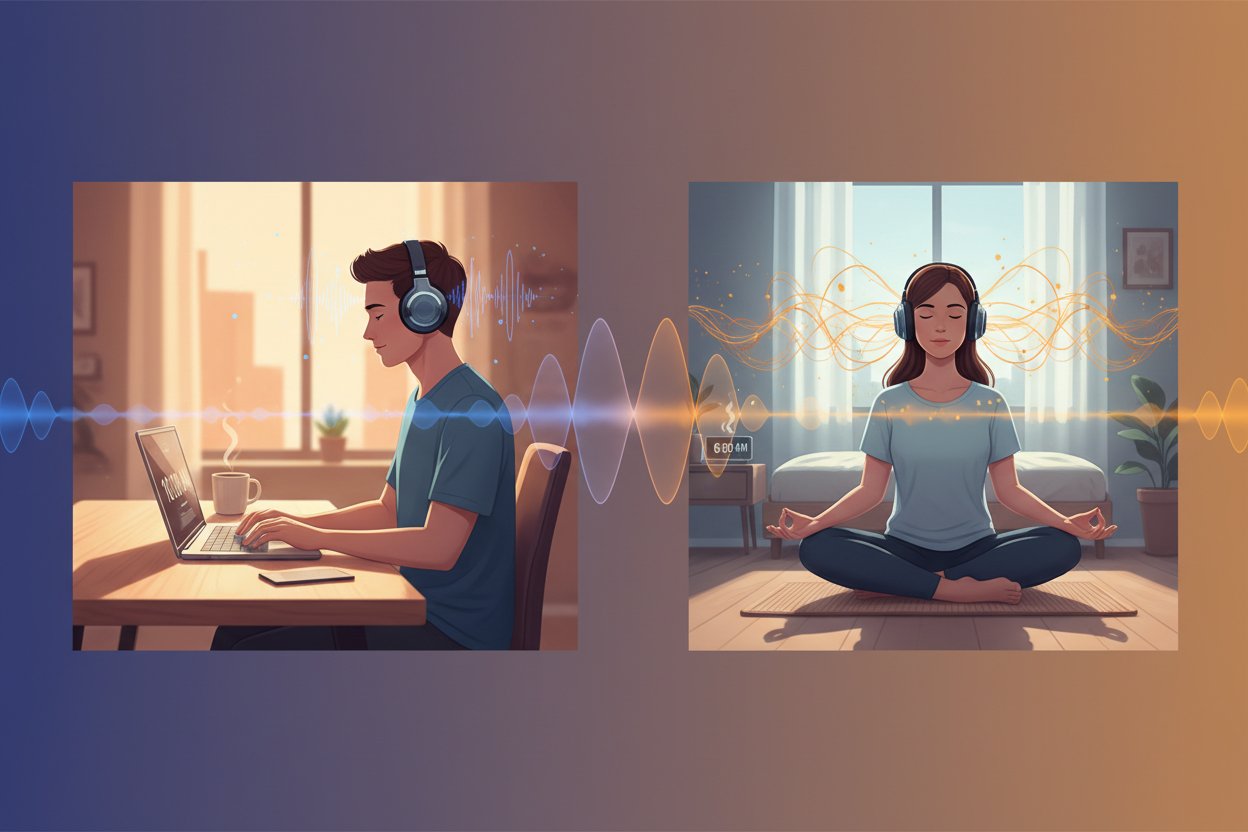
Before diving into specific applications, it’s essential to understand what brainwaves are and how they function. Brainwaves are electrical impulses generated by neurons communicating with each other. These patterns can be measured using electroencephalography (EEG) and are categorized into five main frequency ranges.
Each frequency range corresponds to different mental states, from deep sleep to heightened awareness. While your brain produces all types of brainwaves simultaneously, one frequency typically dominates depending on your current activity and mental state.
The fascinating aspect of brainwave research is that these frequencies aren’t fixed. Through various techniques like meditation, binaural beats, or specific activities, you can influence which brainwave frequency becomes dominant, potentially enhancing your performance in different types of work.
Delta Waves (0.5-4 Hz): Deep Rest and Recovery
Delta waves represent the slowest brainwave frequency and are primarily associated with deep, dreamless sleep. While you might not think of sleep as “work,” delta waves play a crucial role in cognitive performance by facilitating memory consolidation and brain restoration.
During delta wave dominance, your brain undergoes essential maintenance processes. It clears metabolic waste, strengthens neural connections formed during the day, and consolidates memories from short-term to long-term storage. This makes adequate delta wave activity crucial for anyone engaged in learning-intensive work.
For knowledge workers, ensuring sufficient delta wave activity through quality sleep directly impacts next-day performance. Research shows that people who experience healthy delta wave patterns during sleep demonstrate better problem-solving abilities, enhanced creativity, and improved memory recall the following day.
If your work involves continuous learning, complex problem-solving, or creative thinking, prioritizing delta wave activity through proper sleep hygiene becomes a strategic advantage rather than just a health necessity.
Theta Waves (4-8 Hz): Creative Flow and Intuition
Theta waves occupy a unique space in the brainwave spectrum, often called the gateway to creativity and intuition. This frequency range is naturally dominant during light sleep, deep meditation, and those magical moments when creative insights seem to appear from nowhere.
Many artists, writers, and innovators report their best ideas emerging during theta-dominant states. This isn’t coincidence – theta waves facilitate access to the subconscious mind, where creative connections and novel solutions often reside. The brain becomes less analytical and more receptive to intuitive insights during theta states.
For creative professionals, theta waves can be particularly valuable during brainstorming sessions, artistic creation, or when facing creative blocks. The relaxed yet focused mental state associated with theta waves allows for free-flowing ideation without the critical judgment that often inhibits creativity.
Interestingly, theta waves also enhance learning capacity, particularly for absorbing new information without conscious effort. This makes theta states valuable for professionals who need to stay updated with rapidly changing information in their fields.
Alpha Waves (8-13 Hz): Relaxed Focus and Learning
Alpha waves represent the sweet spot between relaxation and alertness, creating an ideal mental state for learning and light focus work. When alpha waves dominate, you experience calm alertness – awake and aware but not stressed or overly stimulated.
This brainwave frequency is particularly beneficial for tasks requiring sustained attention without intense concentration. Reading, studying, light research, and routine administrative work often benefit from alpha wave dominance. The relaxed nature of alpha states reduces mental fatigue while maintaining adequate focus.
Students and lifelong learners find alpha waves especially valuable because this frequency enhances the brain’s ability to absorb and retain information. The relaxed alertness characteristic of alpha states creates optimal conditions for encoding new memories without the stress that can interfere with learning.
Alpha waves also facilitate better communication and social interaction. If your work involves meetings, presentations, or collaborative activities, cultivating alpha wave states can help you remain calm, articulate, and receptive to others’ ideas.
Beta Waves (13-30 Hz): Active Concentration and Problem-Solving
Beta waves represent your brain’s “get things done” frequency. This range encompasses normal waking consciousness and active concentration, making it essential for most traditional work activities. However, beta waves exist in different sub-ranges, each serving specific cognitive functions.
Low beta waves (13-17 Hz) support relaxed yet focused attention, perfect for tasks requiring sustained concentration without intense mental effort. This frequency works well for routine work, data entry, or following established procedures.
Mid-range beta waves (17-23 Hz) facilitate active problem-solving and analytical thinking. When facing complex challenges, making decisions, or engaging in detailed analysis, this frequency range provides the mental sharpness needed for effective performance.
High beta waves (23-30 Hz) generate intense focus and heightened alertness. While useful for demanding cognitive tasks, prolonged high beta activity can lead to stress and mental fatigue. This frequency is best used strategically for short periods requiring maximum concentration.
Understanding these beta sub-ranges helps you match your mental state to specific work demands, optimizing performance while avoiding unnecessary stress.
Gamma Waves (30-100 Hz): Peak Performance and Insight
Gamma waves represent the highest frequency brainwaves and are associated with peak mental performance, heightened awareness, and breakthrough insights. Often called the “genius frequency,” gamma waves occur during moments of intense focus, creative breakthroughs, and profound understanding.
Research suggests that gamma waves facilitate binding – the process by which different brain regions synchronize to create unified conscious experiences. This makes gamma activity crucial for complex cognitive tasks requiring integration of multiple information sources.
Experienced meditators, high-performing athletes, and individuals in flow states often exhibit increased gamma wave activity. For work applications, gamma waves can enhance performance during challenging projects requiring peak cognitive function, such as complex problem-solving, strategic planning, or innovative thinking.
However, gamma waves are typically brief and intense. Unlike other brainwave frequencies that can be sustained for extended periods, gamma bursts usually last only seconds to minutes. The key is learning to recognize and cultivate conditions that promote these peak performance moments.
How to Use Brainwave Entrainment for Work
Understanding brainwave frequencies is only valuable if you can influence them to enhance your work performance. Brainwave entrainment – the process of synchronizing your brainwaves to external stimuli – offers practical methods for achieving desired mental states.
Binaural beats represent one of the most accessible entrainment methods. By playing slightly different frequencies in each ear, your brain naturally synchronizes to the difference between the two tones. For example, playing 200 Hz in one ear and 210 Hz in the other creates a 10 Hz alpha wave entrainment effect.
Meditation and mindfulness practices naturally influence brainwave patterns. Regular meditation increases alpha and theta wave production while reducing excessive beta activity. Even brief meditation sessions before work can help establish optimal brainwave states for upcoming tasks.
Environmental factors also impact brainwave activity. Natural lighting, comfortable temperatures, and minimal distractions support healthy brainwave patterns, while harsh lighting and noise pollution can disrupt optimal frequencies.
Practical Applications for Different Work Types
Different professions and work types benefit from specific brainwave frequencies. Understanding these connections helps you optimize your mental state for maximum effectiveness.
Creative professionals – including writers, designers, and artists – often benefit from theta and alpha wave states. These frequencies facilitate access to creative insights while maintaining enough focus to translate ideas into tangible work. Starting creative sessions with theta-inducing activities like meditation or relaxing music can enhance creative output.
Analytical professionals such as engineers, accountants, and researchers typically perform best in beta wave states. The active concentration associated with beta waves supports detailed analysis, logical reasoning, and systematic problem-solving required in these fields.
Leaders and executives benefit from flexibility across multiple brainwave frequencies. Strategic thinking might require gamma wave insights, while team meetings benefit from alpha wave calm alertness. Developing the ability to shift between appropriate frequencies becomes a valuable leadership skill.
Students and learners need different frequencies for different activities. Alpha waves support information absorption during lectures or reading, while beta waves help during exam preparation and active studying. Understanding when to cultivate each frequency can significantly improve learning outcomes.
Tips for Getting Started
Beginning your brainwave optimization journey doesn’t require expensive equipment or extensive training. Start with simple techniques and gradually develop more sophisticated approaches as you gain experience.
Begin by observing your natural brainwave patterns throughout the day. Notice when you feel most creative, focused, or alert. This awareness helps you identify your optimal times for different types of work and provides baseline understanding of your natural rhythms.
Experiment with binaural beats during different work activities. Many free applications and websites offer brainwave entrainment audio. Start with 15-20 minute sessions and observe how different frequencies affect your performance and mood.
Develop a consistent meditation practice, even if only for 5-10 minutes daily. Meditation naturally balances brainwave activity and increases your ability to consciously influence your mental state. Regular practice makes it easier to achieve desired frequencies when needed.
Create environmental conditions that support optimal brainwave activity. This includes managing lighting, reducing distractions, maintaining comfortable temperatures, and establishing work spaces that promote your desired mental state.
Conclusion
Understanding and optimizing brainwave frequencies offers a powerful approach to enhancing work performance across various professions and tasks. By matching your mental state to specific work demands, you can improve focus, creativity, problem-solving ability, and overall cognitive performance.
The key lies in recognizing that different types of work benefit from different brainwave frequencies. Creative tasks thrive in theta and alpha states, analytical work requires beta wave focus, and peak performance moments emerge from gamma wave activity. Delta waves, while associated with sleep, play a crucial role in maintaining cognitive function through proper rest and recovery.
Starting your brainwave optimization journey requires patience and experimentation. Begin with simple techniques like meditation and binaural beats, then gradually develop more sophisticated approaches as you gain experience. Remember that consistency matters more than intensity – regular practice with brainwave entrainment techniques yields better results than occasional intensive sessions.
As you develop greater awareness and control over your brainwave states, you’ll likely discover improved work performance, reduced mental fatigue, and enhanced ability to tackle challenging tasks. The science of brainwave optimization continues evolving, offering exciting possibilities for anyone seeking to unlock their full cognitive potential in professional settings.
Frequently Asked Questions
Q: How long does it take to see results from brainwave entrainment?
A: Most people notice immediate effects during entrainment sessions, such as increased relaxation or focus. However, lasting improvements in cognitive performance typically develop over 2-4 weeks of consistent practice.
Q: Are binaural beats safe for everyone?
A: Binaural beats are generally safe for healthy individuals. However, people with epilepsy, seizure disorders, or certain mental health conditions should consult healthcare providers before using brainwave entrainment techniques.
Q: Can I use brainwave entrainment while working, or should I use it before work?
A: Both approaches work effectively. You can use entrainment audio as background during appropriate tasks or use brief sessions before work to establish desired mental states. Experiment to find what works best for your specific work environment and tasks.
Q: Do I need expensive equipment to benefit from brainwave optimization?
A: No, you can start with free meditation apps, binaural beat recordings, and basic mindfulness techniques. While specialized equipment exists, simple methods often provide significant benefits for beginners.
Q: How do I know which brainwave frequency is best for my specific work?
A: Start by experimenting with different frequencies during various work tasks and noting the effects on your performance and mood. Creative work typically benefits from theta and alpha waves, analytical tasks from beta waves, and breakthrough thinking from gamma wave cultivation.