
How to Use Brainwave Entrainment for Anger Management: A Natural Path to Inner Calm
Table of Contents
1. What is Brainwave Entrainment?
2. The Science Behind Anger and Brain Waves
3. How Brainwave Entrainment Helps Control Anger
4. Types of Brainwave Entrainment for Anger Management
5. Getting Started: Your First Brainwave Entrainment Session
6. Best Practices and Safety Considerations
7. Combining Brainwave Entrainment with Other Techniques
8. Long-term Benefits and Expectations
9. Frequently Asked Questions
Anger is a natural human emotion, but when it becomes overwhelming or uncontrollable, it can wreak havoc on our relationships, career, and overall well-being. I’ve personally witnessed how unchecked anger can transform even the most composed individuals into versions of themselves they barely recognize. The good news? There’s a fascinating, science-backed approach that’s gaining recognition in the wellness community: brainwave entrainment for anger management.
This innovative technique harnesses the power of sound frequencies to literally retrain your brain’s response to anger-triggering situations. Unlike traditional anger management methods that rely solely on conscious effort and willpower, brainwave entrainment works at a neurological level, creating lasting changes in how your brain processes and responds to stress and frustration.
What is Brainwave Entrainment?
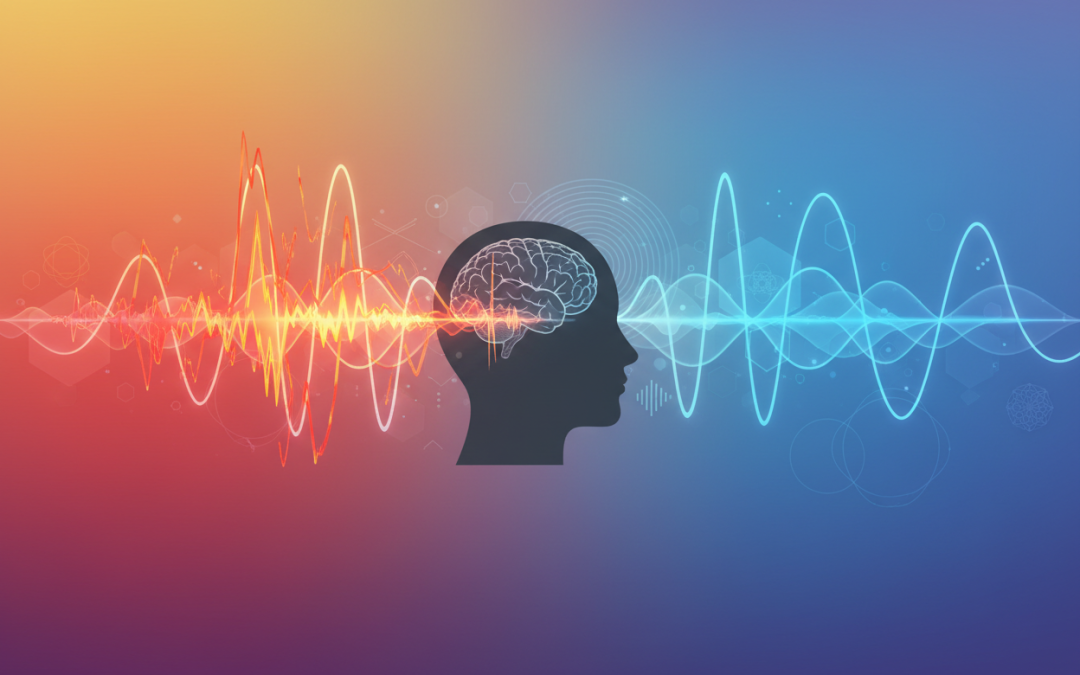
Brainwave entrainment is a neurological phenomenon where your brain naturally synchronizes its electrical activity to match external rhythmic stimuli. Think of it as your brain’s way of “tuning in” to specific frequencies, much like a radio adjusting to different stations. When you expose your brain to consistent rhythmic patterns through sound, light, or electromagnetic fields, your neural oscillations begin to match that rhythm.
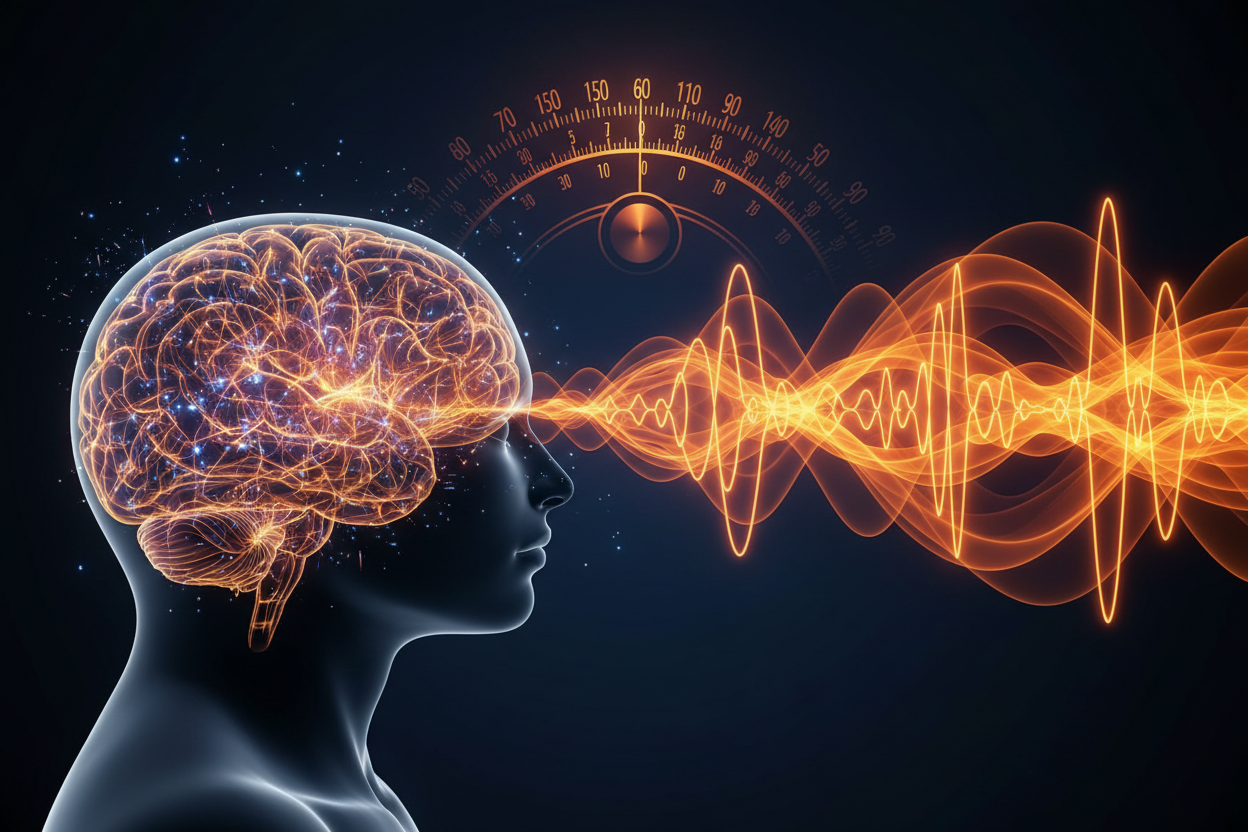
This process isn’t just theoretical – it’s measurable. Scientists have documented how brainwave entrainment can shift your brain from one state to another within minutes. For anger management, this means you can potentially guide your brain from an agitated, high-stress state to a calm, balanced one using carefully designed audio frequencies.
The beauty of brainwave entrainment lies in its simplicity and accessibility. You don’t need years of meditation practice or expensive equipment. With just a pair of headphones and the right audio tracks, you can begin influencing your brain’s electrical patterns and, consequently, your emotional responses.
The Science Behind Anger and Brain Waves
To understand how brainwave entrainment helps with anger management, we need to explore what happens in your brain when anger strikes. During angry episodes, your brain typically exhibits increased beta wave activity (13-30 Hz) and sometimes even gamma waves (above 30 Hz). These high-frequency brain waves are associated with heightened alertness, anxiety, and stress responses.
When you’re angry, your sympathetic nervous system kicks into overdrive, flooding your body with stress hormones like cortisol and adrenaline. Your prefrontal cortex – the brain region responsible for rational thinking and impulse control – becomes less active, while your amygdala, the brain’s alarm system, becomes hyperactive. This neurological shift explains why we often say or do things we later regret when we’re angry.
Research published in the Journal of Neurotherapy has shown that specific brainwave patterns correlate with different emotional states. Alpha waves (8-12 Hz) are associated with relaxation and calm awareness, while theta waves (4-7 Hz) promote deep relaxation and emotional healing. By using brainwave entrainment to encourage these calmer frequencies, we can literally rewire our brain’s default response to anger-provoking situations.
How Brainwave Entrainment Helps Control Anger
Brainwave entrainment offers a unique approach to anger management by addressing the neurological root of emotional reactivity. When you regularly expose your brain to calming frequencies, several beneficial changes occur at the cellular level. Your neurons begin to form new pathways that favor calm, measured responses over explosive reactions.
The process works through neuroplasticity – your brain’s remarkable ability to reorganize and form new neural connections throughout life. Each time you use brainwave entrainment, you’re essentially training your brain to access peaceful states more easily and maintain them for longer periods. It’s like creating a well-worn path through a forest; the more you walk it, the clearer and more accessible it becomes.
One of the most significant advantages of this approach is that it works on both conscious and subconscious levels. While you’re listening to entrainment audio, your conscious mind can focus on breathing or positive visualization, while your subconscious mind absorbs the frequency patterns that promote emotional balance. This dual-action approach often produces results faster than methods that rely on conscious effort alone.
Types of Brainwave Entrainment for Anger Management
Several types of brainwave entrainment can effectively support anger management, each with its unique characteristics and benefits. Binaural beats are perhaps the most popular and accessible form. This technique involves playing slightly different frequencies in each ear, creating a third “phantom” frequency that your brain perceives and synchronizes with.
For anger management, binaural beats in the alpha range (8-12 Hz) are particularly effective. These frequencies promote relaxation while maintaining alertness, making them ideal for situations where you need to stay calm but focused. Many people find that 10 Hz binaural beats create an optimal state for emotional regulation and clear thinking.
Isochronic tones represent another powerful option for brainwave entrainment. Unlike binaural beats, these don’t require headphones and consist of evenly spaced tone pulses that turn on and off rapidly. Research suggests that isochronic tones may be more effective than binaural beats for some individuals, particularly those who have difficulty focusing or who are new to brainwave entrainment.
Monaural beats, where the beating occurs in the audio itself rather than in your brain, offer yet another approach. These tend to be gentler than isochronic tones while still providing effective entrainment. Many anger management protocols incorporate a combination of these techniques to maximize effectiveness and accommodate different preferences and sensitivities.
Getting Started: Your First Brainwave Entrainment Session
Beginning your brainwave entrainment journey for anger management doesn’t require extensive preparation, but a few simple steps can significantly enhance your experience and results. Start by choosing a quiet environment where you won’t be disturbed for at least 20-30 minutes. This initial investment of time allows your brain sufficient opportunity to synchronize with the entrainment frequencies.
Quality headphones are essential for binaural beats, as the effect depends on delivering different frequencies to each ear precisely. However, speakers work fine for isochronic tones and monaural beats. Begin with sessions targeting alpha waves (8-12 Hz) as these frequencies are generally well-tolerated and effective for promoting calm alertness.
During your first session, simply relax and let the audio do its work. Some people prefer to close their eyes and focus on their breathing, while others find it helpful to visualize peaceful scenes or practice progressive muscle relaxation. There’s no right or wrong approach – the key is to remain as relaxed and receptive as possible while the entrainment works on your brainwave patterns.
Don’t expect dramatic changes immediately. While some people notice increased calmness after their first session, the most significant benefits typically develop over several weeks of consistent practice. Think of brainwave entrainment as a form of mental exercise – just as physical fitness improves with regular workouts, emotional regulation strengthens with consistent brainwave training.
Best Practices and Safety Considerations
While brainwave entrainment is generally safe for most people, following certain guidelines ensures the best possible experience and results. Start with shorter sessions (15-20 minutes) and gradually increase duration as you become more comfortable with the process. Some individuals initially experience mild headaches or dizziness, which typically resolve as the brain adapts to the new stimulus patterns.
Consistency proves more important than duration when it comes to brainwave entrainment for anger management. Daily 20-minute sessions often produce better results than occasional hour-long sessions. Many practitioners find that morning sessions help set a calm tone for the entire day, while evening sessions can help process the day’s stress and prepare for restful sleep.
Certain individuals should exercise caution or avoid brainwave entrainment altogether. People with epilepsy, seizure disorders, or serious mental health conditions should consult healthcare providers before beginning any brainwave entrainment program. Pregnant women and individuals with pacemakers should also seek medical guidance before starting entrainment practices.
Keep a simple journal to track your progress and identify patterns. Note your anger levels before and after sessions, any triggers you encountered during the day, and how you handled challenging situations. This record-keeping helps you recognize improvements that might otherwise go unnoticed and allows you to adjust your practice as needed.
Combining Brainwave Entrainment with Other Techniques
Brainwave entrainment works exceptionally well when integrated with other anger management strategies, creating a comprehensive approach to emotional regulation. Combining entrainment with deep breathing exercises amplifies the calming effects, as controlled breathing naturally supports the shift toward alpha and theta brainwave states.
Progressive muscle relaxation pairs beautifully with brainwave entrainment sessions. As the audio guides your brain toward calmer frequencies, systematically tensing and releasing muscle groups helps release physical tension that often accompanies anger. This mind-body approach addresses both the neurological and physiological aspects of anger simultaneously.
Mindfulness meditation and brainwave entrainment complement each other perfectly. While the entrainment audio creates optimal brainwave conditions for peace and clarity, mindfulness practices help you observe your thoughts and emotions without judgment. This combination often leads to profound insights about anger triggers and more skillful responses to challenging situations.
Cognitive behavioral techniques become more effective when practiced in the calm, receptive state that brainwave entrainment promotes. Use your entrainment sessions to practice reframing negative thoughts, visualizing successful anger management scenarios, or rehearsing calm responses to typical triggers. The relaxed brainwave state makes your mind more open to positive suggestions and new behavioral patterns.
Long-term Benefits and Expectations
Regular brainwave entrainment practice for anger management can produce remarkable long-term benefits that extend far beyond emotional regulation. Many practitioners report improved sleep quality, as the same frequencies that promote emotional calm also support restful sleep patterns. Better sleep, in turn, enhances emotional resilience and reduces the likelihood of anger outbursts.
Cognitive function often improves with consistent brainwave entrainment practice. The alpha and theta states promoted during sessions enhance creativity, problem-solving abilities, and mental clarity. These cognitive improvements help you approach challenging situations with greater wisdom and perspective, naturally reducing the frequency and intensity of anger episodes.
Physical health benefits frequently accompany the emotional improvements. Chronic anger takes a significant toll on the cardiovascular system, immune function, and overall physical well-being. As brainwave entrainment helps regulate emotional responses, many people experience lower blood pressure, reduced muscle tension, and improved immune function.
The timeline for significant improvements varies among individuals, but most people notice some positive changes within 2-4 weeks of consistent practice. Substantial improvements in anger management typically develop over 2-3 months, while the most profound and lasting changes often require 6-12 months of regular practice. Remember that you’re literally rewiring decades of neural patterns – patience and persistence are key to success.
Conclusion
Brainwave entrainment offers a scientifically-grounded, accessible approach to anger management that works with your brain’s natural plasticity to create lasting positive changes. By regularly exposing your brain to calming frequencies, you can gradually shift your default emotional responses from reactive anger to calm, measured responses.
The journey toward better anger management through brainwave entrainment requires patience, consistency, and realistic expectations. While this technique isn’t a magic cure that instantly eliminates anger, it provides powerful tools for reshaping your brain’s response patterns over time. Combined with other anger management strategies, brainwave entrainment can help you develop the emotional regulation skills that lead to healthier relationships, better decision-making, and improved overall well-being.
Whether you’re dealing with occasional anger flare-ups or chronic rage issues, brainwave entrainment deserves consideration as part of your emotional wellness toolkit. Start with simple alpha wave sessions, maintain consistency in your practice, and be patient with the process. Your future self – and everyone around you – will thank you for taking this step toward greater emotional balance and inner peace.
Frequently Asked Questions
How long does it take to see results from brainwave entrainment for anger management?
Most people notice some initial calming effects within the first few sessions, but significant improvements in anger management typically develop over 2-8 weeks of consistent daily practice. Long-term neuroplastic changes that create lasting emotional regulation improvements usually require 3-6 months of regular use.
Can I use brainwave entrainment if I’m taking medication for anger or mood disorders?
While brainwave entrainment is generally safe, it’s essential to consult with your healthcare provider before starting any new wellness practice if you’re taking medications for mood disorders. Brainwave entrainment can complement traditional treatments but should never replace prescribed medications without medical supervision.
What’s the difference between binaural beats and isochronic tones for anger management?
Binaural beats require headphones and work by playing different frequencies in each ear, while isochronic tones use evenly spaced pulses and don’t require headphones. Both can be effective for anger management, but some people respond better to one type than the other. Isochronic tones may be more effective for individuals who have difficulty focusing or are new to brainwave entrainment.
Is it safe to use brainwave entrainment daily?
Yes, daily brainwave entrainment is generally safe for most people and is actually recommended for optimal results. Start with 15-20 minute sessions and gradually increase duration as you become more comfortable. However, individuals with epilepsy, seizure disorders, or serious mental health conditions should consult healthcare providers before beginning regular practice.
Can children use brainwave entrainment for anger management?
Brainwave entrainment can be beneficial for children, but it should be introduced carefully and with appropriate supervision. Children’s brains are more sensitive to frequency stimulation, so shorter sessions (10-15 minutes) and gentler frequencies are recommended. Always consult with a pediatrician or child psychologist before starting brainwave entrainment with children, especially those with ADHD, autism, or other neurological conditions.