
How to Use Brainwave Entrainment During Physical Therapy: A Complete Guide to Enhanced Recovery
Table of Contents
1. Introduction to Brainwave Entrainment in Physical Therapy
2. Understanding Brainwave Entrainment and Its Science
3. Benefits of Combining Brainwave Entrainment with Physical Therapy
4. Types of Brainwave Patterns for Therapy Enhancement
5. Practical Methods to Implement Brainwave Entrainment
6. Best Practices for Physical Therapists and Patients
7. Safety Considerations and Precautions
8. Real-World Applications and Success Stories
9. Equipment and Technology Options
10. Conclusion
11. Frequently Asked Questions
Introduction to Brainwave Entrainment in Physical Therapy
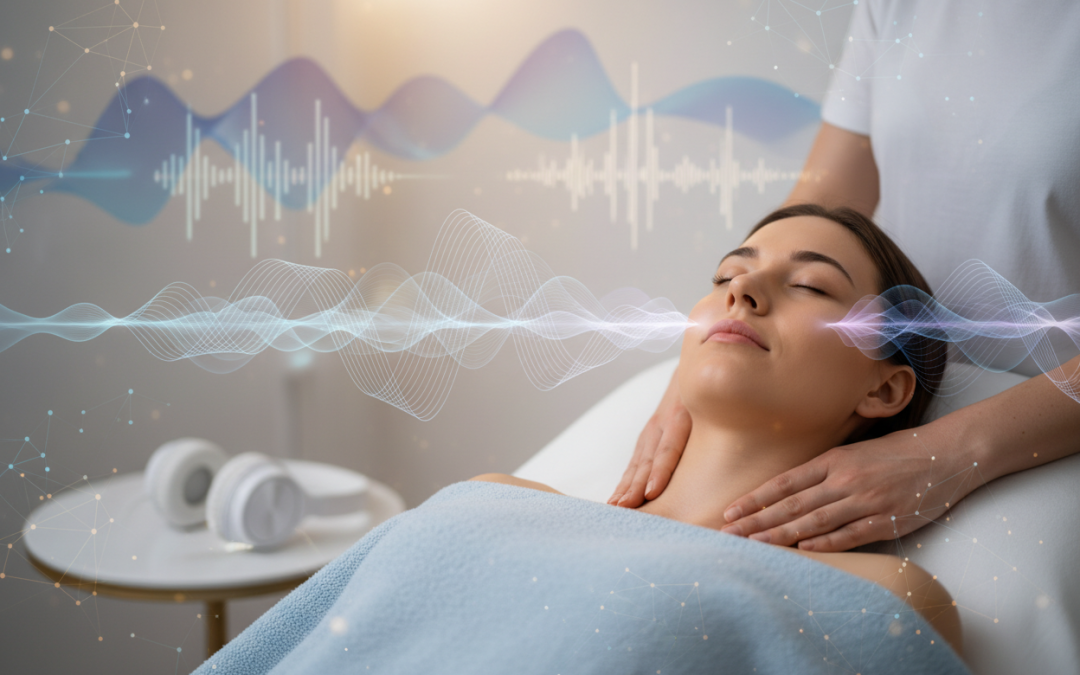
Physical therapy has evolved tremendously over the past few decades, and today’s practitioners are constantly seeking innovative ways to enhance patient outcomes. One fascinating approach that’s gaining traction in rehabilitation circles is brainwave entrainment – a technique that synchronizes brainwaves to specific frequencies to promote healing, reduce pain, and improve focus during therapy sessions.
If you’ve ever wondered whether there’s more to recovery than just traditional exercises and manual therapy, you’re not alone. Many patients and therapists are discovering that the mind-body connection runs deeper than we initially understood, and brainwave entrainment offers a unique window into optimizing this relationship.
This comprehensive guide will walk you through everything you need to know about incorporating brainwave entrainment into physical therapy practice, whether you’re a healthcare professional looking to expand your toolkit or a patient seeking to maximize your recovery potential.
Understanding Brainwave Entrainment and Its Science
Before diving into practical applications, it’s crucial to understand what brainwave entrainment actually is. Simply put, brainwave entrainment is the practice of using external stimuli – typically auditory, visual, or tactile – to encourage the brain to synchronize its electrical activity to a specific frequency.
Our brains naturally produce electrical impulses that create measurable brainwave patterns. These patterns correspond to different states of consciousness, from deep sleep to high alertness. When we introduce repetitive stimuli at specific frequencies, the brain tends to “entrain” or match these patterns, effectively allowing us to guide our mental state.
The science behind this phenomenon lies in the brain’s natural tendency toward synchronization. Just as your heart rate might sync with music during exercise, your brainwaves can align with external rhythmic stimuli. This isn’t just theoretical – numerous studies have documented the measurable effects of brainwave entrainment on pain perception, muscle tension, and cognitive function.
Research published in neuroscience journals has shown that specific frequencies can trigger the release of endorphins, reduce cortisol levels, and even promote neuroplasticity – the brain’s ability to form new neural connections. These findings have profound implications for physical therapy, where pain management, stress reduction, and motor learning are primary concerns.
Benefits of Combining Brainwave Entrainment with Physical Therapy
The integration of brainwave entrainment into physical therapy sessions offers a multitude of benefits that can significantly enhance treatment outcomes. Let’s explore the most compelling advantages that both patients and therapists are experiencing.
Pain reduction stands as perhaps the most immediately noticeable benefit. When the brain entrains to certain frequencies, particularly in the alpha range (8-12 Hz), patients often report decreased pain perception. This isn’t just psychological – the entrainment process appears to influence the brain’s pain processing centers, making therapeutic exercises more tolerable and allowing for longer, more productive sessions.
Enhanced focus and concentration represent another significant advantage. Physical therapy requires patients to learn new movement patterns, maintain proper form, and follow complex instructions. Brainwave entrainment can help achieve a state of relaxed alertness that’s optimal for motor learning and skill acquisition.
Stress and anxiety reduction cannot be overstated in importance. Many patients approach physical therapy with apprehension, whether due to past injuries, fear of pain, or general anxiety about their condition. Brainwave entrainment can help create a calmer, more receptive state of mind, making patients more willing to engage fully in their treatment.
Improved muscle relaxation is another notable benefit. Tension and guarding are common issues that can impede progress in physical therapy. Specific brainwave frequencies can promote muscle relaxation, allowing therapists better access to restricted tissues and enabling patients to move more freely.
Types of Brainwave Patterns for Therapy Enhancement
Understanding different brainwave frequencies and their therapeutic applications is essential for effective implementation. Each frequency range offers unique benefits that can be strategically applied during different phases of physical therapy.
Delta waves (0.5-4 Hz) are associated with deep sleep and healing. While patients won’t be asleep during therapy, delta entrainment can promote deep relaxation and may enhance the body’s natural healing processes. This frequency range is particularly useful during gentle manual therapy techniques or when working with patients who have high levels of muscle tension.
Theta waves (4-8 Hz) represent a state of deep relaxation and heightened creativity. In physical therapy contexts, theta entrainment can be beneficial for patients learning new movement patterns or working through psychological barriers to movement. This frequency range may also help with pain management and emotional processing related to injury or disability.
Alpha waves (8-12 Hz) are perhaps the most versatile for physical therapy applications. This frequency range promotes relaxed alertness – a state where patients are calm yet focused. Alpha entrainment is excellent for pain reduction, stress relief, and maintaining attention during complex therapeutic tasks.
Beta waves (12-30 Hz) are associated with active concentration and problem-solving. Lower beta frequencies can enhance focus during challenging exercises, while avoiding the higher ranges that might increase anxiety or tension.
Practical Methods to Implement Brainwave Entrainment
Implementing brainwave entrainment in physical therapy doesn’t require a complete overhaul of your practice. There are several practical approaches that can be seamlessly integrated into existing treatment protocols.
Binaural beats represent one of the most accessible methods. This technique involves playing slightly different frequencies in each ear through headphones. The brain perceives the mathematical difference between these frequencies as a beat, which can induce entrainment. For example, playing 200 Hz in one ear and 210 Hz in the other creates a 10 Hz binaural beat, potentially inducing alpha brainwave patterns.
Isochronic tones offer another effective approach. These are evenly spaced tone pulses that turn on and off rapidly, creating a rhythmic pattern that can entrain brainwaves. Unlike binaural beats, isochronic tones don’t require headphones and can be played through regular speakers, making them more practical for group therapy sessions.
Light therapy devices can also facilitate brainwave entrainment through visual stimulation. These devices use LED lights that flash at specific frequencies, often synchronized with audio entrainment. While less common in physical therapy settings, they can be particularly effective for patients who respond better to visual rather than auditory stimuli.
Rhythmic movement and breathing exercises can naturally promote brainwave entrainment without any external devices. By incorporating specific breathing patterns or movement rhythms that correspond to desired brainwave frequencies, therapists can guide patients into optimal states for healing and learning.
Best Practices for Physical Therapists and Patients
Successfully incorporating brainwave entrainment into physical therapy requires thoughtful planning and execution. Here are the essential best practices that can help ensure positive outcomes for both therapists and patients.
Start with a thorough assessment of each patient’s individual needs and preferences. Some patients may be more responsive to certain types of entrainment, while others might have contraindications that need to be considered. Take time to explain the process and obtain informed consent before beginning any brainwave entrainment protocol.
Begin with shorter sessions and gradually increase duration as patients become accustomed to the experience. Initial sessions of 10-15 minutes are often sufficient to gauge patient response and tolerance. Many patients report feeling slightly disoriented or drowsy after their first few sessions, so it’s important to allow time for adjustment.
Timing is crucial when implementing brainwave entrainment. Consider using relaxing frequencies (alpha or theta) at the beginning of sessions to help patients settle in and reduce anxiety. During active exercise phases, maintain frequencies that promote focus without causing excessive relaxation. End sessions with calming frequencies to help patients integrate their experience and leave feeling balanced.
Monitor patient responses closely and be prepared to adjust your approach. Some individuals may be more sensitive to certain frequencies, while others might require longer exposure times to experience benefits. Keep detailed notes about what works best for each patient, as this information will be valuable for future sessions.
Educate patients about what they’re experiencing and encourage them to provide feedback. When patients understand the process and feel involved in their treatment, they’re more likely to engage positively and report meaningful changes in their symptoms or function.
Safety Considerations and Precautions
While brainwave entrainment is generally considered safe for most individuals, there are important safety considerations and contraindications that must be carefully evaluated before implementation.
Epilepsy and seizure disorders represent the most significant contraindication for brainwave entrainment, particularly techniques involving flashing lights or rapid auditory stimuli. Even patients with well-controlled epilepsy should be approached with extreme caution, and medical clearance should be obtained before proceeding with any entrainment protocols.
Pregnancy requires special consideration, as there’s limited research on the effects of brainwave entrainment during pregnancy. While there’s no evidence of harm, many practitioners prefer to avoid entrainment techniques with pregnant patients unless specifically indicated and approved by their physician.
Patients with hearing impairments may have different responses to auditory entrainment techniques. Some may benefit from higher volumes or different frequency ranges, while others might respond better to tactile or visual entrainment methods.
Mental health conditions, particularly those involving mood disorders or psychosis, warrant careful consideration. While brainwave entrainment can be beneficial for anxiety and depression, it’s important to coordinate with mental health professionals and monitor patients closely for any unexpected psychological responses.
Medication interactions should also be considered. Patients taking medications that affect the central nervous system might have altered responses to brainwave entrainment. This is particularly relevant for patients on pain medications, antidepressants, or anti-anxiety medications.
Real-World Applications and Success Stories
The practical application of brainwave entrainment in physical therapy has yielded impressive results across various patient populations and conditions. These real-world examples demonstrate the versatility and effectiveness of this innovative approach.
Chronic pain management has emerged as one of the most successful applications. A rehabilitation center in California reported that patients with chronic lower back pain who received physical therapy combined with alpha-frequency brainwave entrainment showed 40% greater improvement in pain scores compared to those receiving traditional therapy alone. Patients also reported feeling more relaxed during sessions and were able to participate in exercises that previously caused significant discomfort.
Stroke rehabilitation has shown particularly promising results when brainwave entrainment is used to enhance motor learning. A case study involving a 65-year-old stroke survivor demonstrated remarkable improvement in fine motor control when theta-frequency entrainment was used during occupational therapy tasks. The patient’s ability to perform activities of daily living improved significantly, and brain imaging showed increased activity in areas associated with motor planning and execution.
Sports injury recovery has also benefited from this approach. Professional athletes recovering from ACL reconstruction surgery who incorporated brainwave entrainment into their rehabilitation protocol returned to play an average of two weeks earlier than those following standard protocols. The athletes reported better pain management, improved focus during exercises, and reduced anxiety about re-injury.
Pediatric applications have shown encouraging results as well. Children with developmental delays who received physical therapy enhanced with rhythmic entrainment techniques demonstrated improved attention spans and greater willingness to participate in challenging exercises. Parents reported that their children seemed more calm and focused both during and after therapy sessions.
Equipment and Technology Options
The technology landscape for brainwave entrainment has expanded significantly, offering physical therapists a range of options to suit different budgets, settings, and patient needs. Understanding these options can help practitioners make informed decisions about which tools might work best in their specific situations.
Smartphone applications represent the most accessible entry point for many practitioners. Numerous apps offer high-quality binaural beats and isochronic tones that can be easily integrated into therapy sessions. While these apps may lack some advanced features, they provide an excellent way to experiment with brainwave entrainment without significant financial investment.
Dedicated audio devices designed specifically for brainwave entrainment offer more sophisticated features and better sound quality. These devices often include pre-programmed sessions for different therapeutic goals, allowing therapists to select appropriate protocols without needing extensive technical knowledge.
Light-and-sound machines combine visual and auditory entrainment in a single device. While more expensive than audio-only options, these machines can be particularly effective for patients who respond well to multi-sensory approaches. Many include glasses with built-in LED lights synchronized to the audio frequencies.
Professional-grade neurofeedback systems represent the high end of brainwave entrainment technology. These systems can monitor actual brainwave activity in real-time and adjust entrainment frequencies accordingly. While significantly more expensive, they offer the most personalized and potentially effective approach to brainwave entrainment.
When selecting equipment, consider factors such as ease of use, patient comfort, hygiene requirements, and integration with existing therapy protocols. It’s often wise to start with simpler, less expensive options and upgrade as you gain experience and see positive results.
Conclusion
Brainwave entrainment represents an exciting frontier in physical therapy, offering a scientifically-backed method to enhance traditional treatment approaches. By understanding the principles behind brainwave entrainment and implementing it thoughtfully, physical therapists can help their patients achieve better outcomes with less pain and greater engagement in the rehabilitation process.
The key to success lies in starting small, monitoring patient responses carefully, and gradually building expertise with these techniques. Whether you’re dealing with chronic pain, motor learning challenges, or simply looking to help patients feel more comfortable during therapy, brainwave entrainment offers valuable tools that can complement and enhance your existing skills.
As research continues to expand our understanding of the brain-body connection, techniques like brainwave entrainment will likely become increasingly important in rehabilitation medicine. By staying informed about these developments and incorporating evidence-based approaches into practice, physical therapists can continue to provide the highest quality care to their patients.
Remember that brainwave entrainment is not a replacement for traditional physical therapy techniques but rather a powerful enhancement tool. When used appropriately and safely, it can help create the optimal conditions for healing, learning, and recovery that benefit both patients and practitioners alike.
Frequently Asked Questions
How long does it take to see results from brainwave entrainment in physical therapy?
Most patients begin to notice some effects within the first session, particularly in terms of relaxation and reduced anxiety. However, more significant improvements in pain management and motor function typically become apparent after 3-5 sessions. Individual responses can vary considerably based on factors such as the specific condition being treated, patient sensitivity, and the frequency protocols used.
Can brainwave entrainment be used with all types of physical therapy treatments?
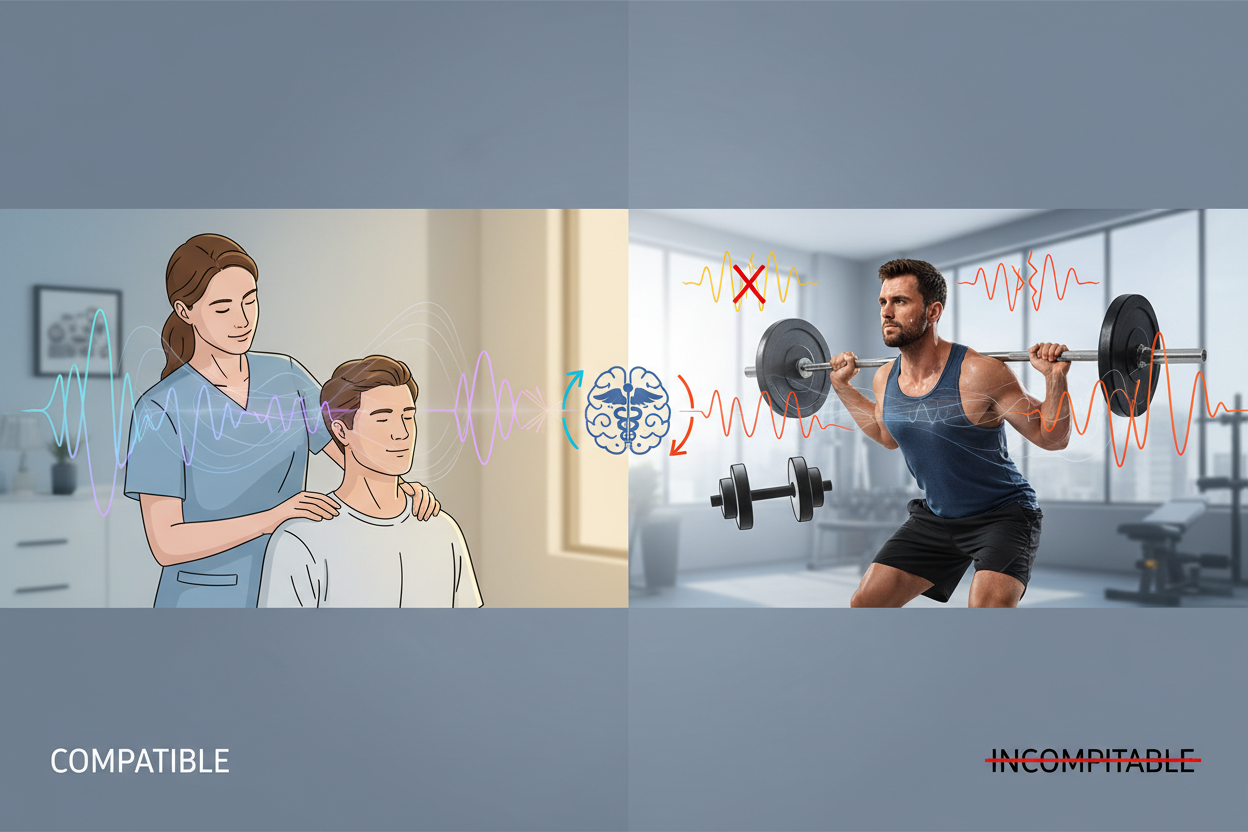
Brainwave entrainment can complement most physical therapy interventions, but it’s particularly effective with manual therapy, therapeutic exercise, and motor learning activities. It may be less suitable during treatments requiring high levels of physical exertion or when precise patient feedback is critical. Always consider the specific goals of each treatment session when deciding whether to incorporate entrainment techniques.
Are there any side effects associated with brainwave entrainment?
Side effects are generally mild and temporary. Some patients may experience slight dizziness, drowsiness, or headaches after initial sessions. These effects typically diminish as patients become accustomed to the treatment. More serious side effects are rare but can include increased anxiety in sensitive individuals or triggering of seizures in susceptible patients.
Do I need special training to use brainwave entrainment in my physical therapy practice?
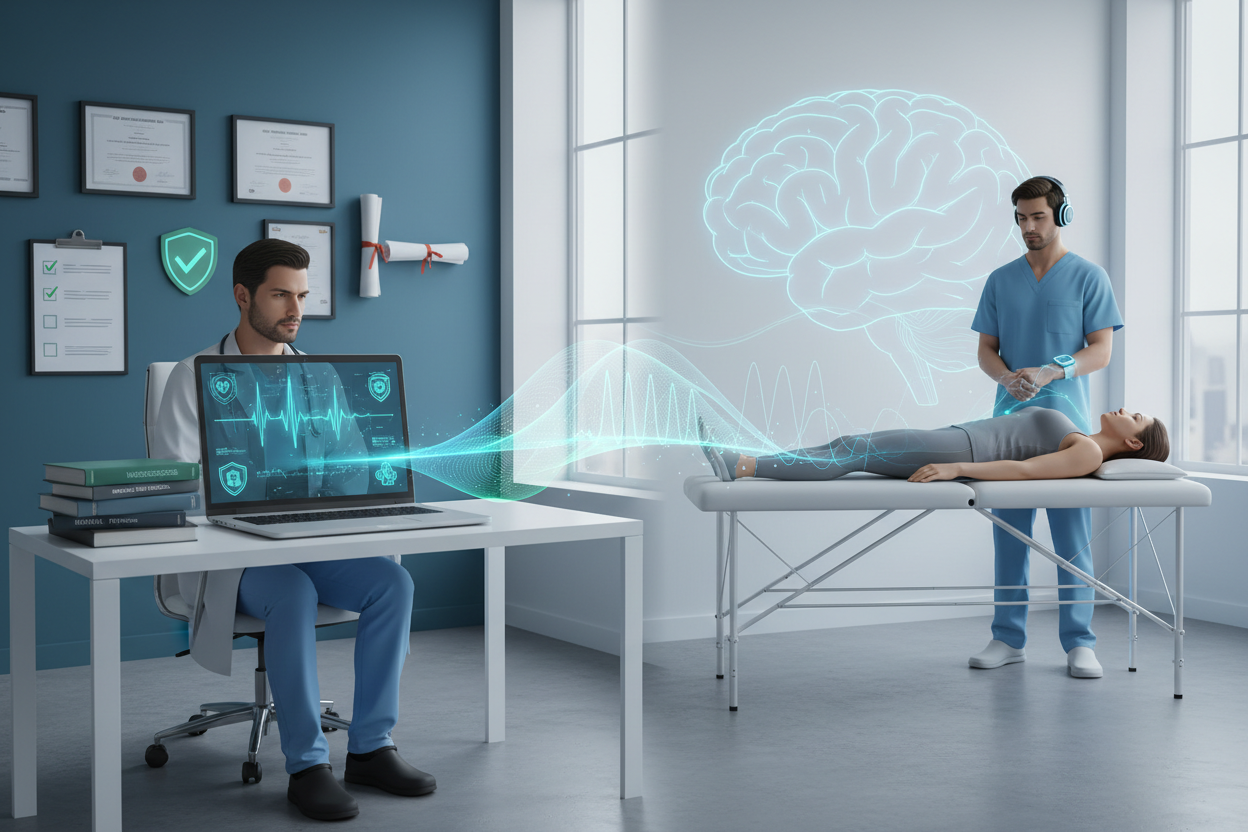
While formal certification isn’t typically required, it’s highly recommended to receive training in brainwave entrainment principles and safety protocols before implementing these techniques. Many continuing education programs and online courses are available specifically for healthcare professionals. Understanding contraindications and proper implementation techniques is essential for safe and effective practice.
How much does brainwave entrainment equipment cost?
Costs vary widely depending on the type of equipment chosen. Smartphone apps can cost as little as $5-20, while basic audio devices range from $50-200. Professional-grade light-and-sound machines typically cost $200-800, and advanced neurofeedback systems can range from $1,000-10,000 or more. Many practitioners start with less expensive options and upgrade based on their experience and patient outcomes.
Can patients use brainwave entrainment at home between therapy sessions?
Yes, home use can be very beneficial for maintaining the effects between sessions. However, patients should receive proper instruction on safe use and appropriate protocols. Simple audio-based entrainment through smartphones or basic devices is generally safe for home use, while more advanced equipment should typically remain under professional supervision.