
How to Create Custom Brainwave Entrainment Sessions: Your Complete Guide to Personalized Audio Meditation
Table of Contents
1. Introduction to Brainwave Entrainment
2. Understanding Different Brainwave Frequencies
3. Essential Tools and Software for Creating Sessions
4. Step-by-Step Guide to Creating Your First Session
5. Advanced Techniques for Enhanced Effectiveness
6. Safety Considerations and Best Practices
7. Testing and Refining Your Custom Sessions
8. Conclusion
9. Frequently Asked Questions
Introduction to Brainwave Entrainment
Have you ever wondered why certain sounds make you feel instantly relaxed while others energize you? The answer lies in a fascinating phenomenon called brainwave entrainment. This natural process occurs when your brain synchronizes its electrical activity with external rhythmic stimuli, such as sound or light.
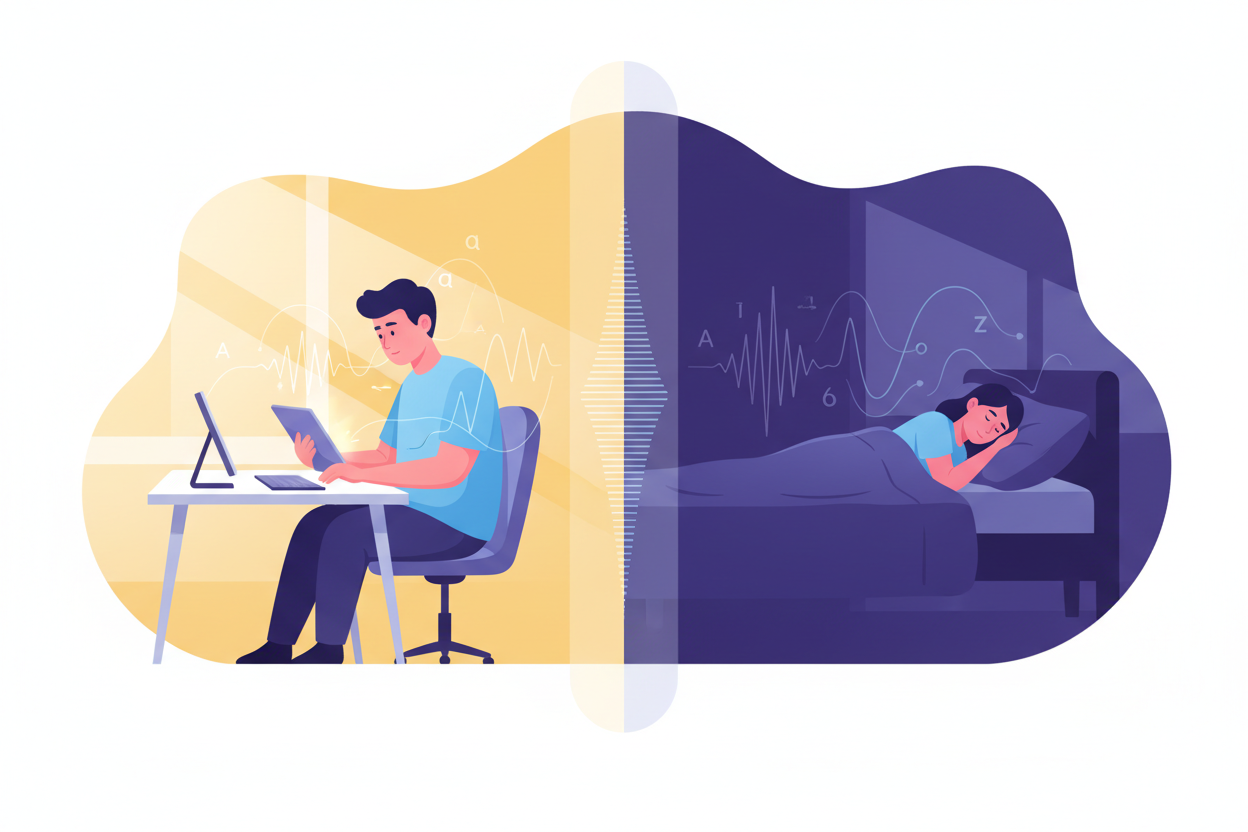
Creating custom brainwave entrainment sessions has become increasingly popular among meditation enthusiasts, productivity seekers, and wellness practitioners. Unlike generic meditation apps, custom sessions allow you to tailor the experience to your specific needs, whether you’re looking to enhance focus, promote deep sleep, or achieve a meditative state.
In this comprehensive guide, I’ll walk you through everything you need to know about creating your own personalized brainwave entrainment sessions. From understanding the science behind different frequencies to mastering the technical aspects of audio production, you’ll discover how to craft powerful tools for mental enhancement and relaxation.
Understanding Different Brainwave Frequencies
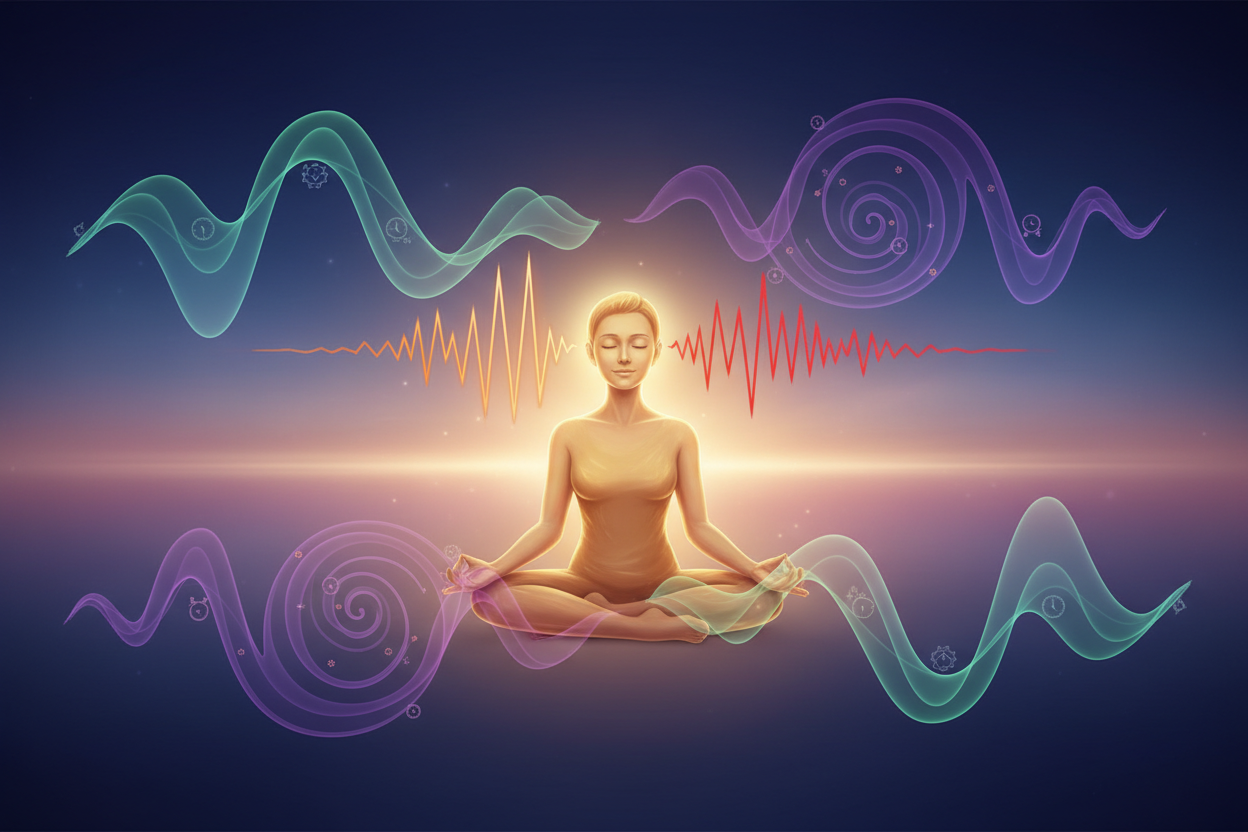
Before diving into the creation process, it’s crucial to understand the five primary brainwave frequencies and their associated mental states. This knowledge forms the foundation of effective brainwave entrainment.
Delta Waves (0.5-4 Hz) represent the slowest brainwave frequency, typically associated with deep, dreamless sleep and healing. When creating sessions targeting delta frequencies, you’re aiming to promote restorative rest and cellular regeneration. These sessions work exceptionally well for individuals struggling with insomnia or those seeking to enhance their recovery process.
Theta Waves (4-8 Hz) occur during light sleep, deep meditation, and creative states. Theta entrainment sessions can help access subconscious insights, enhance creativity, and facilitate emotional healing. Many people find theta frequencies particularly effective for visualization exercises and spiritual practices.
Alpha Waves (8-13 Hz) dominate during relaxed, calm awareness. This frequency range is perfect for stress reduction, light meditation, and maintaining a peaceful yet alert state. Alpha sessions serve as an excellent starting point for beginners to brainwave entrainment.
Beta Waves (13-30 Hz) are associated with normal waking consciousness, focused attention, and analytical thinking. Lower beta frequencies can enhance concentration, while higher beta ranges may increase alertness but can also lead to anxiety if overused.
Gamma Waves (30-100 Hz) represent the highest frequency range, linked to heightened awareness, peak performance, and moments of insight. Gamma entrainment requires careful application, as these frequencies are powerful and should be used sparingly.
Essential Tools and Software for Creating Sessions
Creating professional-quality brainwave entrainment sessions doesn’t require expensive equipment, but having the right tools makes a significant difference in the final product’s effectiveness and audio quality.
Audio Software Options range from free programs to professional suites. Audacity offers an excellent free starting point, providing basic audio editing capabilities and tone generation features. For more advanced users, Adobe Audition, Logic Pro, or Reaper provide sophisticated tools for precise frequency control and multi-layering capabilities.
Brainwave Generator Software specifically designed for entrainment includes programs like Neuroprogrammer, BrainWave Generator, and SBaGen. These specialized tools offer pre-configured frequency patterns and make it easier to create complex entrainment sequences without extensive audio engineering knowledge.
Hardware Requirements are minimal but important for quality results. A decent computer with adequate processing power, quality headphones for monitoring, and optionally, a good microphone if you plan to include guided meditation or nature sounds in your sessions.
Additional Resources might include royalty-free background music, nature sound libraries, and reference materials about frequency combinations and their effects on consciousness.
Step-by-Step Guide to Creating Your First Session
Now comes the exciting part – creating your first custom brainwave entrainment session. I’ll guide you through a straightforward process that even beginners can follow successfully.
Step 1: Define Your Session Goals by clearly identifying what you want to achieve. Are you creating a session for morning energy, afternoon focus, or evening relaxation? Your goal determines the target frequency range and session structure.
Step 2: Choose Your Base Frequency based on your intended outcome. For a relaxation session, you might start with alpha frequencies around 10 Hz and gradually transition to theta around 6 Hz. For focus enhancement, consider beta frequencies between 15-20 Hz.
Step 3: Create the Carrier Tones using your audio software. Generate pure sine waves at your chosen frequencies. Most software allows you to specify exact frequencies, duration, and amplitude. Start with subtle volumes – entrainment doesn’t require loud tones to be effective.
Step 4: Add Binaural Beats by creating two slightly different frequencies that play in each ear. For example, to achieve a 10 Hz entrainment frequency, you might play 200 Hz in the left ear and 210 Hz in the right ear. The brain perceives the 10 Hz difference as a rhythmic beating pattern.
Step 5: Layer Background Elements such as nature sounds, ambient music, or white noise to mask the carrier tones and create a more pleasant listening experience. Keep these elements subtle – they should enhance, not overpower, the entrainment frequencies.
Step 6: Structure Your Session Timeline with a gradual introduction, main entrainment period, and gentle conclusion. A typical 20-minute session might include a 3-minute fade-in, 14 minutes of stable entrainment, and a 3-minute fade-out.
Advanced Techniques for Enhanced Effectiveness
Once you’ve mastered basic session creation, several advanced techniques can significantly enhance your entrainment sessions’ effectiveness and sophistication.
Frequency Ramping involves gradually shifting from one frequency to another throughout the session. This technique can guide listeners from their current mental state to the desired state more naturally than abrupt frequency changes. For instance, a sleep induction session might start at 12 Hz and slowly descend to 2 Hz over 30 minutes.
Harmonic Layering adds depth by including harmonically related frequencies alongside your primary entrainment frequency. If your target is 10 Hz, you might also include subtle 20 Hz and 5 Hz components to create a richer, more complex entrainment pattern.
Isochronic Tones provide an alternative to binaural beats by using evenly spaced tone pulses that don’t require headphones. These can be particularly effective for people who find binaural beats uncomfortable or ineffective.
Modulation Techniques involve varying the amplitude, frequency, or timing of your entrainment tones to prevent habituation and maintain the brain’s responsiveness to the stimulus.
Personalization Algorithms can be developed by tracking your responses to different frequencies and adjusting future sessions accordingly. Keep notes about which frequencies and techniques work best for you personally.
Safety Considerations and Best Practices
While brainwave entrainment is generally safe for most people, understanding proper safety protocols ensures you create sessions that are both effective and responsible.
Volume Guidelines are crucial – entrainment tones should never be uncomfortably loud. The brain responds to rhythm and frequency patterns, not volume intensity. Keep carrier tones at barely audible levels, masked by pleasant background sounds.
Frequency Limitations should be respected, especially with gamma frequencies above 40 Hz. High-frequency entrainment can be overstimulating and may trigger headaches or anxiety in sensitive individuals. Start conservatively and observe your responses.
Session Duration recommendations vary by frequency range. Delta and theta sessions can safely extend to 60-90 minutes, while beta and gamma sessions should typically remain under 30 minutes to avoid overstimulation.
Medical Considerations include avoiding entrainment if you have epilepsy, seizure disorders, or are pregnant without consulting healthcare providers. Some medications may also affect brainwave patterns and entrainment effectiveness.
Gradual Introduction helps your nervous system adapt to entrainment. Begin with shorter sessions and mild frequency ranges before progressing to longer or more intense experiences.
Testing and Refining Your Custom Sessions
Creating effective brainwave entrainment sessions is both an art and science that improves through careful testing and refinement. Your first attempts may not produce the desired effects, and that’s perfectly normal.
Self-Assessment Techniques help you evaluate session effectiveness. Keep a detailed journal noting your mental state before and after each session, including energy levels, mood, focus quality, and any physical sensations. Rate each session’s effectiveness on a simple scale.
Objective Measurement Tools can provide additional insights. Consumer EEG devices, heart rate variability monitors, and even smartphone apps that track meditation quality can offer objective feedback about your sessions’ physiological effects.
Iterative Improvement Process involves systematically adjusting one variable at a time – frequency, duration, background sounds, or ramping patterns – and observing how changes affect the session’s impact. This methodical approach helps identify which elements contribute most to effectiveness.
Peer Testing with friends or family members can provide valuable feedback about your sessions’ general effectiveness. Different people respond differently to various frequencies, so gathering diverse perspectives helps create more universally effective sessions.
Long-term Tracking reveals patterns in your response to different entrainment approaches. What works well initially might become less effective over time, requiring adjustments to maintain optimal results.
Conclusion
Creating custom brainwave entrainment sessions opens up a world of personalized mental enhancement possibilities. Through understanding frequency ranges, mastering the technical creation process, and applying advanced techniques, you can develop powerful tools for meditation, focus, relaxation, and personal growth.
Remember that effective entrainment session creation combines scientific knowledge with artistic intuition. While the technical aspects provide the foundation, your personal experience and creative touches make sessions truly effective and enjoyable.
Start simple with basic alpha or theta sessions, gradually building your skills and understanding as you experiment with different approaches. Pay attention to safety guidelines, maintain detailed records of your experiences, and don’t hesitate to adjust your techniques based on what works best for your unique neurology.
The journey of creating custom brainwave entrainment sessions is deeply rewarding, offering not only practical tools for mental enhancement but also insights into the fascinating relationship between sound, consciousness, and well-being. As you develop your skills, you’ll discover that the process itself becomes a form of meditation and self-discovery.
Frequently Asked Questions
Q: How long does it take to feel effects from brainwave entrainment?
A: Most people begin experiencing entrainment effects within 5-15 minutes of listening. However, deeper states like theta and delta may require 20-30 minutes to fully develop. Individual response times vary based on factors like relaxation level, experience with meditation, and sensitivity to audio stimuli.
Q: Can I use brainwave entrainment sessions while doing other activities?
A: It depends on the frequency and your goals. Alpha and low beta frequencies can enhance focus during light activities like reading or creative work. However, theta and delta sessions are best used during dedicated relaxation or sleep time, as they promote states incompatible with active tasks.
Q: Do I need expensive headphones for brainwave entrainment?
A: While high-quality headphones improve the listening experience, expensive equipment isn’t necessary for effective entrainment. Decent stereo headphones that can reproduce frequencies between 20 Hz and 20 kHz work well. For binaural beats, stereo separation is more important than premium audio quality.
Q: How often should I use custom brainwave entrainment sessions?
A: Daily use is generally safe and beneficial for most frequency ranges. Alpha and theta sessions can be used multiple times daily, while beta and gamma sessions should be limited to once daily to avoid overstimulation. Listen to your body and adjust frequency based on your responses.
Q: What’s the difference between binaural beats and isochronic tones?
A: Binaural beats require headphones and work by playing slightly different frequencies in each ear, creating a perceived beating pattern. Isochronic tones use rhythmic pulses of a single tone that can be heard through speakers or headphones. Some people respond better to one method over the other.
Q: Can children use brainwave entrainment sessions?
A: Children’s brains are more plastic and potentially more sensitive to entrainment. While gentle alpha frequencies may be appropriate for older children under supervision, it’s best to consult with healthcare providers before using any entrainment techniques with children under 18.