
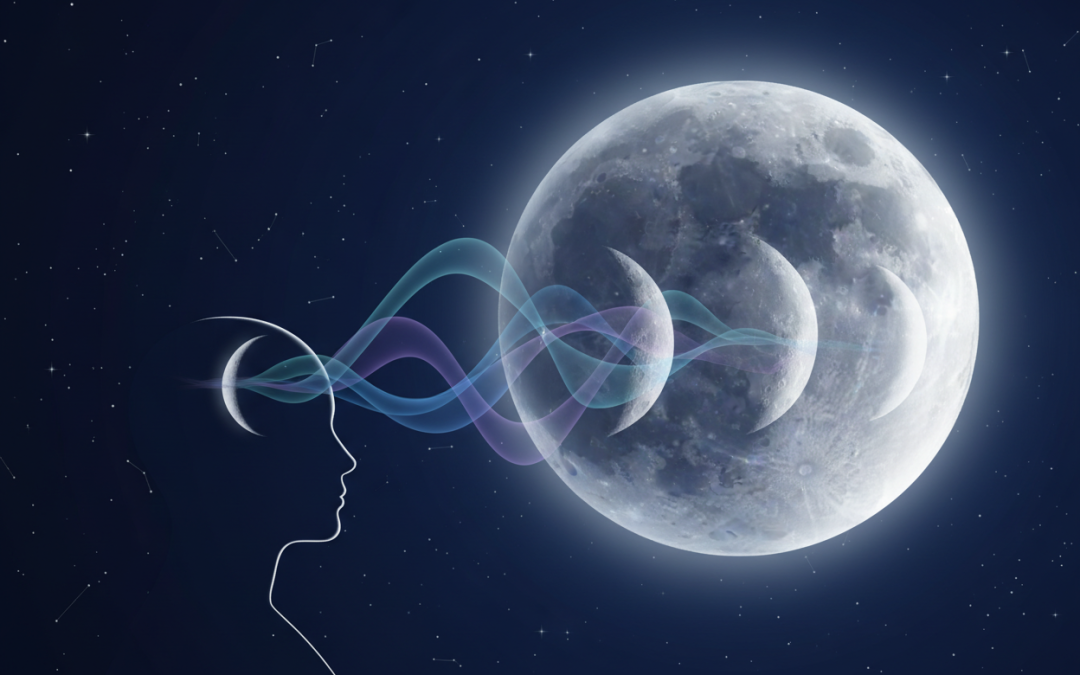
How Moon Phases Influence Your Natural Brainwave Patterns
Table of Contents
1. Introduction: The Ancient Connection Between Moon and Mind
2. Understanding Brainwave Patterns and Their Significance
3. The Science Behind Lunar Influence on Human Biology
4. How Each Moon Phase Affects Your Brainwaves
5. Tracking Your Personal Lunar-Brain Connection
6. Optimizing Your Life According to Moon Phases
7. Scientific Studies and Evidence
8. Conclusion: Embracing Your Natural Rhythms
9. Frequently Asked Questions
Introduction: The Ancient Connection Between Moon and Mind
Have you ever noticed feeling more restless during a full moon or experiencing deeper introspection during a new moon? You’re not imagining things. The relationship between lunar cycles and human behavior has fascinated cultures worldwide for thousands of years, and modern neuroscience is beginning to uncover the mechanisms behind these ancient observations.
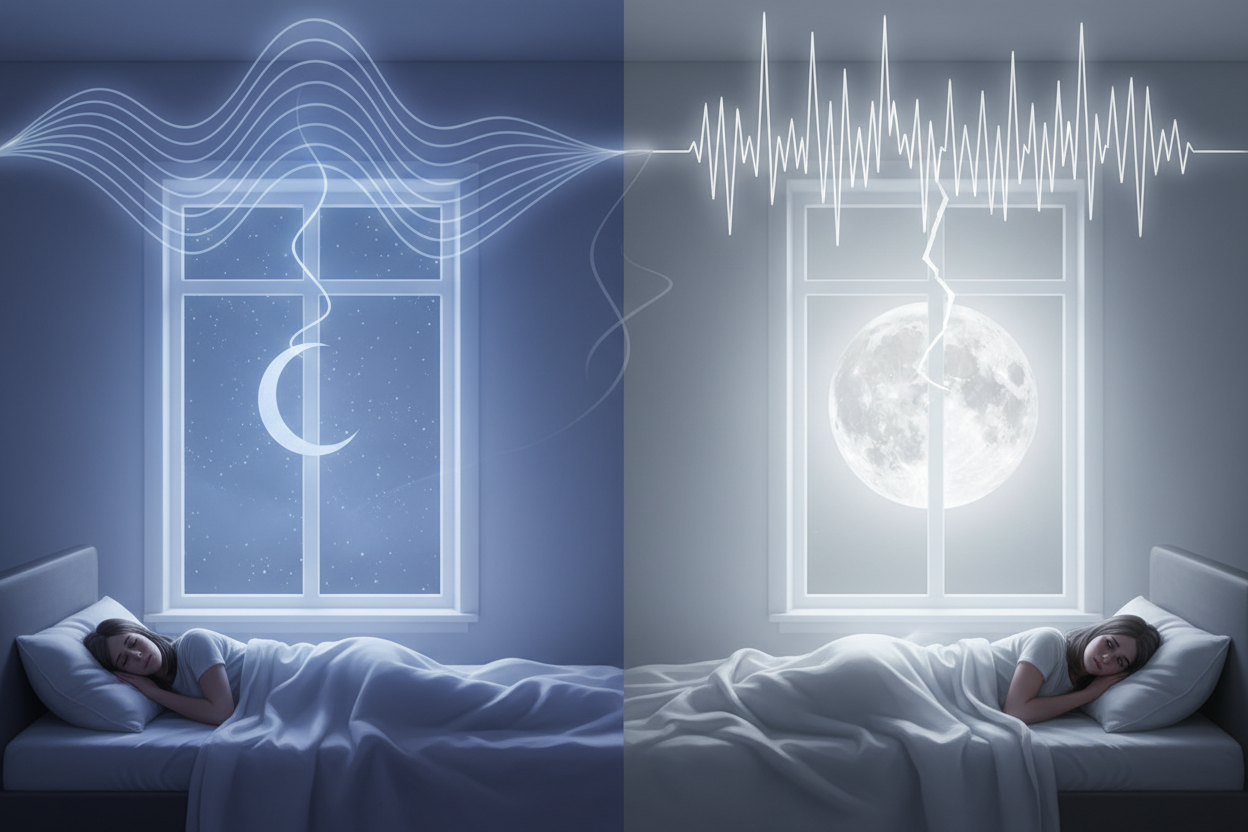
Our brains operate on electrical frequencies called brainwaves, which fluctuate throughout the day and respond to various environmental factors. Recent research suggests that the moon’s gravitational pull and electromagnetic field may influence these delicate neural oscillations, creating subtle but measurable changes in our cognitive states, sleep patterns, and emotional well-being.
Understanding how moon phases influence your natural brainwave patterns can help you optimize your daily routines, improve your sleep quality, and work with your body’s natural rhythms rather than against them. Let’s explore this fascinating intersection of astronomy and neuroscience.
Understanding Brainwave Patterns and Their Significance
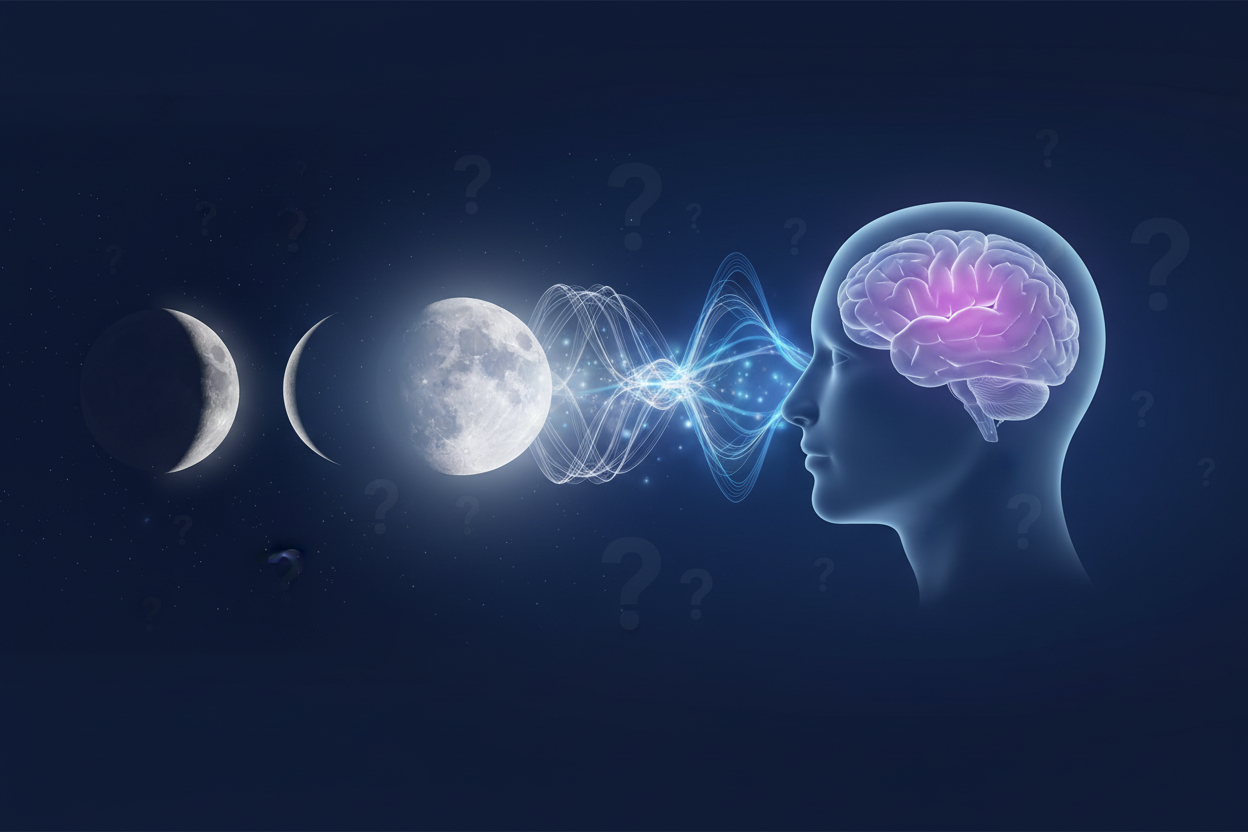
Before diving into lunar influences, it’s essential to understand what brainwaves are and how they affect your daily experience. Your brain produces electrical activity through synchronized neural firing, creating measurable frequencies that correlate with different states of consciousness.
The five primary brainwave categories include Delta waves (0.5-4 Hz) associated with deep sleep and healing, Theta waves (4-8 Hz) linked to creativity and deep meditation, Alpha waves (8-12 Hz) present during relaxed awareness, Beta waves (12-30 Hz) dominant during active thinking and problem-solving, and Gamma waves (30-100 Hz) associated with heightened awareness and peak cognitive performance.
These brainwave patterns naturally fluctuate throughout your day, influenced by factors like light exposure, physical activity, stress levels, and yes, potentially lunar cycles. When your brainwaves are optimally balanced, you experience better focus, emotional stability, and overall well-being.
The Science Behind Lunar Influence on Human Biology
The moon’s influence on Earth extends far beyond creating ocean tides. Our planet’s natural satellite generates a complex electromagnetic field that varies with its phases, potentially affecting biological systems that have evolved over millions of years under its influence.
Human bodies contain approximately 60% water, leading some researchers to theorize that we might experience subtle “biological tides” similar to oceanic ones. Additionally, the moon’s electromagnetic field may interact with our nervous system, which operates on bioelectrical signals that could be sensitive to external electromagnetic variations.
The pineal gland, often called the “third eye,” produces melatonin and appears particularly sensitive to electromagnetic changes. This small but crucial brain structure helps regulate our circadian rhythms and may serve as a bridge between lunar cycles and our internal biological clock.
While the mechanisms aren’t fully understood, mounting evidence suggests that lunar phases correlate with measurable changes in human physiology, including sleep architecture, hormone production, and neural activity patterns.
How Each Moon Phase Affects Your Brainwaves
Each lunar phase brings distinct energetic qualities that may influence your brainwave patterns in unique ways. Understanding these connections can help you anticipate and work with natural fluctuations in your mental state.
During the New Moon phase, many people report increased introspection and enhanced Theta wave activity. This phase often brings deeper meditation states, vivid dreams, and heightened intuitive insights. Your brain may naturally shift toward more reflective, inward-focused patterns, making it an ideal time for planning, goal-setting, and creative visualization.
The Waxing Moon typically correlates with increased Beta wave activity as energy builds and motivation rises. You might notice improved focus, enhanced problem-solving abilities, and greater mental clarity during this phase. It’s often an excellent time for learning new skills, starting projects, and engaging in analytical thinking.
Full Moon periods frequently bring heightened Gamma wave activity and increased overall neural excitation. While this can enhance creativity and peak performance, it may also lead to restlessness, emotional intensity, and sleep disturbances. Many people report feeling more energetic but also more scattered during full moons.
The Waning Moon phase often promotes increased Alpha wave dominance, encouraging relaxation, release, and letting go. This period may naturally support stress reduction, emotional processing, and the completion of projects. Your brain might shift toward more balanced, harmonious patterns during this time.
Tracking Your Personal Lunar-Brain Connection
Individual responses to lunar phases vary significantly, making personal observation crucial for understanding your unique patterns. Start by keeping a simple moon phase journal, noting your sleep quality, energy levels, mood, and cognitive performance alongside the current lunar phase.
Pay attention to subtle changes in your mental clarity, emotional state, and physical energy throughout the lunar month. Some people are more sensitive to these influences than others, and your response may also vary based on factors like stress levels, health status, and environmental conditions.
Consider using a meditation app or brainwave monitoring device to track your neural patterns across different moon phases. While consumer-grade devices aren’t as precise as clinical EEG equipment, they can still provide valuable insights into your personal rhythms and help you identify correlations.
Document any patterns you notice over several lunar cycles. You might discover that you consistently sleep better during certain phases, feel more creative during others, or experience predictable energy fluctuations that align with the moon’s cycle.
Optimizing Your Life According to Moon Phases
Once you understand your personal lunar-brainwave patterns, you can begin aligning your activities with these natural rhythms for enhanced productivity and well-being. This doesn’t mean becoming rigidly controlled by lunar cycles, but rather using this knowledge as one tool among many for optimizing your life.
During New Moon phases, when Theta waves may be more prominent, consider focusing on meditation, journaling, strategic planning, and setting intentions. This introspective energy supports deep thinking and visionary work. Avoid overscheduling and allow time for quiet reflection.
Waxing Moon periods, with their potential for increased Beta wave activity, are ideal for tackling challenging projects, learning new skills, and engaging in detailed work. Your enhanced focus and mental clarity during this phase can be leveraged for maximum productivity.
Full Moon energy, despite potential sleep disruptions, often brings peak creative and cognitive performance. Schedule important presentations, brainstorming sessions, and creative work during this time, but also prepare for possible restlessness by maintaining good sleep hygiene.
Waning Moon phases support completion, release, and relaxation. Use this time for finishing projects, decluttering, stress reduction activities, and emotional processing. The increased Alpha wave activity during this phase naturally supports these calming activities.
Scientific Studies and Evidence
While research into lunar influences on human brainwaves is still emerging, several studies have documented correlations between moon phases and various aspects of human physiology and behavior. A study published in Current Biology found that people’s sleep patterns changed significantly around the full moon, with participants taking longer to fall asleep and sleeping for shorter durations.
Research conducted at the University of Basel revealed that during full moon periods, participants showed decreased deep sleep, reduced melatonin production, and altered brain activity patterns. These findings suggest that lunar cycles do indeed influence our neural processes, even when participants were unaware of the moon’s phase.
Additional studies have found correlations between lunar phases and emergency room visits, psychiatric admissions, and various behavioral patterns. While the mechanisms remain unclear, the consistency of these findings across different populations suggests a genuine biological connection.
However, it’s important to note that not all research supports lunar influence theories, and individual variation is significant. The scientific community continues to investigate these connections, and more research is needed to fully understand the relationship between lunar cycles and human brainwave patterns.
Conclusion: Embracing Your Natural Rhythms
The connection between moon phases and brainwave patterns represents a fascinating intersection of ancient wisdom and modern neuroscience. While we’re still unraveling the exact mechanisms behind these influences, the evidence suggests that our brains may indeed respond to lunar cycles in subtle but meaningful ways.
Understanding these patterns doesn’t mean surrendering control over your life to celestial forces. Instead, it offers another tool for self-awareness and optimization. By paying attention to how your mental state, energy levels, and cognitive performance fluctuate with lunar phases, you can make more informed decisions about when to schedule important activities, when to rest, and when to push forward with challenging projects.
Remember that individual responses vary greatly, and your personal patterns may differ from general trends. The key is developing awareness of your own rhythms and using this knowledge to support your overall well-being. Whether you’re a skeptic or a believer, tracking your experiences across lunar cycles can provide valuable insights into your natural patterns and help you live more in harmony with your body’s subtle rhythms.
As our understanding of the brain-moon connection continues to evolve, we may discover even more sophisticated ways to leverage these natural cycles for enhanced health, creativity, and performance. Until then, simple awareness and gentle experimentation with lunar timing can offer a meaningful addition to your wellness toolkit.
Frequently Asked Questions
Q: Is there scientific proof that moon phases affect brainwaves?
A: While several studies show correlations between lunar phases and sleep patterns, brain activity, and behavior, the research is still emerging. Some studies demonstrate measurable changes in neural activity during different moon phases, but more research is needed to establish definitive causal relationships.
Q: How long does it take to notice lunar influences on my brainwaves?
A: Individual sensitivity varies greatly. Some people notice effects immediately, while others may need to track patterns for 2-3 complete lunar cycles (about 2-3 months) to identify consistent correlations between moon phases and their mental states.
Q: Can I use this knowledge to improve my sleep quality?
A: Yes, many people find that adjusting their sleep routine according to lunar phases helps. For example, using blackout curtains and avoiding screens during full moons, or allowing for more rest during new moons, can support better sleep quality.
Q: Do moon phases affect everyone the same way?
A: No, individual responses vary significantly based on factors like genetics, health status, stress levels, and environmental conditions. Some people are highly sensitive to lunar influences, while others notice minimal effects.
Q: Should I make major life decisions based on moon phases?
A: While lunar awareness can inform your timing and approach, it shouldn’t be the sole factor in important decisions. Use lunar insights as one consideration among many, combining them with practical factors, logical analysis, and professional advice when appropriate.