
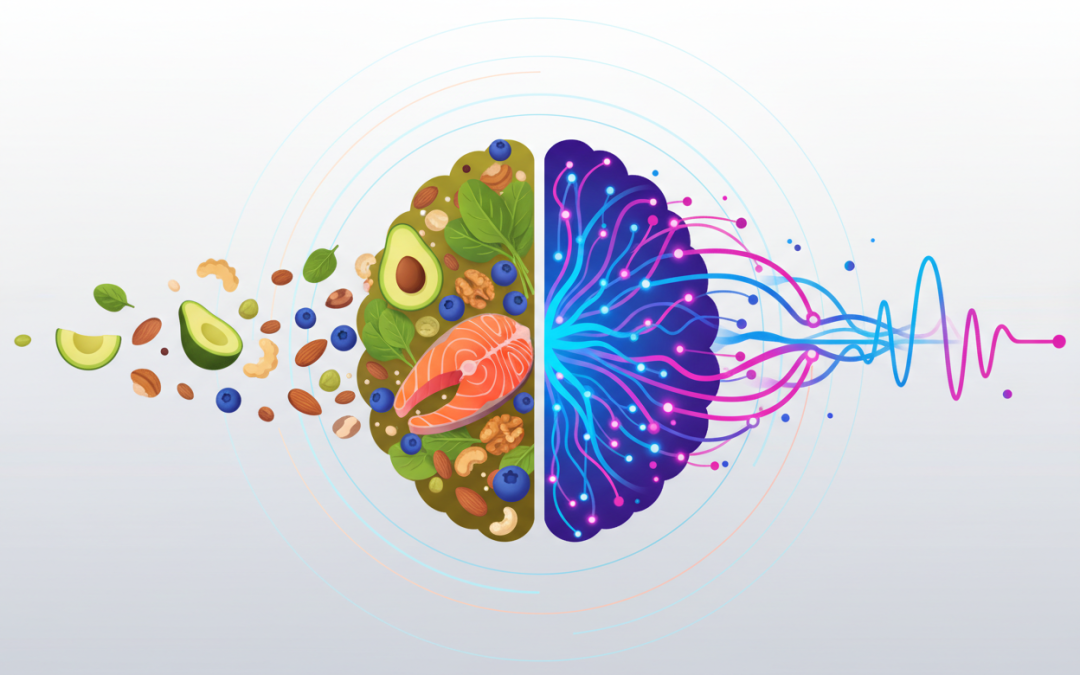
How Diet and Nutrition Affect Your Brainwave Patterns: The Science Behind Food and Mental Performance
Table of Contents
1. Introduction: The Food-Brain Connection
2. Understanding Brainwave Patterns
3. The Science Behind Nutrition and Neural Activity
4. Key Nutrients That Impact Brainwave Function
5. Foods That Enhance Different Brainwave States
6. Dietary Patterns for Optimal Brain Performance
7. The Dark Side: Foods That Disrupt Brainwave Patterns
8. Practical Tips for Brain-Boosting Nutrition
9. Conclusion: Nourishing Your Mind for Peak Performance
10. Frequently Asked Questions
Introduction: The Food-Brain Connection
Have you ever noticed how your mental clarity shifts after a heavy meal, or how a cup of coffee seems to sharpen your focus? You’re not imagining things. The relationship between what we eat and how our brains function is far more profound than most people realize. Every bite you take doesn’t just fuel your body – it directly influences the electrical activity in your brain, affecting everything from your ability to concentrate to your mood and creativity.
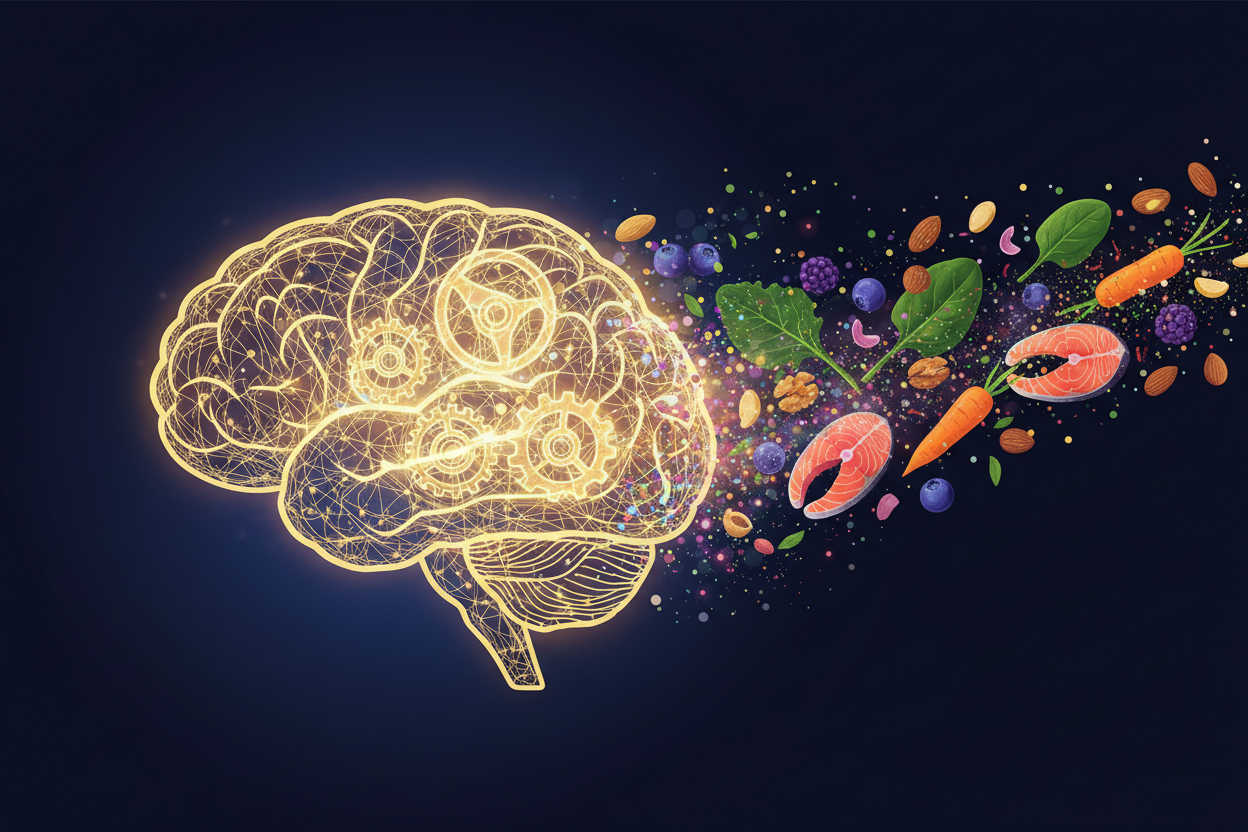
Recent neuroscientific research has revealed fascinating connections between diet, nutrition, and brainwave patterns. These electrical impulses, measured in different frequencies, determine our mental states throughout the day. Understanding how specific foods and nutrients impact these patterns can revolutionize how you approach both your diet and your mental performance.
In this comprehensive guide, we’ll explore the intricate relationship between nutrition and brain function, diving deep into how different foods can either enhance or hinder your cognitive abilities. Whether you’re a student preparing for exams, a professional seeking peak performance, or simply someone interested in optimizing your mental health, this knowledge could be the key to unlocking your brain’s full potential.
Understanding Brainwave Patterns
Before we dive into the nutritional aspects, it’s crucial to understand what brainwave patterns actually are. Your brain is constantly generating electrical activity through billions of neurons communicating with each other. These electrical impulses create measurable patterns that scientists categorize into five main frequency ranges.
Delta waves (0.5-4 Hz) dominate during deep sleep and are essential for physical restoration and memory consolidation. Theta waves (4-8 Hz) appear during light sleep, meditation, and creative states. Alpha waves (8-13 Hz) emerge when you’re relaxed yet alert, often called the “flow state.” Beta waves (13-30 Hz) characterize normal waking consciousness and focused thinking. Finally, gamma waves (30-100 Hz) are associated with high-level cognitive processing and moments of insight.
These patterns aren’t fixed – they fluctuate throughout the day based on various factors, including what you eat. The foods you consume can either support healthy brainwave patterns or create disruptions that leave you feeling foggy, anxious, or mentally sluggish.
The Science Behind Nutrition and Neural Activity
The connection between diet and brainwave patterns operates through several sophisticated mechanisms. Your brain consumes approximately 20% of your daily caloric intake, making it one of the most metabolically active organs in your body. The nutrients you provide directly influence neurotransmitter production, blood flow to the brain, and the overall electrical environment of neural tissue.
Blood sugar levels play a particularly crucial role in brainwave stability. When glucose levels spike and crash, as they do with processed foods and simple sugars, your brainwaves become erratic. This instability manifests as difficulty concentrating, mood swings, and mental fatigue. Conversely, steady blood sugar levels from complex carbohydrates and balanced meals promote more consistent, optimal brainwave patterns.
The blood-brain barrier, which protects your brain from harmful substances, selectively allows certain nutrients to pass through. Amino acids, the building blocks of neurotransmitters, compete for transport across this barrier. This means the balance of proteins in your diet can significantly influence which neurotransmitters your brain produces, directly affecting your brainwave patterns and mental state.
Key Nutrients That Impact Brainwave Function
Omega-3 fatty acids stand out as perhaps the most important nutrients for optimal brainwave function. These essential fats, particularly DHA (docosahexaenoic acid), make up a significant portion of brain cell membranes. Research shows that adequate omega-3 intake supports healthy alpha wave activity, promoting the relaxed alertness associated with peak mental performance.
B-vitamins work as a team to support neurotransmitter synthesis and energy metabolism in the brain. Vitamin B6 is essential for producing GABA, a neurotransmitter that promotes calming alpha waves. B12 and folate support the production of neurotransmitters like serotonin and dopamine, which influence mood-related brainwave patterns.
Magnesium acts as nature’s relaxation mineral, helping to regulate the electrical activity of neurons. Adequate magnesium levels support healthy alpha and theta wave production, while deficiency can lead to excessive beta wave activity associated with anxiety and restlessness.
Antioxidants, including vitamins C and E, protect brain cells from oxidative stress that can disrupt normal electrical activity. These nutrients help maintain the integrity of neural networks, supporting consistent brainwave patterns over time.
Foods That Enhance Different Brainwave States
Different foods can naturally promote specific brainwave patterns, allowing you to strategically eat for desired mental states. For enhanced alpha wave activity and improved focus, incorporate fatty fish like salmon, sardines, and mackerel into your diet. These omega-3 rich foods support the relaxed alertness characteristic of optimal cognitive performance.
Dark leafy greens such as spinach, kale, and Swiss chard provide folate and magnesium that support healthy neurotransmitter function and promote calming brainwave patterns. The natural nitrates in these vegetables also improve blood flow to the brain, enhancing overall neural activity.
Blueberries and other dark berries contain anthocyanins, powerful antioxidants that cross the blood-brain barrier and support gamma wave activity associated with high-level cognitive processing. Regular consumption of berries has been linked to improved memory and enhanced mental clarity.
Complex carbohydrates from sources like quinoa, sweet potatoes, and oats provide steady glucose to the brain while supporting serotonin production. This combination promotes balanced brainwave patterns and sustained mental energy without the crashes associated with simple sugars.
Green tea deserves special mention for its unique combination of caffeine and L-theanine. This pairing promotes alert relaxation by increasing alpha wave activity while maintaining focus – a state highly prized by meditation practitioners and cognitive enhancement enthusiasts.
Dietary Patterns for Optimal Brain Performance
The Mediterranean diet has emerged as one of the most brain-friendly eating patterns, consistently associated with better cognitive function and healthier brainwave patterns. This diet emphasizes olive oil, fish, nuts, fruits, and vegetables – all foods rich in nutrients that support optimal neural activity.
Intermittent fasting has gained attention for its effects on brain function and brainwave patterns. During fasting periods, the brain shifts into a more efficient metabolic state, often characterized by increased alpha and theta wave activity. This can enhance creativity, mental clarity, and emotional regulation.
The ketogenic diet, while controversial, has shown promise for certain individuals in promoting stable brainwave patterns. By shifting the brain’s primary fuel source from glucose to ketones, some people experience more consistent mental energy and reduced brainwave volatility.
Regardless of the specific dietary approach, certain principles consistently support healthy brainwave patterns: eating regular, balanced meals to maintain stable blood sugar, prioritizing whole foods over processed options, staying adequately hydrated, and timing nutrient intake to support natural circadian rhythms.
The Dark Side: Foods That Disrupt Brainwave Patterns
Just as certain foods enhance brainwave function, others can significantly disrupt these delicate patterns. Processed foods high in sugar and refined carbohydrates create rapid spikes and crashes in blood glucose, leading to erratic brainwave activity. These fluctuations manifest as difficulty concentrating, mood instability, and mental fatigue.
Artificial additives, particularly food dyes and preservatives, can negatively impact brainwave patterns in sensitive individuals. Some people experience increased beta wave activity and decreased alpha waves after consuming foods with artificial additives, leading to feelings of anxiety and restlessness.
Excessive caffeine consumption, while initially stimulating, can disrupt natural brainwave patterns and interfere with sleep quality. Poor sleep, in turn, affects the next day’s brainwave patterns, creating a cycle of suboptimal brain function.
Trans fats and highly processed oils can impair the brain’s electrical activity by promoting inflammation and disrupting cell membrane function. These unhealthy fats are found in many packaged snacks, fried foods, and baked goods.
Practical Tips for Brain-Boosting Nutrition
Implementing brain-healthy nutrition doesn’t require a complete dietary overhaul. Start by incorporating one omega-3 rich meal per day, whether it’s salmon for dinner or walnuts in your morning oatmeal. Small, consistent changes often prove more sustainable than dramatic dietary shifts.
Pay attention to meal timing and your mental performance throughout the day. Many people find that eating a protein-rich breakfast supports stable brainwave patterns and sustained focus. Experiment with different foods and notice how they affect your mental clarity and mood.
Stay hydrated, as even mild dehydration can disrupt brainwave patterns and cognitive function. Aim for clear, pale yellow urine as an indicator of adequate hydration. Consider adding electrolytes if you’re very active or live in a hot climate.
Plan ahead by preparing brain-healthy snacks like mixed nuts, berries, or vegetable sticks with hummus. Having nutritious options readily available prevents impulsive food choices that might disrupt your brainwave patterns.
Consider keeping a food and mood journal to identify personal patterns between your diet and mental state. This self-awareness can be incredibly valuable for optimizing your nutrition for peak brain performance.
Conclusion: Nourishing Your Mind for Peak Performance
The relationship between diet and brainwave patterns represents one of the most accessible ways to enhance your mental performance and overall well-being. By understanding how different foods affect your brain’s electrical activity, you can make informed choices that support optimal cognitive function throughout your day.
Remember that everyone’s brain responds differently to various foods and nutrients. What works perfectly for one person might not be ideal for another. The key is to experiment mindfully, pay attention to your body’s responses, and gradually build a personalized approach to brain-healthy nutrition.
As research in this field continues to evolve, we’re likely to discover even more sophisticated connections between nutrition and brain function. For now, focusing on whole foods, stable blood sugar, and key brain-supporting nutrients provides a solid foundation for optimizing your brainwave patterns and unlocking your cognitive potential.
Your brain is your most valuable asset – nourish it wisely, and it will serve you well in all aspects of life.
Frequently Asked Questions
Q: How quickly can dietary changes affect brainwave patterns?
A: Some effects can be noticed within hours, such as the alertness from caffeine or the calming effects of magnesium-rich foods. However, more significant and lasting changes typically occur over weeks to months of consistent dietary improvements.
Q: Can supplements replace a brain-healthy diet for optimizing brainwave patterns?
A: While supplements can be helpful, they work best in conjunction with a nutritious whole-foods diet. The complex interactions between nutrients in natural foods often provide benefits that isolated supplements cannot replicate.
Q: Are there specific foods I should avoid before important mental tasks?
A: Heavy, high-fat meals and foods high in simple sugars should be avoided before important mental work, as they can cause blood sugar fluctuations and redirect energy away from the brain for digestion.
Q: How does hydration affect brainwave patterns?
A: Proper hydration is crucial for optimal brainwave function. Even mild dehydration can disrupt the brain’s electrical activity, leading to decreased concentration, mood changes, and cognitive impairment.
Q: Can intermittent fasting improve brainwave patterns?
A: Research suggests that intermittent fasting may promote beneficial brainwave patterns, including increased alpha and theta waves associated with mental clarity and creativity. However, individual responses vary, and it’s important to consult healthcare providers before making significant dietary changes.