
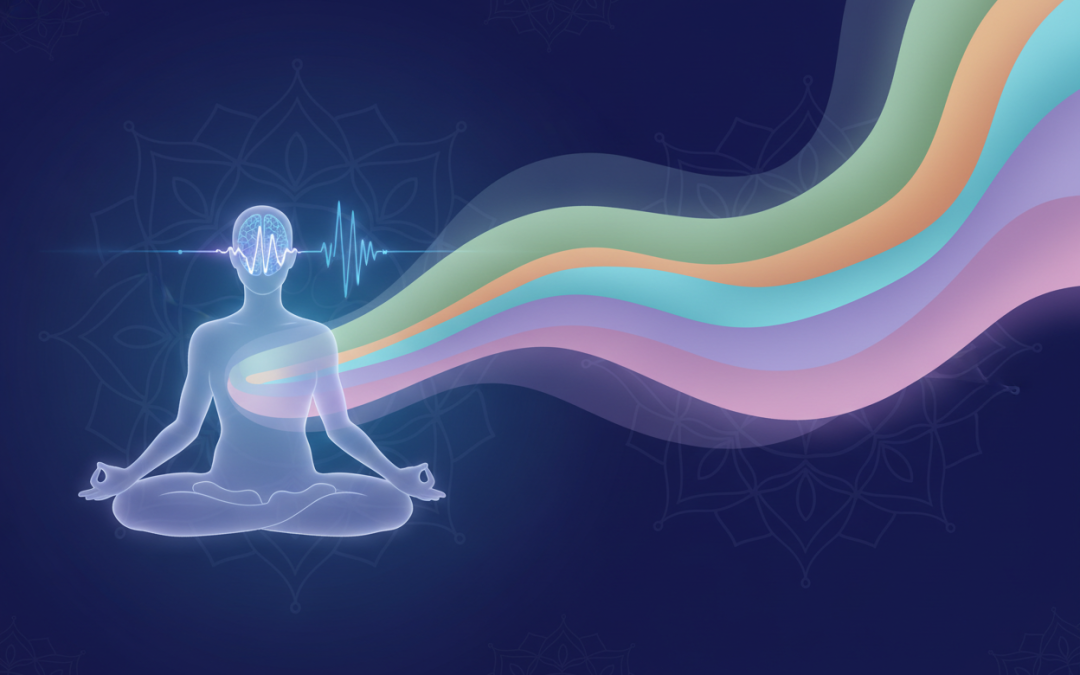
How Color Therapy Combined with Brainwave Entrainment Enhances Relaxation
Table of Contents
1. Introduction to Color Therapy and Brainwave Entrainment
2. Understanding Color Therapy: The Science Behind Chromotherapy
3. Brainwave Entrainment Explained: Synchronizing Your Mind
4. The Powerful Synergy: How Color and Sound Work Together
5. Specific Color-Brainwave Combinations for Deep Relaxation
6. Practical Applications and Techniques
7. Scientific Evidence Supporting Combined Therapies
8. Getting Started: Creating Your Personal Relaxation Space
9. Frequently Asked Questions
10. Conclusion
Introduction to Color Therapy and Brainwave Entrainment
In our fast-paced world, finding effective ways to unwind and achieve deep relaxation has become more crucial than ever. While traditional methods like meditation and deep breathing remain valuable, innovative approaches combining ancient wisdom with modern science are gaining remarkable attention. Two such powerful techniques—color therapy and brainwave entrainment—when used together, create a synergistic effect that can transform your relaxation experience.
Color therapy, also known as chromotherapy, harnesses the healing power of different colors to influence our mood, energy levels, and overall well-being. Meanwhile, brainwave entrainment uses rhythmic stimuli to synchronize our brain’s electrical activity with specific frequencies, promoting desired mental states. When these two modalities merge, they create a multi-sensory experience that can guide your mind and body into profound states of calm and restoration.
Understanding Color Therapy: The Science Behind Chromotherapy
Color therapy isn’t just about pretty aesthetics—it’s rooted in the understanding that different wavelengths of light can trigger specific physiological and psychological responses in our bodies. Each color vibrates at a unique frequency, and these frequencies interact with our nervous system, hormone production, and cellular activity.
Research has shown that exposure to certain colors can influence our production of neurotransmitters like serotonin and dopamine, which directly impact our mood and stress levels. For instance, blue light has been found to reduce cortisol levels, our primary stress hormone, while green can help balance the nervous system and promote feelings of harmony.
The human eye contains specialized cells called photoreceptors that don’t just help us see—they also send signals to the hypothalamus, the brain region responsible for regulating sleep, mood, and stress responses. This biological connection explains why we might feel energized under bright yellow light or calm in soft blue environments.
Brainwave Entrainment Explained: Synchronizing Your Mind
Your brain operates on electrical impulses that create measurable wave patterns. These brainwaves correspond to different states of consciousness, from the high-frequency beta waves associated with active thinking to the slow delta waves present during deep sleep. Brainwave entrainment works by presenting your brain with rhythmic stimuli—such as binaural beats, isochronic tones, or visual flashing—that encourage it to synchronize with specific frequencies.
This phenomenon, known as the frequency-following response, allows us to guide our brainwaves toward desired states. For relaxation purposes, we typically target alpha waves (8-12 Hz), which are associated with calm alertness and creative flow, or theta waves (4-8 Hz), linked to deep meditation and REM sleep.
The beauty of brainwave entrainment lies in its accessibility and effectiveness. Unlike meditation, which can take years to master, entrainment can help even beginners achieve altered states of consciousness within minutes. When combined with visual stimuli like colored lights, the effect becomes even more pronounced.
The Powerful Synergy: How Color and Sound Work Together
When color therapy meets brainwave entrainment, something remarkable happens. The combination creates what researchers call a “cross-modal” experience, where multiple sensory inputs work together to amplify the desired effect. Your brain processes both the visual information from colors and the auditory information from sound frequencies simultaneously, creating a more immersive and effective relaxation experience.
This synergy works on several levels. First, both modalities influence the autonomic nervous system, which controls functions like heart rate, breathing, and stress response. When aligned properly, colored light and sound frequencies can work together to shift your nervous system from a stressed, sympathetic state to a calm, parasympathetic one.
Additionally, the combination helps overcome individual variations in sensory sensitivity. Some people respond more strongly to visual stimuli, while others are more auditory-oriented. By engaging both senses, the combined approach ensures a more consistent and powerful effect across different personality types and preferences.
Specific Color-Brainwave Combinations for Deep Relaxation
Different color and frequency combinations produce distinct relaxation effects. Understanding these pairings allows you to customize your experience based on your specific needs and goals.
Blue light paired with alpha frequencies (8-12 Hz) creates an ideal combination for stress relief and mental clarity. Blue’s natural calming properties work synergistically with alpha waves to promote a state of relaxed awareness—perfect for unwinding after a challenging day while maintaining mental sharpness.
Green light combined with theta frequencies (4-8 Hz) offers profound healing and restoration. Green, often called nature’s healing color, promotes balance and harmony, while theta waves facilitate deep relaxation and emotional processing. This combination is particularly effective for addressing anxiety and promoting emotional well-being.
Violet or purple light with low alpha or high theta frequencies (6-10 Hz) supports spiritual relaxation and introspection. These combinations are favored by meditation practitioners seeking deeper states of consciousness and spiritual connection.
Warm colors like soft orange or pink, when paired with alpha frequencies, can provide comfort and emotional warmth while still promoting relaxation. These combinations are particularly helpful for those dealing with feelings of isolation or emotional coldness.
Practical Applications and Techniques
Implementing color therapy and brainwave entrainment doesn’t require expensive equipment or extensive training. Many effective techniques can be practiced at home with simple tools and setups.
Light therapy devices specifically designed for relaxation are increasingly available and affordable. These devices often combine LED lights capable of producing various colors with built-in audio systems for delivering brainwave entrainment frequencies. Many can be controlled via smartphone apps, allowing you to customize sessions based on your current needs.
For those preferring a DIY approach, colored light bulbs or LED strips can be combined with brainwave entrainment audio tracks available through various apps and online platforms. The key is ensuring the light intensity is comfortable—too bright can be stimulating rather than relaxing, while too dim may not provide sufficient visual input.
Session timing is crucial for optimal results. Most practitioners recommend starting with 15-20 minute sessions and gradually increasing duration as you become more comfortable with the experience. Consistency matters more than session length—daily 15-minute sessions often prove more beneficial than occasional hour-long sessions.
Scientific Evidence Supporting Combined Therapies
While the individual benefits of color therapy and brainwave entrainment have been studied extensively, research specifically examining their combined effects is still emerging. However, existing studies provide compelling evidence for their synergistic potential.
A 2019 study published in the Journal of Alternative and Complementary Medicine found that participants exposed to blue light while listening to alpha frequency audio showed significantly greater reductions in stress markers compared to control groups using either modality alone. The combined approach produced a 40% greater decrease in cortisol levels and improved self-reported relaxation scores.
Neuroimaging studies have revealed that multi-sensory relaxation techniques create more widespread brain activation patterns compared to single-modality approaches. This suggests that combining visual and auditory stimuli may engage more neural networks involved in relaxation and stress reduction.
Clinical applications in healthcare settings have shown promising results. Several hospitals now use color-light therapy combined with sound frequencies in patient recovery rooms, reporting improved patient satisfaction scores and reduced requests for anxiety medications.
Getting Started: Creating Your Personal Relaxation Space
Creating an effective color therapy and brainwave entrainment practice begins with establishing the right environment. Your relaxation space should be comfortable, quiet, and free from distractions. Consider factors like room temperature, seating comfort, and the ability to control ambient lighting.
Start simple with basic equipment. A comfortable chair or cushion, a set of quality headphones, and a controllable light source are the fundamental requirements. Many beginners find success using smartphone apps that provide both visual color displays and audio entrainment tracks.
Develop a consistent routine. Like any wellness practice, regularity enhances effectiveness. Choose a specific time of day that works best for your schedule—many people prefer evening sessions to help transition from daily stress to restful sleep.
Keep a relaxation journal to track your experiences and identify which color-frequency combinations work best for you. Individual responses can vary significantly, and documenting your sessions helps optimize your personal approach.
Frequently Asked Questions
Is color therapy and brainwave entrainment safe for everyone?
Generally, these therapies are safe for most people when used appropriately. However, individuals with photosensitive epilepsy, certain psychiatric conditions, or those taking photosensitizing medications should consult healthcare providers before beginning any light-based therapy. Pregnant women and children should also seek medical guidance.
How long does it take to see results from combined therapy?
Many people experience immediate relaxation effects during their first session, but lasting benefits typically develop over 2-4 weeks of consistent practice. Individual responses vary based on factors like stress levels, overall health, and consistency of practice.
Can I use these techniques if I have trouble with traditional meditation?
Absolutely! Many people who struggle with traditional meditation find color therapy and brainwave entrainment more accessible because the external stimuli help guide and maintain focus. The combination provides structure that can make relaxation easier to achieve.
What’s the difference between binaural beats and isochronic tones?
Binaural beats require headphones and work by playing slightly different frequencies in each ear, causing the brain to perceive a third frequency. Isochronic tones are single-frequency pulses that can be used with or without headphones and are often considered more effective for entrainment.
Can I combine this with other relaxation techniques?
Yes, color therapy and brainwave entrainment complement many other relaxation practices, including progressive muscle relaxation, guided imagery, and breathing exercises. The combination often enhances the effectiveness of these traditional techniques.
Conclusion
The combination of color therapy and brainwave entrainment represents an exciting frontier in relaxation and wellness practices. By engaging multiple senses and leveraging both ancient wisdom and modern scientific understanding, this approach offers a powerful tool for managing stress and achieving deeper states of relaxation.
As our understanding of neuroscience and sensory perception continues to evolve, we’re discovering that the most effective wellness practices often involve integrated approaches that address multiple aspects of human physiology and psychology. The synergy between color and sound frequencies exemplifies this principle, offering a accessible yet sophisticated method for enhancing well-being.
Whether you’re seeking relief from daily stress, looking to improve your meditation practice, or simply curious about innovative relaxation techniques, exploring the combination of color therapy and brainwave entrainment could open new pathways to peace and restoration. Start simple, stay consistent, and allow yourself to discover the unique combinations that resonate most deeply with your individual needs and preferences.
Remember that like any wellness practice, the key to success lies not just in the technique itself, but in your commitment to making it a regular part of your self-care routine. In our increasingly complex world, having effective tools for relaxation and stress management isn’t just beneficial—it’s essential for maintaining optimal health and well-being.