
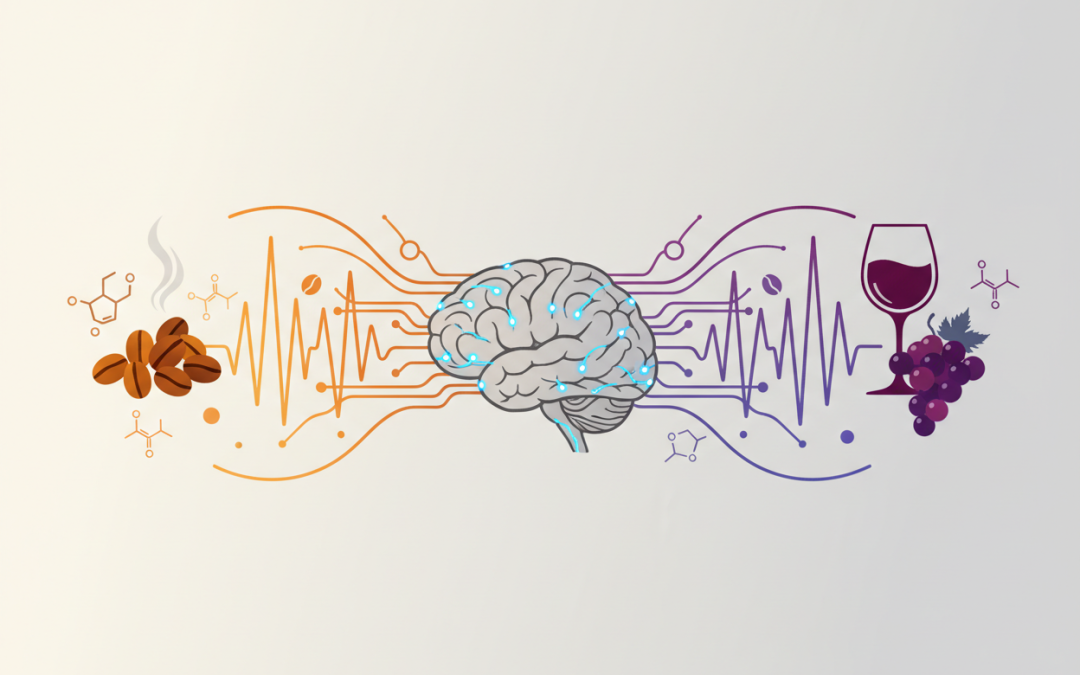
How Caffeine and Alcohol Affect Brainwave Entrainment: A Complete Guide
Table of Contents
1. Introduction to Brainwave Entrainment
2. Understanding Caffeine’s Impact on Brainwaves
3. How Alcohol Disrupts Neural Synchronization
4. The Science Behind Substance-Induced Brainwave Changes
5. Optimizing Brainwave Entrainment Sessions
6. Practical Tips for Better Results
7. Long-term Effects and Considerations
8. Conclusion
9. Frequently Asked Questions
Introduction to Brainwave Entrainment
Have you ever wondered why that morning cup of coffee seems to make your meditation app less effective? Or why attempting brainwave entrainment after a glass of wine feels like swimming upstream? You’re not imagining things. The relationship between what we consume and how our brains respond to entrainment techniques is more complex than most people realize.
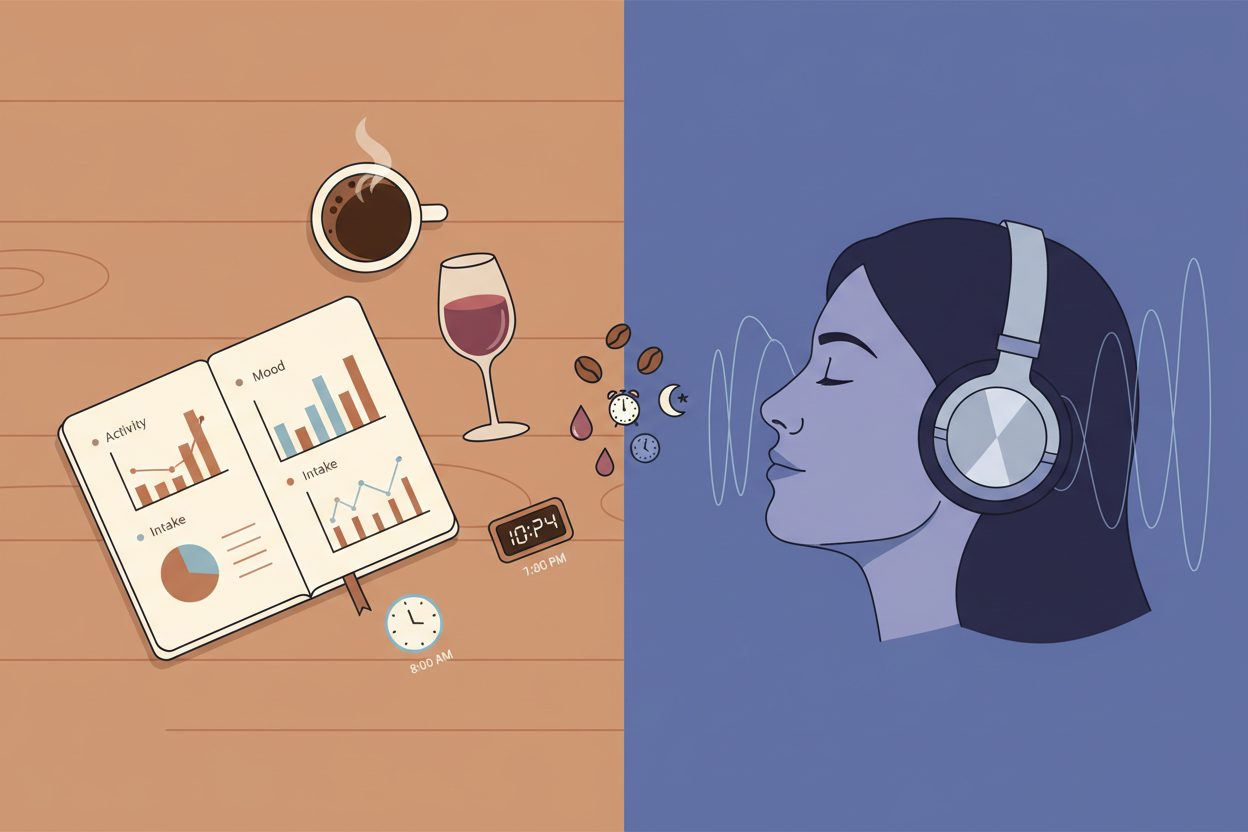
Brainwave entrainment, the practice of synchronizing brainwaves to external stimuli like binaural beats or light pulses, has gained tremendous popularity in recent years. From improving focus to enhancing sleep quality, millions of people worldwide use these techniques daily. However, the substances we consume can dramatically alter how effectively our brains respond to these interventions.
In this comprehensive guide, we’ll explore the fascinating intersection of neurochemistry and brainwave entrainment, examining how caffeine and alcohol specifically impact your brain’s ability to synchronize with external frequencies. Whether you’re a seasoned practitioner or just getting started with brainwave entrainment, understanding these interactions could be the key to unlocking better results.
Understanding Caffeine’s Impact on Brainwaves
Caffeine is arguably the world’s most popular psychoactive substance, consumed by billions of people daily. But what exactly happens in your brain when you combine your morning espresso with a brainwave entrainment session?
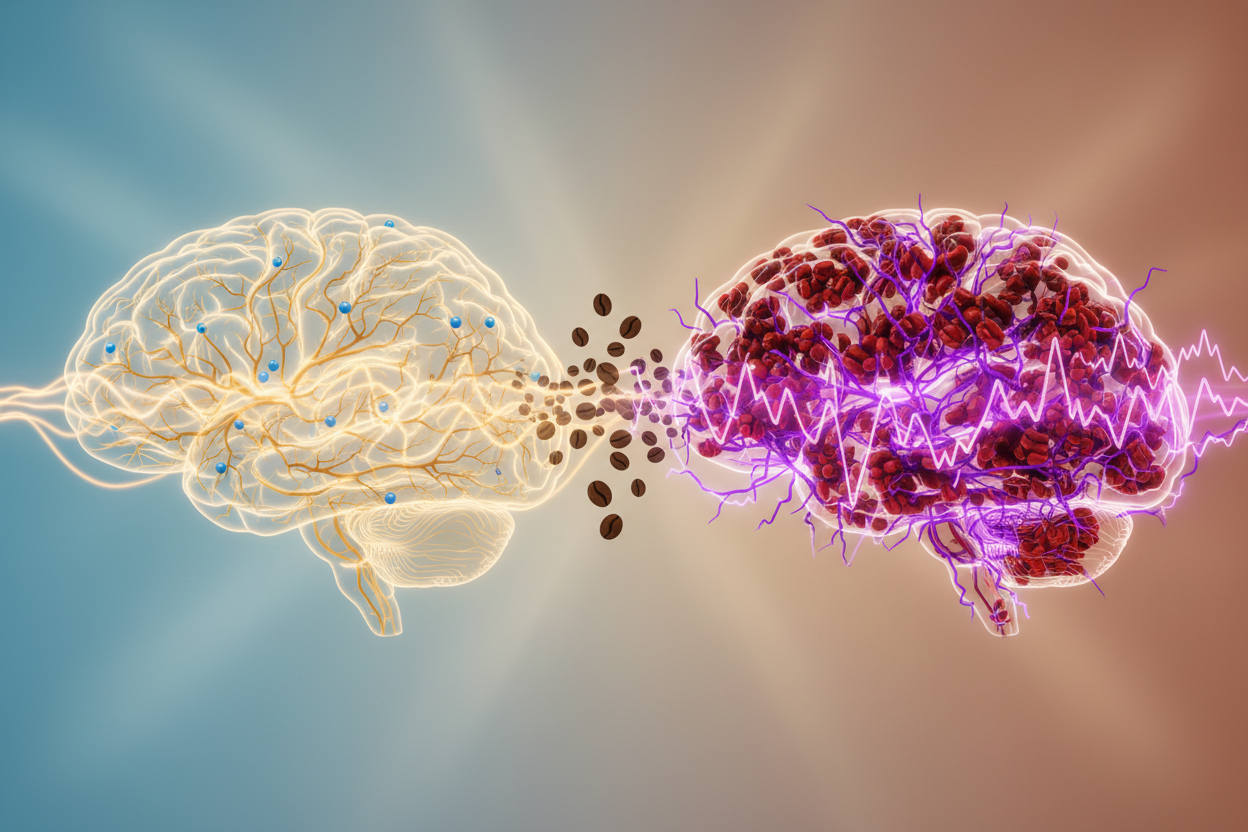
When caffeine enters your system, it primarily works by blocking adenosine receptors in your brain. Adenosine is a neurotransmitter that promotes sleepiness and relaxation. By preventing adenosine from binding to its receptors, caffeine effectively keeps you alert and awake. This mechanism has profound implications for brainwave entrainment.
Research shows that caffeine consumption significantly increases beta wave activity in the brain. Beta waves, operating at frequencies between 13-30 Hz, are associated with active concentration, alertness, and analytical thinking. While this might sound beneficial for certain types of entrainment, it can actually create interference when you’re trying to achieve other brainwave states.
For instance, if you’re attempting to use brainwave entrainment to reach an alpha state (8-12 Hz) for relaxation or creativity, the caffeine-induced beta activity can act as neurological “noise,” making it much harder for your brain to lock onto the desired frequency. It’s like trying to tune into a radio station while someone’s playing loud music in the background.
Interestingly, the timing of caffeine consumption matters enormously. The half-life of caffeine in the average adult is approximately 5-6 hours, meaning that even if you had coffee at noon, significant amounts are still circulating in your system by evening. This extended presence can affect not just your sleep-focused entrainment sessions but any attempt to achieve slower brainwave states throughout the day.
How Alcohol Disrupts Neural Synchronization
While caffeine pushes your brain toward higher frequencies, alcohol has the opposite effect, but with equally disruptive consequences for brainwave entrainment. Understanding alcohol’s neurological impact reveals why that relaxing glass of wine might actually sabotage your meditation or sleep entrainment session.
Alcohol primarily affects the brain by enhancing the activity of GABA (gamma-aminobutyric acid), the brain’s primary inhibitory neurotransmitter. This creates the familiar relaxing, sedating effects associated with alcohol consumption. Simultaneously, alcohol suppresses glutamate, an excitatory neurotransmitter, further contributing to its depressant effects.
These neurochemical changes manifest as increased delta wave activity (0.5-4 Hz) and disrupted sleep architecture. While delta waves are naturally associated with deep sleep and healing, alcohol-induced delta activity is chaotic and unorganized. This creates a paradoxical situation where your brain is producing the “right” frequency range but in a way that’s incompatible with effective entrainment.
Moreover, alcohol significantly impairs your brain’s natural ability to maintain coherent brainwave patterns. Coherence refers to the synchronized firing of neurons across different brain regions. Effective brainwave entrainment relies heavily on this coherence, as it allows external stimuli to “capture” and guide your brain’s electrical activity. When alcohol disrupts this natural synchronization, even the most sophisticated entrainment protocols become far less effective.
The impact extends beyond the immediate intoxication period. Research indicates that alcohol can affect brainwave patterns for up to 24-48 hours after consumption, depending on the amount consumed and individual metabolism. This means that even moderate drinking can influence your entrainment sessions well into the following day.
The Science Behind Substance-Induced Brainwave Changes
To truly understand how caffeine and alcohol affect brainwave entrainment, we need to dive deeper into the underlying neuroscience. The brain’s electrical activity isn’t random; it’s the result of complex interactions between billions of neurons, neurotransmitters, and various regulatory systems.
Brainwave entrainment works through a phenomenon called “frequency following response” (FFR). When your brain is exposed to rhythmic stimuli at specific frequencies, groups of neurons begin to fire in synchrony with that rhythm. This process requires a delicate balance of excitatory and inhibitory activity, along with sufficient neural plasticity to allow for frequency shifts.
Caffeine disrupts this balance by artificially elevating arousal levels and increasing cortical excitability. Studies using EEG technology have shown that caffeine consumption can increase beta wave power by up to 40% while simultaneously reducing alpha wave activity. This shift creates a neurological environment that’s resistant to frequency following, particularly for lower-frequency entrainment protocols.
Alcohol presents different but equally significant challenges. While it might seem logical that alcohol’s sedating effects would enhance relaxation-focused entrainment, the reality is more complex. Alcohol-induced changes in neurotransmitter activity create what researchers call “pseudo-relaxation” – a state that appears calm on the surface but lacks the organized, coherent neural activity necessary for effective entrainment.
Furthermore, both substances affect the brain’s default mode network (DMN), a collection of brain regions that are active during rest and introspection. The DMN plays a crucial role in many meditation and mindfulness practices that often incorporate brainwave entrainment. Disruption of this network can significantly reduce the effectiveness of these practices.
Optimizing Brainwave Entrainment Sessions
Understanding how caffeine and alcohol affect brainwave entrainment is only valuable if we can apply this knowledge practically. The goal isn’t necessarily to eliminate these substances entirely but to use them strategically to enhance rather than hinder your entrainment practice.
For caffeine users, timing is everything. If you’re planning a focus or concentration-based entrainment session, moderate caffeine consumption 30-45 minutes beforehand might actually be beneficial. The increased beta wave activity can enhance your ability to maintain attention and engage with stimulating frequencies. However, for relaxation, meditation, or sleep-focused sessions, it’s best to wait at least 6-8 hours after caffeine consumption.
Consider creating a “caffeine window” in your daily routine. Many successful practitioners consume their daily caffeine between 9 AM and 2 PM, ensuring that levels are sufficiently low for evening entrainment sessions. This approach allows you to maintain your caffeine habits while preserving the effectiveness of your practice.
When it comes to alcohol, the recommendations are more straightforward: avoid entrainment sessions for at least 24 hours after consumption. If you do choose to practice sooner, focus on very gentle, low-frequency protocols and be prepared for reduced effectiveness. Some practitioners find that light stretching or breathwork can help restore some neural coherence before attempting entrainment after alcohol consumption.
It’s also worth considering the cumulative effects of regular substance use. Chronic caffeine consumption can lead to tolerance, requiring higher doses to achieve the same effects and potentially creating more persistent disruption of natural brainwave patterns. Similarly, regular alcohol use can chronically impair sleep quality and neural coherence, making effective entrainment more challenging even on days when you haven’t consumed alcohol.
Practical Tips for Better Results
Implementing these insights into your daily routine requires practical strategies that work with your lifestyle rather than against it. Here are evidence-based approaches that can help you optimize your brainwave entrainment practice while maintaining flexibility with caffeine and alcohol consumption.
Start by tracking your consumption patterns alongside your entrainment experiences. Keep a simple log noting the time and amount of caffeine or alcohol consumed, along with the effectiveness of your entrainment sessions. Most people are surprised to discover patterns they hadn’t previously noticed. For instance, you might find that even small amounts of caffeine significantly impact your ability to achieve alpha states, or that one glass of wine affects your sessions more than you realized.
Consider experimenting with alternative substances that support rather than hinder entrainment. L-theanine, an amino acid found in tea, can provide alertness without the jittery effects of caffeine and may actually enhance alpha wave production. Similarly, magnesium supplementation has been shown to support healthy sleep patterns and may improve the effectiveness of sleep-focused entrainment protocols.
Hydration plays a crucial role that’s often overlooked. Both caffeine and alcohol have diuretic effects, and even mild dehydration can impair cognitive function and neural coherence. Ensuring adequate hydration before and during entrainment sessions can help mitigate some of the negative effects of these substances.
Temperature regulation is another important factor. Caffeine can increase body temperature and arousal, while alcohol initially causes vasodilation followed by temperature drops. Creating an optimal environment for entrainment – typically cool and comfortable – becomes even more important when these substances are in your system.
Long-term Effects and Considerations
The relationship between substance use and brainwave entrainment extends far beyond immediate effects. Regular practitioners need to consider how long-term consumption patterns might influence their practice and overall brain health.
Chronic caffeine use can lead to adaptive changes in the brain, including alterations in adenosine receptor density and sensitivity. These changes can affect your baseline brainwave patterns and natural circadian rhythms, potentially making you more dependent on caffeine to achieve normal alertness levels. For entrainment practitioners, this can mean that what once required no caffeine may eventually require moderate amounts just to reach baseline effectiveness.
Similarly, regular alcohol consumption can have lasting effects on sleep architecture, stress response systems, and overall neural plasticity. These changes can make it progressively more difficult to achieve the deep, restorative states that many entrainment protocols are designed to facilitate.
However, there’s also encouraging news. The brain’s neuroplasticity means that positive changes are always possible. Many practitioners find that as they develop stronger entrainment skills, they naturally become more sensitive to how substances affect their practice, leading to more mindful consumption patterns.
Some long-term practitioners report that consistent brainwave entrainment practice actually reduces their desire for caffeine and alcohol. The improved sleep quality, stress management, and emotional regulation that often result from regular practice can address some of the underlying reasons people turn to these substances in the first place.
Conclusion
The intersection of caffeine, alcohol, and brainwave entrainment reveals the intricate ways our daily choices influence our brain’s capacity for change and growth. While both substances can significantly impact the effectiveness of entrainment protocols, understanding these interactions empowers us to make informed decisions that support our goals.
The key takeaway isn’t that you must choose between your morning coffee or evening wine and your entrainment practice. Instead, it’s about developing awareness of how these substances affect your unique neurological landscape and adjusting your approach accordingly. Some days, that might mean timing your sessions differently. Other days, it might mean modifying your expectations or choosing different types of entrainment protocols.
Remember that brainwave entrainment is a practice, and like any practice, it benefits from consistency, patience, and mindful attention to the factors that influence its effectiveness. By understanding how caffeine and alcohol affect your brain’s ability to synchronize with external frequencies, you’re taking an important step toward optimizing your practice and achieving your desired outcomes.
As research in this field continues to evolve, we’re likely to discover even more nuanced relationships between lifestyle factors and brainwave entrainment effectiveness. For now, the evidence clearly suggests that mindful consumption, strategic timing, and careful observation of your own responses are the best tools for navigating these complex interactions.
Frequently Asked Questions
How long should I wait after drinking coffee before doing brainwave entrainment?
For relaxation or meditation-focused entrainment, wait at least 6-8 hours after caffeine consumption. For focus-based entrainment, you might actually benefit from moderate caffeine 30-45 minutes before your session.
Can I use brainwave entrainment to help with alcohol withdrawal symptoms?
While brainwave entrainment may help with relaxation and sleep issues during withdrawal, it should never replace professional medical care. Always consult with a healthcare provider for alcohol withdrawal management.
Does decaf coffee affect brainwave entrainment?
Decaf coffee contains minimal caffeine (2-5mg per cup compared to 95mg in regular coffee) and shouldn’t significantly impact entrainment effectiveness for most people.
Are there any substances that can enhance brainwave entrainment?
L-theanine, magnesium, and proper hydration may support entrainment effectiveness. However, the most important factors are consistent practice and optimal environmental conditions.
How does tolerance to caffeine affect brainwave entrainment over time?
Caffeine tolerance can alter your baseline brainwave patterns, potentially making you more dependent on caffeine to achieve normal alertness levels during entrainment sessions.
Can I use brainwave entrainment to reduce my dependence on caffeine or alcohol?
Many practitioners find that improved sleep quality and stress management from regular entrainment practice naturally reduces their desire for these substances, though individual results vary.