
How Brainwave Patterns Change During Different Types of Laughter: The Fascinating Science Behind Our Joy
Table of Contents
1. Introduction: The Universal Language of Laughter
2. Understanding Brainwave Patterns: The Basics
3. The Science Behind Laughter in the Brain
4. Spontaneous Laughter: When Joy Takes Over
5. Social Laughter: The Connection Factor
6. Nervous Laughter: When Anxiety Meets Humor
7. Forced Laughter: The Artificial Response
8. The Therapeutic Benefits of Different Laughter Types
9. How Researchers Study Laughter and Brainwaves
10. Practical Applications in Daily Life
11. Conclusion: Embracing the Power of Laughter
12. Frequently Asked Questions
Introduction: The Universal Language of Laughter
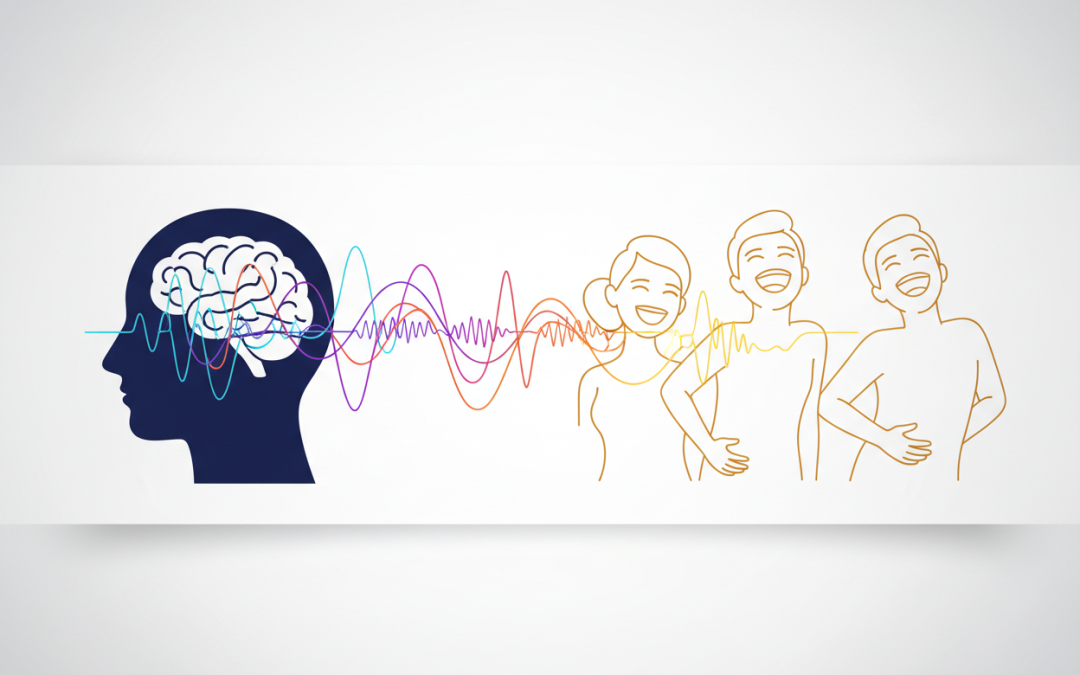
Have you ever wondered what’s actually happening inside your brain when you burst into uncontrollable giggles at a friend’s joke, or when you let out that awkward laugh during a tense meeting? Laughter, one of humanity’s most universal expressions, creates fascinating changes in our neural activity that scientists are only beginning to understand.
Recent advances in neuroscience have revealed that different types of laughter produce distinct brainwave patterns, each telling a unique story about our emotional state, social connections, and mental well-being. From the genuine belly laugh that leaves you breathless to the polite chuckle at your boss’s not-so-funny joke, each type of laughter creates its own neurological signature.
Understanding these patterns isn’t just academic curiosity – it has real implications for mental health, social psychology, and even therapeutic interventions. Let’s dive into the remarkable world of laughter neuroscience and discover how our brains orchestrate this complex human behavior.
Understanding Brainwave Patterns: The Basics
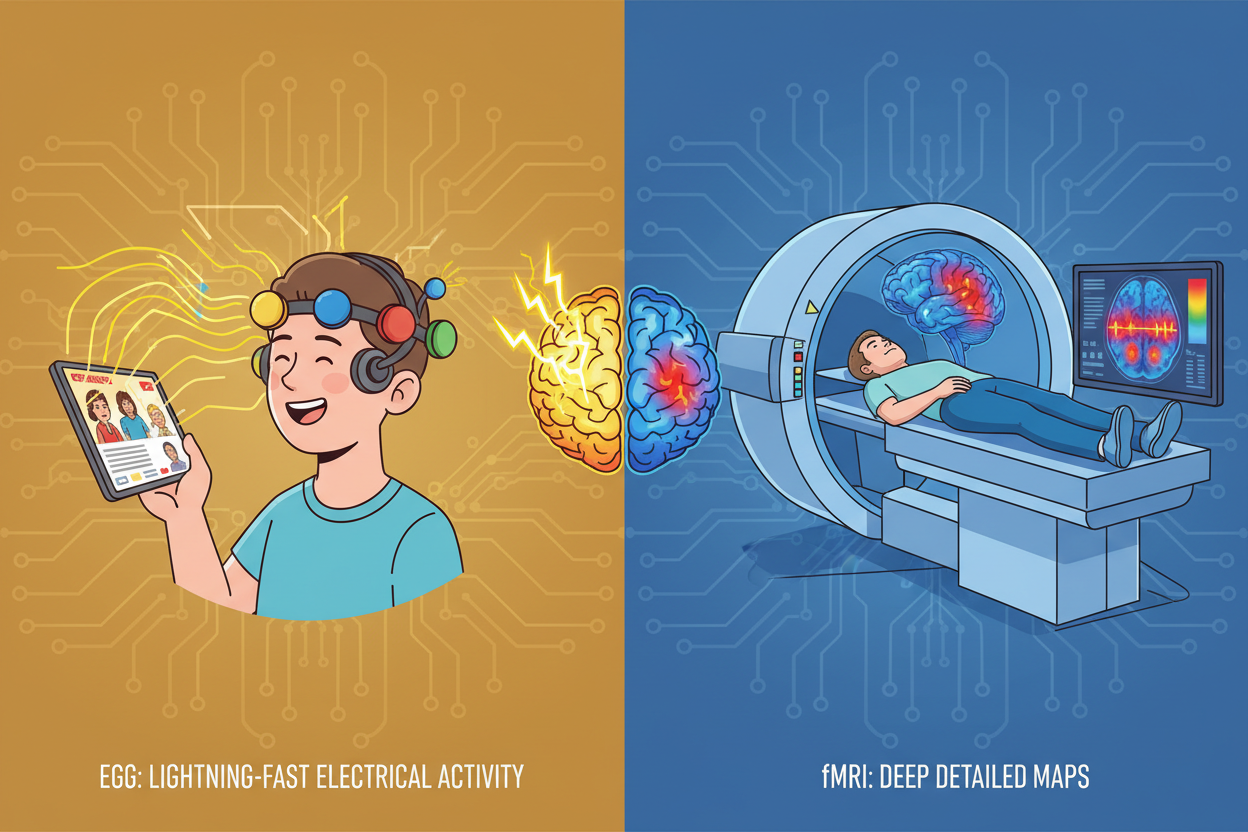
Before we explore laughter-specific brainwaves, it’s essential to understand what brainwaves are and how they’re measured. Brainwaves are electrical impulses generated by billions of neurons communicating with each other. These patterns can be detected and recorded using electroencephalography (EEG), which places electrodes on the scalp to measure electrical activity.
Scientists categorize brainwaves into five main frequency bands:
Delta waves (0.5-4 Hz): Associated with deep sleep and unconscious processes
Theta waves (4-8 Hz): Linked to creativity, meditation, and REM sleep
Alpha waves (8-13 Hz): Present during relaxed, calm states
Beta waves (13-30 Hz): Dominant during active thinking and concentration
Gamma waves (30-100 Hz): Associated with heightened awareness and cognitive processing
When we laugh, these brainwave patterns shift dramatically, creating unique signatures that researchers can now identify and analyze. The complexity of laughter means that multiple frequency bands are often active simultaneously, creating rich, layered patterns of neural activity.
The Science Behind Laughter in the Brain
Laughter isn’t controlled by a single brain region – it’s a complex process involving multiple neural networks working in harmony. The primary areas involved include the prefrontal cortex (for humor comprehension), the limbic system (for emotional processing), and the brainstem (for the physical act of laughing).
When something strikes us as funny, our brains go through a rapid sequence of events. First, the prefrontal cortex processes the humor and determines whether something is genuinely amusing. Then, the limbic system, particularly the amygdala and hippocampus, adds emotional context and triggers the appropriate response.
What’s particularly fascinating is that this entire process happens in milliseconds, and the resulting brainwave patterns can vary dramatically depending on the type of laughter being produced. Recent studies using advanced neuroimaging techniques have shown that authentic laughter activates reward centers in the brain, releasing feel-good neurotransmitters like dopamine and endorphins.
Spontaneous Laughter: When Joy Takes Over
Spontaneous laughter – the kind that bubbles up naturally when something genuinely amuses us – produces some of the most interesting brainwave patterns researchers have observed. During genuine, spontaneous laughter, there’s typically a surge in gamma wave activity, particularly in the prefrontal cortex and temporal lobes.
This gamma wave increase is accompanied by synchronized alpha waves across multiple brain regions, creating what scientists call “neural coherence.” It’s as if different parts of the brain are suddenly working in perfect harmony, which may explain why genuine laughter feels so satisfying and refreshing.
Studies have shown that during spontaneous laughter, there’s also increased activity in the brain’s default mode network – the same network that’s active during meditation and creative thinking. This might explain why we often have our best ideas or feel most relaxed after a good laugh with friends.
The brainwave patterns during spontaneous laughter also show increased theta wave activity in the hippocampus, which is associated with memory formation. This could be why we tend to remember funny moments so vividly and why shared laughter creates such strong social bonds.
Social Laughter: The Connection Factor
Social laughter – the kind we share with others in group settings – creates distinctly different brainwave patterns compared to solitary amusement. When we laugh with others, our brains show increased activity in mirror neuron systems, which help us empathize and connect with those around us.
Research has revealed that social laughter produces synchronized beta waves between the temporal and parietal lobes, areas crucial for social cognition and theory of mind. This synchronization appears to be the brain’s way of creating social bonds and establishing group cohesion.
Interestingly, social laughter often shows less intense gamma wave activity compared to spontaneous laughter, but it demonstrates more sustained alpha wave patterns. This suggests that while social laughter might not always be as intensely pleasurable as genuine spontaneous laughter, it creates a more prolonged state of relaxation and social connection.
The contagious nature of laughter also shows up in brainwave patterns. When we hear others laughing, even before we consciously decide to join in, our brains begin showing preparatory patterns similar to those seen during actual laughter. It’s as if our neural circuits are primed for social participation before we even realize it.
Nervous Laughter: When Anxiety Meets Humor
Nervous laughter presents a fascinating case study in how our brains handle conflicting emotions. When we laugh nervously – perhaps during an awkward social situation or when we’re anxious – our brainwave patterns show a unique mixture of stress and humor responses.
During nervous laughter, researchers observe increased beta wave activity in the anterior cingulate cortex, a region associated with conflict monitoring and emotional regulation. This is often accompanied by elevated gamma waves in the amygdala, reflecting the underlying anxiety or stress that’s triggering the nervous response.
What’s particularly interesting is that nervous laughter shows irregular alpha wave patterns, unlike the smooth, synchronized alpha waves seen in genuine laughter. This irregularity might reflect the brain’s attempt to use humor as a coping mechanism while simultaneously processing stress or discomfort.
Despite its anxious origins, nervous laughter can still provide some psychological benefits. The act of laughing, even when it’s nervous, still triggers the release of some endorphins and can help regulate stress hormones. However, the brainwave patterns suggest it’s not as neurologically rewarding as genuine laughter.
Forced Laughter: The Artificial Response
Forced or fake laughter – the kind we might produce to be polite or to fit in socially – creates perhaps the most distinctive brainwave patterns of all laughter types. When we force laughter, our brains show increased activity in the prefrontal cortex, reflecting the conscious effort required to produce an artificial response.
Unlike genuine laughter, forced laughter shows minimal gamma wave activity and lacks the synchronized alpha patterns associated with authentic amusement. Instead, there’s typically increased beta wave activity in areas associated with motor control and conscious decision-making.
Interestingly, the brain seems to “know” when laughter is forced. Neuroimaging studies show that forced laughter activates different neural pathways compared to genuine laughter, bypassing many of the reward centers that make authentic laughter so pleasurable.
However, there’s an intriguing twist: even forced laughter can sometimes trigger genuine amusement, especially in social settings. When this happens, researchers observe a rapid shift in brainwave patterns from the artificial beta-dominant signature to the more natural gamma and alpha patterns of authentic laughter.
The Therapeutic Benefits of Different Laughter Types
Understanding the different brainwave patterns associated with various types of laughter has opened up new avenues for therapeutic interventions. Laughter therapy, once considered alternative medicine, now has solid neurological backing thanks to brainwave research.
Genuine, spontaneous laughter produces brainwave patterns associated with stress reduction, improved mood, and enhanced cognitive function. The gamma wave increases seen during authentic laughter are similar to those observed during meditation and other mindfulness practices, suggesting that laughter might be a natural form of mental training.
Even social laughter, with its emphasis on connection and bonding, has therapeutic value. The synchronized brainwave patterns it produces can help reduce feelings of isolation and depression, particularly important for elderly individuals or those with social anxiety.
Surprisingly, even forced laughter can have benefits. While it doesn’t produce the same rewarding brainwave patterns as genuine laughter, it can still help regulate breathing, reduce muscle tension, and create opportunities for social connection that might eventually lead to authentic amusement.
How Researchers Study Laughter and Brainwaves
Studying laughter in a laboratory setting presents unique challenges. How do you make someone genuinely laugh while they’re connected to monitoring equipment in a clinical environment? Researchers have developed creative solutions to this problem.
Many studies use comedy videos, jokes, or even tickling to elicit different types of laughter while measuring brainwave activity through EEG. Some researchers use functional magnetic resonance imaging (fMRI) to get detailed pictures of brain activity during laughter, though this method is less suitable for capturing the rapid changes in electrical activity that characterize different laughter types.
One innovative approach involves studying laughter in more natural social settings using portable EEG devices. This allows researchers to capture authentic social laughter and compare it to the more artificial laughter often produced in laboratory settings.
The field is also benefiting from advances in machine learning and artificial intelligence, which can help identify subtle patterns in brainwave data that might not be apparent to human researchers. These tools are revealing increasingly sophisticated details about how different types of laughter affect our neural activity.
Practical Applications in Daily Life
Understanding how different types of laughter affect our brainwaves isn’t just academic – it has practical implications for how we can use laughter to improve our mental health and social relationships.
For instance, knowing that genuine laughter produces the most beneficial brainwave patterns might encourage us to seek out truly amusing experiences rather than just going through the motions of social politeness. This could mean spending time with people who genuinely make us laugh or engaging with humor that truly resonates with us.
The research also suggests that even when we don’t feel like laughing, the act of laughing – even if forced initially – can sometimes lead to genuine amusement and its associated benefits. This supports the “fake it till you make it” approach used in some therapeutic settings.
For educators and workplace managers, understanding the social bonding effects of shared laughter could inform strategies for team building and creating positive environments. The synchronized brainwave patterns seen during social laughter suggest it’s a powerful tool for creating group cohesion.
Conclusion: Embracing the Power of Laughter
The study of brainwave patterns during different types of laughter reveals just how sophisticated and beneficial this seemingly simple human behavior really is. From the gamma wave surges of spontaneous joy to the social synchronization patterns of group laughter, each type serves important psychological and social functions.
Perhaps most remarkably, the research shows that laughter isn’t just a response to humor – it’s an active process that can reshape our brain activity, improve our mood, and strengthen our social bonds. The distinct brainwave patterns associated with different types of laughter provide a window into the complex neural mechanisms that make us uniquely human.
As we continue to unravel the mysteries of laughter neuroscience, one thing becomes increasingly clear: laughter truly is powerful medicine for both our brains and our relationships. Whether it’s the infectious joy of spontaneous laughter or the connecting power of social amusement, understanding these patterns helps us appreciate why laughter has been called the best medicine.
So the next time you find yourself laughing – whether it’s a genuine belly laugh or even a nervous chuckle – remember that your brain is performing an incredibly complex dance of neural activity, one that’s been fine-tuned by millions of years of evolution to help you connect, cope, and thrive.
Frequently Asked Questions
Can forced laughter eventually become genuine laughter?
Yes, research shows that forced laughter can sometimes trigger genuine amusement, especially in social settings. When this happens, brainwave patterns shift from the artificial beta-dominant signature to the more natural gamma and alpha patterns of authentic laughter.
Are the health benefits of laughter the same regardless of the type?
No, different types of laughter produce different benefits. Genuine, spontaneous laughter creates the most beneficial brainwave patterns for stress reduction and mood improvement, while social laughter is particularly good for bonding and reducing feelings of isolation.
How quickly do brainwave patterns change during laughter?
Brainwave patterns change very rapidly during laughter, often within milliseconds. The brain processes humor and triggers the appropriate laughter response almost instantaneously, which is why laughter often feels so automatic and natural.
Can laughter therapy actually change brain function?
Yes, regular laughter therapy can lead to lasting changes in brain function. The brainwave patterns associated with laughter are similar to those seen during meditation and other beneficial mental practices, suggesting that laughter can serve as a form of brain training.
Is nervous laughter harmful to the brain?
While nervous laughter shows different brainwave patterns than genuine laughter and reflects underlying stress, it’s not harmful. In fact, it can still provide some stress-relief benefits and serve as a coping mechanism during difficult situations.
Do children and adults show different brainwave patterns when laughing?
Research suggests that while the basic patterns are similar, children often show more intense and widespread brainwave activity during laughter, possibly reflecting their greater capacity for spontaneous joy and their still-developing neural networks.