
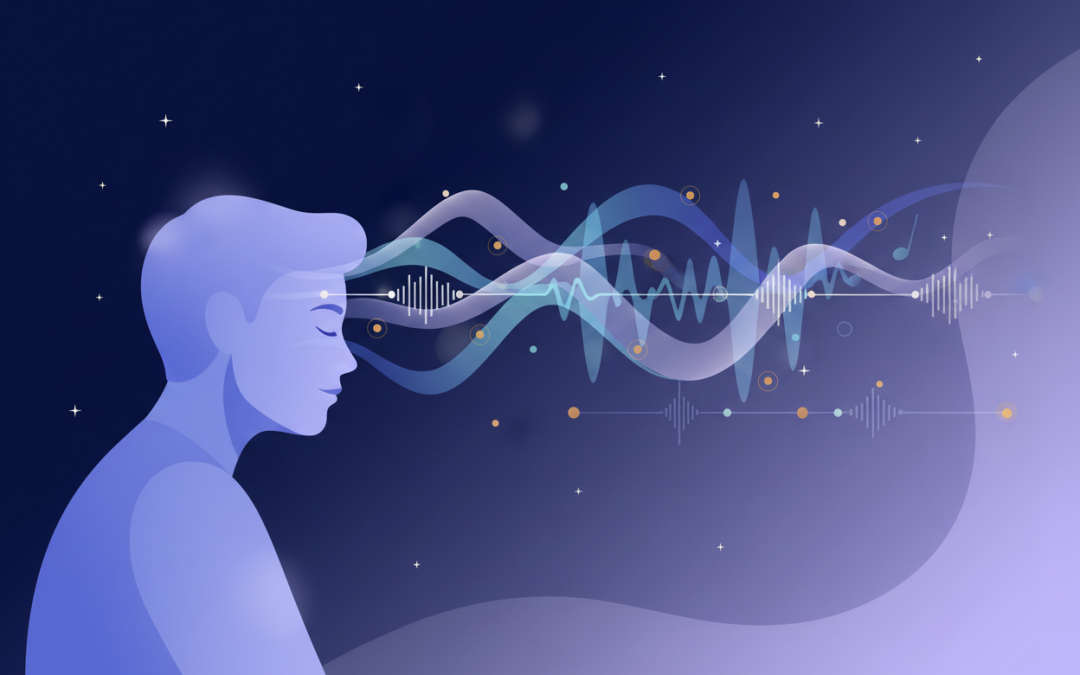
How Brainwave Entrainment Can Help with Insomnia: A Natural Path to Better Sleep
Table of Contents
1. Introduction to Brainwave Entrainment and Sleep
2. Understanding the Science Behind Brainwave Entrainment
3. How Sleep Disorders Affect Your Brain Waves
4. Types of Brainwave Entrainment for Better Sleep
5. The Benefits of Using Brainwave Entrainment for Insomnia
6. How to Get Started with Brainwave Entrainment
7. Best Practices and Safety Considerations
8. Real-World Success Stories
9. Frequently Asked Questions
10. Conclusion
Introduction to Brainwave Entrainment and Sleep
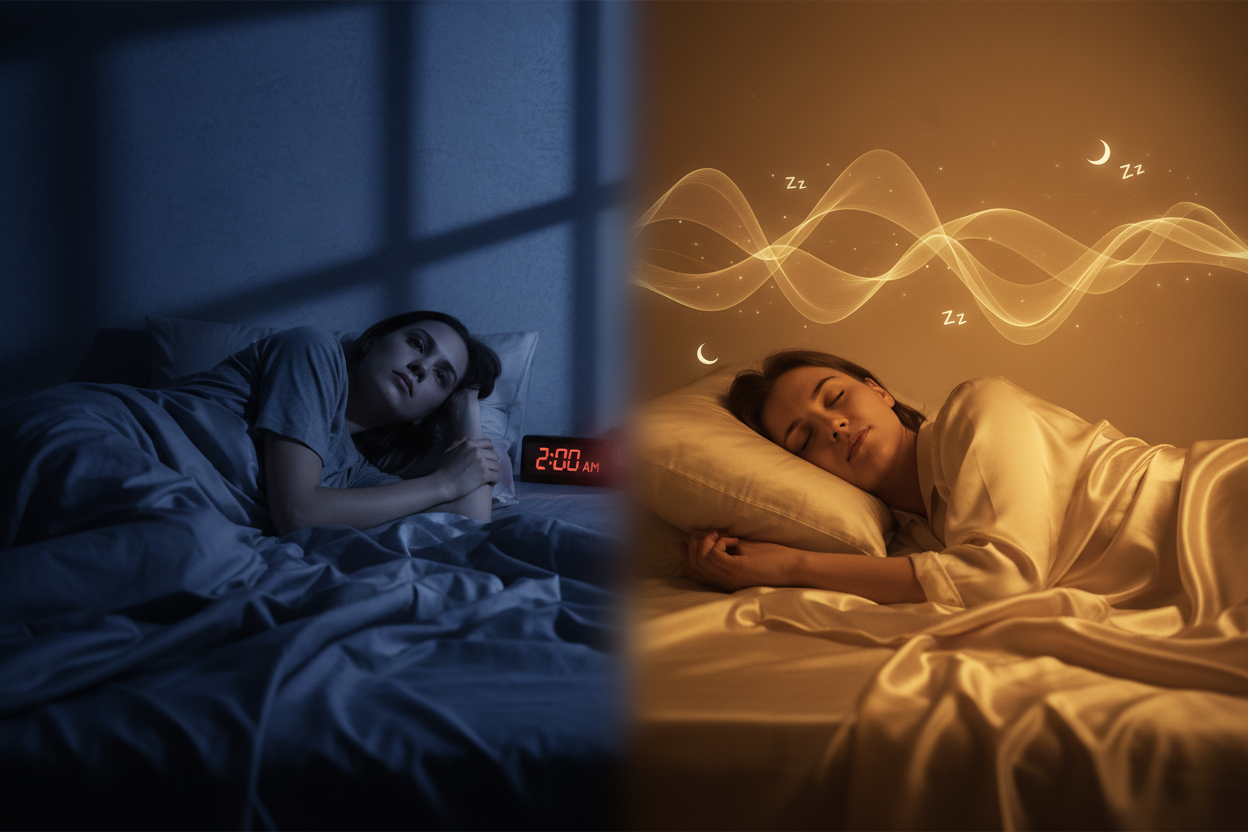
If you’ve ever found yourself staring at the ceiling at 2 AM, desperately wishing for sleep to come, you’re certainly not alone. Millions of people worldwide struggle with insomnia, and the search for effective, natural solutions continues to grow. While traditional approaches like sleep hygiene and medication have their place, there’s an fascinating alternative that’s gaining scientific recognition: brainwave entrainment.
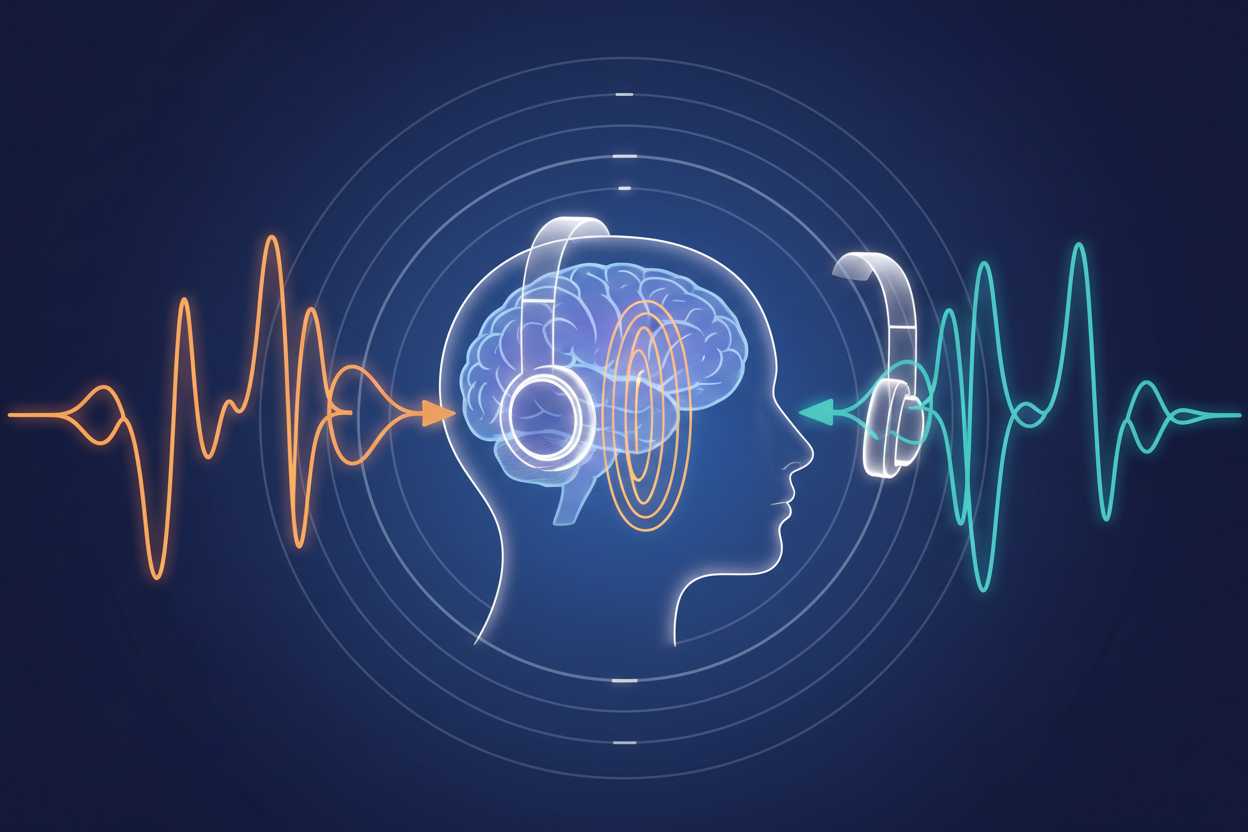
Brainwave entrainment might sound like something from a science fiction movie, but it’s actually a well-researched technique that uses rhythmic stimuli to synchronize your brain’s electrical activity with specific frequencies associated with relaxation and sleep. Think of it as a gentle nudge that helps guide your busy mind toward the peaceful state it needs for quality rest.
In this comprehensive guide, we’ll explore how this innovative approach can transform your relationship with sleep, diving deep into the science, practical applications, and real-world benefits that countless individuals have experienced.
Understanding the Science Behind Brainwave Entrainment
Your brain is essentially an electrical powerhouse, constantly generating rhythmic patterns of activity called brainwaves. These waves operate at different frequencies throughout the day, corresponding to various states of consciousness. When you’re alert and focused, your brain produces beta waves (13-30 Hz). As you relax, alpha waves (8-13 Hz) take over. During deep sleep, your brain shifts into delta wave patterns (0.5-4 Hz).
The principle behind brainwave entrainment is surprisingly elegant. When your brain is exposed to rhythmic stimuli at a specific frequency, it naturally begins to synchronize with that rhythm through a process called the “frequency following response.” It’s similar to how pendulum clocks in the same room eventually sync up with each other.
Research published in the Journal of Sleep Research has shown that this synchronization can be achieved through various methods, including binaural beats, isochronic tones, and light therapy. The key is presenting your brain with the right frequency at the right time to encourage the transition from wakefulness to sleep.
How Sleep Disorders Affect Your Brain Waves
When you’re struggling with insomnia, your brain’s natural rhythm gets disrupted. Instead of smoothly transitioning from beta to alpha to theta and finally to delta waves, your mind might remain stuck in higher frequency patterns associated with alertness and anxiety.
This disruption often creates a frustrating cycle. The more you worry about not sleeping, the more your brain produces stress-related beta waves, making sleep even more elusive. Your natural circadian rhythm becomes confused, and your brain loses its ability to recognize when it’s time to wind down.
Many people with chronic insomnia report that their minds feel “wired” at bedtime, racing with thoughts about tomorrow’s responsibilities or replaying the day’s events. This mental hyperactivity is reflected in their brainwave patterns, which remain elevated when they should be slowing down.
Types of Brainwave Entrainment for Better Sleep
Binaural Beats
Binaural beats are perhaps the most popular form of brainwave entrainment for sleep. This technique involves playing slightly different frequencies in each ear through headphones. For example, if you hear 200 Hz in your left ear and 208 Hz in your right ear, your brain perceives the difference as an 8 Hz beat, which corresponds to the alpha wave range associated with relaxation.
For sleep induction, practitioners typically use binaural beats that gradually decrease from alpha frequencies down to delta frequencies, gently guiding your brain through the natural progression toward deep sleep.
Isochronic Tones
Isochronic tones are rhythmic pulses of sound that turn on and off at regular intervals. Unlike binaural beats, they don’t require headphones and can be more effective for some people. These tones can be embedded in nature sounds, ambient music, or presented as pure tones, making them versatile for different preferences.
Monaural Beats
Monaural beats combine two frequencies before they reach your ears, creating a single tone with a rhythmic beating pattern. This method is often considered more accessible than binaural beats since it doesn’t require precise stereo separation.
The Benefits of Using Brainwave Entrainment for Insomnia
The advantages of brainwave entrainment extend far beyond simply falling asleep faster. Regular practitioners often report improvements in multiple areas of their sleep experience and overall well-being.
One of the most significant benefits is the reduction in sleep onset time. Many users find they can fall asleep 20-30 minutes faster than usual when using entrainment techniques consistently. This improvement alone can add hours of precious sleep to your weekly total.
Sleep quality also tends to improve dramatically. Because brainwave entrainment helps guide your brain through the natural sleep stages more efficiently, you’re likely to spend more time in deep, restorative sleep phases. This means waking up feeling more refreshed, even if your total sleep time remains the same.
Unlike sleep medications, brainwave entrainment doesn’t come with grogginess, dependency risks, or side effects. It’s a completely natural process that works with your brain’s existing mechanisms rather than overriding them with chemical intervention.
Many people also discover that regular use of brainwave entrainment helps retrain their sleep patterns over time. Your brain begins to remember what healthy sleep rhythms feel like, making it easier to fall asleep naturally even without the audio assistance.
How to Get Started with Brainwave Entrainment
Beginning your journey with brainwave entrainment doesn’t require expensive equipment or complicated setups. Start with a good pair of comfortable headphones and access to quality audio tracks designed specifically for sleep induction.
Create a consistent bedtime routine that incorporates your chosen entrainment method. About 30-60 minutes before your desired sleep time, dim the lights, put on your headphones, and begin your session. The key is consistency – your brain responds better to regular patterns than sporadic attempts.
Start with shorter sessions, perhaps 15-20 minutes, and gradually increase the duration as you become more comfortable with the process. Some people prefer to fall asleep with the audio playing softly, while others use it as a pre-sleep relaxation tool and remove the headphones before lying down.
Experiment with different types of entrainment to find what works best for you. Some people respond better to binaural beats, while others prefer isochronic tones or nature sounds with embedded frequencies. Your personal preference and response may vary, so don’t be discouraged if the first method you try isn’t immediately effective.
Best Practices and Safety Considerations
While brainwave entrainment is generally considered safe for most people, there are some important guidelines to follow for optimal results and safety.
Keep the volume at a comfortable level – you should be able to hear the tones or beats clearly without them being loud or jarring. Excessive volume can actually be counterproductive and may interfere with relaxation.
If you have a history of seizures, epilepsy, or other neurological conditions, consult with your healthcare provider before using brainwave entrainment techniques. While rare, some individuals may be sensitive to rhythmic audio or visual stimuli.
Don’t use brainwave entrainment while driving, operating machinery, or during any activity that requires full attention. These techniques are specifically designed to alter your state of consciousness and promote relaxation.
Be patient with the process. While some people experience immediate results, others may need several weeks of consistent practice before noticing significant improvements. Your brain needs time to adapt and learn new patterns.
Real-World Success Stories
Sarah, a 34-year-old marketing professional, had struggled with insomnia for over five years. After trying various medications with limited success and unwanted side effects, she discovered binaural beats through a sleep forum. Within three weeks of consistent use, she was falling asleep 40 minutes faster and waking up feeling more rested than she had in years.
Mark, a retired teacher, found that stress from his career transition was keeping him awake at night. He began using isochronic tones combined with guided meditation and noticed improvements within the first week. Six months later, he rarely needs the audio assistance and has developed healthy natural sleep patterns.
These stories reflect a common pattern among brainwave entrainment users: initial skepticism followed by gradual improvement and, eventually, significant positive changes in sleep quality and overall well-being.
Frequently Asked Questions
How long does it take for brainwave entrainment to work for insomnia?
Most people begin noticing some improvement within 1-2 weeks of consistent use, with more significant changes occurring after 4-6 weeks. Individual responses vary based on the severity of sleep issues and consistency of practice.
Can I use brainwave entrainment every night?
Yes, brainwave entrainment is safe for daily use. In fact, regular use often produces better results as your brain becomes more responsive to the frequency patterns.
Do I need special headphones for brainwave entrainment?
For binaural beats, you need stereo headphones that can deliver different frequencies to each ear. Standard headphones or earbuds work fine – expensive audiophile equipment isn’t necessary.
Will brainwave entrainment work if I have severe insomnia?
While many people with chronic insomnia have found success with brainwave entrainment, severe sleep disorders may require professional medical attention. Consider using entrainment as a complementary approach alongside other treatments.
Can children use brainwave entrainment for sleep problems?
Brainwave entrainment can be safe for children, but it’s best to consult with a pediatrician first. Children’s brains are still developing, and their sleep issues may require different approaches.
What’s the difference between free and paid brainwave entrainment audio?
Free options can be effective for basic needs, but professionally produced tracks often offer better audio quality, more precise frequencies, and additional features like gradual frequency transitions or embedded nature sounds.
Conclusion
Brainwave entrainment represents a promising, natural approach to addressing insomnia and improving sleep quality. By working with your brain’s natural electrical rhythms rather than against them, this technique offers a gentle yet effective path toward better rest.
The beauty of brainwave entrainment lies in its simplicity and accessibility. You don’t need expensive equipment, prescription medications, or complex procedures. With just a pair of headphones and some quality audio tracks, you can begin exploring this fascinating intersection of neuroscience and sleep medicine.
Remember that consistency is key to success with brainwave entrainment. Like any skill, your brain needs time and practice to fully adapt to these new patterns. Be patient with yourself and maintain realistic expectations as you embark on this journey toward better sleep.
If you’ve been struggling with insomnia and traditional approaches haven’t provided the relief you’re seeking, brainwave entrainment might be the missing piece of your sleep puzzle. As research continues to validate its effectiveness and more people share their success stories, this innovative technique is becoming an increasingly valuable tool in the quest for restorative, natural sleep.
Sweet dreams await – sometimes all your brain needs is a gentle reminder of how to find them.