
Brainwave Patterns During Different Types of Crying and Emotional Release: The Science Behind Our Tears
Table of Contents
1. Introduction: The Hidden Language of Tears
2. Understanding Brainwave Patterns and Emotional States
3. The Neuroscience Behind Why We Cry
4. Brainwave Activity During Emotional Tears
5. Physical Pain vs. Emotional Pain: Different Neural Signatures
6. Happy Tears: When Joy Overflows
7. Stress Release and Cathartic Crying
8. The Healing Power of Emotional Release
9. Practical Applications and Future Research
10. Conclusion: Embracing the Science of Emotional Expression
11. Frequently Asked Questions
Introduction: The Hidden Language of Tears
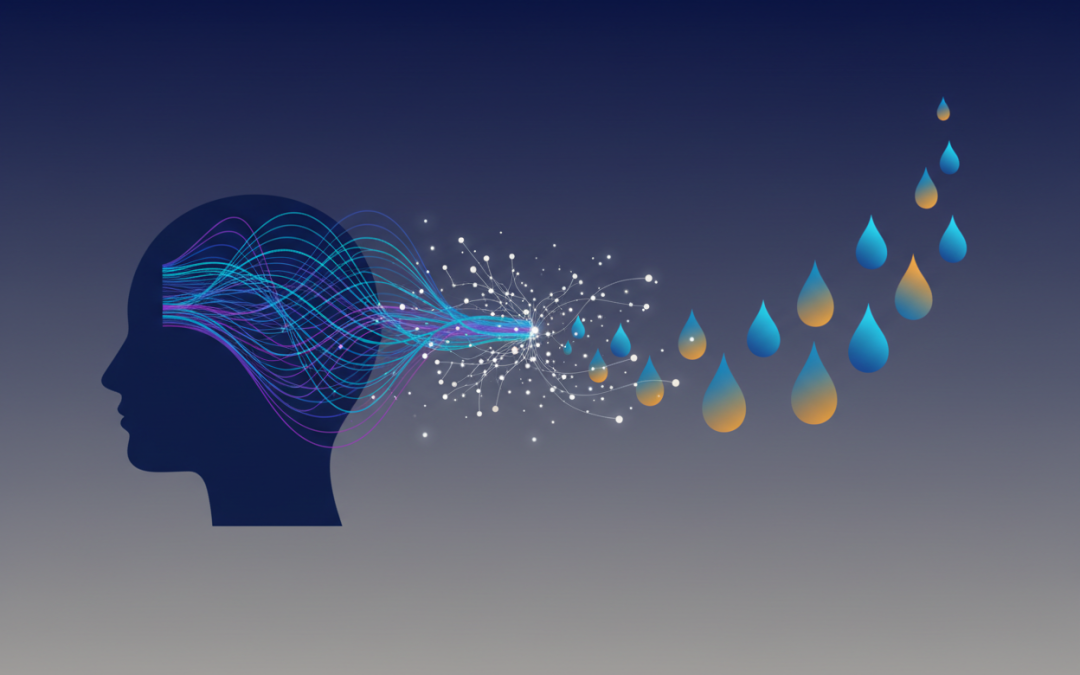
Have you ever wondered what’s actually happening in your brain when tears start flowing? Whether it’s the gut-wrenching sobs after a breakup, the quiet tears during a touching movie scene, or even those unexpected happy tears at a wedding, our brains are conducting a complex symphony of electrical activity that scientists are only beginning to understand.
Recent advances in neuroscience and brainwave monitoring technology have opened fascinating windows into the neural mechanisms behind emotional crying and release. What we’re discovering challenges many assumptions about tears being simply a physical response to emotion. Instead, different types of crying create distinct brainwave patterns that reveal the intricate relationship between our emotional experiences and neural activity.
This exploration into brainwave patterns during emotional release isn’t just academic curiosity—it has real implications for mental health treatment, emotional regulation, and our understanding of human psychology. Let’s dive deep into the remarkable science behind our tears and what they reveal about the inner workings of our minds.
Understanding Brainwave Patterns and Emotional States
Before we examine crying specifically, it’s crucial to understand how brainwaves work and what they tell us about our mental states. Our brains generate electrical activity through billions of neurons firing in coordinated patterns, creating measurable frequencies that scientists categorize into different types.
Alpha waves (8-12 Hz) typically indicate relaxed awareness, while beta waves (13-30 Hz) dominate during active thinking and problem-solving. Theta waves (4-8 Hz) emerge during deep meditation, creativity, and emotional processing, and delta waves (0.5-4 Hz) characterize deep sleep states. Gamma waves (30-100 Hz) appear during moments of heightened awareness and cognitive binding.
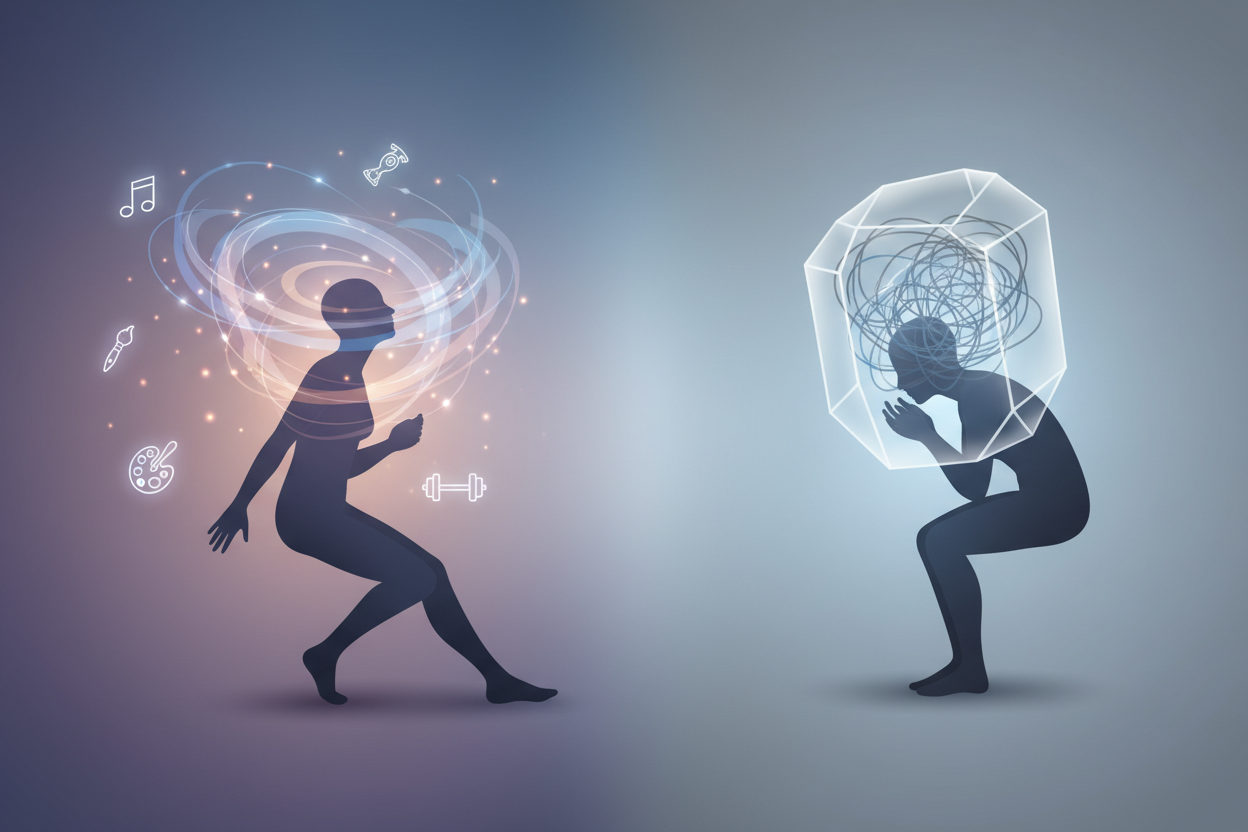
What makes emotional crying particularly interesting from a neuroscience perspective is how it simultaneously activates multiple brain regions, creating complex brainwave patterns that reflect the multifaceted nature of emotional experience. When we cry, we’re not just experiencing sadness or joy—we’re processing memories, releasing stress hormones, and often working through complex psychological states.
The Neuroscience Behind Why We Cry
Crying involves a sophisticated interplay between several brain regions, including the limbic system, prefrontal cortex, and brainstem. The limbic system, particularly the amygdala and hippocampus, processes emotional significance and memory associations. Meanwhile, the prefrontal cortex attempts to regulate and make sense of these emotional signals.
During emotional crying, researchers have observed increased activity in the anterior cingulate cortex, which processes emotional pain and empathy. This region shows particularly strong activation during social emotional experiences, such as grief or feelings of rejection. The insula, responsible for interoceptive awareness and emotional processing, also becomes highly active during crying episodes.
What’s fascinating is how different types of emotional triggers create distinct neural activation patterns. The brain doesn’t treat all crying the same way—it distinguishes between tears of sadness, frustration, joy, and relief, creating unique brainwave signatures for each emotional state.
Brainwave Activity During Emotional Tears
When we experience emotional crying, particularly during sadness or grief, specific brainwave patterns emerge that researchers can now identify and measure. Studies using EEG technology have shown that emotional tears are associated with increased theta wave activity, particularly in the frontal and temporal regions of the brain.
These theta waves, often called the “emotional processing frequency,” indicate that the brain is actively working through complex emotional information. During intense crying episodes, researchers have observed synchronized theta activity between the prefrontal cortex and limbic structures, suggesting enhanced communication between rational thought processes and emotional centers.
Interestingly, the intensity and duration of crying correlate with the amplitude and persistence of these theta patterns. Longer, more cathartic crying sessions show sustained theta activity that gradually shifts toward alpha waves as emotional release occurs and a sense of calm returns.
Beta wave activity also plays a crucial role during emotional crying, particularly in the early stages when the mind is actively trying to process and understand the emotional trigger. High beta activity often precedes the onset of tears, reflecting the mental struggle and cognitive processing that occurs before emotional release.
Physical Pain vs. Emotional Pain: Different Neural Signatures
One of the most intriguing discoveries in recent brainwave research is how differently our brains process tears from physical pain versus emotional pain. While both types of crying involve the release of tears, the underlying neural patterns are remarkably distinct.
Physical pain-induced crying typically shows strong activation in the somatosensory cortex and produces more focused, localized brainwave patterns. The pain signals create sharp, intense gamma wave bursts in specific brain regions corresponding to the physical sensation, while emotional regulation areas show less complex activity patterns.
Emotional pain, however, creates more distributed and complex brainwave patterns involving multiple brain networks simultaneously. The default mode network, responsible for self-referential thinking and autobiographical memory, becomes highly active during emotional crying. This explains why emotional tears often come with racing thoughts, memories, and complex psychological processing that physical pain doesn’t typically trigger.
Research has shown that emotional crying produces more sustained changes in brainwave patterns, often lasting well beyond the actual crying episode. This suggests that emotional tears serve a more complex neurological function than simple pain response—they appear to facilitate neural reorganization and emotional processing that continues long after the tears have stopped.
Happy Tears: When Joy Overflows
Perhaps the most surprising findings in brainwave research involve tears of joy and happiness. These “happy tears” create entirely different neural signatures compared to sad crying, challenging our understanding of why humans cry during positive experiences.
During joyful crying, researchers observe increased gamma wave activity, particularly in regions associated with reward processing and positive emotion. The nucleus accumbens, part of the brain’s reward circuit, shows heightened activation along with increased dopamine release. This creates a unique brainwave pattern characterized by high-frequency oscillations that reflect intense positive emotional processing.
What’s particularly fascinating is that happy tears often involve a phenomenon called “dimorphous expression”—experiencing opposing emotions simultaneously. Brain scans during happy crying show activation in both positive and negative emotion centers, creating complex brainwave interference patterns that reflect this emotional complexity.
The prefrontal cortex shows different activation patterns during happy tears compared to sad ones, with increased activity in areas associated with social bonding and attachment. This suggests that tears of joy serve important social and emotional regulation functions, helping us process overwhelming positive experiences and strengthen social connections.
Stress Release and Cathartic Crying
Cathartic crying—the deep, releasing sobs that often follow periods of stress or emotional buildup—produces some of the most dramatic brainwave changes researchers have observed. This type of crying appears to serve a crucial neurological reset function, literally rewiring stress response patterns in the brain.
During cathartic crying episodes, scientists observe a fascinating progression of brainwave changes. Initial high-stress beta and gamma activity gradually gives way to sustained theta waves, indicating a shift from acute stress response to deep emotional processing. As the crying continues, alpha waves begin to emerge, reflecting increasing relaxation and emotional release.
The hypothalamic-pituitary-adrenal (HPA) axis, our body’s primary stress response system, shows measurable changes during cathartic crying. Cortisol levels often decrease following intense crying episodes, while oxytocin and endorphin levels increase. These hormonal changes are reflected in brainwave patterns, with stress-associated high-frequency activity diminishing and more balanced, coherent patterns emerging.
Research suggests that cathartic crying essentially helps “discharge” accumulated neural tension, similar to how physical exercise releases muscular tension. The brainwave patterns during this process indicate active neural reorganization and stress circuit reset, which may explain why people often feel significantly better after a good cry.
The Healing Power of Emotional Release
The therapeutic benefits of crying are now supported by solid neuroscientific evidence revealed through brainwave analysis. Emotional release through crying appears to activate the brain’s natural healing and regulation mechanisms in ways that other stress-relief methods don’t fully replicate.
Studies have shown that regular emotional release through crying is associated with more balanced baseline brainwave patterns and improved emotional regulation over time. People who allow themselves to cry when needed show more resilient neural responses to stress and better overall mental health outcomes.
The parasympathetic nervous system, responsible for rest and recovery, becomes more active during and after crying episodes. This shift is clearly visible in brainwave patterns, with increased alpha and theta activity indicating enhanced relaxation and emotional processing capabilities. The vagus nerve, a key component of parasympathetic activation, shows increased tone following emotional crying sessions.
Interestingly, suppressing the urge to cry appears to create ongoing neural tension that can be measured through persistent stress-related brainwave patterns. This suggests that allowing natural emotional expression through crying isn’t just psychologically healthy—it’s neurologically necessary for optimal brain function.
Practical Applications and Future Research
Understanding brainwave patterns during crying opens exciting possibilities for mental health treatment and emotional wellness applications. Therapists are beginning to use brainwave feedback to help clients understand their emotional processing patterns and develop healthier coping mechanisms.
Neurofeedback therapy, which uses real-time brainwave monitoring to teach emotional regulation, is showing promising results for people struggling with emotional expression or regulation. By helping individuals recognize their unique brainwave patterns during different emotional states, therapists can guide them toward more effective emotional processing strategies.
Future research directions include developing personalized emotional regulation protocols based on individual brainwave patterns, creating biofeedback devices that can detect and respond to emotional states, and better understanding how cultural and individual differences affect crying-related neural patterns.
Scientists are also exploring how meditation, therapy, and other interventions might optimize the beneficial brainwave changes associated with healthy emotional release. This could lead to more effective treatments for depression, anxiety, and trauma-related disorders.
Conclusion: Embracing the Science of Emotional Expression
The emerging science of brainwave patterns during crying reveals that our tears are far more sophisticated than simple emotional overflow. They represent complex neurological processes that serve crucial functions in emotional regulation, stress release, and psychological healing.
Different types of crying create distinct neural signatures that reflect the brain’s remarkable ability to process and respond to various emotional experiences. From the theta-wave processing of grief to the gamma-wave intensity of joy, our brains orchestrate intricate electrical symphonies during emotional release.
Perhaps most importantly, this research validates what many have long suspected—crying isn’t a sign of weakness or emotional instability. It’s a sophisticated neurological mechanism that promotes mental health, emotional balance, and psychological resilience. Understanding the science behind our tears can help us embrace emotional expression as a natural and necessary part of human experience.
As we continue to unravel the mysteries of emotional neuroscience, one thing becomes clear: our brains are designed for emotional expression, and crying serves essential functions that extend far beyond the moment tears fall. By honoring and understanding these natural processes, we can better support our mental health and emotional well-being.
Frequently Asked Questions
Q: Are brainwave patterns during crying the same for everyone?
A: No, while there are general patterns that most people share, individual differences in brain structure, personality, and emotional processing styles create unique variations in brainwave signatures during crying. Factors like age, gender, cultural background, and personal history all influence these patterns.
Q: Can measuring brainwaves during crying help diagnose mental health conditions?
A: While brainwave analysis during emotional expression shows promise as a diagnostic tool, it’s not yet ready for clinical use. Researchers are working to identify specific patterns associated with depression, anxiety, and other conditions, but more research is needed before this becomes a standard diagnostic method.
Q: Is it unhealthy to rarely cry or never cry?
A: People have different emotional expression styles, and some naturally cry less than others. However, completely suppressing emotional expression can create ongoing neural tension. If someone never cries but has other healthy emotional outlets, this may be fine. But if it’s due to emotional suppression, it could indicate a need for better emotional processing strategies.
Q: Do men and women show different brainwave patterns when crying?
A: Research suggests there are some differences in how men and women process emotions neurologically, which can affect crying patterns. However, these differences are often more related to socialization and cultural factors than inherent biological differences. More research is needed to fully understand gender-related variations in emotional brainwave patterns.
Q: Can you train your brain to have healthier crying patterns?
A: Yes, through practices like meditation, therapy, and neurofeedback training, people can develop more balanced emotional regulation and healthier patterns of emotional expression. The brain’s neuroplasticity allows for positive changes in emotional processing throughout life.